Easy Tips for Maintaining Good Oral Health
A healthy mouth supports comfort, confidence, and daily routines such as eating and speaking. Teeth and gums respond to habits practiced every day, so simple actions can shape long-term outcomes. Many people link oral care only with brushing, yet the mouth connects with digestion, speech, and appearance. A thoughtful approach can lower discomfort, support fresh breath, and protect natural teeth for years. This guide shares practical tips that fit into everyday life, focusing on habits, food choices, professional care, protection, and age-related needs. Each section offers clear guidance that anyone can follow without complicated routines.

Daily Dental Care Habits
Consistent home care forms the foundation of a healthy smile. Brushing twice each day with a soft-bristle brush removes plaque that settles on enamel and along the gumline. Gentle circular motions reach surfaces without harming gums, and a fluoride toothpaste strengthens enamel over time. Flossing once a day clears debris from spaces a brush cannot reach, lowering the chance of gum irritation and decay. Rinsing with water after meals supports a cleaner mouth between brushings. Many people look to trusted providers for guidance, and routine advice from Smile 4 Texas dental care can fit naturally into daily habits when paired with steady brushing and flossing practices that protect teeth throughout the year. Replacing toothbrushes every few months keeps bristles effective and comfortable, supporting thorough cleaning with less effort.
Nutrition and Oral Wellness
Food and drink choices shape the condition of teeth and gums every day. Sugary snacks feed bacteria that produce acids, which can weaken enamel over time. Crunchy fruits and vegetables stimulate saliva flow, helping cleanse the mouth. Dairy products supply calcium and phosphorus that support tooth structure. Water remains a reliable choice for hydration and oral comfort.
Fresh apples, carrots, and celery support natural cleansing through chewing
Cheese and yogurt offer minerals that strengthen enamel
Nuts and seeds provide texture that stimulates saliva
Plain water rinses the mouth and supports moisture balance
Mindful eating patterns can reduce exposure to sugar and acid without strict rules. Timing treats with meals rather than frequent snacking limits acid attacks, supporting a healthier mouth through simple choices.
Regular Dental Visits
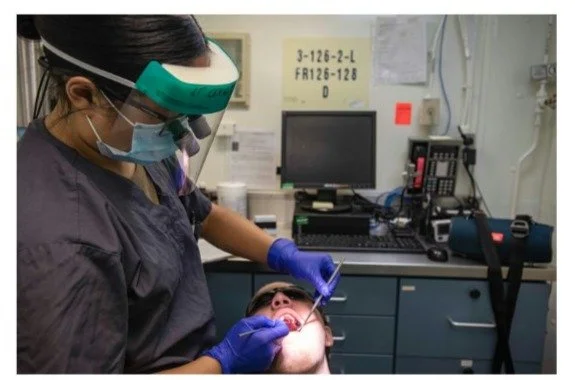
Professional dental visits add depth to daily home care and support long-lasting oral comfort. During routine checkups, dental teams examine teeth, gums, and supporting structures to catch small concerns before they grow into painful problems. Early detection of decay, gum irritation, or bite issues can save time, discomfort, and expense later. Professional cleanings remove tartar that forms when plaque hardens, leaving surfaces smoother and easier to keep clean at home.
Polishing helps reduce surface stains, thereby improving the appearance and freshness of the surface. Dental visits often include guidance on brushing techniques, flossing methods, and product choices tailored to individual needs. X-rays offer a clear view of areas hidden from sight, supporting accurate care planning. Regular appointments build familiarity with the dental environment, which can ease anxiety and encourage open conversations about concerns, habits, and goals related to oral health.
Protecting Teeth During Activities
Daily life includes moments that place stress on teeth, from sports to nighttime grinding. Mouthguards worn during contact sports cushion blows and reduce the chance of chips or fractures. Custom guards offer a comfortable fit, while store-bought options provide basic protection. Some people clench or grind their teeth during sleep, which can wear down enamel and strain jaw muscles. Night guards create a barrier that absorbs pressure, supporting comfort upon waking. Avoiding habits such as chewing ice or using teeth to open packages protects enamel from unnecessary damage. Small protective steps can prevent painful issues and costly repairs later.
According to this professional dentist in Geneva, IL, wearing these protective barriers consistently is the most effective way to safeguard your long-term oral health. Whether on the field or during sleep, prioritizing these preventive tools ensures your smile remains intact and functional against daily wear and unexpected impacts
Oral Health Across Life Stages
Oral care needs shift through childhood, adulthood, and later years. Children benefit from supervised brushing that builds skills and routines, paired with guidance on limiting sugary snacks. Sealants applied to molars offer added defense during cavity-prone years. Adults often focus on gum health, since plaque buildup near the gumline can lead to irritation or recession. Consistent care and professional cleanings support stability during these years. Older adults may face dry mouth linked with medications, which raises decay risk. Sipping water, using saliva-friendly products, and maintaining regular dental visits support comfort and function across changing stages of life.
Good oral health grows from steady habits, thoughtful choices, and professional support. Brushing and flossing form a daily routine that protects enamel and gums, paired with food choices that limit sugar and support saliva flow. Dental visits offer insight and care that home routines cannot replace, and protective gear guards teeth during high-risk activities. Each stage of life brings unique needs, yet simple actions remain effective across the years. By focusing on practical steps and consistency, anyone can support a comfortable, confident smile that lasts.