Are Dental Implants Right For You? Essential Facts You Should Know

When people hear about dental implants, they often picture a complex procedure or assume it is only for certain individuals. However, dental implants have become one of the most predictable and successful advancements in modern dentistry, providing long-term solutions for missing teeth. They restore function, enhance confidence, and preserve oral health in ways that traditional dentures or bridges may not fully achieve. Understanding whether this treatment is right for you requires a clear look at your oral health, expectations, and lifestyle. This article explores the essential facts, expert insights, candidacy guidelines, and treatment expectations to help you make an informed decision.

What Exactly Are Dental Implants?

Dental implants are artificial tooth roots made from biocompatible materials, typically titanium or zirconia. These roots integrate with the jawbone, creating a sturdy base for a natural-looking prosthetic tooth. Their design mimics the structure of a real tooth root, allowing them to provide remarkable stability and long-term function.

The implant system consists of three parts: the implant fixture, which anchors into the bone; the abutment, which connects the implant to the crown; and the crown itself, which appears as the visible tooth. This restoration not only fills gaps but also strengthens bite force and enhances speech clarity. Because implants tap into the bone’s natural healing ability, they deliver a level of strength that closely resembles natural teeth.

Dentists recommend implants for patients wanting a durable, stable, and aesthetic tooth replacement. Unlike removable dentures, implants remain fixed in place, letting patients enjoy daily activities without fear of slipping or discomfort.

How Do Dental Implants Work?

The process behind dental implants may sound complex, yet it follows a predictable and scientifically backed sequence. After the implant is inserted into the jawbone, the body begins osseointegration—a biological process where bone tissue grows around the implant surface. This creates a solid and lasting foundation capable of supporting daily chewing and speaking.

Once healed, the dentist attaches the abutment and then places the crown. This final tooth is shaped and shaded to blend seamlessly with surrounding teeth. As a result, both the appearance and functionality of the implant feel natural to the patient.

One of the main reasons implants are successful is that they become part of your dental structure rather than acting as a separate removable appliance. This integration helps patients chew with confidence, speak clearly, and maintain jawbone strength.

Who Should Consider Dental Implants?

Deciding whether implants are right for you depends on several health and lifestyle factors. You may be a strong candidate if you have good general health, healthy gums, and sufficient jawbone density. Missing one or more teeth, struggling with loose dentures, or experiencing difficulty chewing are also signs that implants might be beneficial.

Age itself is not a limiting factor as long as bone development is complete. Many patients in their 40s, 50s, 60s, and even 70s choose implants successfully. The most important consideration is whether the jaw has enough healthy bone to support the implant. If not, bone grafting may be recommended to improve the site and ensure long-term stability.

Certain health conditions, such as uncontrolled diabetes, active periodontal disease, or immune system disorders, may require additional evaluation. Lifestyle choices, including smoking, can hinder healing, but they do not automatically disqualify someone. With proper guidance from a qualified dentist, many patients can still achieve successful outcomes.

What Are the Benefits of Dental Implants?

Dental implants offer numerous advantages that extend beyond aesthetics. One of the greatest benefits is stability. Unlike dentures, implants do not shift or move. You can enjoy meals, smile confidently, and speak naturally without worry or frustration.

Implants also support long-term oral health. When a tooth is lost, the bone beneath the gap begins to deteriorate. Implants stimulate the bone, slowing or stopping bone loss. This preserves facial structure and helps prevent premature aging often caused by jawbone shrinkage.

Another valuable benefit lies in their longevity. While dentures and bridges may require frequent adjustments or replacements, implants are designed for long-term success. With proper care, many last for decades.

Implants also protect natural teeth. A dental bridge, for example, requires shaving down neighboring teeth to support the prosthetic. Implants stand independently, preserving surrounding tooth structure and contributing to overall oral stability.

Patients often describe their implants as indistinguishable from natural teeth. This combination of realism, comfort, and strength sets them apart from other tooth replacement options.

What Are the Risks or Limitations?

As with any medical procedure, implants come with certain risks, though complications are relatively rare. The most common concerns include infection at the implant site, insufficient osseointegration, or minor complications during healing. In most cases, these issues can be resolved with proper care and timely intervention.

Patients with weakened bone density or existing gum disease may need preliminary treatments before proceeding. Bone grafts or periodontal therapy can significantly improve implant success rates. Smokers and individuals with chronic conditions may require additional monitoring.

Despite these considerations, dental implants remain one of the safest and most predictable dental procedures available today. Working with an experienced implant dentist greatly reduces risks and enhances long-term success.

How Much Do Dental Implants Cost?

The cost of implants varies considerably depending on several factors. The complexity of your case, the number of implants needed, the need for grafting, and the materials used all affect the overall investment. Implants often cost more upfront than dentures or bridges, but they also provide long-lasting value.

The price reflects the surgical expertise, high-quality materials, and advanced technology involved in planning and placing implants. Many patients find the long-term comfort and stability well worth the investment.

Your dentist will typically perform a thorough evaluation and provide a tailored treatment plan that outlines expected fees clearly. Although insurance coverage varies, some plans may partially cover aspects of the procedure, such as restorations or diagnostic imaging.

What Should You Expect During the Treatment Process?

The implant journey typically begins with an initial consultation. During this appointment, the dentist performs X-rays or 3D scans, reviews your health history, and discusses your goals. You’ll receive an individualized plan outlining each step of the treatment.

Next comes the surgical placement of the implant. This procedure is performed under anesthesia to ensure comfort. Most patients report the experience as easier than expected, often comparing it to a simple extraction.

After placement, the healing phase begins. The bone gradually integrates with the implant, which may take several months. During this period, you can typically resume daily activities with little disruption.

Once healing is complete, the abutment is attached. This step prepares the area for final restoration. The custom crown is then fabricated and placed, completing the treatment. The result is a strong, natural-looking replacement tooth.

What About Recovery?

Recovery is manageable for most patients. Mild swelling or tenderness is normal during the first few days, but symptoms usually improve quickly. Many patients return to work the next day.

Good oral hygiene is essential to ensure long-term success. Brushing around the implant site carefully, keeping the area clean, and attending follow-up visits improve healing. Once restored, the implant functions like a natural tooth and requires the same level of personal care.

Final Thoughts

Dental implants stand out as one of the most advanced and reliable solutions for tooth replacement. They restore function, enhance appearance, and preserve oral health in a way that few other treatments can match. By understanding candidacy requirements, potential benefits, and the treatment timeline, you can better determine whether implants align with your needs and expectations.

If you’re considering dental implants, consulting a trusted provider ensures you receive accurate guidance tailored to your specific situation. Many reputable clinics, including Nuffield Dental, offer professional assessments and personalized treatment plans that help patients achieve long-lasting, life-changing results.

FAQs

Are Dental Implants Painful?

Most patients experience minimal discomfort during the procedure. Anesthesia ensures comfort, and any post-surgical soreness usually fades within a few days.

How Long Do Dental Implants Last?

With proper care, implants can last decades. Many remain functional for a lifetime.

Are Dental Implants Safe for Older Adults?

Yes. Age is not a major barrier as long as overall health and bone density are sufficient.

Can Smokers Still Get Dental Implants?

Smokers may experience slower healing, but implants are still possible with proper management.

Do Dental Implants Require Special Maintenance?

No. They require the same daily care as natural teeth and benefit greatly from regular dental checkups.

What Happens to Your Teeth Without Good Oral Hygiene

Maintaining good oral hygiene is critical for preserving your teeth and overall health. Many people tend to overlook the importance of regular dental care, leading to lasting repercussions. Neglecting oral hygiene can result in severe complications, ranging from cavities to gum disease and, ultimately, tooth loss. Understanding the consequences of poor dental care is essential for motivating individuals to take proactive measures in their oral health routine.

The Importance of Daily Oral Care

Daily oral hygiene practices, such as brushing and flossing, play a vital role in protecting your teeth and gums. Brushing twice a day with fluoride toothpaste helps remove food particles and plaque, a sticky film of bacteria that forms on teeth. If plaque is not removed, it can harden into tartar, which can only be removed by a dental professional, as this Dentist in Broken Arrow, OK explains. Skipping these daily practices can lead to significant dental issues, including decay and cavities. The American Dental Association states that nearly 92% of adults have experienced cavities in their permanent teeth, highlighting the widespread consequences of inadequate oral hygiene.

Cavities and Tooth Decay

Cavities, or tooth decay, is one of the most common consequences of poor oral hygiene. When plaque builds up on teeth, it releases acids that erode tooth enamel. If not addressed, this decay can penetrate deeper layers of the tooth, leading to pain, infection, and even tooth extraction in severe cases. It’s estimated that by age 34, most individuals will experience cavities, illustrating how essential it is to implement a thorough dental care routine early on. Regular dental check-ups become even more critical, as professional cleanings can prevent cavities from developing into more severe problems.

Gum Disease: A Serious Consequence

Gum disease, or periodontal disease, is another severe outcome of neglecting oral hygiene. It begins with gingivitis, characterized by swollen, bleeding gums. If left untreated, it can progress to periodontitis, leading to the destruction of tooth-supporting bone and tissues. Approximately 47% of adults aged 30 and older experience some form of gum disease, making it a widespread issue that affects millions. Ignoring symptoms such as persistent bad breath or gum irritation often results in extensive treatment, including root planing or even surgery.

Neglecting gum disease is a serious issue that extends beyond the mouth. The bacteria and inflammation associated with periodontitis can enter the bloodstream and travel to other parts of the body. According to this dentist who does high-quality dental crowns in Tallahassee FL, this systemic inflammation has been linked to an increased risk of other serious health conditions, including heart disease, stroke, and diabetes.

The Connection Between Oral Health and Overall Health

There is an undeniable connection between oral health and overall well-being. Poor dental hygiene has been linked to various systemic conditions, including heart disease, diabetes, and respiratory diseases. Bacteria from gum disease can enter the bloodstream, contributing to dangerous health complications. Research from the American Heart Association suggests that individuals with gum disease are almost twice as likely to suffer from heart disease compared to those who maintain good oral hygiene. Thus, neglecting your oral health can have far-reaching consequences beyond your mouth.

Financial Implications of Neglecting Oral Care

Failing to prioritize dental care can lead to significant financial ramifications. Preventative measures, such as regular dental visits, are generally more affordable than treatments for dental issues when they arise. Routine dental cleanings and exams cost a fraction of what it would require for root canals, periodontal treatments, or tooth replacements. Additionally, using the services of a reliable dentist to address dental concerns may fall short if oral health is not prioritized, leading to more significant, unavoidable expenses down the line.

Creating an Effective Oral Hygiene Routine

To ensure optimal oral health, it’s crucial to develop an effective routine. Begin by brushing your teeth at least twice daily and flossing at least once. Incorporating antibacterial mouthwash can provide added protection against bacteria. Make it a habit to schedule dental check-ups regularly, ideally every six months, for professional cleanings and examinations. Staying informed about dietary choices also plays an essential role in oral care. Limiting sugary foods and beverages can greatly reduce the risk of cavities and gum disease, ensuring your smile remains healthy for years to come.

Taking care of your teeth is not merely about aesthetics; it is integral to maintaining overall health. Proper oral hygiene plays a crucial role in preventing tooth decay, gum disease, and even broader health issues such as heart disease and diabetes. Neglecting dental care can lead to painful and costly problems, as bacteria in the mouth can enter the bloodstream and affect other parts of the body. Regular brushing, flossing, and routine visits to the dentist are essential to keep your teeth and gums healthy. 

Making mindful dietary choices, such as limiting sugary foods and drinks, can greatly reduce the risk of cavities and other oral health problems. Smoking and excessive alcohol consumption can also negatively impact oral health, increasing the risk of gum disease and oral cancers. By understanding the importance of good dental care and making consistent efforts to practice it, individuals can enjoy a lifetime of healthy smiles and improved well-being. Every step you take toward safeguarding your oral health contributes to a healthier, happier you.

Why Spas and Salons Are Embracing Teeth Whitening Wholesale Products

Spas and salons are increasingly adding teeth whitening to their services, reflecting a growing demand for aesthetic care that combines dental and traditional beauty treatments. A bright smile is now closely tied to confidence and attractiveness, encouraging customers to seek fast, noticeable results. This shift is prompting businesses to expand their offerings, enhancing their appeal and staying competitive in a crowded market.

The move toward teeth whitening wholesale products is driven by several factors, including the ability to expand service menus, meet client needs affordably, and improve profits. This trend highlights how businesses can adapt to changing demands, build customer loyalty, and deliver greater satisfaction to their clients.

Better Service Offerings

Expanding spa and salon menus with teeth whitening services offers clients a convenient way to elevate their overall appearance and self-assurance. For many, a radiant smile complements their beauty routine, making it an attractive addition to existing offerings. By pairing these treatments with others like facials or massages, businesses create an integrated experience that appeals to clients seeking broad care.

This approach not only meets the growing interest in aesthetic care but also attracts a broader range of customers, including those who might not have considered these services before. Combining traditional and modern beauty options enhances the appeal of spas and salons, drawing clients who value holistic self-care.

Rising Demand for Teeth Whitening in Salons

Teeth whitening is becoming a popular beauty service, attracting clients who love quick, noticeable results. Picture walking into a salon for a facial and leaving with glowing skin and a brighter smile—this kind of instant boost keeps customers coming back. Adding teeth whitening to existing services lets spas and salons offer a winning combination that leaves clients feeling great and ready to return.

These services attract more visitors, as the promise of a brighter smile appeals to a wide range of clients. Regular customers seeking complete beauty care may include teeth whitening in their usual visits. With thoughtful promotion, these treatments can easily become a valued part of their routine.

Affordability and Profit Margins

Wholesale teeth whitening products provide spas and salons with a cost-effective way to diversify their offerings while maintaining competitive pricing. Bulk purchasing reduces expenses, enabling businesses to offer attractive rates without sacrificing quality. This strategy not only meets the needs of price-conscious clients but also supports long-term profitability by increasing customer satisfaction and retention.

Cost-effectiveness doesn’t compromise quality, as many wholesale options meet or exceed professional standards. Businesses gain access to dependable products that keep clients satisfied. Pricing can be adjusted to find a balance between offering great value to clients and maintaining strong profits.

Building Client Loyalty

Offering teeth whitening treatments is a smart way for spas and salons to build stronger client connections. The instant satisfaction of a whiter smile leaves customers happy and enhances their overall experience. Satisfied clients often share their positive results, becoming enthusiastic advocates for the business. This kind of word-of-mouth marketing is invaluable for bringing in new customers and keeping current ones.

When clients combine teeth whitening with other beauty services, their bond with the salon or spa grows stronger. Positive results heighten confidence, making clients more likely to return for additional treatments. By consistently delivering quality outcomes and attentive care, businesses can encourage repeat visits and attract new clients through glowing recommendations.

Marketing and Brand Differentiation

Offering teeth whitening services at spas and salons has been a profitable move for many businesses. According to a study by the American Spa Association, spas that introduced cosmetic dental services saw a 15% increase in revenue within the first year.

Combining teeth whitening with popular treatments like facials or massages creates a smooth, all-in-one beauty experience that builds client confidence and loyalty. Well-planned marketing campaigns focused on teeth whitening can improve visibility and engagement. Sharing before-and-after photos, client testimonials, and social media content generates excitement and attracts those aiming for a brighter smile.

Adding teeth whitening to spa and salon services brings a fresh angle to the beauty and wellness industry. These treatments, known for their quick and noticeable results, attract a broader range of clients while strengthening a business’s reputation for quality. Affordable wholesale products make it easier to expand services, increasing profits and making these enhancements more widely available. This approach meets growing demand and fosters lasting customer loyalty through standout experiences. By embracing innovation and blending classic services with modern trends, spas and salons can stand out and succeed in a competitive market.

For a medically supervised and often more effective approach, teeth whitening performed by dental experts remains the gold standard. A dentist first conducts a thorough oral health examination to ensure the patient is a suitable candidate, addressing any underlying issues that could be exacerbated by the treatment. Using professional-grade, higher-concentration bleaching agents, they can achieve more significant and longer-lasting results while minimizing potential side effects like tooth sensitivity. According to this dentist who does high-quality orthodontics in Williamsburg, this professional oversight not only ensures a brighter smile but also prioritizes the patient's long-term oral health.

The Aesthetic Benefits of Invisalign: Beyond Straight Teeth

Invisalign, the innovative clear aligner system, has revolutionized orthodontic treatment, offering a discreet and comfortable alternative to traditional metal braces. While its primary goal is to straighten teeth, the aesthetic benefits of Invisalign extend far beyond just achieving a well-aligned smile. This article explores these benefits, demonstrating how Invisalign contributes to overall facial aesthetics and boosts self-confidence. For more information about Invisalign and its benefits, visit Nelson Orthodontics.

One significant advantage of Invisalign is the improvement in facial symmetry. Properly aligned teeth contribute to the balance and harmony of facial features, enhancing overall aesthetics. Additionally, straight teeth are easier to clean, leading to better oral hygiene and a brighter smile.

This orthodontic treatment also provides a psychological boost. A well-aligned smile increases self-confidence, positively impacting personal and professional interactions. Unlike traditional braces, Invisalign aligners are custom-made for comfort, reducing irritation and allowing for a more pleasant treatment experience.

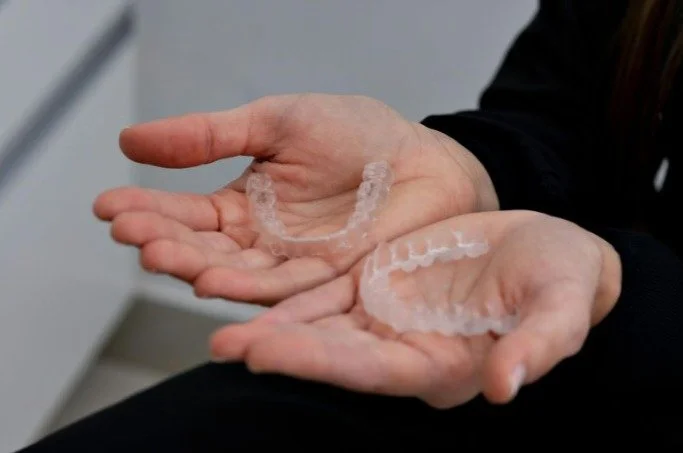
A key aesthetic benefit is the nearly invisible nature of the aligners themselves. According to this experienced kids dentist in Las Vegas NV, unlike metal brackets and wires that are often seen as a cosmetic drawback, Invisalign aligners are clear and virtually unnoticeable. This allows individuals to feel confident in their appearance throughout their entire treatment journey, without the self-consciousness often associated with traditional orthodontics.

The long-term benefits of Invisalign are notable. Aligned teeth prevent dental issues like uneven wear and facilitate easier maintenance of oral hygiene. With the addition of affordable retainers, this not only contributes to a healthier mouth but also preserves the natural appearance of teeth over time.

In conclusion, Invisalign is more than a pathway to straight teeth; it's a means to enhance overall facial aesthetics and boost confidence, making it an ideal choice for those seeking comprehensive aesthetic improvements.