The Benefits of Minimalist Fashion

Minimalist fashion is among those trends that assimilate simplicity with functionality, allowing an individual to express his or her style without clogging up either their wardrobe or life. At the core of minimalist fashion is a focus on quality over quantity, a stress on timeless pieces that could be mixed and matched for multiple occasions. This approach not only makes dressing and undressing a whole lot easier but also contributes to a greener lifestyle with reduced demand for fast fashion and its devastating environmental outcomes. It is in the minimalist wardrobe that one gets to create a style that is stylish yet purposeful.

Simplified Decision-Making

The major advantage of minimalist fashion is that it does not make a person invest too much time in decision-making. The well-curated wardrobe means one doesn't need to go through scores of clothes in choosing what to wear. Minimalist fashion is the intentional use of selected pieces to offer a chance for several combinations, thereby creating different looks. Such simplicity ensures ease of morning routines and frees up space in one's mind to ensure other important aspects of the day are catered for. When the wardrobe is refined down to just the essentials, getting dressed stops being a chore but more of a joyful thing. This may make for less hectic and hence more enjoyable mornings.

Investing in Quality

Another great benefit of fashion minimalism is an investment in quality materials and craftsmanship. Rather than taking the bait for cheap, trendy items, minimalist fashion encourages the purchase of well-constructed items that can last a long time. Attention to quality means items will last longer and, if lucky, can translate into saving money over time since one does not have to replace as many garments. In addition, high-quality fabrics tend to be more comfortable and usually more flattering, adding to the overall quality of the wearing experience. A long-term fashion investment of a well-tailored blazer or classic jeans becomes seasonless pieces, and this is another plus for the logical outcome in the fashion sustainability perspective.

Imagination and Individuality

Another great thing about minimalist fashion is that it fosters creativity and individualism. By limiting the amount of available choices of clothes, in effect, a person will be able to experiment with personal style and make bold choices in accessorizing. For instance, turning a plain outfit into jazzy chic by utilizing such quirky accessories like statement jewelry or chic nose rings can create self-expression without cluttering up the overall look. This ability to showcase each one's taste while keeping the aesthetic clean will be what sets minimalist fashion apart from a world of overflow and screaming trendiness.

Clarity and Organization

Aside from being a reflection of personal expression, minimalist fashion creates a sense of clarity and organization. A decluttered wardrobe does not just create space physically but also outgrows a more peaceful mindset. Once the closets are filled with only things that bring joy and serve a purpose, it somehow tames that overwhelming feeling that normally comes with such a space. Order, like such, is likely to transcend mere clothing and trickle into other aspects of life since one often finds themselves being more conscious with their choices and living only with what is truly important.

A Positive Impact on the Environment

Minimalist fashion can have a positive impact on the environment. Fast fashion is known for its waste and pollution it contributes to. Choosing a few well-made products may reduce one's ecological footprint effectively. Minimalist fashion boasts sustainability by supporting ethical brands and practices through awareness among the consumers about their purchases. The effect of such a shift in thinking will hence provide an approach that is much more conscious towards consumption and contribute to the healthiness of the planet for times to come.

Minimalist fashion goes beyond aesthetics to give a list of benefits: simplicity, quality, creativity, organization, and sustainability. By taking care of these aspects, one may develop a style that mirrors the values of an individual while allowing him or her to live a more fruitful life. As more and more people say, "Less is more." Fashion is soon going to take a drastic turn toward being more meaningful and strategic in dressing.


The Importance of Understanding Canada’s Immigration Categories

Canada is among the countries that are considered more open to immigration owing to its friendly immigration laws and the different ways one can start a new life, either single or with family members. Furthermore, it is often very difficult to obtain a realistic understanding of Canadian immigration law. This will provide the applicant with the best avenue towards their specific situation through knowledge of the various immigration categories. The guide will highlight the main categories of immigration in Canada and give insight to applicants that helps make informed decisions.

Economic Class Immigration

One of the major avenues through which immigration to Canada takes place is via the Economic Class. This class was developed to attract qualified workers who would add to the economy of the country. Specific programs falling into this category include the Federal Skilled Worker Program, Federal Skilled Trades Program, and the Canadian Experience Class. Most such programs have set different eligibility criteria that include work experience, education, language ability, and age. Such programs are led through an Express Entry system using a points-based method of selection. Therefore, applicants must possess a good understanding of how their skills and qualifications fit within various program requirements to maximize their chances of being selected for an invitation to apply.

Family Class Immigration

Family reunification is one of the very pillars of immigration policy in Canada, whereby residents and Canadian citizens may sponsor, within the category known as Family Class, their family members: spouses, common-law partners, dependent children, and other qualified relatives. Applications for this process should be made in a manner so that the sponsors are found capable of supporting them financially, without their being on social assistance. Family sponsorship may be very complicated; hence, it is of essence that the applicants understand the intricacies in detail and follow all the requirements for completeness to avoid delays or refusals.

Refugee and Humanitarian Protection

Canada also offers possibilities for individuals who must be protected from persecution or harm in their home country. In this class of Refugee and Humanitarian Protection, government-assisted refugees and privately sponsored refugees are included. It means that the applicant must prove that he or she is a refugee within the meaning of the Immigration and Refugee Protection Act. This class is very important to people who have to flee conflicts, violence, or any oppression, and the requirements and process involved need to be put into perspective in relation to a successful application. An individual would be advised to seek the services of an immigration lawyer to go through the technicalities involved in this category.

Study and Work Permits

Those who intend to live temporarily in Canada may be issued study and work permits. Those who want to study in an accredited educational institution may apply for a study permit; likewise, those who want to work in Canada may apply for a work permit. Each of these has their requirements and uses. It becomes fundamental to explain the distinction existing between open and closed work permits, conditions relating to study permits, as well as observing the stipulated requirements, so that any potential problems because of the process are avoided.

Permanent Residence Options

The final options are for permanent residence. There are also Provincial Nominee Programs, which allow each province and territory to select their nominees based on the needs of their respective local labour markets. Other programs are more location-based, such as the Atlantic Immigration Pilot or the Rural and Northern Immigration Pilot. The details of how to pursue these avenues are very involved, and any individual applicant should consult an immigration attorney for personal consultation and representation.

The key to starting one's journey into this diverse country is in understanding the different categories of immigration to Canada. They can also understand the economic class, family class, refugee and humanitarian protection, study and work permit, and permanent residence options. Second, any changes to immigration policies and requirements are pursued in order for these to have implications on eligibility and application processes. An applicant should seek professional guidance so that further understanding of the system of Canadian immigration is hard.

Optimizing Warehouse Spaces with the Right Illumination Strategy

Ever walked into a warehouse and thought it resembled the setting of a suspense thriller, complete with shadowy corners and dimly lit aisles? Well, you're not alone. 

Warehouse managers across the globe are often tasked with transforming these cavernous spaces from dim and daunting to bright and inviting. 

But why does lighting matter so much, and how can you brighten your warehouse without turning it into a strobe light party?

Why Lighting Matters More Than You Think

Lighting isn't just about visibility. It’s about safety, productivity, and even your energy bills. 

Poor illumination can lead to accidents, and let's face it, no one wants to trip over a pallet of rubber ducks. 

Proper lighting helps workers see clearly, reducing errors and increasing efficiency. Imagine assembling an IKEA shelf in pitch darkness. That’s right, not ideal.

A Touch of Safety, A Dash of Productivity

Inadequate lighting can turn your warehouse into a safety hazard. Obstacles become invisible, labels unreadable, and the risk of accidents skyrockets. 

Adequate lighting ensures that workers are not straining their eyes or squinting like they're trying to catch a glimpse of a solar eclipse. 

Brightly lit spaces make for happier, more productive workers, and who wouldn't want that?

Saving the Planet and Your Wallet

Besides boosting morale and productivity, good lighting can help save on energy costs. Switching to LED lights, for instance, can significantly reduce your energy consumption. 

LEDs are like the marathon runners of the lighting world—they last longer and consume less energy. Plus, they don't get hot enough to fry an egg, unlike some traditional lighting options.

Types of Lighting to Consider

Choosing the right type of lighting for your warehouse is crucial. It's a bit like choosing the right kind of cheese for your sandwich—get it wrong, and it spoils the whole experience.

LEDs The Hardworking Heroes

LED lights are the all-stars of the lighting world. They’re energy-efficient, long-lasting, and come in various forms. 

Whether you need floodlights for large open spaces or task lights for specific areas, LEDs have got you covered. 

And let's not forget their ability to emit bright, consistent light without flickering like an outdated fluorescent tube.

Fluorescent Lighting The Old Reliable

Fluorescent lights have been around the block a few times and are a staple in many warehouses. 

They're affordable and efficient but can be a bit finicky with their flickering tendencies. 

However, newer models have improved significantly, offering steady, bright light perfect for most warehouse lighting needs.

Metal Halide and High-Pressure Sodium

These types of lighting are your heavy-duty options, ideal for spaces needing intense, broad-spectrum illumination. 

They're often used in large warehouses and outdoor spaces. While they provide ample light, they can take a while to reach full brightness, much like waiting for a kettle to boil.

Designing Your Lighting Layout

A well-thought-out lighting layout is essential for illuminating every nook and cranny of your warehouse. It’s not just about hanging bulbs willy-nilly; it requires careful planning.

Understanding Your Space

Start by assessing your warehouse. Consider the size, ceiling height, and layout. An open-plan warehouse will require different lighting compared to one with rows of shelves. 

Understanding your space helps in determining the number and type of lights needed.

Layering Light for Maximum Effect

Think of lighting your warehouse like frosting a cake. You want to layer your lighting to ensure even coverage. 

Use a combination of overhead lights, task lights, and accent lights to create a well-lit environment. 

Overhead lights provide general illumination, task lights focus on specific areas, and accent lights can highlight particular zones or features.

Avoiding Shadows and Glare

Nothing ruins a perfectly good lighting setup like unwanted shadows and glare. Ensure your lights are positioned to minimize shadows, especially in high-traffic areas. 

Opt for fixtures that diffuse light evenly, avoiding harsh glare that can cause discomfort and eye strain.

Choosing the Right Color Temperature

Color temperature is more than just a fancy term; it affects how the space feels and functions. 

Warmer tones (think yellowish) create a cozy atmosphere, while cooler tones (bluish) are better for task-oriented spaces like warehouses.

The Goldilocks Zone of Color Temperature

Aim for a color temperature between 4000K and 5000K for your warehouse. 

This range offers a bright, neutral white light that's neither too harsh nor too dim. It’s the Goldilocks zone of lighting—just right for most tasks.

Consistency is Key

Maintain a consistent color temperature throughout your warehouse to prevent areas from looking disjointed. 

Mixing different temperatures can create visual confusion and detract from the overall ambiance.

Maintenance Tips for Long-Lasting Illumination

Once you’ve set up your ideal lighting strategy, don’t forget about maintenance. Regular upkeep ensures your warehouse stays well-lit and energy-efficient.

Regular Cleaning and Inspection

Dust and grime can accumulate on light fixtures, reducing their effectiveness. Regular cleaning helps maintain brightness. Conduct periodic inspections to identify any flickering or dimming issues early on.

Scheduled Replacements

Even the most durable lights have a lifespan. Keep track of installation dates and plan for replacements before they burn out completely. 

This proactive approach prevents unexpected outages and keeps your warehouse consistently lit.

Energy Efficiency Assessments

Periodically assess your lighting system for energy efficiency

Technology evolves quickly, and newer, more efficient options frequently become available. Upgrading your system can result in significant energy savings over time.

Optimizing your warehouse space with the right illumination strategy is more than just a bright idea—it’s essential for safety, productivity, and efficiency. By understanding your space, choosing the right lighting types, and designing an effective layout, you can transform your warehouse into a well-lit, welcoming environment.

Importance of Periodic Car Detailing for Places with Erratic Climate Conditions

Some Canadian cities, including Calgary, have pleasant climates, but the erratic temperature shifts can catch people unaware! The summer months get pretty warm, while winter temperatures go way lower than the freezing point, accompanied by occasional heavy snowfall. Car owners must focus on maintenance in regions with extreme temperature shifts. Calgary residents opt for specialized car wash and detailing services to keep their cars in shape amidst shifting temperatures and humidity.

Why are car detailing services necessary in Calgary?

Cars are exposed to a massive shift in temperature over various months. On winter days, city roads are sprinkled with salt to reduce ice formation. This can prove detrimental to the car's paint and exterior, aggravate corrosion and deterioration of paint, and cause maximum damage to the lower body panels. 

In summer, cars are exposed to significant UV rays, which affect the longevity of the exterior paint. Wind blasts can also lead to sudden temperature changes, further damaging the vehicle's exterior longevity. 

The erratic weather pattern in Calgary damages car parts, paint, rubber, and tires. Regular car washing is often inadequate for proper maintenance, so residents opt for quality car wash and detailing services. 

The importance of vehicle detailing services

In Calgary, specialized entities offer extensive car exterior and interior detailing services. These services ensure the longevity of the vehicle parts and enhance the usage experience greatly. 

  • In the exterior detailing package, a protective wax coat is applied to the vehicle paint layer. This helps safeguard the vehicles from the corrosive impact of snow and salt in the winter months. 

  • For vehicles used frequently, these agencies apply specialized paint sealants for sunlight protection.

  • Top agencies offering car wash detailing Calgary services also offer extensive underside cleanup. This cleans the vehicles underside of debris, snow, and dirt. 

  • The tires are cleaned of debris and corrosive materials.

  • The wheels are also lubricated and cleaned extensively to enhance longevity.

  • The interiors are also covered under detailing services. The vehicle upholstery is given a UV-resistant coating, and the carpets are thoroughly cleaned. 

What is the ideal frequency of car detailing?

Ideally, vehicle owners in Calgary opt for detailing and cleaning services before the onset of winter or summer months. However, it also depends on the type of usage a vehicle is subjected to. 

Significant benefits of periodic car detailing

The benefits of vehicle detailing and cleaning are numerous. 

  • It helps safeguard the parts from corrosion and paint fading.

  • It helps owners get better resale value on their vehicles. 

  • The owners spend less on maintenance in the long run. 

  • Interior detailing ensures owners can enjoy the ride experience and avoid exposure to dirt and dust. 

Hiring the best agency for car detailing and cleanup

Several entities in Calgary are offering car care and detailing services. The owners should check the portals of these agencies carefully to assess their level of expertise and client reviews. A consultation will help them fathom the viability of such agencies. 

What are you waiting for? Get in touch with the experts and get the needful done. 

How to Choose the Perfect Ceiling Fan for Your Home

Creating a comfortable atmosphere in your home involves many aspects of interior design, and one piece that often gets overlooked is the ceiling fan. Not only do ceiling fans offer practical benefits like cooling, but they also add style and flair to any room. Understanding the essential features and considerations can simplify the decision-making process. This guide explores what to consider when choosing a ceiling fan that perfectly complements your home interior.

Choose the Right Style and Design

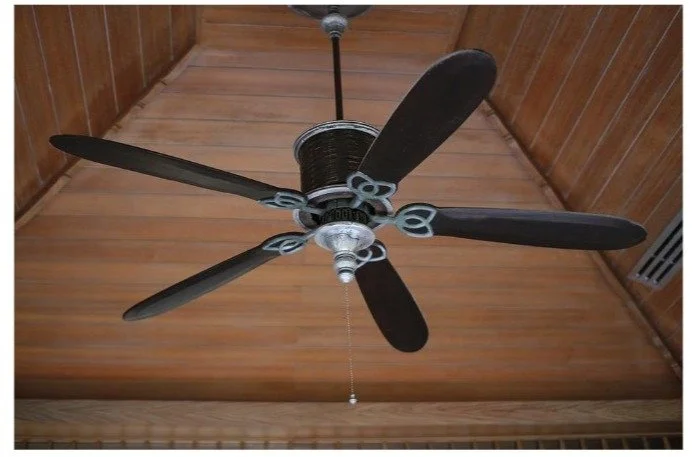
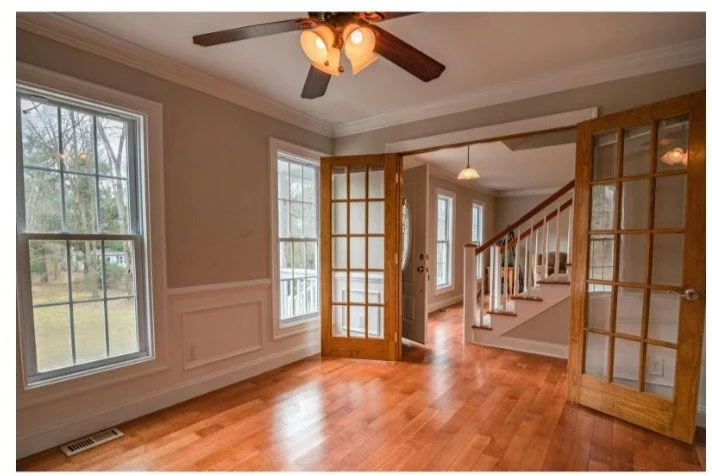
Ceiling fans serve as both functional appliances and decorative elements in your home. In this case, a ceiling fan with lights can serve a dual purpose, providing illumination while circulating air. You can also opt for wooden blades for a warm, classic look or metallic trims for a more contemporary vibe. The design should harmonize with your existing furniture and fixtures. A ceiling fan that complements your decor can enhance the overall aesthetic, making it a focal point of the room rather than an eyesore, elevating your interior design significantly. Consider browsing through catalogs or visiting showrooms to see fans in person and understand how they will look in your space.

Consider Your Room Size

Another primary step in selecting a ceiling fan is assessing the size of the room where it will be installed. Fans come in various dimensions, and the size directly impacts their efficiency. For rooms smaller than 100 square feet, a fan with a blade span of 36 inches or less is ideal. If your ceilings are exceptionally high, consider using a fan with a longer down rod to ensure optimal air circulation. A smaller fan in an ample space may work harder than necessary, leading to inefficiency. This is why knowing the exact measurements of your room helps you find the perfect ceiling fan that looks great and functions to your satisfaction.

Evaluate Airflow and Efficiency

Airflow and efficiency are critical factors when selecting a ceiling fan. The airflow capacity of a fan is usually measured in cubic feet per minute (CFM). Generally, fans that produce a higher CFM will move more air and cool the room more effectively. Additionally, it would help if you considered the fan's energy efficiency. Look for energy star-rated ceiling fans, which indicate that the fan can deliver optimal airflow while consuming minimal energy. The blades' pitch also influences how much air moves; a steeper blade angle can enhance airflow. To maximize the efficiency of your ceiling fan, consider installing it in conjunction with vents or air conditioning systems to improve circulation. Proper placement and setting allow a ceiling fan to lower energy bills.

Accessibility and Controls

Selecting a ceiling fan with accessible controls is essential for ease of use. Most fans offer pull chains, wall switches, or remote controls. Remote controls add convenience, especially for fans mounted in rooms with high ceilings or hard-to-reach areas. Numerous modern fans also come equipped with intelligent technology, allowing you to control the fan using a smartphone app or voice-activated devices. Installing a wall switch can provide a more integrated feel, allowing easy access without dealing with chains. Regardless of the control method, ensure it is easy to operate and fits your lifestyle. This consideration will maximize your enjoyment of the ceiling fan while adding functionality to your space.

Noise Level of the Fan

Noise is another crucial factor that can easily affect your comfort level in a room. Some ceiling fans operate quietly, while others can produce undesirable humming or rattling sounds. When selecting a fan, it's essential to check the manufacturer's specifications for noise ratings. Fans with solid construction, including quality motors and balanced blades, tend to operate more quietly. If you plan to install a fan in a bedroom or a study, noise level becomes even more critical. Before deciding, test the fan's noise level in a showroom. Additionally, fans explicitly designed for low-noise operation are an excellent choice for quieter spaces, allowing you to enjoy the cool breeze without distracting sounds.

Installation Considerations

While some homeowners opt for DIY installation, others may prefer hiring a professional electrician, especially if the electrical wiring is outdated or structural adjustments are required. Ensure the mounting area is secured and wired appropriately to handle the fan's wattage. Also, consider the fan's location relative to the ceiling, as alignment affects visual appeal and functionality. For fans in rooms with vaulted ceilings, long down rods may be necessary for proper airflow. Proper installation guarantees not just performance but also safety during use. If you are unsure, seek guidance from an installation professional to ensure the correct setup.

Seasonal Functionality

Many ceiling fans are designed with seasonal functionality in mind. This feature allows users to alternate the direction of the blades, which can impact the cooling or heating of the space. During the summer, the blades should rotate counterclockwise to create a cooling breeze, which helps lower perceived temperatures. Conversely, switching the fan's direction to clockwise in the winter can help distribute warm air that rises to the ceiling back down to the living area. This two-way functionality not only improves comfort year-round but also enhances energy efficiency. Fans with reverse settings are often marked, but ensuring this option exists before making a purchase is worthwhile. Maximizing your fan's functionality can lead to significant energy savings throughout the year.

Budget Considerations

When setting out to purchase a ceiling fan, budget constraints will inevitably play a significant role in your decision. Fans are available at various prices, influenced by brand, design, and features. Basic models may start at $30, whereas more luxurious options can exceed $500. It's important to balance cost with quality; a cheaper fan might offer something other than long-lasting durability or performance. Set a budget that allows you to explore good quality options that meet your needs without stretching your finances too thin. You can often find quality fans at mid-range prices; thus, focusing on reliability, features, and energy efficiency may yield the best long-term value.

As energy conservation becomes increasingly important, the role of energy-efficient products cannot be overstated. Selecting a ceiling fan that is energy efficient can significantly contribute to a reduced carbon footprint. They also enable homeowners to create a comfortable indoor environment while being conscious of energy use and environmental impact. Choosing sustainable materials when buying your ceiling fan adds to the overall positive effect. Understanding and prioritizing energy efficiency in home appliances enhances your living space and the more excellent environment.