Maintaining Consistent Temperatures Throughout Your Home
A home that holds steady, comfortable temperatures in every room supports daily routines, restful sleep, and care of furnishings. Temperature swings from one space to another can cause frustration, rising utility bills, and wear on heating and cooling equipment. Many homeowners accept uneven comfort as normal, yet consistent indoor conditions come from thoughtful planning, steady upkeep, and attention to airflow. Understanding how heating and cooling systems interact with insulation, layout, and daily habits brings better control over indoor comfort. The sections below explore practical approaches that help maintain balanced temperatures throughout an entire home, focusing on maintenance, system design, airflow, insulation, smart controls, and professional support.
Routine HVAC Maintenance for Steady Comfort
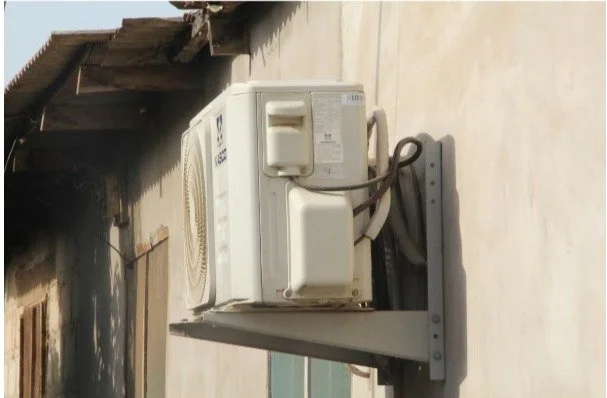
Regular maintenance stands at the center of consistent indoor temperatures. Heating and cooling systems rely on clean components, accurate settings, and reliable airflow. Homeowners often overlook seasonal tune-ups, yet these visits catch minor issues before they disrupt comfort. A technician can calibrate thermostats, examine duct connections, and clean internal parts that homeowners cannot reach. Many residents seek guidance from Florida HVAC experts during these visits, since regional climate patterns shape maintenance needs, and proper maintenance keeps equipment running evenly across the home without sudden spikes or drops in temperature. Establishing a maintenance schedule brings predictability and steadiness that daily thermostat adjustments cannot match.
Airflow and Ductwork Design
Balanced airflow plays a central role in maintaining similar temperatures from room to room. Air travels through a network of ducts, vents, and returns, and any imbalance along this path affects comfort. Leaky ducts allow conditioned air to escape into attics or crawl spaces, reducing supply to living areas. Blocked vents, furniture placement, and closed doors further disrupt circulation.
Proper duct sizing matters too. Oversized ducts can slow air movement, leaving distant rooms unconditioned. Undersized ducts create pressure that strains equipment and leads to noisy operation. Return vents deserve equal attention, since air must flow back to the system for continued circulation. A thoughtful airflow plan supports even delivery of heated or cooled air across the entire home, reducing hot or cold spots without constant adjustments.
Insulation and Sealing Strategies
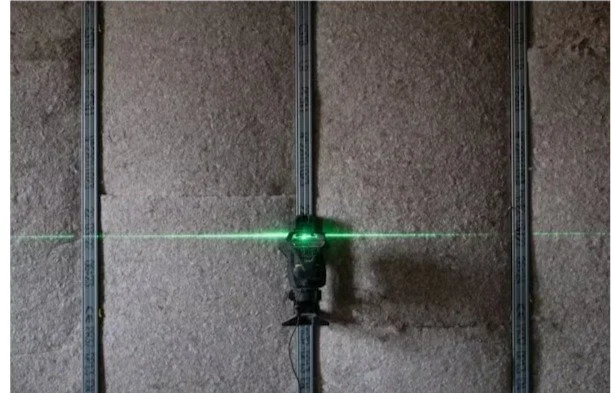
Insulation acts as a barrier between indoor spaces and outdoor conditions. Without adequate insulation, walls and ceilings allow heat transfer that changes room temperatures throughout the day. Attics, exterior walls, floors over garages, and crawl spaces often need inspection. Gaps around windows, doors, and utility penetrations permit air leakage that undermines temperature control.
Sealing these gaps with weatherstripping or caulk limits unwanted air exchange. Insulation materials vary, from fiberglass batts to spray foam, each offering different benefits depending on location. Proper installation matters as much as material choice. A well-insulated home holds conditioned air longer, giving heating and cooling systems a stable environment to maintain even comfort across rooms.
Zoning Systems and Smart Controls
Modern control options provide greater flexibility for managing indoor temperatures. Zoning systems divide a home into areas with separate controls, allowing different settings for sleeping spaces, living areas, and workspaces. Motorized dampers within ducts direct airflow based on thermostat signals, reducing temperature variation between zones.
Smart thermostats bring scheduling, remote access, and learning features that adapt to household routines. These devices track usage patterns and adjust output gradually, avoiding sudden shifts that create discomfort. Sensors placed in various rooms report temperature data, helping the system respond to actual conditions rather than a single hallway reading. With thoughtful setup, zoning, and smart controls support a steady climate is supported that fits daily life.
Common Causes of Uneven Temperatures
Understanding why temperature differences occur helps homeowners address them effectively. Several factors contribute to uneven comfort, and recognizing these patterns guides practical solutions.
Sun exposure affects rooms with large windows, raising temperatures during daylight hours.
Poor insulation allows heat transfer that shifts room conditions throughout the day.
Aging equipment may struggle to distribute air evenly across the home.
Blocked or closed vents limit airflow to certain areas.
Home additions sometimes connect to existing systems without proper adjustments.
Addressing these causes often requires a combination of insulation improvements, airflow adjustments, and system evaluation. Small changes in each area can bring noticeable improvements in comfort.
Working With Qualified HVAC Professionals
Professional guidance supports temperature consistency. Experienced technicians assess systems holistically, reviewing equipment performance, duct layout, insulation levels, and control settings. Their training allows them to identify subtle issues that homeowners may miss, such as pressure imbalances or calibration errors.
Regular service visits build a relationship with a trusted provider who understands the home’s layout and history. This familiarity leads to tailored recommendations that align with household needs and climate conditions. Professional support brings confidence that the system operates efficiently and maintains steady comfort throughout changing seasons.
Maintaining consistent temperatures throughout a home requires attention to many interconnected elements. Routine maintenance keeps heating and cooling equipment operating smoothly. By focusing on these areas, homeowners create an environment where every room feels comfortable, energy use stays predictable, and the home supports daily life with reliable indoor conditions.