Strengthening Property Against Weather Damage
Weather patterns continue to test buildings through high winds, heavy rain, hail, heat swings, and cold snaps. Property owners face rising repair costs and longer recovery times when protection measures fall short. Strengthening a structure against weather damage calls for thoughtful choices across every exterior element, from the roof line down to the foundation. A resilient property protects occupants, preserves value, and reduces interruptions to daily use. This guide explores practical strategies that support durability through smart materials, careful design, and consistent upkeep.
Roof Systems Built for Harsh Conditions
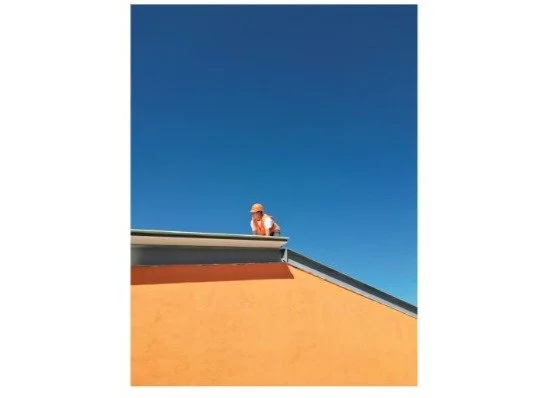
The roof stands as the first line of defense against rain, snow, wind, and debris. A well-designed system manages water flow, resists uplift, and tolerates impact without rapid wear. Material selection plays a central role, with metal panels, architectural shingles, and membrane systems offering different strengths. Professional installation supports tight seals around penetrations and edges. During planning, property owners often evaluate residential & commercial roofing options with wind ratings and impact resistance, a choice that sits at the core of protection. Ventilation, flashing quality, and regular inspections add another layer of reliability, limiting hidden damage after storms.
Durable Exterior Walls and Cladding
Walls absorb constant exposure to sun, rain, and temperature shifts. Siding and masonry choices shape how a building handles that stress. Fiber cement, brick, and stone veneers resist warping and hold up under driving rain. Proper fastening patterns reduce the chance of panels loosening during wind events. Weather barriers behind the cladding manage water that slips past the surface, guiding it downward without reaching the framing. Paints and sealants rated for exterior use extend service life by limiting cracking and peeling. Together, these elements form a shield that preserves structural integrity through changing seasons.
Windows and Doors That Withstand the Elements
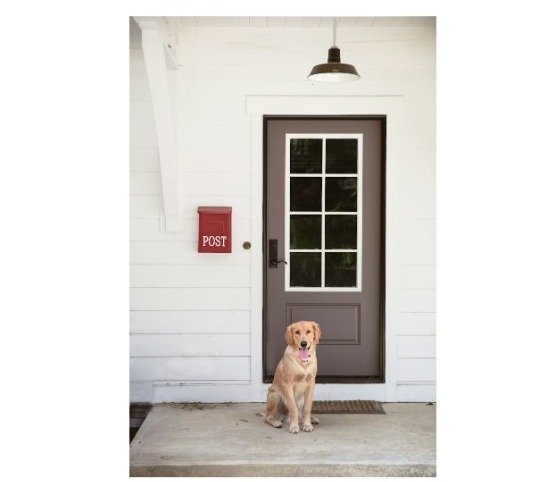
Openings present natural weak points during storms. High-quality windows and doors counter that risk through reinforced frames, laminated glass, and secure locking systems. Impact-rated products protect interiors from flying debris during severe weather. Tight weatherstripping blocks drafts and water intrusion during heavy rain. Installation precision matters as much as product choice, since gaps invite leaks and air loss. Regular checks for worn seals and hardware alignment keep these components performing as intended year after year.
Managing Water Through Drainage and Grading
Water causes more property damage than any other weather factor. Directing it away from the structure reduces pressure on foundations and limits erosion. A clear drainage plan includes roof runoff control and ground shaping that moves water outward.
Gutters sized for local rainfall patterns prevent overflow
Downspouts extended away from the foundation reduce pooling
Sloped grading guides surface water toward safe discharge points
Permeable surfaces limit runoff buildup near walls
Regular clearing of debris keeps systems flowing freely
This coordinated approach keeps moisture from lingering near vulnerable areas.
Structural Reinforcements for Wind and Seismic Stress
The structural frame of a building often determines how well it handles extreme forces such as high winds and ground movement. Reinforcing the connections between the roof, walls, and foundation significantly improves overall stability. Techniques like hurricane straps, anchor bolts, and shear walls distribute forces more evenly, reducing the risk of structural failure. These reinforcements are particularly valuable in areas prone to hurricanes, tornadoes, or earthquakes, where the building can be subjected to sudden lateral pressure. Retrofitting older structures with modern connectors can make a noticeable difference, often extending the lifespan of the property and providing peace of mind during severe events.
Load paths are another key aspect of structural resilience. Engineers examine how forces travel through the building, ensuring that stress does not concentrate in a single weak point. Properly designed reinforcements allow walls and roof systems to work together, absorbing and transferring energy safely through the frame. This coordination helps prevent cracking, bowing, or separation at critical joints. When combined with other weatherproofing measures, these structural upgrades create a hidden but essential layer of defense that strengthens the property against both wind and seismic activity.
Preparedness Through Maintenance and Planning
Resilience grows from consistent care. Scheduled inspections reveal minor issues before they grow into major failures. Clearing roof valleys, trimming overhanging branches, and checking sealants keep protective systems ready for the next storm. Emergency plans add another layer of readiness, guiding occupants on safe actions during severe weather. Insurance reviews and documentation of improvements support a smoother recovery when damage occurs. Planning paired with upkeep creates confidence in the property’s ability to face future challenges.
Strengthening a property against weather damage involves coordinated attention to every exterior and structural element. Thoughtful material choices, skilled installation, and steady maintenance work together to reduce risk. From the roof overhead to the ground below, each improvement adds resilience and longevity. Property owners who invest in these strategies gain a safer, more reliable building that stands firm through shifting weather conditions.