The Art Of Negotiation: How To Boost Gross Profit Margin As A Realtor

It’s safe to say that few, if any, realtors want to receive calls or emails from sellers looking to negotiate agent commission fees. Varying between five and 17 percent, real estate commission is one of the highest costs associated with property sales. So, it’s understandable that many sellers would be happy to pay a lower commission, even if only a third of them try to lower their agent’s fees. 

Often, even the best realtors won’t budge when faced with negotiation requests, as they’re concerned about their own profit margins. But it doesn’t need to be this way. As a realtor, you can use the art of negotiation to give your client what they want while still managing to boost your gross profit margin.

Be Open to Negotiation

We’re tempted to say that commissions being 100% negotiable is one of the industry’s best-kept secrets. While realtors are aware of this, most sellers don’t know that negotiating real estate commission is legal throughout the U.S. 

Even if the prospect of negotiating a lower commission fee with the seller is something you would prefer not to do, it can be in your best interest. After all, you would prefer to accept a slightly lower commission than lose business to a competitor. Plus, receiving a slightly lower commission doesn’t mean you can’t score in other ways, ultimately boosting your gross profit margin later. Let’s take a look at how you can do that successfully.

Negotiate With a View to Lowering Your Expenses

As realtors know, you incur various behind-the-scenes expenses when selling someone’s property for them. Among these expenses are things like association dues, gas, home staging, licenses, marketing (print, social media, etc.), MLS listing fees, office expenses, parking, photography, taxes, and videography.

Sellers who have done their homework know that they can use these associated expenses in their negotiations with you. Even if they aren’t aware of those expenses, you can mention them in your negotiations with sellers looking to reduce commission, going as far to suggest that you would be willing to offer them a lower commission if they’re prepared to contribute toward lowering those expenses.

As a realtor, you don’t need to handle all those expenses yourself. If your client is happy to take on some of them, you can save time and money. This allows you to direct the time and energy you would have spent on those services into other tasks or into your dealings with other clients, which could result in another sale in which you earn your full commission. 

For example, the seller might be happy to cover your gas bill and parking fee when those costs are linked to their sale. They might also be happy to arrange for photographs and videos that you can use instead of you taking your own photos or videos of their property, and/or to handle as much of the social media marketing as they can manage.

More Negotiation Tips

Your negotiations with sellers to reduce realtor commission fees don’t need to be based entirely on lowering your expenses. When you know how to calculate profit margin, you know that it’s all about revenue. Your negotiations could lead to generating revenue from other sales. Let’s explore a few more tips.

Ask them to buy a house through you: If a seller wants to buy a house or other property in the same area, offer them a lower commission or a buyer’s rebate if they agree to purchase their next property through you.

Offer a lower commission if you find a buyer not working with an agent: If you find a buyer who isn’t working with an agent and enter a dual agency, you can earn listing and selling fee commissions. As attractive as this sounds, it can also increase your liability, as you need to be neutral to the seller and the buyer. If you don’t handle something correctly, the buyer and the seller potentially could sue for damages. 

You can avoid that scenario by acting as a transactional agent who only assists the buyer and seller with paperwork. Accepting the role of transactional agent and offering a lower commission to the seller means less work and fewer chances of bigger headaches later.

Ask them to make it easier for you to sell their home: When dealing with a seller who wants to negotiate a lower commission with you, consider lowering your commission fees if they make it easier for you to sell their home. The faster you can sell it, the less time and effort you need to put into trying to get it sold. 

Some of the things you can ask them to do is to list their home at the correct price (a price that will see it sell quickly rather than sit on the market, i.e., asking them not to overprice their home), to have their home staged professionally so that it looks good in photos and videos and on show days, and to be flexible about scheduling show days (ask them to install a lock box so you can have easy access to their house keys if they aren’t at home when you want to show a prospective buyer the property).

Offer a reduced commission if they want to sell on the off-peak market: If the seller wants to sell their home on an off-peak market, offer to reduce your commission, even if the reduction isn’t as low as they were hoping. Off-peak markets aren’t the best time of year for realtors or sellers, and it makes sense to retain a client rather than see them choose another realtor with a lower commission. 

Ask the seller for promise referrals: Let your client know that you’re happy to lower your commission fee if they promise to refer family, friends, and others in their wider circle to you if any of those people want to buy or sell real estate. While there’s no way of ensuring that your client will follow through, there’s a good chance that they will if they’re happy with paying a lower commission fee.

Negotiate To Win

As you can see, negotiating a lower realtor commission fee with a seller doesn’t need to mean a loss for you. Use the above tips for leverage in your negotiations and boost your gross profit margins in other ways.


5 Recent Trends And Innovations In Commercial Architecture

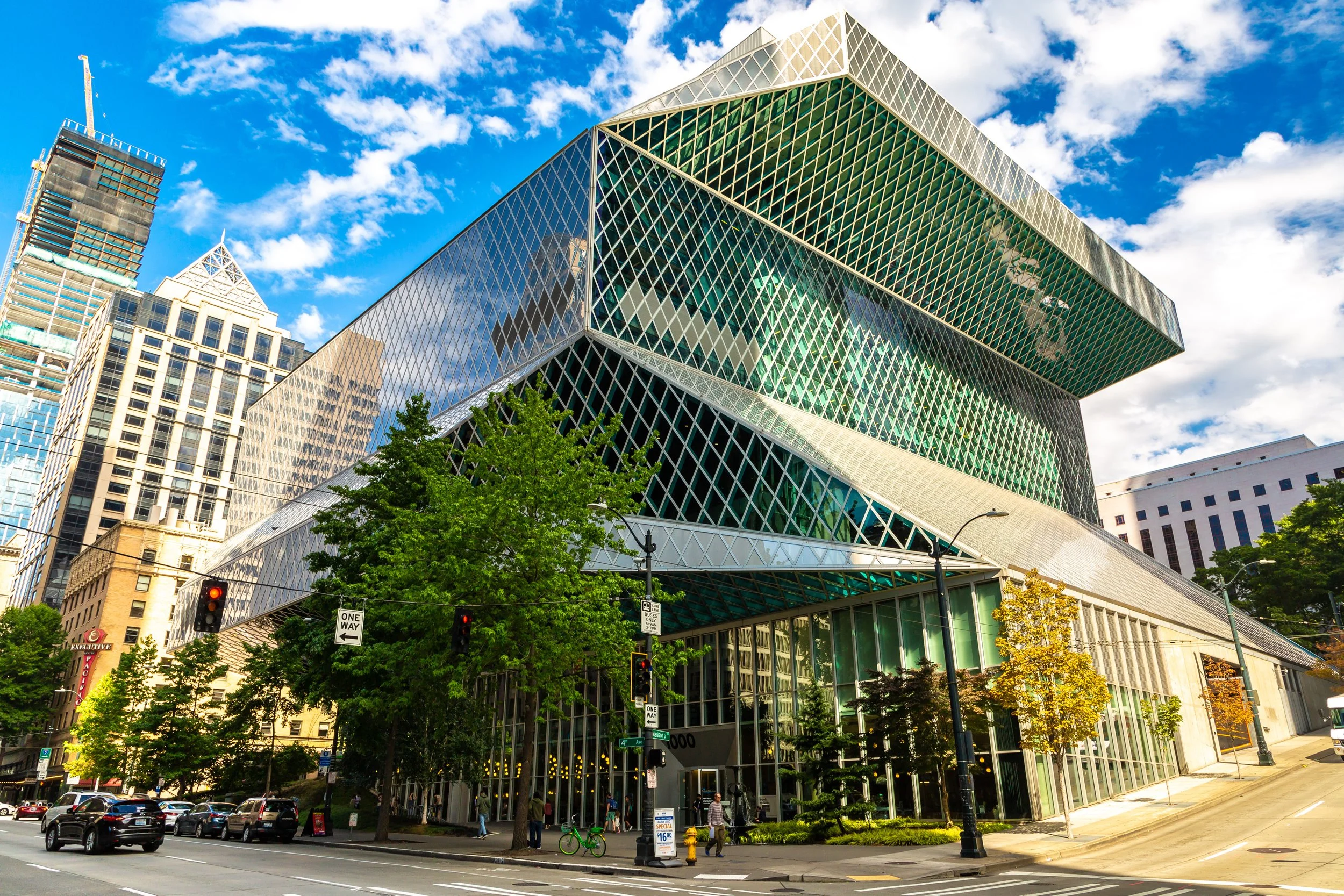
Commercial architecture aims to perfectly balance art and science in designing buildings and structures for business and organizational use. Thus, it’s responsible for creating functional and visually appealing buildings in various locations worldwide.   

Like the other primary industries, architecture has evolved in the last few years. It continues to revolutionize the way private and public spaces are designed. This article discusses the recent commercial architecture trends worth considering for your next building project.

Trend 1: Customized Office Solutions

Businesses and offices are run differently and have different design priorities; that’s why commercial architecture enables customized office solutions for their clients. Instead of traditional designs and commercial building layouts, some may prefer the modular office system, which offers high flexibility and scalability without sacrificing a building’s aesthetic appeal. 

Another solution is to design flexible office spaces that can be used for different purposes, depending on the company’s ever-changing needs. Staff members working in a flexible office space can choose which section they want to work in to boost productivity. In some cases, though, these unconventionally designed commercial spaces feature open floor plans.  

Trend 2: Integrating User Wellness In Design

Pre-pandemic, office workers spent many of their waking hours in the office. But besides having ergonomic office fixtures and regular checkups, their health and wellness weren’t a significant consideration in the design stage. 

This changed as more architects and interior designers turned to biophilic architecture to boost employees’ moods, cognitive performance, productivity, and morale. To the uninitiated, this building design approach incorporates nature and its natural elements to contribute to the occupants’ health and well-being.     

For instance, commercial buildings have integrated natural lighting, improved ventilation, and access to nature to promote wellness. Similarly, biophilic buildings use eye-calming color palettes and natural materials.      

Trend 3: Understanding Users’ Values And Behavior  

Psychographics is often recognized as a marketing term used in segmenting people according to their psychological variables. These include attitudes, lifestyles, values, and fears.

It may be far-fetched, but some building designers turn to occupants’ psychographics to help them with the design. More than just considering age and gender, this design consideration trend allows designers to understand how clients can optimize building use by studying what’s important to them and how they feel about working and simply being in the building. 

Trend 4: Green Buildings 

Creating sustainable buildings isn’t a new concept, but it has become more popular recently. Organic architecture is one of the strongest guiding principles for designing sustainable buildings, which aims to create structures that mesh with their natural surroundings. It focuses on the relationship between human habitats and their environment. As such, it considers the structure’s materials, purpose, and materials to create a cohesive design.          

We all know cement and steel production are the biggest contributors to greenhouse gas emissions. A sustainable design often integrates materials that reduce carbon emissions, waste generation, and durability. 

Green buildings often use eco-friendly materials, like recycled steel and wood, to reduce the negative impacts of manufacturing and construction on the environment. Moreover, you don’t have to start from scratch when designing a green building, as existing systems and structures can be redesigned to accommodate this trend.  

Sustainable structures are often designed to optimize energy efficiency and integrate water and resource conservation systems and recycling practices. These dramatically reduce operational costs while saving the planet. Take a look at some of these green living spaces in New York City. 

Trend 5: Technology Integration 

Smart technology is an emerging trend in home and commercial construction, and it’s only a matter of time before they find their way into commercial architecture. As such, it has enabled building designers to integrate innovative and responsive structures. 

Like smart homes, commercial buildings can offer an office environment dependent on user-controlled settings. With it, occupants can manage their environmental conditions, like light color, intensity, or temperature. Cited as the smartest building in the world, Amsterdam’s The Edge helps workers find a free desk and assists them in parking their vehicles as they arrive. The building has sensors measuring motion, humidity, light, and temperature.  

Many innovative solutions can be integrated into a commercial building project, and it’s up to the design planners to gather and use data correctly to make occupants and employees feel safe and comfortable in their workspaces.     

Conclusion

The commercial architecture industry has been experiencing some exciting changes lately, with many new and innovative designs being conceptualized and materialized. Despite the different emerging trends, there’s one common principle that doesn’t change for commercial architecture; and that’s focusing on social, environmental, and functional aspects of the project. Nevertheless, there’s never been a better time to build or renovate a commercial building.        

4 Qualities To Look For In Reliable Student Housing

Finding the right student housing is a crucial aspect of a successful college experience. The right accommodation can make all the difference, from academic success to personal well-being. A comfortable and convenient living space can provide students with the necessary resources and support to thrive in their academic pursuits while staying healthy both physically and mentally.

When choosing student housing, it's important to consider factors such as proximity to campus, amenities, and community. Below is a closer look at the qualities of reliable student housing that every incoming college student should look for.

1. Close To Campus

Proximity to campus is a crucial factor to consider when looking for the right student housing. Living close to campus can provide many benefits, such as convenience, cost savings, and access to resources. Student accommodation that's close or on campus means shorter commute times, which can be especially beneficial if you have early morning or late-night classes. Students who live close to campus also have more opportunities to engage in extracurricular activities like clubs, sports, and events.

Living close to campus can also save students a significant amount of time and money. Commuting to and from campus can be expensive, especially if you have to pay for parking or public transportation. By living close to campus, you can save on transportation costs and use that time and money for other activities or necessities.

In addition to convenience and cost savings, proximity to campus can also provide easy access to resources such as libraries, labs, and study spaces. Students who live close to campus have more flexibility in terms of scheduling their study time and can take advantage of these resources more easily. They can also easily reach out to professors and classmates for assistance or to collaborate on group projects. Visit this website or other on-campus student accommodation websites to learn more about the benefits of living on campus.

2. Clean And Comfortable Living Space

A comfortable living space is another essential factor to consider when looking for suitable student housing. As students spend a significant amount of time studying and working, it's crucial to have a space where they can relax and recharge. 

The cleanliness of the living space can play a significant role in your overall well-being, too, as a messy or unclean environment can contribute to stress and anxiety. Furthermore, a clean living space can provide a sense of peace and tranquility, which can help you focus on your studies and other activities.

Comfortable furniture, good lighting, and a pleasant ambiance are some factors that contribute to a comfortable living space. Thus, when selecting student housing, it's essential to consider how well-maintained and clean the living space is.

3. Amenitized

Amenities refer to the additional features and services offered in the living space beyond the basic necessities. These amenities can play a significant role in improving the quality of life for students and help them adjust to independent living. When searching for student housing, it's vital to consider the various amenities available and how they can benefit you.

One of the essential amenities to consider when searching for student housing is internet access. As students rely heavily on the internet for research, communication, and entertainment, having a reliable internet connection is crucial. Additionally, having access to high-speed internet can help you complete assignments faster, and stay connected with your peers and family.

Another important amenity to consider is laundry facilities. As students often have a busy schedule, having an on-site laundry facility can save them time and hassle. Additionally, having access to laundry facilities can help you maintain a clean and hygienic living environment.

Other amenities to consider include gym facilities, study areas, and security systems. Gym facilities can help students maintain their physical health and relieve stress, while study areas can provide a quiet and conducive environment for studying. Security systems can provide you with peace of mind, knowing that you’re living in a safe and secure environment.

4. Supportive Community

In addition to proximity to campus, clean and comfortable living space, as well as amenities, a supportive community is a vital quality of reliable student housing. Living in a supportive community can provide students with the necessary social and emotional support they need to thrive in their academic and personal lives. Therefore, when searching for student housing, it's crucial to consider the community's culture, values, and social activities.

One of the essential aspects of a supportive community is the presence of like-minded individuals who share similar interests and values. This can help you feel a sense of belonging and develop meaningful relationships, which can improve your overall well-being. Additionally, living in a supportive community can provide a sense of security and comfort, as students know that they have a support system in times of need.

Another crucial aspect of a supportive community is the availability of social activities and events. These activities can range from sports teams, clubs, and group outings, among others. Participating in social activities can help you develop new interests, learn new skills, and build confidence. Moreover, social activities can provide you with a break from academic pressures and help them relax and recharge.

Conclusion

Finding suitable student housing is crucial for a successful and fulfilling college experience. Proximity to campus, clean and comfortable living space, amenities, and a supportive community are essential factors to consider when choosing student housing. Living close to campus can provide convenience, cost savings, and easy access to resources, while a clean and comfortable living space can contribute to overall well-being. Amenities such as internet access, laundry facilities, gym facilities, study areas, and security systems can also improve the quality of life for students. Lastly, living in a supportive community can provide the necessary social and emotional support that students need to thrive in their academic and personal lives. Take the time to find the right student housing for you and set yourself up for a successful college experience.