How To Prepare A Shipping Container For Your Move

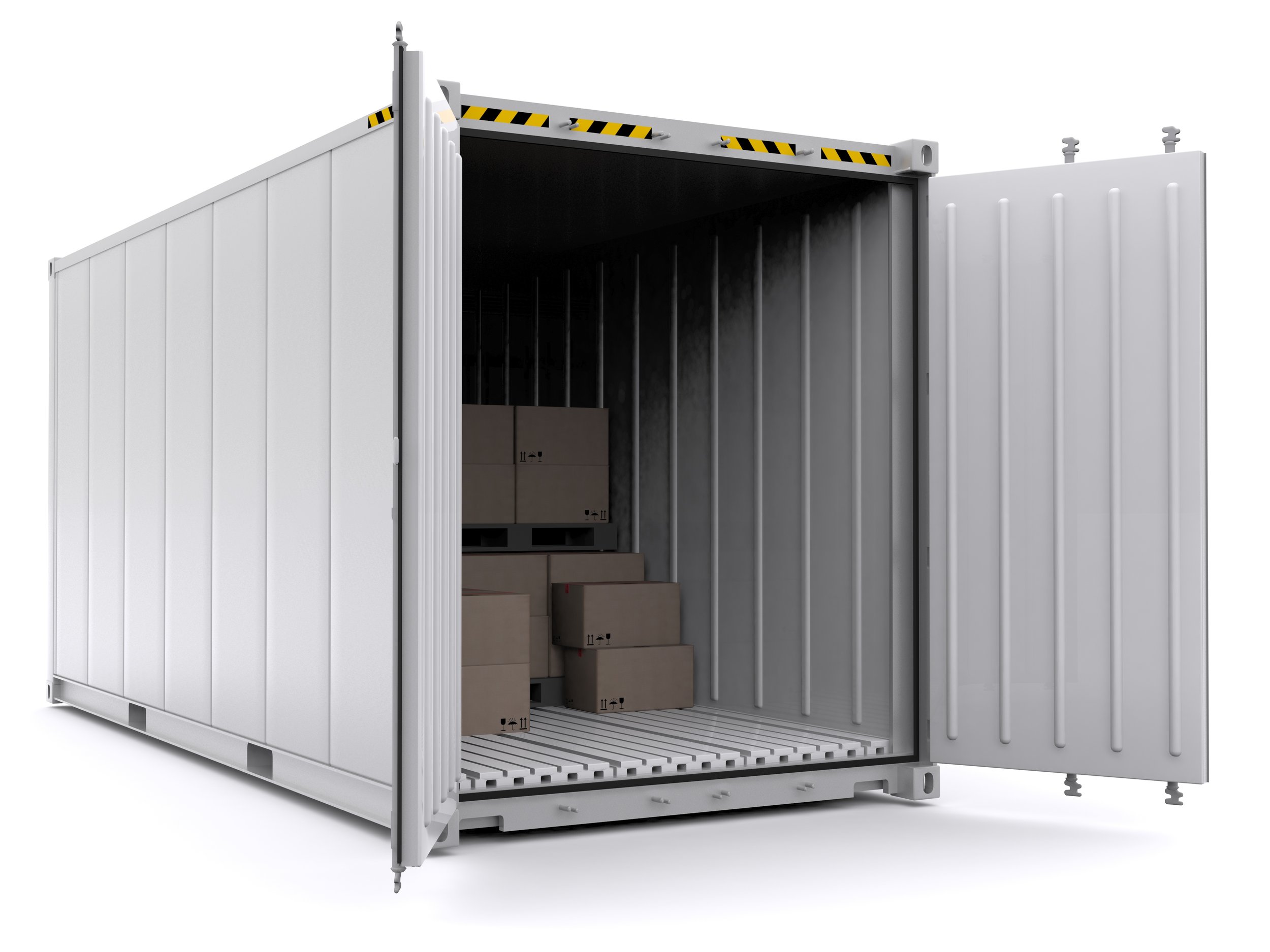
Planning a relocation using a shipping container is one of the most cost-effective and flexible methods of transporting your things to your new destination. That said, you can only reap the benefits of cargo delivery with proper preparation and packing prior to the move. This entails the correct and organized method of preparing the shipping container to be used. This also requires strategies to help you utilize the space and ensure the transit stage goes as smoothly as possible and that all your items arrive in one piece. 

On that note, here’s how to prepare a shipping container for your move.
1. Start Planning With A Checklist 

Using a checklist is the key to seamlessly preparing your shipping container and staying organized throughout your moving process. This list should include a schedule of tasks to complete at each stage of preparation and important information about your shipping items. These can be the number of items you’re moving, how much space you need, the weight of each item, and the loading order and methods of heavy objects. 

Doing this allows you to determine the resources you’ll need to prepare and hire a shipping container that’s large enough to fit your possessions. The 20ft containers can hold moving boxes of about a three-bedroom home, for instance. Furthermore, you’ll be able to manage the costs early on and set a budget for your move as well, then choose a suitable date to have your container transported. 

2. Gather Your Shipping Supplies 

Once your checklist has a detailed breakdown of your moving plan, you can start gathering your shipping supplies. These are the tools necessary to protect your contents from damage and the elements during storage and transit. They also make it easier to use the container space you have sufficiently. 

Most small to medium-sized cargo, such as books, clothing, and countertop appliances, can be packed into corrugated cardboard boxes. Larger items like your furniture, fridge, mattresses, and tables will need to be covered in plastic wrap and sheeting to keep them safe. 

Other supplies, including bubble wraps and moving blankets for fragile items like glassware and dishes, should also be prepared. To handle big objects with ease, you can hire a dolly, loading straps, and furniture pads. 

3. Prepare the Loading Area 

When your shipping container arrives, it’s essential to prepare your loading area. This will make it easier to transfer your cargo from your home inside the container and protect it from exterior damage and ensure it won’t block off access to public areas in your neighborhood. 

The container should be stored facing your garage or placed before your front door or lawn. Therefore, you can clear the area of any obstructions and remove any vehicles for more space. If the container is placed on uneven ground, you can support its balance by propping it up with a few bricks. 

4. Load Your Belongings The Right Way 

Proper container loading is vital to safe transportation and a seamless process. Most moving experts recommend evenly distributing the weight of your cargo to avoid the transport truck tipping or being heavier on one side. This is especially important to consider for long-distance moving. This means furniture and big appliances can be placed towards the back, center, and against the sides at the front of your container. Use the dolly and loading straps to keep these objects secure as you stack them inside. 

Then, you can group the rest of your items into similar items and pack them with priority access in mind. This way, you can use necessity items loaded in the front immediately when you arrive at your new home. Optimize the space by stacking from the floor upwards and tightly filling gaps to prevent shifting and falling during transit. 

5. Do A Final Check 

Finally, when there’s no more room in your container, go through your checklist to ensure all your inventory is loaded and safely stacked. Then close the shipping container doors and secure them with a robust padlock or combination lock. These locks are also used by storage units since they’re the most resistant to bolt cutters and protect your belongings. 

For extra security, you can have your container housed at a storage facility until moving day. You can conduct one final checkup with the driver before takeoff. 

Conclusion

Preparing a shipping container for your move involves early planning and space optimization. This includes using the right materials to pack your items and reduce the chances of damage, placing the container in an easy-access area, and compactly filling as much space as possible. 

All of this can be done by using a checklist of your inventory to plan the process at every stage. Thus, when your move day arrives, you can be confident that your container is ready for transport.


Why Settle for Ordinary? Discover the World of Custom Jewelry

What Is Custom Jewelry? Unlocking the Secrets of Personalized Accessories

Custom jewelry is the art of creating unique, one-of-a-kind pieces that cater to an individual's personal style and preferences. By working closely with skilled artisans or using state-of-the-art technology, clients can bring their vision to life and own a piece of jewelry that truly reflects their personality and taste.

Creating Masterpieces: How to Make Custom Jewelry

The process of making custom jewelry can be as simple or as intricate as the client desires. Here are the key steps involved:

  1. Conceptualization: Clients share their ideas, inspirations, and preferences with a jewelry designer or artist. The designer will then create sketches and provide suggestions to ensure that the final product is in line with the client's vision.

  2. Material Selection: Clients choose the metals, gemstones, and other materials that will be used to create their custom piece. This allows them to handpick the exact colors, textures, and overall appearance of their jewelry.

  3. Craftsmanship: The chosen materials are carefully crafted into the desired design. This may involve traditional techniques like hand-carving and soldering, or cutting-edge methods such as 3D printing and laser engraving.

  4. Finishing Touches: Once the piece is assembled, it is polished, buffed, and inspected for quality, ensuring that the finished product is nothing short of perfection.

When it comes to custom jewelry, there are many websites to choose from. However, One2ThreeJewelry stands out from the rest. As a leading custom jewelry website, they offer a wide range of high-quality pieces that can be personalized to suit your exact preferences. From necklaces and bracelets to rings and earrings, each piece is expertly crafted with the finest materials and attention to detail.

How to Customize Jewelry: Tips for a Tailor-Made Experience

  • Customizing jewelry is all about expressing one's individuality and owning a piece that truly resonates with one's personal style. Here are some tips on how to achieve the perfect customized piece:

  • Know your style: Reflect on the type of jewelry that best suits your personality and lifestyle. Consider the colors, patterns, and designs that resonate with you.

  • Set a budget: Custom jewelry can range in price, so it's essential to establish a budget early on to avoid overspending.

  • Find a reputable designer: Research and choose a skilled jewelry designer who has a proven track record of creating beautiful custom pieces.

  • Communicate your vision: Share your ideas and inspirations with your designer. Be clear and specific about your preferences to ensure your vision is accurately translated into the final product.

  • Be open to suggestions: Trust your designer's expertise and be open to their suggestions for materials, techniques, and design elements.

How to Create a Jewelry Collection: Curating Your Personal Treasure Trove

A custom jewelry collection is a reflection of one's unique style and preferences. Here are some steps to help you create a cohesive and personalized collection:

  • Establish a theme: Choose a central theme or motif that will tie your collection together. This could be a specific color, design, or gemstone.

  • Select versatile pieces: Opt for a mix of statement and everyday pieces that can be easily paired with different outfits and occasions.

  • Invest in quality: Prioritize high-quality materials and craftsmanship to ensure that your collection stands the test of time.

  • Incorporate heirlooms: Include family heirlooms or sentimental pieces to add depth and personal significance to your collection.

  • Rotate and update: Regularly review and refresh your collection, rotating pieces to ensure that each one gets its time to shine and updating with new custom creations as your style evolves.

How to Pick Jewelry: Choosing the Perfect Custom Piece

Selecting the right custom jewelry requires careful consideration of various factors. Here are some tips to help you make the best choice:

1. Know your measurements: Accurate sizing is crucial for rings, bracelets, and necklaces. Measure yourself or consult with a professional to ensure a perfect fit.

2. Consider the occasion: Choose a design that suits the event or purpose for which the jewelry will be worn. Formal events may call for more elaborate pieces, while casual outings may require simpler, more understated designs.

3. Choose the right metal: Consider the durability, appearance, and price of various metals. Gold, silver, platinum, and palladium are popular choices, each with unique properties that may influence your decision.

4. Select the perfect gemstone: Consider the color, cut, clarity, and carat of the gemstones you want to incorporate into your custom piece. Each gemstone has its own symbolism and significance, so choose one that holds personal meaning to you.

5. Balance design and functionality: Strive for a balance between aesthetics and practicality. Ensure that the jewelry is comfortable to wear and that the design elements do not interfere with its functionality.