Compliance and Regulations for Oversized Vehicle Transport
Transporting oversized vehicles requires more than technical skill and suitable equipment, as regulatory awareness shapes every stage of the process. Legal requirements exist to protect road users, infrastructure, and transport operators from avoidable risk. Oversized transport introduces challenges related to dimensions, weight distribution, route access, and traffic interaction that standard vehicles never encounter. Compliance provides a structured framework that guides planning, execution, and accountability. Operators who understand regulatory expectations are better positioned to manage schedules, costs, and safety responsibilities without unnecessary disruption.

Understanding Oversized Vehicle Classifications
Oversized vehicles are defined by specific thresholds related to width, height, length, and weight, with these limits varying slightly between regions while following common principles. Classification determines which rules apply, including permit requirements, escort needs, and travel restrictions.
Vehicles exceeding standard limits must be assessed carefully to confirm how they fit within legal categories rather than relying on assumptions. Misclassification often leads to incorrect permit applications or route planning issues that delay transport activities. Authorities use these classifications to manage traffic flow and infrastructure stress across highways and urban roads.
Clear identification of vehicle dimensions allows planners to anticipate clearance challenges such as bridges, power lines, and narrow corridors. Accurate classification supports transparent communication between transport providers and regulators.
Safety Obligations and Escort Coordination
Safety regulations address both vehicle operation and interaction with surrounding traffic. Escort vehicles play a key role in managing visibility, communication, and hazard awareness during oversize transport. Escort requirements depend on load dimensions, road type, and travel timing.
Operators must ensure that escorts meet the licensing, equipment, and communication standards established by the authorities. Clear coordination between drivers and escorts reduces uncertainty during lane changes, turns, and stops. Safety planning often includes weather monitoring and contingency procedures.
Compliance extends beyond minimum standards into consistent execution. Many professional operators integrate specialized services, such as oversize load pulls, into regulated transport plans to support stability and control under demanding conditions. These measures reinforce trust with regulators and clients alike.
Permit Requirements and Route Approvals
Permits form the legal foundation of oversize vehicle transport and define when, where, and how movement may occur. These approvals specify travel times, speed limits, and approved routes that align with infrastructure capacity. Operators must ensure permits reflect the exact dimensions and weight of the load to remain valid.
Route approvals often consider traffic density, road geometry, and construction schedules. Coordination with local authorities ensures that planned routes remain accessible during the transport window. Permits often impose conditions related to signage, lighting, and communication with escort teams.
Compliance with these conditions reflects professional discipline and respect for shared road use. Failure to follow permit terms exposes operators to fines, delays, and reputational damage. Accurate permit management supports smoother operations and predictable outcomes.
Operational Responsibilities and Documentation
Documentation supports compliance by providing traceability and accountability throughout transport activities. Records confirm that vehicles, drivers, and escorts meet legal requirements. Authorities may request documentation during roadside inspections or audits. Operators must maintain up-to-date permits, vehicle inspections, and driver credentials.
Internal processes often reinforce compliance through the use of structured checklists and regular training. Consistency in documentation strengthens operational discipline. Effective compliance management often includes the following considerations:
Vehicle measurements verified before departure
Permit conditions reviewed with drivers and escorts
Communication protocols established for route changes
Load securement checks completed and recorded
Emergency contacts confirmed before movement
This structured approach supports readiness and reduces last-minute uncertainty.
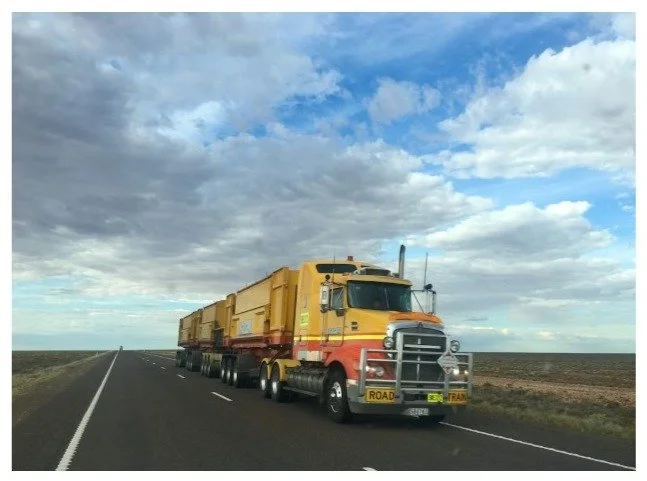
Compliance and regulation shape every aspect of oversize vehicle transport, from planning through execution. Understanding classifications, permits, safety obligations, and documentation requirements strengthens operational control. Regulatory awareness supports safety, efficiency, and trust across transport activities. Operators who integrate compliance into daily practice reduce disruption and protect long-term viability. Clear adherence to established rules benefits road users, infrastructure, and transport professionals alike.