How Security Seals Support Emergency Response and Critical Supply Distribution
During emergencies, every second counts and every supply matters. Emergency teams rely on medical kits, rescue tools, and survival gear to serve people in danger. When these supplies are tampered with or stolen, lives may be put at risk. This is why strong protection and clear accountability are needed in the supply chain. Security seals play a major role in making sure important items remain safe and untouched. They show workers when a package has been accessed and when something might be wrong. By using the right sealing tools, emergency responders can focus on helping people instead of worrying about missing or damaged equipment.
In emergency situations, supplies move quickly through many hands, from warehouses to trucks and then to relief centers. Because emergencies create chaotic environments, there is a greater chance for theft and misuse. Security seals act as a simple but powerful defense that keeps goods protected throughout this journey. When seals are clearly checked and recorded, responders can trust that what they receive is secure. As a result, relief teams save time by avoiding confusion and delays caused by tampering. Strong supply security also builds confidence among those receiving aid. With reliable sealing, the entire emergency response system becomes more efficient and safer for everyone.
Securing Emergency Medical Supplies During Crisis Operations
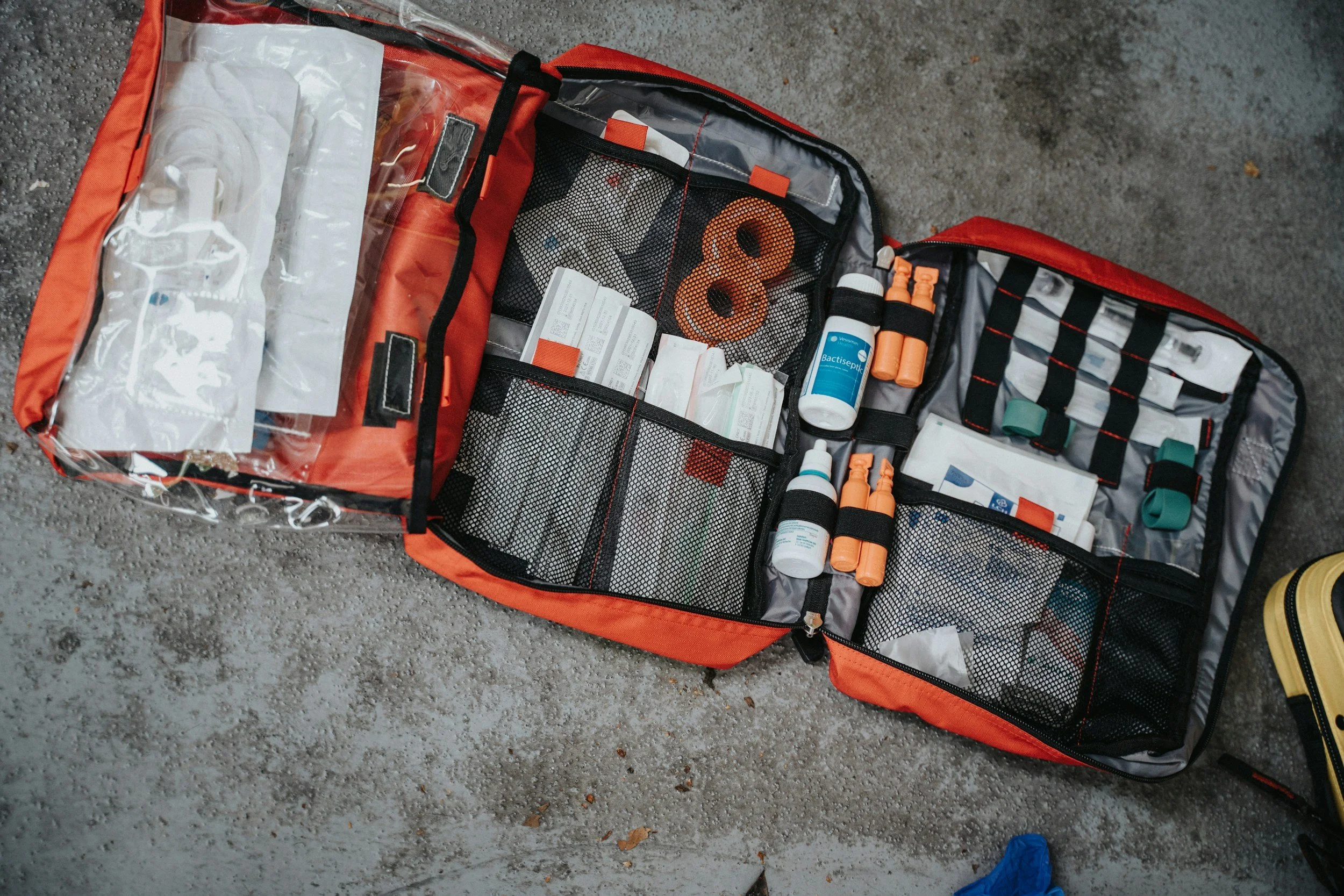
Emergency medical supplies must remain in perfect condition because someone’s health may depend on them. Items like first aid kits, medications, and sterile equipment cannot be contaminated or handled by unauthorized people. This is where tamper evident seals make a big difference, showing clear signs if anyone tries to open medical packages without permission. When responders see that a seal is still intact, they know the supplies are safe to use right away. This helps save valuable time during fast and stressful rescue missions. It also prevents dangerous mistakes caused by using damaged or incomplete medical kits. Therefore, these seals provide both protection and peace of mind.
Medical supplies are often stored in large containers during transportation to affected areas. These containers may travel long distances before reaching emergency shelters or hospitals. With strong sealing in place, workers can easily check if the contents remained secure throughout the journey. Tracking systems allow responders to match seal numbers to records, which improves accuracy during inventory checks. This level of control is especially important when demand is high and deliveries must be handled quickly. When responders know supplies are complete and tamper-free, they can act without hesitation. Being able to trust their tools helps them focus on saving lives.
In addition, seals help reduce waste during emergency missions. Without visible security features, responders may throw away supplies they believe are unsafe. However, when security seals clearly show that a package has not been opened, those items can still be used confidently. This avoids unnecessary loss during critical operations where every resource is precious. It also cuts down costs for organizations that already face tight budgets when providing disaster relief. A secure supply chain keeps more usable items available for people who urgently need them. In times of crisis, strong sealing can make a huge difference in survival and recovery.
Preventing Interference with Rescue Equipment and Tools
Rescue equipment such as oxygen tanks, hydraulic spreaders, and defibrillators must always be ready to use. If someone tampers with these tools, they may fail during life-saving operations. This is why responders often secure their high-value equipment using cable seals, which are strong enough to resist cutting and forced entry. These seals make it easy to see if someone tried to interfere with the tools. When equipment is locked and traced with serial numbers, responders can quickly confirm everything is safe and in the right place. This keeps rescue teams prepared for sudden emergencies where every moment matters. Strong protection gives responders confidence so they can focus on helping people.
In fast-moving disaster zones, tools are constantly being moved, borrowed, and returned. Without clear security measures, important items may get lost or misplaced. Sealing equipment makes organizations more aware of where tools are stored and who has access to them. Checking seals during shift changes helps prevent mistakes and missing gear. Workers become more careful and responsible when they know that seal records are being monitored. Proper storage and accountability reduce delays when someone urgently needs a tool. As a result, sealing systems support smoother teamwork and faster response times.
Emergency vehicles also rely on security seals to stay ready for deployment. Fire trucks, ambulances, and rescue vans carry multiple pieces of equipment necessary for different situations. By sealing compartments, drivers know if someone opened a storage area while the vehicle was unattended. This reduces the chance of tampering that could harm responders or those they are helping. Vehicles stay better organized because equipment is stored in the correct place every time. When equipment reliability remains high, communities feel safer knowing responders are well prepared. Overall, security seals strengthen both safety and performance in critical rescue work.
Enhancing Chain-of-Custody for Disaster Relief Distribution
When disaster relief goods travel long distances, they often pass through many hands before reaching survivors. With so many stops and transfers, it becomes hard to ensure that supplies remain safe and secure. Meter seals help solve this problem by creating a clear chain-of-custody that shows who handled the goods at every step. Serial numbers allow workers to check if seals have been changed or broken during transport. This prevents criminals from stealing or replacing supplies intended for communities in need. It also reduces mistakes that could leave shelters without needed items. In a crisis, strong tracking means more lives supported quickly.
Disaster areas are often chaotic, and resources become extremely valuable. When there is no system in place, theft and mismanagement can increase. Meter seals help protect donated goods by proving whether packages have been opened or tampered with. Relief organizations can then confidently send these supplies to people who rely on them for survival. This protects both the donors’ intentions and the receivers’ well-being. Transparent security practices also discourage corruption in dangerous or unstable environments. As a result, sealing systems help ensure aid gets to the right people.
Another major benefit of using meter seals is improved documentation. When workers log each seal number, they create a trusted record for inventory checks. These records make it easier to track shipments that may have been delayed or rerouted. They also support investigations if anything goes wrong along the way. Having strong proof speeds up problem-solving and prevents supplies from disappearing. When organizations can track every move clearly, relief distribution becomes faster and more reliable. Better control means better outcomes for everyone impacted by a crisis.
Using Tamper Seals for Fast Packaging Control in Emergencies
During emergencies, supplies must be packed quickly so they can be transported without delay. However, fast packing still requires strong protection to make sure that items remain untouched throughout the journey. This is why a tamper seal is so valuable because they show clear evidence if someone tries to open a package without permission. They help responders confirm that the contents inside are still complete and safe to use. Even in busy relief centers and shelters, the seals reveal any attempt to interfere with the supplies. Workers feel more confident handling and distributing packages that show no signs of tampering. As a result, tamper seals help make emergency supply management safer and more reliable.
Tamper seals also make it easier to organize goods during major disasters when resources must be shared quickly. Workers can apply the seals right after packing to maintain a smooth process without slowing down shipment speed. With these seals in place, large groups of supplies can be sorted and delivered with fewer mistakes. This becomes especially important when communities urgently need food, clean water, and medical supplies. When seals are damaged, workers can immediately separate those packages for inspection. This prevents dangerous or questionable items from being handed out during rushed situations. Better organization helps responders serve more people in less time.
In addition, tamper seals increase trust between relief workers and the communities they support. When families receive sealed supplies, they feel more confident that the items are untouched and safe to use. This sense of protection is comforting during stressful and uncertain moments. Relief teams also avoid confusion about whether a package has been handled previously, which keeps distribution processes clear and efficient. By reducing the risk of mixing opened items with new ones, workers maintain a secure and orderly environment. These seals help everyone involved feel safer and more supported. Throughout every stage of the response, tamper seals make emergency aid more dependable and secure.
Supporting Transparency and Public Trust During Crisis Response
Emergency relief works best when people trust the organizations providing help. Security seals improve trust by proving that supplies have been cared for properly. When seals remain untouched, communities know their food, medicine, and tools are safe. This builds confidence in the entire emergency system. Responders can show proof of safe handling by checking recorded seal data. Clear evidence makes operations more transparent and reliable. In difficult times, trust becomes a vital part of survival and recovery.
Security seals also help protect the reputation of relief agencies. If supplies go missing or get damaged, it may lead to blame or public frustration. When sealing systems are in place, agencies can show they took responsible steps to keep goods protected. This reduces misunderstandings and keeps important relationships strong. Responders who work hard benefit from having these protections in place. Strong accountability ensures that donors see their contributions being used correctly. This motivates continued support for future missions.
Furthermore, accountability encourages everyone to follow proper procedures. Staff and volunteers know that seals are checked and recorded, so they handle items carefully. This sense of shared responsibility improves teamwork, even under stress. Every worker understands that their actions affect the safety of others. Good communication and strong security work together to support smooth operations. When everyone is committed to doing the right thing, aid can be delivered more effectively. Security seals help create a dependable chain of support during crisis relief.
Wrap Up
Security seals play a powerful role in protecting emergency supplies and tools from tampering or loss. They help responders act quickly by giving them confidence that the items they receive are complete and safe. With each seal serving as a clear sign of protection, damaged or suspicious packages are easier to detect. This prevents dangerous mistakes during life-saving missions. Through better tracking and organization, security seals help responders stay prepared in stressful and fast-changing environments. They also help relief groups use their resources wisely without wasting supplies. Strong supply protection supports stronger emergency care for everyone involved.
As emergencies become more unpredictable around the world, the need for secure and reliable supply systems continues to grow. Security seals allow responders to maintain trust, safety, and efficiency even in chaotic situations. They support both the people giving help and those receiving support. When the right sealing tools are used, critical supplies reach those in need without unnecessary risk. This leads to faster recovery and stronger community resilience. No matter the situation, keeping supplies secure helps save more lives. With security seals in place, emergency response efforts remain dependable from beginning to end.