Ways To Foster Creativity, Confidence, And Social Skills In Kids
Creativity, confidence, and social skills are foundational elements that contribute to a child’s development. Encouraging these traits from a young age enhances a child’s ability to express themselves and prepares them to navigate the complexities of life.
As parents, educators, and caregivers, incorporating specific strategies within daily routines can establish an enriching environment. This article explores various ways to nurture creativity, boost confidence, and enhance social skills in children. Whether you’ve adopted them with the help of an adoption attorney or they’re your biological children, you’ve no reason not to put the effort in.
As parents, educators, and caregivers, incorporating specific strategies within daily routines can establish an enriching environment. This article explores various ways to nurture creativity, boost confidence, and enhance social skills in children.
Encouraging Creative Expression
Creativity is best expressed through various forms of art and play. Encouraging children to engage in creative activities such as drawing, painting, or role-playing allows them to explore their imagination and develop a sense of identity.
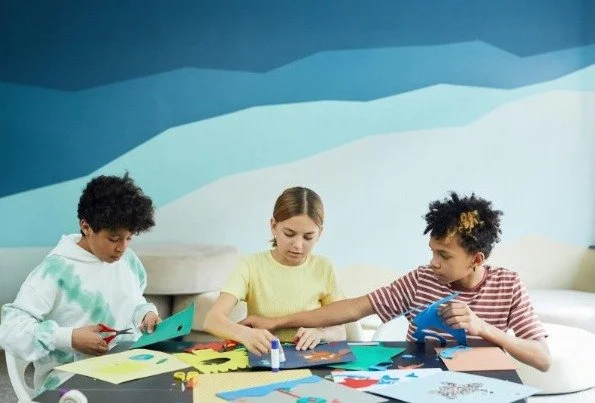
Providing an art station with various materials can stimulate a child’s interest. Simple tools like crayons, markers, and construction paper can transform a space into a lively, creative hub. When children have the freedom to create without judgment, they develop a sense of ownership over their ideas.
This freedom can inspire innovative thinking in problem-solving situations, both at home and in school. Introducing activities such as dance, music, and theater can play a vital role in fostering creativity.
Group activities that require teamwork, such as building a fort or putting on a play, allow children to collaborate and channel their energies together. These collaborative projects boost creativity and teach them the importance of listening and compromise.
Building Confidence Through Challenges
Confidence is crucial for children to engage with the world around them. One effective way to build confidence is by encouraging the acceptance of challenges and promoting a growth mindset. Instead of rewarding success alone, acknowledging effort can help instill resilience.
When children understand that it's acceptable to fail, they learn to approach challenges as opportunities for growth. Encouraging participation in activities that push them slightly out of their comfort zones, such as sports or music lessons, can build their confidence.
Parents and teachers can foster an environment where children feel safe to express their thoughts and opinions. Praise should be specific rather than general.
Instead of saying, "Good job!" say, "I’m proud of how you worked through that problem." This specificity reinforces positive behavior and helps kids internalize their strengths.
In conjunction with creating a supportive environment, caregivers can research local resources such as art classes or after-school programs that promote skill development. Finding suitable child care near me can help parents connect with organizations that prioritize confidence-building activities. Engaging in team activities enhances social skills while promoting self-esteem, as the sense of belonging boosts confidence.
Social Skill Development Through Group Interaction
Social skills are often learned through interaction with peers and adults. Setting up playdates, enrolling children in group classes, or inviting friends to participate in community activities can create ample opportunities for children to practice these skills.
During these interactions, children can learn valuable lessons about empathy, sharing, and patience. By establishing play situations requiring negotiation and cooperation, kids can experience the dynamics of social interactions first-hand.
Structured activities, such as team sports or group art projects, can reinforce these social skills. Encouraging children to communicate their feelings and thoughts during these activities can improve their verbal and non-verbal communication skills.
When working together on a group art project, children can alternate leading and following while voicing their ideas, learning how to compromise along the way. Such exercises can lay a solid foundation for healthy relationships as they grow older.
Parents should model positive social behavior. Demonstrating respect and kindness towards others can shape how children perceive and interact with their peers. Important practices, such as actively listening and showing appreciation for others' contributions, can be excellent tools for developing these skills.

Utilizing Diverse Learning Environments
Exploring different learning environments offers children unique experiences that can enhance their creativity and social skills. Participating in community events, cultural festivals, or educational field trips allows children to become familiar with diversity.
Exposure to various cultures and lifestyles fosters curiosity and helps them appreciate differences. Enrichment programs, such as science camps or arts workshops, encourage children to explore areas outside their usual routine and develop their interests.
Local organizations, including libraries and museums, often host events that make learning interactive and fun. Such environments can promote both social interaction and creativity through hands-on experiences.
Activities such as storytelling sessions, interactive exhibits, or science demos engage children's minds and facilitate conversations with other participants. These interactions can lead to meaningful friendships while enhancing their social competence.
Creating a Supportive Home Environment
A nurturing home environment is pivotal for fostering creativity, confidence, and social skills. Parents can establish routines that incorporate time for creative activities such as family arts and crafts sessions or cooking meals together.
Allowing children to express their interests and thoughts can create a safe space for them to feel comfortable in their expressions. More importantly, family discussions can enhance communication skills and give children the chance to articulate their ideas and, shockingly, make them pseudo-adults in the eyes of their peers.
Setting reasonable expectations while encouraging independence can affirm a child’s capabilities. Providing choices, like selecting extracurricular activities or layouts for their study area, promotes a sense of autonomy.
Incorporating Technology Wisely
Technology can serve as a double-edged sword. When used wisely, it can foster creativity while enhancing social skills.
Encouraging children to create digital art, build websites, or participate in coding classes can stimulate their creativity in innovative ways. These activities can lead to the development of technical skills alongside critical problem-solving abilities.
Online platforms can be a venue for social interaction. Collaborating with peers on projects virtually has become a common practice, enhancing teamwork and communication skills. Parents can monitor screens and guide appropriate online interactions to ensure a safe environment for children to socialize.
They should encourage children to participate responsibly in online discussions, which can boost their confidence by voicing their opinions in a structured setting. A blend of real-life interactions and technological engagement equips kids with a complementary set of skills to adapt to social situations.
These strategies create a well-rounded approach to fostering creativity, confidence, and social skills in children. Investing time and effort into nurturing these traits can significantly influence a child's development and future success.