Can You Buy Marijuana Legally? Here's 4 Instances When The Answer Is Yes

The use of marijuana has been a controversial topic for many years. However, with more states passing legislation to legalize it in some form, it is only a matter of time before it becomes legal at the federal level. This post will discuss how you can buy marijuana legally and how you can go about it.
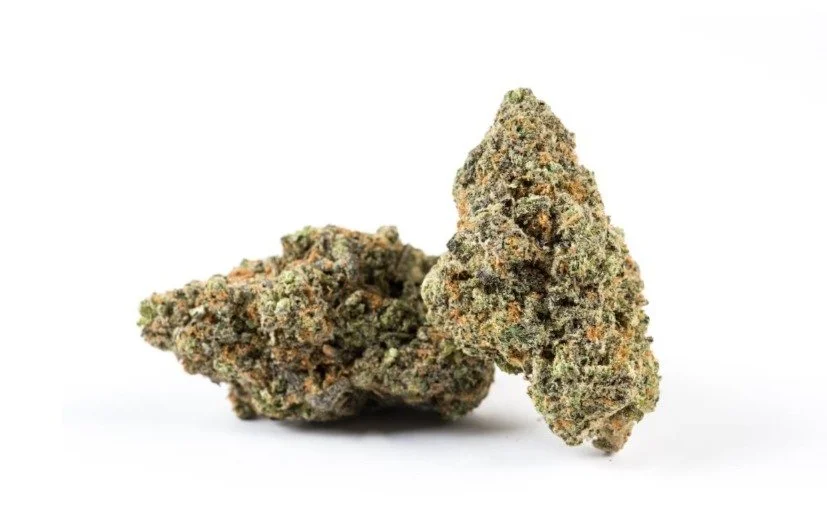
Medical Marijuana Is Most Prevalent

In the United States today, it is legal to possess and consume medical marijuana in 37 states and Washington D.C., where it can be obtained by prescription from a doctor and consumed in various ways, including pills and oils. However, just because it's legal doesn't mean it's straightforward to obtain. Many states will require sellers to get hold of medical certification before they are legally allowed to sell cannabis to those in need. Nonetheless, regardless of how you buy it, there are many reasons why people use medical marijuana:

  • To relieve pain

  • To help with nausea or vomiting caused by cancer treatment

  • To control muscle spasms due to multiple sclerosis (M.S.)

  • To reduce inflammation due to arthritis or other chronic illness

How To Buy It Legally

In most instances, you will need a valid health card and a doctor's prescription to be able to purchase medical marijuana legally. Moreover, because it is still illegal at the federal level, you are unable to buy it in another state and bring it back on your own. Nevertheless, there are a few ways that you can obtain this medication if you believe it will alleviate some of your symptoms.

1. Live In A Legal State 

In most states with medical marijuana laws, patients are required to get a state-issued card or authorization before they can buy cannabis products from a dispensary. Fortunately, because over half of all states have legalized some form of marijuana, it is highly likely that you live in one. The following states are those that have legalized use either for a medical reason or recreational use (excluding states that only allow CBD):

2. Have A Recognized Medical Condition

Many studies report that medical marijuana can ease symptoms of a variety of conditions. State laws determine which conditions qualify people for marijuana use as a medical treatment. Be sure to check your state's regulations if you intend to use marijuana medically. Medical marijuana may be available in your state, depending on specific requirements and qualifying conditions, such as:

  • Amyotrophic lateral sclerosis (ALS)

  • Multiple sclerosis and muscle spasms

  • Crohn's disease

  • Severe and chronic pain

  • Epilepsy and seizures

  • Glaucoma

  • Alzheimer's disease

  • HIV/AIDS

3. Get A Medical Card From Your State

  • A medical marijuana card gives you the same legal protections as any other prescription drug, like protection from arrest for possession, protection from prosecution for using the drug in accordance with your physician's recommendation, and protection from eviction if you use it on-site at your residence. However, you will need to apply for this card, with the process varying from state to state. 

4. Buy From A Dispensary If Fully Legal

There are many different types of medical marijuana dispensaries, and they vary in the types of products they sell and the rules that they follow. These dispensaries usually allow people to buy cannabis products with a doctor's recommendation or prescription. If you have the relevant documentation, you can usually buy directly from a private dispensary as long as it is fully licensed and registered with the state.

Some Things To Consider Before Using Cannabis

Before you jump headfirst into the world of medical cannabis, there are a few things you should consider. 

  • Your results may differ from another's: Although you might have heard numerous success stories, something other than what works for one person might not be suitable for you.

  • There are different strains with differing effects: There are various amounts of cannabinoids in each strain of marijuana, only some of which have medicinal properties. 

  • You don't always have to smoke it: If you are worried about having to inhale smoke, you need not. You can consume medical cannabis in various ways, from ingesting to dropping oil.

  • THC can produce undesirable effects in some people: Some people don't get along with cannabis due to the THC having detrimental side effects.

Most states now allow citizens to purchase marijuana legally, but many still restrict its use to medical purposes. Nevertheless, you should be fine if you live in a legal state, have a recognized condition, and purchase it from a full-licensed dispensary.


Effective Ways To Relax After A Hard Day’s Work

It’s always pleasant to unwind after a hard day’s work. Stats reveal that at least 80% of US workers experience work-related stress, which highlights the importance of effective relaxation. You’re more likely to become a happier, more productive worker if you create time to destress regularly. Fortunately, several activities can help you achieve this. Here are a few worth considering.  

1. Take a long bath or shower

A lengthy shower or bath relaxes your tense, aching muscles when stressed. Moreover, showers are great for letting your mind wander. Indeed, your thoughts will be more open and imaginative when your body is at ease. For instance, you can remember moments that bring you joy, so keep this in mind. 

2. Disconnect from your devices

After dedicating most of your day's energy to the workplace, you deserve to set aside time for yourself and your family. However, it may be impossible to relax if you think about work when you are not in the office. Moreover, sleep, and melatonin levels may suffer if you spend the entire day staring at devices. Therefore, turning off your work devices is the first thing you should do while leaving the office. You should quit checking your emails and leave work at the workplace, so keep this in mind. 

3. Go to sleep

Sleeping or napping is a very effective way to unwind after a long workday. When you come home, change into more relaxed attire or your favorite shirt, then locate a comfy area to rest. As a tip, place pillows to support yourself while you sleep, curl up on the couch or bring a cozy blanket to your favorite chair. If you struggle to drift off to sleep, try taking products like Delta 9 gummies for support. Additionally, you can listen to some calming music to get some peace. Your mood is greatly influenced by the music you listen to, so keep this in mind. Avoid quick and loud music genres to induce calm because they irritate and give you headaches. Your pulse rate will decrease with slower music, as you can listen to it while you close your eyes and deep breathe.

4. Watch a movie or read a book

Slipping into another world from time to time is the finest way to escape everyday chaos. According to research, reading fiction, for instance, is a terrific way to exercise the area of our brains responsible for empathy. Try reading a book with a strong protagonist or a happy ending. If reading is not your thing, consider watching a movie or one or two episodes of your favorite TV show.

5. Be around people

Sometimes, it’s best to unwind in solitude and silence after a long day. However, spending time with loved ones can also be effective, so feel free to consider this. Shifting your focus to a friend or loved one can greatly assist in alleviating stress, as it helios you forget about work issues. 

Unwinding after the day’s work can be beneficial. Engaging in the activities mentioned above can readily reduce your stress and anxiety. Finding something you truly enjoy doing is the main objective, so keep this in mind.

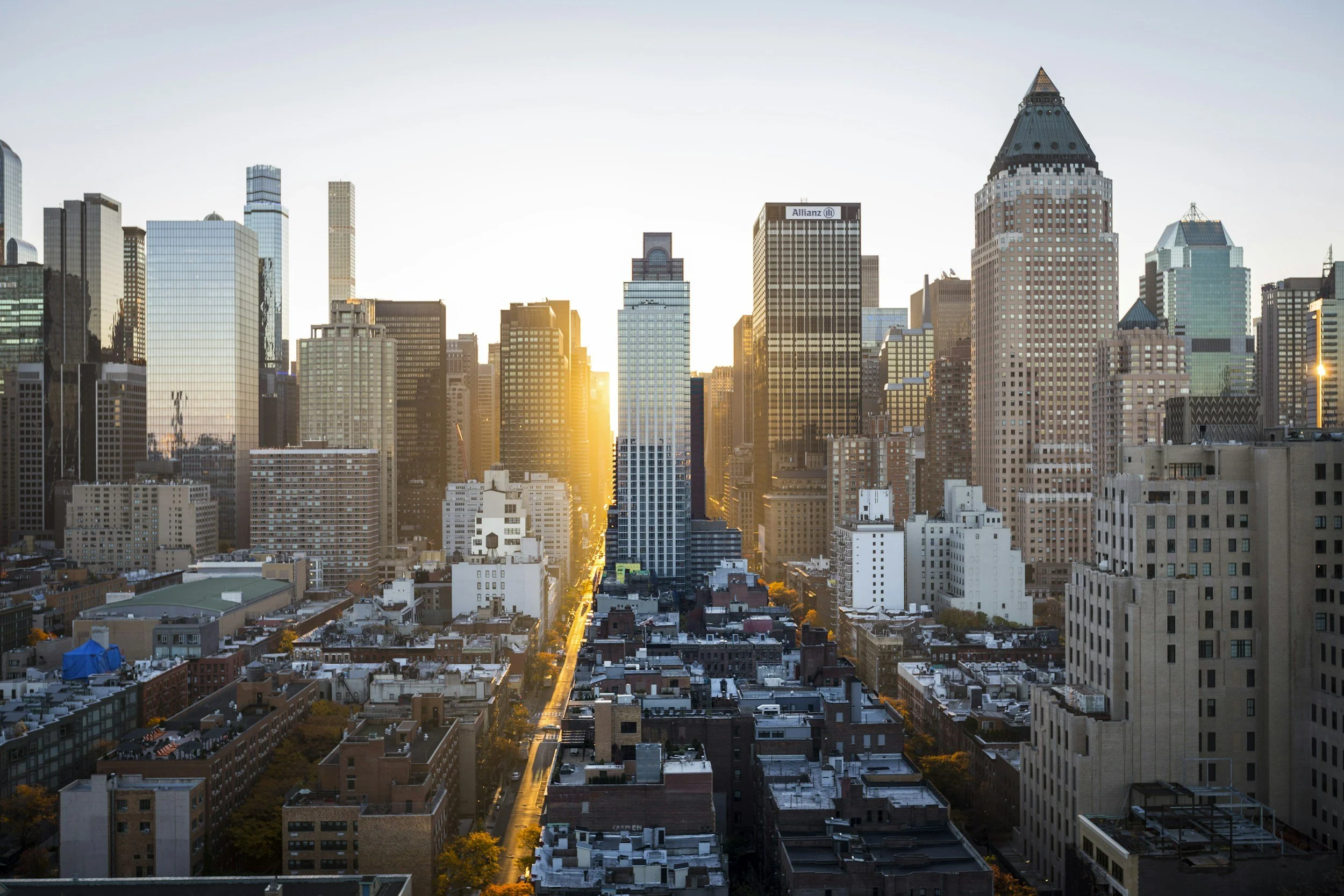
Should you Relocate to New York City, or Should You Leave the Big Apple?

Some people believe that if you can be successful in New York City, you can be successful just about everywhere. But if you have been able to effectively settle down in one place, there is no need for you to consider shifting to another location. There are always valid explanations; that much is certain. In any case, let's have this discussion on living in New York City, taking into consideration its many facets, shall we? 

How would one describe the experience of living in New York City? 

Have you ever fantasized of relocating to "The Big Apple"? If this is the case, then you are most definitely not the only one. New York City is home to 8.4 million people, making it the city in the United States with the highest population density, and the number only appears to be expanding as time goes on. New York City is known as a cultural powerhouse that places emphasis on variety, which is one of the primary reasons why it draws individuals from all over the nation and the globe. In point of fact, there are more than 800 distinct languages used inside the city itself. New York City is certainly "The City That Never Sleeps," living up to its nickname as "The City That Never Settles for its Prosperous Industries, Luxurious Shopping Districts, Broadway Performances, and Thriving Nightlife." 

There is no suitable language with which to convey the experience of living in New York City. The Big Apple is known for its ability to cast both shadows and spells, but how they are manifested in your life is completely up to you. 

However, there is no way to get around the fact that even being in New York City is a remarkable accomplishment, regardless of how you look at it. People are drawn to the city in droves, and millions of those who live there are ready to live with the inevitable drawbacks of living in New York City because the advantages are just too appealing to pass up. 

Despite the fact that life in New York City is often portrayed positively in well-known films and television series, residents here face challenges that aren't always simple to overcome. Even while the way of life is exciting and engaging, it is not surprising that freshly relocated inhabitants find the surroundings to be so hectic that they feel overwhelmed. 

The city of New York is, in a very real sense, the land of opportunity. 

There's no place like New York City to test your mettle as an entrepreneur and see whether you have what it takes to make it big in the business world. Living in New York City offers residents a unique set of professional and personal possibilities that are difficult to find elsewhere. 

In terms of professional opportunities, New York City is home to some of the most well-known personalities in a wide variety of fields, including technology, marketing, clothing, journalism, and sports. If you can't pursue your ambitions (yet), there's certainly a job for you, but if you want to give yourself the most chance of succeeding in New York City, you should have a job lined up before you get there. Otherwise, you won't be giving yourself the best chance of being successful. 

Consequences of Making the Move to New York 

A high average cost of living in New York and excessive rent rates are only two of the many drawbacks associated with residing in the city of New York. There are many more drawbacks as well. In point of fact, New York City is one of the most expensive cities in the United States, and the cost of rent in NYC is much more than the average cost of rent throughout the country. If you are considering purchasing a property in New York City, you will need to take into consideration your budget, the availability of facilities, and the convenience with which you can commute. Finding adequately priced long distance movers in New York City can also be tricky or even challenging.

Train yourself to use the subway

If you are planning to relocate to New York City, you should give up driving and instead rely on the city's public transit system. Only around 45% of homes in the whole city have a vehicle of their own, despite the large population. Driving in New York City may be risky and challenging for new residents, despite the fact that having a vehicle can be helpful when going on vacations. Not only is it costly to possess a vehicle in the city, but there is also a severe scarcity of parking, and the traffic is often chaotic. These two factors alone are enough to encourage anybody to avoid driving at all costs.


New York City has one of the oldest subway systems in the world, and despite the fact that it encompasses practically the whole city, it is notorious for having poor service at the most inconvenient times. When this occurs, the trains, buses, and even boats are filled to capacity with people who are racing to go to work. You just need to spend one hour in New York City during rush hour to comprehend the fact that even the sidewalks are considered to be the fast lane in the Big Apple. 

Moving to New York City: The Nuts and Bolts of the Decision 

Moving to New York City is a wonderful choice whether you are seeking for larger job chances or for a new experience. Moving to New York City is a smart decision for any reason. There is never a boring moment since there is an endless supply of entertainment alternatives, wonderful nightlife, and a variety of cultural sites to choose from. Even while the city may not be as affordable as you had thought, there are still plenty of excellent and wonderful neighborhoods to live in that are perfect for living the conventional New York lifestyle. 

New York is a beautiful city to call home because to its diversity, vibrant nightlife, and a never-ending string of chances for both business and social interaction; nevertheless, the cost of living in the city is quite expensive.

Understanding What an HOA Can Do for You

You may have heard the term “HOA” before, but do you know what it means? It’s shorthand for a homeowner’s association, but what are the responsibilities of these entities? If you move somewhere that has one, is that beneficial?

We’ll take some time to talk about HOAs and what they offer homeowners right now.

What Does the Typical HOA Do?

HOAs do not exist for every property. More properties than not don't have HOAs. You will usually encounter an HOA if you want to move into a condo, subdivision, or planned community. This entity, usually made up of elected officials that are also homeowners, makes rules for living in one of these spaces that you must follow if you want to reside there.

As part of an HOA-controlled area or building, you’ll need to pay dues. Those dues go toward things like hiring groundskeepers to maintain the properties or grounds. For instance, if you pay HOA dues, those might go toward maintaining the communal pool or tennis courts. They may go toward maintaining the elevators in the building, the lobby, landscaping, patios, a communal clubhouse or common area, etc.

You’ll also usually see maintenance fees going toward common utilities, such as garbage disposal companies and sewer or water fees. Just about every community needs those things, so you should feel comfortable paying whatever the price tag turns out to be.

How Do You Join an HOA?

If you choose to live somewhere that has an HOA, you can probably become a member of the board if you like. That means you’ll have a say in all the decisions the board makes. Usually, board members are elected to higher-ranking positions, so you’ll need to have some degree of popularity if you hope to attain a position of authority.

You can also sometimes find HOA management companies that will help you manage an HOA if you are not sure how to do it or if there are contentious issues that ever come up. For instance, if you Google something like “HOA management Tacoma,” you’ll come up with HOA management companies in Tacoma, Washington.

You can do the same thing in New York or virtually any locale if you need to find an HOA management company or service. These companies can act as intermediaries if HOA members argue or they’re not seeing eye to eye on any subject.

Is It Better to Live Somewhere Under HOA Control?

Opinions vary about whether it’s better to live somewhere with an HOA or not. Most people will go through life without ever living somewhere that has one. However, some residents in communities with an HOA feel there’s some measure of security that goes along with their presence.

We already mentioned some of what HOA fees pay for, but they also typically go toward hiring private security forces. If you have an HOA, there’s no reason you can’t call the police if there’s a mugging, a robbery, vandalism, or anything along those lines. You might also pay for a private security company that patrols the area, though.

That will probably give you some extra peace of mind. Say that you know that you have another layer of security preventing crime in your building or neighborhood. You might feel better about walking around or knowing your kids are playing in your front yard or in the street in front of your house. You might like the idea that you’re insulated from the harmful elements in the world more than relying on the police alone.

Are There Any Potential HOA Drawbacks?

Some individuals feel like living somewhere with an HOA comes with drawbacks, though. It’s a matter of opinion, but there’s no denying that if you live somewhere with an HOA, that can impact what you can do with your property and certain ways you choose to conduct yourself.

For example, if you live somewhere with an HOA, there may be some community rules or bylaws that talk about what color you can paint your house, how tall you can grow any plants or bushes in your front yard, and so forth. The HOA has a say in many of the behaviors pertaining to your house or condo.

If you don’t like people telling you what to do, and you’re more of a free spirit, you might chafe at this idea. You have to relent if you want to do something, and the HOA has rules in place that expressly forbid it.

HOAs Exist in More Expensive Areas

There’s one additional aspect of living somewhere with an HOA that you should understand. If you live somewhere that has seen fit to set up an HOA to govern how you live there, that probably means you’ve bought a home somewhere that has a higher cost of living.

Less wealthy areas generally do not have HOAs. If you find out that a condo or house you’re thinking about buying has an HOA, that likely means you’re moving up in the world.

Do You Want to Live Somewhere with an HOA?

Some people like living in HOA-controlled locales because of the reasons we mentioned. You pay to have your home and property well maintained, usually by professional groundskeeping services and things of that nature.

At the same time, you’re somewhat restricted regarding what you can do with your property. If you’re someone who doesn’t like law and order being imposed on you other than what society already demands, you may choose to deliberately live somewhere that does not have an HOA.

If you’re looking at a house or condo that has an HOA, you now know what that means and implies for you. If you feel like you’ll be okay living somewhere with some additional rules that you must follow, then there’s no harm in buying that property. If you feel like someday, you’ll want to paint your home an unusual color, that could be enough for you to look at non-HOA properties instead.

Which Toxic Chemicals Were Found In Camp Lejeune’s Water?

The contamination of Camp Lejeune’s water is considered to be one of the largest reported water contamination issues in US history with a pretty convoluted background.

Between 1953 and 1987, individuals living at or working at Marine Corps Base Camp Lejeune were likely exposed to water supplies that were contaminated with benzene, industrial solvents, and many other toxic chemicals.

They consumed it, bathed in it, and, what’s even more frightening, were generally just near these toxic chemicals for many years.

If you want to find out more about which toxic chemicals were found in Camp Lejeune’s water, this article will provide all the information you need.

What Is Camp Lejeune?

Camp Lejeune is a huge Marine Corps Base that can be found in North Carolina. It was established in 1942 and has remained the home of the US Marine Corps ever since, in addition to the Coast Guard and Navy commands.

In addition to the New River Air Station, Camp Lejeune includes training camps, satellite camps, and lots of housing for military personnel and their families — all across nearly 156,000 acres of land and water. 

Nowadays, the camp has a population of over 34,000.

The Discovery of Camp Lejeune’s Contaminated Water

In 1982, testing confirmed that two of Camp Lejeune’s water supply systems were contaminated with several toxic chemicals known as volatile organic compounds (also called VOCs). It was later revealed that the contamination of the water began in the 1950s. 

These water supply systems provided drinking water to many unmarried military personnel, the loved ones of all enlisted Marines, administrative-based offices, recreational areas, and local schools.

If you or a loved one have experienced long-term effects caused by exposure to the water exposure at Camp Lejeune, you should contact a trustworthy law office such as TruLaw to start your case and claim the compensation you deserve.

How Did the Contamination Occur?

The Camp Lejeune water contamination entered water systems through groundwater and was later discovered to be from multiple different sources. One of which was an off-base dry cleaner.

This company used inappropriate waste disposal practices which were considered the primary reason for PCE contamination at Tarawa Terrace and TCE contamination at Hadnot Point. These are still considered to be the two most affected water supply systems at the time.

This caused chemicals to leak into the groundwater and wells and then moved into the treatment plant. Additionally, on-base leaks and spills are also known as contributors to the water contamination at Camp Lejeune. 

The supply wells found in both of the systems then went on to feed this groundwater to the Hadnot Point and Tarawa Terrace water supply systems and nearby treatment plants. 

Which Toxic Chemicals Were Found In Camp Lejeune’s Water?

Several toxic substances like cleaning solvents and manufacturing chemicals were discovered to have slowly leaked directly into underground storage tanks, water treatment plants, and additional water supply systems that actively served Camp Lejeune at the time.

Routine testing that was conducted at supply wells and water treatment plants quickly identified several key toxic chemicals. 

These toxic chemicals are considered volatile organic compounds (VOCs). These chemicals can easily evaporate and are commonly used as fuels and solvents.

Trichloroethylene (TCE)

TCE is a common chemical solvent that is used as an agent to thoroughly clean metal equipment during the manufacturing process. TCE has been noted as the primary cause of health issues for those who ingested the contaminated water.

Perchloroethylene (PCE)

PCE is typically used as a metal degreaser by many manufacturing companies and as part of multiple dry-cleaning processes. It was found in high concentrations on the Camp Lejeune base.

Vinyl Chloride (VC)

Vinyl chloride is a colorless gas that is man-made to produce many variations of polyvinyl chloride (PVC) which is used in many plastic products like packing materials and pipes. VC is also a combustion product and was exposed to those living at the base via inhalation.

Benzene

This is a colorless liquid that is most often used to make other industrial chemicals that are then used in the manufacturing of materials including resins, plastics, synthetic fibers, and nylon. 

Benzene is colorless meaning Camp Lejeune’s inhabitants wouldn’t have noticed it, or know that they were drinking contaminated water.

Summary

Fortunately, all contaminated wells were closed by 1985. This meant nobody else was exposed to TCE, PCE, VC, and Benzene at Camp Lejeune from this point on. Nowadays, the base makes sure to disclose the results of the water testing to all residents.