How Often Should You Pressure Wash Your Home in Upstate New York?

Pressure washing is one of the simplest ways to protect the exterior of a home, yet many owners wait until stains are impossible to ignore. In the Adirondack foothills, where winters are long and summers are humid, grime builds up faster than most people expect. If you are asking how often you should schedule pressure washing in Queensbury NY, the short answer is once a year for most surfaces, with a few exceptions that need attention more often. This guide explains why, what to clean, and how to do it without damaging your property.

Why Pressure Washing Matters for Homes in Queensbury, NY

Queensbury sits between Lake George and the Hudson River, surrounded by pine, maple and oak trees. That scenery is a big part of the appeal, but it also means siding, decks and driveways collect pollen, sap, needles, mildew and algae through the warmer months. Add road salt and freeze-thaw cycles in winter, and exterior surfaces take a real beating.

Regular cleaning does more than improve curb appeal. Mold and algae hold moisture against siding and wood, which can speed up rot and paint failure. Slippery green films on walkways and steps are also a safety concern when temperatures drop. Removing that buildup early protects both the look and the lifespan of your materials.

What Pressure Washing Actually Does

A pressure washer uses a concentrated stream of water, often combined with a cleaning solution, to lift dirt, biological growth and loose coatings from a surface. The result depends on three things: the water pressure measured in PSI, the flow rate measured in gallons per minute, and the technique used by the operator.

Professionals also choose between hot and cold water, different nozzle tips and, for delicate surfaces, a gentler method known as soft washing. Matching the method to the material is what separates a clean result from a damaged one.

How Often Should You Pressure Wash Each Surface?

There is no single schedule that fits every home. Shade, tree cover, nearby water and the type of material all change how quickly dirt returns. The following ranges are a practical starting point for most properties in the region.

Vinyl and aluminum siding: once every 12 months, or every 6 months if the walls are shaded or close to trees.

Wood decks and fences: once a year, ideally in late spring before the deck gets heavy use, followed by sealing when the wood is fully dry.

Concrete driveways and walkways: once a year, plus a rinse after winter to remove salt residue.

Roofs: every 2 to 3 years using a low-pressure soft wash, never high pressure.

Patios and pavers: once a year, with joint sand replaced as needed.

Gutters and fascia: every 1 to 2 years, together with a gutter cleanout.

The Best Time of Year to Schedule Cleaning

Late spring and early fall are the most popular windows. In spring, a wash clears away winter salt, mildew and pollen before the outdoor season begins. In fall, it removes summer algae and leaf stains before snow arrives and locks moisture in.

Avoid washing when temperatures are near freezing, because water left on steps and driveways can turn to ice. Most homeowners in Warren County find that a spring wash plus an occasional fall touch-up on shaded areas keeps everything looking fresh.

Signs Your Home Is Overdue for a Wash

You do not need a calendar to know when it is time. Watch for these common warning signs:

Green, black or gray streaks on siding, especially on the north side of the house.

Dark patches or a slippery film on concrete, steps and pavers.

Gray, weathered wood on decks and fences that no longer repels water.

Rust-colored stains near gutters, spigots or metal fixtures.

Visible dirt trails below windows and under roof edges.

If you notice two or more of these, a cleaning is likely overdue. Putting it off can allow staining to set deeper into porous materials, which makes the work harder and the results less complete later on.

DIY Pressure Washing Versus Hiring a Professional

Renting or buying a machine is tempting, and basic jobs like a small patio can be handled by a careful homeowner. Problems start when pressure is too high or the nozzle is held too close. Gouged wood, etched concrete, stripped paint and water forced behind siding are all common mistakes, and they can cost far more to repair than a professional visit.

A trained crew also brings the right detergents, knows how to protect plants and electrical fixtures, and can judge when a surface needs soft washing instead. For local homeowners who want a dependable option, a company offering pressure washing in Queensbury NY can assess the property, recommend a schedule and handle the equipment safely, which saves time and lowers the risk of damage.

Tips to Keep Surfaces Clean Between Washes

A few habits stretch the time between professional visits. Trim branches back so sunlight and airflow reach siding and roofs. Sweep decks and walkways regularly so debris does not trap moisture. Keep gutters clear so water does not overflow and streak the walls. Rinse salt from driveways and entry steps in early spring, and reseal wood and concrete according to the manufacturer's guidance.

Small steps like these slow the return of mildew and make every cleaning easier and more effective.

What to Expect From the Process

A typical visit starts with an inspection to identify materials, problem areas and anything fragile such as loose siding or damaged caulk. Plants are rinsed and covered, and windows and outlets are checked. The crew then applies a cleaning solution, lets it work for the right amount of time and rinses with the correct pressure for each surface. Finally, they review the results with you and point out anything that may need repair or sealing. Most average-sized homes are completed in a few hours, and surfaces are usually dry enough to use the same day.

Conclusion

For most homes, pressure washing once a year keeps siding, decks and concrete in good shape, with shaded areas and roofs following their own schedules. Local weather, tree cover and salt make regular maintenance especially useful, and choosing the right method for each material prevents costly damage. By watching for early warning signs, cleaning in the right season and keeping debris under control, you can protect your property and keep it looking its best all year round.
/
script>

NYC's Three Casino Licenses: What Changes Next Door

New York City now has three licensed casino projects, two in Queens and one in the Bronx. For anyone who owns, rents or is shopping for a home nearby, that is a planning story as much as a gaming one. Hotels, event halls, parks and traffic come with each license. So do questions about what happens to the blocks around them.

A packed Citi Field in Queens seen from the upper deck on a sunny game day

Photo by Tomas Eidsvold on Unsplash

The money behind these projects rests heavily on table games, and baccarat leads that list in the biggest casino markets. The game is promoted worldwide in many languages, such as a Thai-language เว็บบาคาร่า ranking meant only for adults where online casino play is legal. Online gambling is prohibited in Thailand, and New York has not legalized online casino games either. This piece stays with the physical projects and the neighborhoods around them.

What Did New York Actually Approve?

On December 1, 2025, the state's Gaming Facility Location Board voted unanimously to advance three bids. They were Hard Rock Metropolitan Park, Resorts World New York City and Bally's Bronx. The State Gaming Commission gave final approval to all three on December 15, 2025.

The Board weighted economic activity at 70% of its scoring. Local siting, workforce plans and diversity commitments counted for 10% each. State consultants expect nearly $1 billion in new gaming tax revenue in 2036. They put the 2027 to 2036 total at about $7 billion.

Licensing fees add another $1.5 billion, or $500 million per operator. The Board also projects about $5.9 billion in property, sales and hotel taxes over 10 years. Roughly $10.7 million a year is set aside for problem gambling programs.

Where Are the Three Projects Being Built?

Each site has a different neighborhood story, and different timing:

  1. Resorts World New York City, South Ozone Park, Queens. The existing slots venue at Aqueduct opened live table games on April 28, 2026. Reporting at launch counted more than 200 live-dealer games and over 2,500 slot machines. A $5.5 billion expansion is planned to run toward 2030.
  2. Hard Rock Metropolitan Park, Willets Point, Queens. This $8.1 billion plan covers about 50 acres beside Citi Field. Backers promise about 25 acres of new public park space and a 2030 target.
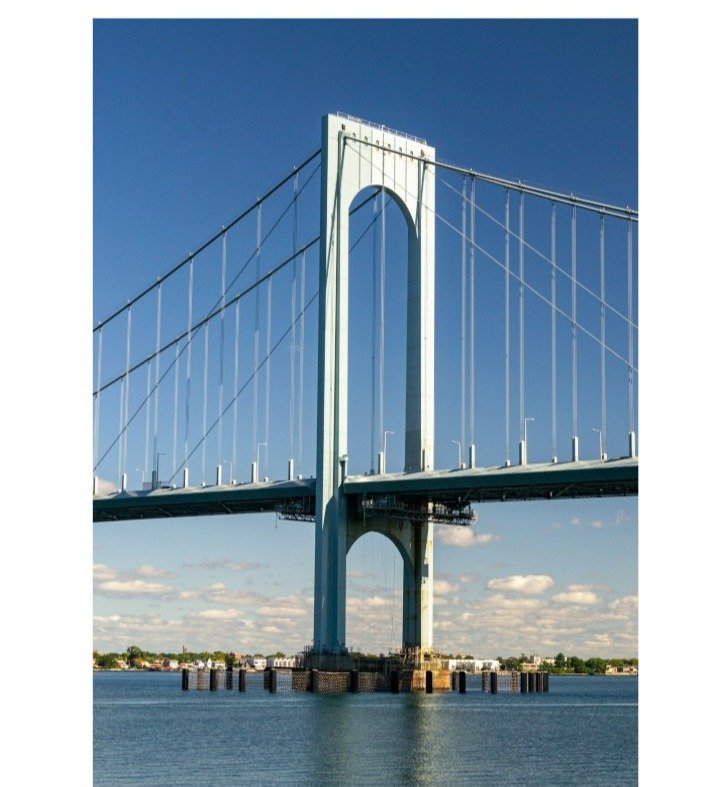
  3. Bally's Bronx, Ferry Point. This $4 billion project sits on the Ferry Point golf course site near the Whitestone Bridge. It includes a 500-room hotel and a 2,000-seat event center, with $765 million pledged in local benefits.

Queens is already absorbing big residential projects. In Long Island City, The Orchard is bringing 824 rental homes to the borough. In the Bronx, new rentals such as The Arabella show how much new supply is arriving before any casino opens.

Will a Casino Raise or Lower Nearby Home Values?

The honest answer is that research does not point one way. Studies of single markets have found both gains and losses near casinos. Results depend heavily on density, traffic and how many casinos already compete in the region.

A Richmond Fed economic brief reviewed the wider evidence in 2022. It found job gains concentrated in lower-density areas without nearby casinos. It also found "little evidence" that casinos boost state taxes. Where a region is already saturated, new casinos mostly take revenue from existing ones.

That matters for New York City. The metro area already has casinos in Yonkers, Atlantic City and Connecticut. Dense neighborhoods may feel construction, traffic and parking pressure more than any job windfall. The amenities promised alongside the gaming floor may matter more to nearby homeowners than the casino itself.

Why Does Baccarat Matter to the Business Case?

High-end casinos are built around a small number of large bets. Baccarat attracts many of them, because it is simple and moves quickly at high limits. That is why operators plan private salons, VIP suites and luxury hotel rooms around the tables.

For neighbors, the game shapes the kind of property that gets built. A few points stand out:

  • Premium table play supports larger hotels, restaurants and event spaces.
  • Hotel guests and event crowds bring evening and weekend traffic.
  • Operators compete for affluent visitors, which raises spending on design and amenities.
  • Projects aimed at high-limit play tend to keep long opening hours.

Which Project Opens First, and at What Cost?

Project Borough Planned investment Timing
Resorts World NYC Queens $5.5 billion Table games open since April 2026
Metropolitan Park Queens $8.1 billion Targeting 2030
Bally's Bronx Bronx $4 billion Targeting 2030
A tower of the Bronx-Whitestone Bridge rising over the East River on a clear day

Photo by David Vives on Unsplash

What Should Buyers and Renters Check Before Moving Nearby?

A casino license is a long-term change to a neighborhood. Before signing a lease or contract within walking distance, check these points:

  • Construction schedules and staging areas published by the operator or city agencies.
  • Transit changes, especially around Mets-Willets Point and Aqueduct Racetrack stations.
  • Parking rules and planned garages on surrounding streets.
  • Promised parks, community funds and local hiring commitments.
  • Community board meeting minutes for the latest disputes and conditions.

A casino is entertainment for adults, never an income plan. If gambling stops being fun for you or someone at home, New York's HOPEline is free and open 24 hours a day. Call 1-877-8-HOPENY or text HOPENY (467369). Callers outside the state can reach 1-800-GAMBLER at any hour.

Frequently Asked Questions

Which Casinos Won New York City Licenses?

Hard Rock Metropolitan Park in Queens, Resorts World New York City in Queens and Bally's Bronx won licenses. The State Gaming Commission approved all three on December 15, 2025.

When Will the New Casinos Open?

Resorts World added live table games in April 2026. Metropolitan Park and Bally's Bronx are targeting about 2030.

Do Casinos Raise Nearby Property Values?

The evidence is mixed. Outcomes depend on density, traffic and competition from other casinos, so each neighborhood needs its own look.

Is Online Casino Gambling Legal In New York?

No. New York allows mobile sports betting but has not legalized online casino games such as online baccarat.

Reading the Map Before the Doors Open

Three licenses will reshape parts of Queens and the Bronx over the next decade. The projects bring parks, hotels and tax revenue, along with traffic and construction. Buyers and renters gain most by watching the details: schedules, transit plans and the fine print of promised benefits, so the homework is worth doing now.

/
script>

3 Overlooked Essentials That Protect Your Home's Exterior

When you're planning your home's exterior, it's easy to spend hours choosing the perfect siding, comparing roof colors, and finding windows that suit the design. And rightly so, those choices matter. But before everything gets installed, there are a few practical details worth adding to your checklist. Your windows need the right wind-pressure rating, roof runoff needs a clear path into the gutters, and the walls need protection against moisture that works its way behind the siding. When these details aren't handled properly, the damage often builds out of sight, eventually leading to deteriorating materials and repair bills that run far beyond the original fix.

Window DP Ratings, The Number Worth Checking Before You Buy

Windows have a big job to do. They bring in natural light, connect your interior to the outdoors, and play a major role in your home's exterior design, yet one of the most important details to check before choosing them is their Design Pressure (DP) rating. DP ratings indicate the pressure a window assembly is designed to withstand under specified testing conditions, including pressure associated with wind pushing against the window and pulling away from it. DP ratings for windows matter because wind loads vary depending on your location, the home's height, its exposure, and its position on the building. A house on an exposed coastline, for example, faces different demands from one sheltered by neighboring buildings, so choosing windows based on appearance and price alone leaves a crucial part of the decision unfinished. Here's what to check before placing your order: Ask your window supplier for the DP rating of the exact window series and configuration you're considering, then have your builder or design professional verify that it meets the project's requirements under applicable local codes. Window size, opening style, glazing, and installation details all affect performance, so a rating from a similar-looking model isn't enough. Also, check that the installation specifications match the product being supplied. Even a properly rated window depends on correct anchoring, flashing, and sealing to perform as intended, and overlooking those details introduces the risk of leaks or window failure during severe weather.

The Small Flashing Detail That Prevents Water Damage

Rainwater runs down the roof, gathers speed, and follows the path of least resistance, which makes roof-to-wall intersections particularly vulnerable when the flashing details are incomplete or incorrectly installed. Water that gets behind the siding travels into areas that were never designed to stay wet, eventually putting wall sheathing, framing, insulation, and interior finishes at risk. Kick-out flashing deserves special attention at the lower end of a sloping roof where it meets a wall. This small, angled piece of metal directs roof runoff into the gutter rather than allowing it to pour down the wall and work its way behind the cladding. Without it, repeated exposure to rain often leads to deteriorating siding, damaged sheathing, and wood rot, with repairs becoming increasingly expensive as the damage spreads. Make sure to ask your builder how roof-to-wall intersections will be flashed before the siding goes on. Check that the flashing directs water outward, that the pieces overlap in the correct sequence, and that the kick-out flashing sends runoff into the gutter. Take photos of these details during construction, since the finished siding will conceal much of the work. Pay particular attention to walls with stucco or wood siding, as well as roof sections that terminate against walls above windows and doors. Those locations deserve careful detailing because water entering at roof level often travels down inside the wall before any interior staining appears.

What Happens Behind the Siding Matters

Your siding takes the brunt of the weather, yet some rain inevitably gets past the exterior cladding through joints, seams, and other openings. That's why the layer behind it matters so much. A weather-resistive barrier, combined with properly detailed flashing and a suitable drainage plane, helps keep water from reaching vulnerable wall components and gives moisture that gets behind the siding a route back outside. Without this protection, repeated wetting gradually damages the sheathing, compromises insulation performance, and creates conditions that encourage mold and wood decay. The details around windows, doors, electrical penetrations, vents, and exterior fixtures deserve particular attention because every opening interrupts the wall's protective layers. If the barrier and flashing aren't integrated in the correct sequence, water runs behind the protective system instead of draining over it and out of the wall assembly. Make sure to ask which weather-resistive barrier is specified for the project, how will its seams be sealed, and how will it connect to the flashing around windows and doors? Ask how the chosen siding system manages drainage, too, since different cladding materials require different installation details. Follow the manufacturer's instructions and applicable building codes rather than relying on a generic detail that doesn't match your wall assembly.

Each decision addresses a different vulnerability, but at the same time, they work together to protect the same structure. When wind pressure, roof runoff, and moisture behind the siding are properly accounted for, you reduce the risk of water intrusion, hidden structural damage, premature material failure, and costly repairs, giving your home's exterior a much better foundation for lasting performance.

/
script>

Historic Home Heating: How Old Buildings Handle Modern Comfort

Twenty eight degrees outside, and the radiator in a 1912 Upper West Side apartment is clanging like someone dropped a wrench down a pipe. You check the thermostat. Seventy two. Somehow the bedroom is still cold and the kitchen is a sauna.

That is not a malfunction. That is a century old system doing exactly what it was built to do, on its own schedule, by its own rules. Once you understand those rules, a prewar apartment stops feeling like a battle and starts feeling like a deal.

The short version: old buildings were designed around gravity, steam, and a single fuel source, and most of the comfort complaints you will hear at an open house trace back to that origin. Fixing them is not about ripping everything out. It is about knowing which upgrades respect the building and which ones fight it. If you are lining up HVAC services before a closing or a renovation, this is the context worth having in hand.

Why Your Prewar Radiator Has a Mind of Its Own

Steam and hot water radiators rely on the simple fact that heat rises and pressure moves. There is no fan, no compressor, no circuit board. A boiler in the basement makes steam or hot water, the steam travels up through risers buried in the walls, and each radiator releases air through a small valve until the metal gets hot enough to close it.

That is it. That is the whole system. And it explains almost everything you notice:

  • The clanging is condensate meeting steam in the same pipe, not a ghost

  • The radiator by the window exists to fight cold glass, not to warm the room evenly

  • The apartment above yours runs hotter because steam got there first

  • Your thermostat does nothing to individual radiators, because it was never wired to them

You can replace every valve in the building and still get uneven heat, because the imbalance is baked into the layout. The honest move is to work with the risers you have, which usually means balancing valves, venting correctly, and accepting that a 1900s building heats like a 1900s building.

Steam Heat, Hot Water, and Getting the Fuel Mix Right

Here is where historic buildings get genuinely interesting from an energy standpoint. Heating equipment tends to get replaced over time, so a 1920s building might still run its original cast iron radiators while the boiler in the basement was swapped for a modern high efficiency unit in the last decade. The distribution stays old. The source gets new.

That combination is why efficiency numbers on old buildings swing so wildly. According to the U.S. Department of Energy, space heating and cooling together account for roughly half of the energy used in a typical American home. In a prewar building with leaky single pane windows and uninsulated risers, that share can skew higher than any modern baseline, no matter how good the boiler is.

My take: fix the envelope before you replace the boiler. Storm windows, radiator reflector panels behind units, and door sweeps cost a fraction of a new mechanical system and often deliver more comfort per dollar. Everyone wants to buy equipment. Almost nobody wants to caulk.

Cooling: The Real Reason Portables Keep Winning

Central air in a prewar co-op is a project, not a purchase. Ductwork has to go somewhere, and in a building with plaster walls, original moldings, and a landmark designation, "somewhere" is the entire negotiation. That is why window units and high velocity mini duct systems dominate older Manhattan stock.

A few practical notes if you are weighing options:

  • Window units are cheap, loud, and often banned by co-op rules on front facades

  • High velocity mini duct runs through small flexible tubing that can thread inside existing walls and soffits

  • Ductless splits avoid ductwork entirely but need a place for the condenser and a board approval

  • Any of the above require an alteration agreement before a contractor touches a wall

Read your building's alteration agreement before you fall in love with a system. I have watched buyers budget for a ducted install and then discover the co-op requires a licensed engineer's drawings plus board review, which adds months and real money.

What Renovation Actually Changes

Renovations are where old buildings quietly get better. When walls open up, you get access you will never have again: chases for new piping, room for a properly sized air handler, and a chance to insulate risers that have been throwing heat into the wall cavity since the Coolidge administration.

It cuts both ways. Opening walls in a designated historic property can trigger review. According to the National Park Service, which runs the federal historic preservation programs, rehabilitation work on historically significant properties is guided by standards intended to preserve character defining features. That rarely means "no changes." It usually means the changes have to be thoughtful and documented.

The upside is real. A gut renovation is the cheapest moment in a building's life to fix comfort for the next fifty years, because the labor is already there. Doing it later means paying twice.

Systems Meet Rules: What Old Buildings Are Actually For

Step back and the picture makes sense. Prewar construction exists to hold land value, provide density, and last. The heating and cooling was a means to an end, not the point. Preserving the shell keeps the asset valuable, which is why co-ops guard it so fiercely and why buyers pay a premium for original detail.

That tension shows up in the numbers. According to the U.S. Department of Housing and Urban Development, older housing stock makes up a substantial share of the American housing market, and a large portion of it predates modern building energy codes. Those buildings are not going anywhere. They just need owners who understand what they are working with.

A Practical Checklist Before You Buy or Renovate

Whether you are touring a Tribeca loft or signing a contract on a Riverside Drive classic six, run through these before you commit money.

  1. Ask what heats the building. Steam, hot water, or forced air? Each has a different repair profile.

  2. Find out who controls the heat. If it is the building, your thermostat is decorative.

  3. Check the alteration agreement for cooling rules, facade restrictions, and required drawings.

  4. Get the boiler age and service history from the super, not the listing agent.

  5. Look at the windows. Original single pane glass is the biggest comfort variable in the apartment.

  6. Budget for the envelope first, equipment second.

None of this requires an engineering degree. It requires asking the right questions while you still have leverage.

The Comfort Question That Actually Matters

Old buildings are not broken. They are specific. They run on steam, gravity, and a set of rules written before anyone had heard of a heat pump. Buyers who understand those rules end up with the corner unit with the high ceilings and the working fireplace, and buyers who do not end up in a group chat complaining about the radiator.

So before your next showing, ask one question the listing sheet never answers: what does it actually feel like in February? Get that answer and the rest of the decision gets a lot easier.

/
script>