Best Red Light Therapy Device for Skin Rejuvenation: What NYC Faces Are Quietly Adding to Their Recovery Routine

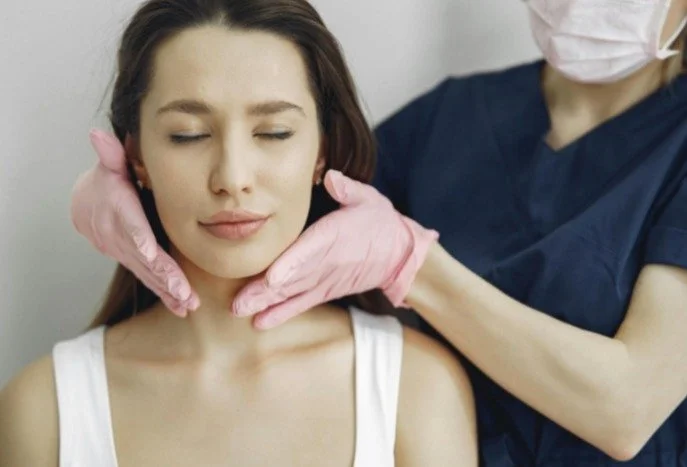
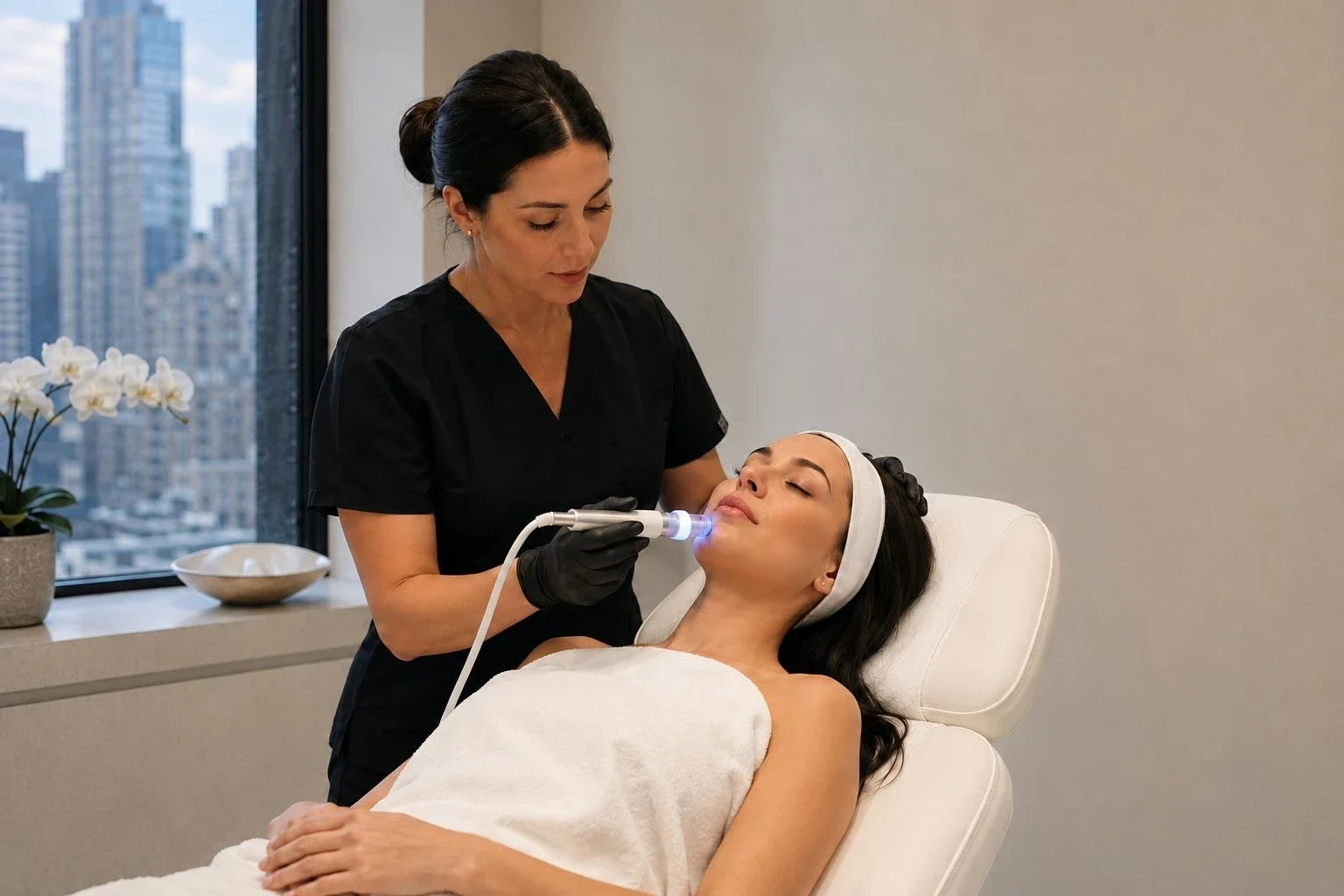
If you live in this city, your skin earns its hours. Late nights, long commutes, recirculated office air, makeup that goes on at 7am and comes off at midnight, and the kind of pollution that any New Yorker who has wiped their face with a cotton round can confirm exists. The recovery routine that used to mean a weekly facial and a strong moisturizer has quietly expanded over the past few years to include red light therapy, which sits somewhere between a science-backed treatment and a low-effort habit you can do while answering email. A growing number of city dwellers are looking into red light therapy for the face as part of a routine that does more than just hydrate the surface. Here are the panels actually worth considering, listed up front, with the supporting evidence and practical guidance below.

The Three Devices to Know

1. RLT Home Total Spectrum COMPACT

The COMPACT is the right pick for most NYC apartment routines because it covers a meaningful surface area without dominating a small bathroom, and the wavelength coverage maps directly onto the published skin rejuvenation research. Seven wavelengths total: 480, 630, 660, 810, 830, 850, and 1064nm. The 633 and 830nm bands the trials have used most consistently for fine lines, elasticity, and collagen support are both there, plus 1064nm for deeper-layer firming. The 480nm blue channel is the only one not strictly necessary for skin rejuvenation, though it has separate uses for acne-prone skin if that is part of your concern set.

Three practical features matter for a NYC routine. Independent channel control lets you dial in the wavelengths that suit your particular skin pattern (lines and texture vs. laxity, for example) rather than running the same preset every session. The panel tests at near-zero EMF at six inches, which is a quiet reassurance for daily use. And the included accessories (electric stand, eye protection, a free personalized therapy plan delivered by a clinician) are the kind of details that brands at this price point usually charge $200-plus extra for. At $1,095 with a 60-day risk-free trial, a 3-year warranty, free insured delivery, and HSA/FSA eligibility via Truemed, it lands in the same investment range as a year of in-office laser facials, but with no end date. Fortune named the COMPACT specifically the top anti-aging panel pick in January 2026. The full range is at RLT Home.

2. Aphrona LED Face Mask

Aphrona's LED face mask has become a familiar fixture in NYC skincare routines over the past two years, partly because the form factor is easy to use during 20 minutes of doing something else, and partly because it travels well. The mask delivers red, infrared, and additional wavelength channels in a flexible, contoured shell that wraps the face and neck. The trade-off compared to a panel is on the wavelength side: face masks deliver lower irradiance at the skin than a panel of equivalent quality, because the LEDs sit directly against the skin and rely on power-per-LED rather than total panel output. For someone who wants the most ritualized possible at-home application and who will use it religiously, the mask format is engaging in a way that a panel is not. For maximum research-backed output, a panel still pulls ahead.

3. Heliocure Helio Glow

The Helio Glow is Heliocure's mid-size panel, delivering six wavelengths (630, 660, 810, 830, 850, and 1064nm) without blue light. The no-blue-light positioning is a deliberate choice the brand makes for skin work, since 480nm has no published role in collagen or wrinkle reduction and can affect circadian rhythm if used in the evening. The 216 LED array measures roughly 29.9 by 11.8 inches, large enough to treat the face, neck, and decolletage in a single session, which is the practical advantage over a smaller panel for someone whose rejuvenation goals span multiple zones. The brand publishes independent irradiance data via LightLab and offers the same 60-day trial, 3-year warranty, and free US shipping as the RLT Home panels. For someone whose primary use case is comprehensive evening skin work without blue light interference, the Helio Glow is a strong fit.

What Skin Rejuvenation Actually Is

Skin rejuvenation is the umbrella term for treatments and habits that slow or reverse the visible markers of aging skin: fine lines, wrinkle depth, loss of elasticity, uneven texture, dullness, and reduced firmness. Some of this is genuine cellular aging (collagen and elastin production slow with age, fibroblast activity decreases, cellular turnover takes longer). Some of it is accumulated environmental damage (UV exposure, pollution, oxidative stress from late nights and poor sleep). Most of what shows up on a face by the mid-thirties is a mix of both, in unpredictable ratios.

The traditional aesthetic approach has been to address the visible outcome rather than the underlying cause. Retinoids accelerate turnover. Peptide serums signal fibroblasts. Microneedling and lasers create controlled micro-injuries to provoke a healing response. Fillers and Botox address structure and movement. All of these work to varying degrees. All have either recovery time, ongoing cost, or both.

Red light therapy works at the cellular level rather than the surface level. Specific wavelengths of red and near-infrared light are absorbed by mitochondria in the dermal fibroblasts, increasing ATP production, reducing oxidative stress, and creating the metabolic conditions for fibroblasts to behave more like younger fibroblasts. Over weeks of consistent use, the result is increased collagen and elastin synthesis, improved skin texture, and measurable reductions in wrinkle depth.

The Research

The clinical evidence for red light therapy on skin rejuvenation is meaningful, well-replicated, and covers the parameters most relevant to home use.

A 2007 prospective, randomized, placebo-controlled, double-blinded split-face clinical study published in the Journal of Photochemistry and Photobiology B, LED phototherapy for skin rejuvenation: clinical, profilometric, histologic, ultrastructural, and biochemical evaluations, established the foundational evidence for LED-based skin rejuvenation. The trial compared three different treatment settings using 633nm and 830nm LED light. All active treatment groups showed measurable improvements in skin texture, fine lines, and patient satisfaction over 12 weeks, with histologic biopsy confirming increased collagen and elastin protein synthesis in the treated skin.

A widely cited follow-up controlled trial used a similar 633nm and 830nm dual-wavelength protocol and reported up to 36 percent reductions in wrinkle volume, 19 percent improvements in elasticity, and measurable increases in intradermal collagen density on biopsy, with patient satisfaction scores well above the placebo group.

A 2023 broad review synthesized more than a decade of published trials and concluded that 633nm and 830nm in combination, delivered three to five times per week for 8 to 12 weeks, produces the most consistent and measurable improvements in fine lines, elasticity, and collagen density. The reviewers noted that the effects are cumulative, with the meaningful structural improvements emerging in weeks 6 through 12 rather than in the first few sessions.

The takeaway across the published literature: red light therapy works on skin rejuvenation specifically when the wavelengths used match the trials (633 and 830 in combination, at minimum), and when the protocol is consistent over weeks rather than sporadic over months.

How to Use It in a Real Routine

The good news for anyone with a packed calendar is that the protocols used in the trials are not demanding. Three to five sessions per week, 10 to 20 minutes per session, with the panel positioned 6 to 12 inches from the skin. Most NYC users build it into a window of time that already exists: while reading before bed, during a morning skincare routine, while listening to a podcast at a desk. The treatment itself feels mildly warm, like sunlight through a window. There is no sting, no recovery time, and no required downtime.

Eye protection during facial sessions is essential. The included goggles in quality panels are not optional accessory but protective. Skincare products containing photosensitizing ingredients (certain retinoids, hydroquinone, some essential oils) should be applied either well before or well after sessions, not immediately before, because they can amplify light absorption in ways that have not been studied.

Expect the first noticeable changes around week four (improved skin texture, slight softening of fine lines), with the more meaningful structural changes (elasticity, deeper line softening, collagen density) emerging closer to week 8 to 12. Maintenance after the initial protocol typically settles at two to three sessions per week indefinitely.

Closing Thoughts

For city skin specifically, red light therapy fits the routine in a way few skincare investments do. The clinical evidence is consistent, the safety profile is strong, and the format works around the kind of schedule a New Yorker actually keeps. A serious panel pays for itself against in-office facials within a year, and the device sits in your apartment ready to use whenever you want it.

Of the three options here, the RLT Home Total Spectrum COMPACT is the most versatile pick for anyone treating multiple zones (face, neck, decolletage) and who values the wavelength flexibility and included accessories that the panel comes with. The Aphrona LED Face Mask is the right call for someone who wants a portable, ritualized mask format and is willing to trade some irradiance for the experience. The Heliocure Helio Glow is the strongest dual-wavelength alternative for evening-routine use specifically, with the no-blue-light configuration suited to that time of day.

Whichever you choose, give it the eight to twelve weeks the research requires. The hardest part is the patience. The easier part is that you can do it from your couch.

/
script>

Common Wig Mistakes Beginners Make and How to Avoid Them

Stepping into the world of wigs can feel like navigating a complex fashion maze. Whether you're dealing with hair loss, experimenting with a new look, or simply wanting to change your style, wigs offer incredible versatility and confidence. However, many newcomers find themselves tripping over common pitfalls that can turn their wig experience from fabulous to frustrating. This comprehensive guide will walk you through the most prevalent wig mistakes that beginners make, offering expert insights and practical solutions to help you look and feel your absolute best. From selecting the perfect wig to maintaining its beauty, we'll cover everything you need to know to become a wig-wearing pro.

Choosing the Wrong Wig Type for Your Lifestyle

Selecting a wig is more than just picking a pretty style - it's about matching your daily life's demands. Many beginners make the critical error of choosing a wig that looks stunning in the store but proves impractical for their everyday routine. Before making a final choice, it helps to view the wig collection to compare different styles and see which ones fit your daily activities and comfort level. Consider a busy professional who selects a long, flowing style that constantly requires styling, only to find themselves frustrated with morning maintenance. Different lifestyles demand different wig types. Active individuals might need more secure, shorter styles that can withstand movement, while those in corporate environments might prefer more polished, structured looks. The key is understanding your personal needs - do you work out frequently? Do you live in a humid climate? Are you looking for something low-maintenance or willing to invest time in styling? Synthetic wigs offer affordability and preset styles, while human hair wigs provide maximum versatility but require more care and investment.

Ignoring Your Face Shape When Selecting a Wig

Understanding your face shape is crucial in selecting a flattering wig that enhances your natural features. Many beginners make the mistake of choosing a style based solely on appearance without considering how it complements their facial structure. Round faces benefit from wigs with height and volume at the crown, creating an elongating effect. Oval faces are considered the most versatile, able to pull off nearly any wig style with ease. Heart-shaped faces look stunning in shoulder-length styles that soften angular jawlines, while square faces can benefit from soft, layered cuts that minimize sharp angles. Professional stylists recommend trying multiple styles and taking photographs to see how different wig shapes interact with your unique facial characteristics. Color and texture also play significant roles - lighter colors can create the illusion of softness, while darker shades provide definition and structure.

Buying the Wrong Wig Size and Fit

Wig sizing is a nuanced art that many newcomers overlook, leading to uncomfortable and unnatural-looking results. Most people assume wigs come in standard sizes, but head circumferences vary dramatically. A poorly fitted wig can slip, cause discomfort, and look unrealistic. Measuring your head correctly involves using a flexible measuring tape around your hairline, behind your ears, and at the nape of your neck. Most wig manufacturers offer size charts with small, average, and large options. Some wigs come with adjustable straps and combs for a more customized fit. Consultation with a professional wig specialist can help determine your exact measurements and recommend styles that will feel secure and natural. Pay attention to the wig cap construction - lace front options provide more breathability and a more natural hairline, while traditional caps might work better for those seeking maximum coverage.

Skipping Proper Wig Care and Maintenance

Neglecting proper wig maintenance is a cardinal sin in the wig-wearing world. Different wig materials require specific care routines. Synthetic wigs need gentle washing with specialized shampoos, avoiding high temperatures that can damage synthetic fibers. Human hair wigs demand more intricate care, including conditioning, careful drying, and protection from environmental damage. Storage is equally critical - using wig stands prevents tangling and maintains the style's original shape. Avoid storing wigs in direct sunlight or humid environments, which can cause color fading and fiber degradation. Invest in quality wig care products specifically designed for your wig type. Regular gentle brushing, using wide-toothed combs for synthetic wigs and specialized brushes for human hair, helps maintain the wig's texture and prevents matting.

Not Learning Basic Wig Styling Techniques

Many beginners feel overwhelmed by styling possibilities, leading to minimal experimentation and missed opportunities for personalization. Learning fundamental styling techniques can transform a generic wig into a personalized statement piece. If you’re just starting out, exploring practical wig styling tips can help you understand how to shape, adjust, and style your wig with confidence. Start with basic techniques like using bobby pins for secure placement, understanding how to create natural-looking parts, and mastering subtle volume adjustments. YouTube tutorials and professional wig workshops offer excellent resources for learning styling methods. Practice is key - experiment with different styling tools and techniques on a wig stand before wearing. Understanding how to blend the wig with your natural hairline, use concealer to mask edges, and create subtle movement can dramatically improve your wig's overall appearance.

Using Too Much Heat on Synthetic or Human Hair Wigs

Heat damage represents a significant risk for wig wearers, particularly those new to wig maintenance. Synthetic wigs have specific heat limitations - most cannot withstand traditional styling tools without immediate fiber damage. Human hair wigs require careful heat management, using low-temperature settings and heat protectant products. Invest in professional-grade styling tools with adjustable temperature controls. Always use a heat protectant spray before applying any thermal styling method. For synthetic wigs, consider heat-friendly options designed to withstand moderate styling temperatures. Some modern synthetic wigs can handle low-heat styling, but traditional versions will melt or become permanently damaged with direct heat application.

To close

  • Understand your lifestyle and choose a wig that matches your daily routine

  • Consider your face shape when selecting wig styles

  • Get professionally measured for the perfect wig fit

  • Invest in specialized wig care products

  • Learn basic styling techniques

  • Use heat carefully and sparingly

  • Store wigs properly on stands away from direct sunlight

  • Practice and experiment to build confidence

/
script>