Practical Home Comfort Upgrades That Really Pay Off
Comfort at home involves more than flipping a switch on an air conditioner. It means stable temperatures, clean indoor air, manageable humidity, and quiet operation working together throughout the year. In Melbourne, where summer heatwaves demand cooling and winter nights require efficient heating, the upgrades you choose must perform across both extremes without sending your energy bills through the roof.
Space heating and cooling account for roughly 40% of household energy use in Australia, making these systems the prime target for meaningful improvements. I follow an 80/20 approach: seal and insulate the thermal shell first, add passive cooling and shading, then electrify with high-efficiency systems like reverse-cycle splits and heat-pump water heaters. This sequence ensures you spend money where it counts most.
What Home Comfort Upgrades Mean in Practice
Think of comfort as a system where your building shell, passive design, and mechanical equipment back each other up.
Effective upgrades address three interconnected layers: your thermal shell, passive strategies, and mechanical systems. The thermal shell includes insulation and air sealing, which reduce heat flow and draughts so your equipment works less. Passive cooling encompasses external shading, ventilation, and ceiling fans that cut heat gains before you touch the thermostat.
Efficient electrification centres on reverse-cycle split systems delivering 300–600% efficiency and heat-pump water heaters using about 30% of the energy of resistive electric units. For Melbourne's climate, design for both seasons: shade west and east exposures in summer, seal draughts for winter, and select systems with strong low-ambient heating performance.
Start With a 30-Minute Home Comfort Triage
A quick, structured walk-through reveals 80% of your comfort problems before you spend a cent on new equipment.
Before spending money, diagnose where your home leaks comfort. A quick inspection reveals most draught sources, problematic window orientations, and ventilation failures without any tools.
● Walk the perimeter checking gaps at doors, skirting boards, and utility penetrations; feel for air movement on windy days.
● At night, use a torch; light leaks around doors and windows indicate air pathways needing seals.
● Log temperatures morning and afternoon; rooms swinging more than 3°C signal solar gain or leakage problems.
● Mark west and north window exposures as summer shading priorities.
● Turn on bathroom and kitchen exhausts and verify they discharge outside, not into the ceiling space.
● Photograph each issue with dimensions to create your scope for quotes and DIY fixes.
Typical findings in Melbourne homes include unsealed floorboards in raised timber houses, gaps around original sash windows, and west-facing living areas overheating after 3 pm. Recirculating rangehoods that leave steam and odours trapped indoors are also common.
Seal First, Insulate Right
Sealing uncontrolled air leaks and adding appropriate insulation usually deliver the fastest, cheapest comfort gains in any existing home.
Draught-proofing can reduce heat loss by 15–25%, improving winter comfort and reducing heater runtime significantly. Start by installing door seals, weatherstrips, and automatic door bottoms. Add sash locks and brush seals to original timber windows, and seal penetrations at skirting, under sinks, and around pipes.
For insulation, ceiling batts to at least R3.5 deliver high returns in Victoria, with R5.0 offering even better performance. Lay batts snugly without gaps or compression. In raised timber homes, underfloor insulation dramatically improves winter comfort while maintaining proper ventilation beneath.
After completing this work, retest for draughts and monitor relative humidity to ensure you have not created moisture traps.
Windows and Coverings That Actually Work
Treat windows as both a comfort asset and liability, then upgrade glazing and coverings to control heat, light, and draughts.
Windows can account for up to 40% of heating energy losses and up to 87% of unwanted summer heat gains. Double glazing reduces heat loss by up to 30% versus typical single glazing, but quick wins exist before major glazing work.
Install tightly fitted, lined curtains reaching the floor with enclosed pelmets to reduce convective loops at windows. Cellular blinds in bedrooms provide insulation and blackout capabilities. For medium-level improvements, add adjustable external blinds or awnings to west and east windows, managing low-angle sun before it enters. When replacing windows, specify double glazing and focus budgets on the largest, most-exposed openings first.
Passive Cooling and Shading for Australian Summers
Well-planned shading and airflow can keep your home comfortable through heatwaves while dramatically cutting reliance on active cooling.
Well-designed external shading blocks up to 90% of solar heat before it enters your home. Ceiling fans make a room feel about 3°C cooler, allowing you to raise air conditioning setpoints while maintaining comfort. For north-facing windows, size eaves to block high summer sun but admit winter warmth. East and west exposures need adjustable screens or external blinds to handle low-angle morning and afternoon sun.
Create night purge ventilation paths by opening high and low windows to flush accumulated heat. Size ceiling fans by room area: 48–52 inches for spaces up to 20 square metres, 52–60 inches for 20–36 square metres. Run fans counterclockwise in summer for direct cooling and reverse direction in winter to gently destratify warm air without creating draughts.
Split-System Air Conditioner Installation
Correctly specified and installed split systems provide quiet, zoned comfort at a fraction of the running cost of older heaters.
Reverse-cycle split systems represent the most efficient combined heating and cooling option for existing homes, delivering roughly 300–600% efficiency. Proper installation determines whether you achieve these gains or waste money on an oversized, noisy unit that short-cycles and fails to dehumidify properly. If you are in Melbourne and ready to add zoned heating and cooling with high efficiency, book split air conditioner installation with Savage Air to ensure correct sizing, quieter operation from proper siting, and eligibility for local rebate programs.
Sizing and Placement Essentials
Use established sizing guidance: approximately 2–2.5 kW for rooms up to 20 square metres, 2.5–5 kW for 20–40 square metres, and 4–6 kW for 40–60 square metres. Avoid oversizing, which causes short cycling and undermines humidity control. Mount indoor heads high with clear throw across the room and easy access for filter cleaning.
Outdoor Unit Considerations
Maintain clear airflow around outdoor units, generally 300mm behind and one metre in front, though you should verify model specifications. Isolate vibration with appropriate mounts and avoid placement near bedroom windows or neighbours' sensitive areas. Check sound power levels on the Zoned Energy Rating Label (ZERL), which shows efficiency by climate zone and expected annual energy use.
Verify your installer holds an ARCtick licence via the Australian Refrigeration Council. This affects performance, safety, and rebate eligibility. Pair your split system with ceiling fans to raise setpoints 1–2°C, saving 5–10% energy per degree adjusted.
Smarter Control and Zoning Without a Renovation
Using doors, fans, and thermostat settings strategically can feel like a mini-renovation, without touching walls or ductwork.
Each 1°C change in thermostat setpoint alters heating and cooling energy use by roughly 5–10%. Simple zoning using existing doors contains conditioned air where needed without expensive ductwork modifications.
In summer, aim for 24–26°C with fans running; in winter, target 18–20°C. Pre-cool your home early afternoon on heatwave days before peak temperatures hit. Close doors to contain cooled or heated air to living areas or bedrooms, and undercut bathroom doors slightly for makeup air when exhaust fans run.
Prefer inverter systems with strong efficiency at part load, and check manufacturer performance curves for low-ambient heating capability.
Hot Water Comfort With Heat Pumps
Modern heat-pump water heaters cut energy use dramatically while still delivering reliable hot showers on cold Melbourne mornings.
Heat-pump water heaters use about 30% of the energy of conventional electric storage systems, with potential savings of up to 75% on hot water energy costs. Size storage to household patterns: approximately 250 litres for small families and 300–315 litres for typical four-person homes.
Provide clear airflow for outdoor units and plan for defrost condensate drainage. Schedule heating to daytime hours if you have solar panels to absorb excess generation. Stack Small-scale Technology Certificates with Victorian Energy Upgrades discounts where eligible to significantly reduce upfront costs.
Taken together, these electric heating, cooling, and hot water upgrades form the backbone of a modern, efficient home, and they also set the stage for smarter kitchen design choices that further reduce waste heat and indoor pollutants.
Kitchen Renovations in Melbourne
Designing your kitchen for low emissions and low waste heat improves whole-of-home comfort, especially in smaller or open-plan layouts.
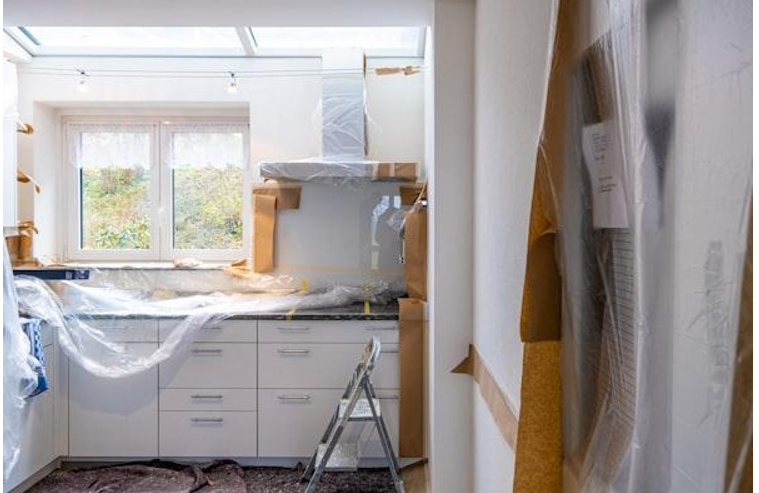
The kitchen generates more indoor pollutants and waste heat than any other room. Ducted-to-outside rangehoods consistently outperform recirculating units for removing pollutants and steam. Australian medical research estimates gas cooking contributes to up to 12% of childhood asthma burden through nitrogen dioxide and fine particle emissions.
When you are rethinking layout, storage, and ventilation, it pays to involve a specialist early so appliance choices, duct runs, and services are coordinated with the broader comfort and efficiency plan for your home. For a comfort-first layout, proper ventilation ducted outside, and a seamless switch to induction, consider expert-led kitchen renovations Melbourne with Mint Kitchen Group to rework zones, specify the right rangehood, and streamline installation.
Ventilation and Cooking Upgrades
Specify a ducted rangehood matching cooktop width with smooth, short duct runs and gentle bends to maintain airflow. Run the hood on low a few minutes before cooking and 10–15 minutes after to clear residual pollutants. Induction cooktops transfer heat at roughly 85% efficiency versus 32% for gas, reducing room heat while cooking faster and more controllably.
Replace halogen downlights with LED fittings using about 75% less energy and generating far less heat that burdens your cooling system. Choose warm-to-neutral colour temperatures and high colour rendering for task areas.
Air Quality and Moisture Control Across the Home
Managing humidity and pollutants is as important as temperature control if you want a healthy, comfortable home year-round.
Healthy indoor air requires managing humidity between 40–60% relative humidity. Run bathroom fans during showers and for 10–15 minutes after, ensuring door undercuts allow makeup air and exhaust ducts terminate outside.
Eliminate unflued gas heaters, which release nitrogen dioxide and moisture directly into your living space. Use a small hygrometer to track humidity levels and deploy dehumidifiers strategically during wet spells. Clean rangehood and exhaust fan filters regularly and fix leaks promptly to prevent mould establishing in wall cavities.
Rebates, Codes, and Compliance
Using rebates and meeting compliance requirements lets you stretch your budget further while avoiding expensive rework later.
Victorian Energy Upgrades participants report average bill savings of around $110 per year across measures, with all-electric homes potentially saving about $1,900 annually without solar and $2,230 with solar panels. Stack Small-scale Technology Certificates with VEU discounts for heat-pump water heaters and reverse-cycle splits where eligible.
Use the Zoned Energy Rating Label (ZERL) for climate-specific efficiency data and verify ARCtick installer licences before signing contracts. Collect documentation during installation to ensure smooth rebate claims processing.
Budgeting and Sequence for Results
A staged, budget-aware plan keeps upgrades manageable while steadily improving comfort, resilience, and running costs.
For starter budgets under $2,000, focus on draught-proofing doors, windows, and penetrations; add lined curtains with pelmets; and install ceiling fans with smart scheduling on existing systems. Core budgets between $2,000–$8,000 support comprehensive insulation top-ups, external shading on west and east exposures, a high-efficiency split in the main living area, and LED replacements throughout.
Major budgets from $8,000–$25,000 enable additional splits or multi-split solutions, heat-pump water heaters, glazing upgrades for key exposures, and kitchen ventilation improvements including induction cooktops. Prioritise the thermal shell first to reduce equipment sizing requirements, then add mechanical systems that work less and last longer.
Turning Your Plan Into Action
Small, scheduled actions compound quickly, so treat comfort upgrades as a project with clear next steps and milestones.
By tightening your thermal shell and implementing passive cooling first, you reduce the size, cost, and runtime of mechanical systems while improving comfort and reducing operational noise. This week, complete your 30-minute triage, purchase and install basic seals, and set fan directions and schedules ahead of temperature extremes.
Over the next 90 days, book insulation and shading quotes, plan your first split installation for the main living area, and assess heat-pump water heater options alongside available rebates. Melbourne homeowners can stack incentives and use ZERL ratings plus ARCtick verification to buy and install confidently for lasting comfort improvements.