Strategies to Prevent Complications During Injury Recovery
Recovery from an injury is often a challenging journey, requiring both physical and mental resilience. Understanding the risks associated with this process is vital to minimizing complications that could impede healing. Multiple strategies exist to support a smooth recovery, from following medical advice to implementing supportive lifestyle changes. By taking proactive steps, individuals can enhance their chances of a successful recovery and return to full activity.
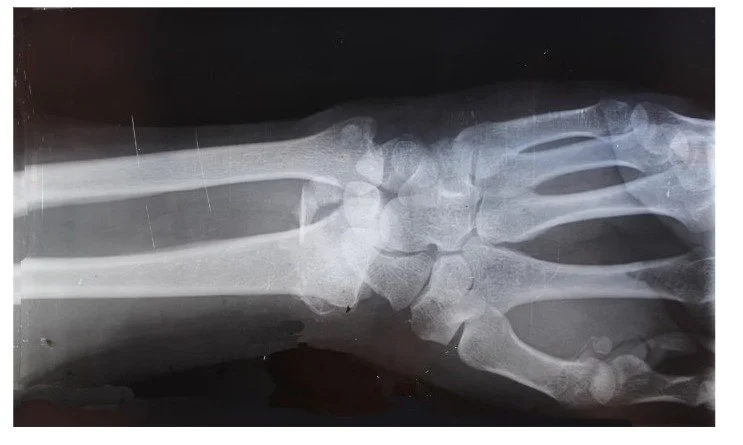
Understanding Common Complications
Injury recovery can be complicated by various factors that hinder healing. Recognizing potential complications enables individuals to be vigilant and seek intervention when necessary. Some common issues include infections, improper healing, and psychological factors like anxiety or depression. Infections often arise due to surgeries or open wounds, which can lead to prolonged recovery times and additional medical interventions.
Proper wound care, maintaining hygiene, and adhering to prescribed aftercare can reduce the likelihood of infection. Poor healing, often linked to inadequate rest or nutrition, may stem from underlying medical conditions. Issues like diabetes or autoimmune disorders can complicate recovery by hindering the body’s natural healing processes.
Monitoring one’s health and working closely with healthcare providers is integral to addressing these challenges. Psychological factors can significantly impact physical recovery. Anxiety about regaining full functionality, coupled with the stress of being sidelined from regular activities, can contribute to feelings of frustration and hopelessness. Addressing mental well-being is necessary for a holistic recovery approach.
Importance of Medical Guidance
Engaging with healthcare professionals is a cornerstone of effective recovery. Clear communication about symptoms, pain levels, and progress can aid in tailoring an individual recovery plan. Regular check-ups provide opportunities for medical professionals to monitor healing and make adjustments as needed. The team behind Malloy Law Offices says that understanding your rights as a patient is equally important. When dealing with injury recovery, individuals should feel empowered to ask questions and express concerns regarding their treatment plan.
Collaboration between patient and provider fosters trust and can lead to better outcomes. Following prescribed treatment protocols, which may include physical therapy and medication regimens, sets the stage for optimal recovery. Any deviations from these protocols may lead to setbacks and complications, so it is important to remain consistent.
Nutritional Support
Nutrition plays a pivotal role in recovery by providing the necessary building blocks for tissue repair and immune function. A balanced diet rich in vitamins, minerals, and protein is critical. Specific nutrients like vitamin C and zinc can promote healing and reduce inflammation. Incorporating an array of fruits, vegetables, whole grains, and lean proteins can contribute to a well-rounded dietary intake.
Staying hydrated is equally important, as fluids facilitate nutrient transport and aid in various bodily functions, including recovery processes. Consulting a nutritionist can provide personalized dietary advice tailored to individual recovery needs. This guidance can ensure that individuals are healing appropriately and avoiding potential complications that arise from nutritional deficiencies.
Physical Activity and Rehabilitation
Engaging in appropriate physical activity is another important component of the recovery process. Depending on the injury, specific exercises may be recommended to restore mobility, strength, and function. Physical therapy plays a significant role in this aspect, with therapists designing targeted programs to facilitate recovery. While rest is critical during recovery, avoiding complete inactivity is equally important.
Gentle movements can enhance circulation and may promote shorter recovery periods. Patients should work closely with physical therapists to establish a suitable regimen that takes into account their unique conditions and goals. Returning to normal physical activity levels should be gradual. Individuals should listen to their bodies and prioritize safety to avoid setbacks resulting from overexertion.
Emotional Well-Being
The mental aspect of recovery is often overshadowed, yet it carries substantial weight. Injuries can lead to feelings of isolation and depression, compounding the physical healing process. Acknowledging these feelings and addressing them head-on is important. For many, seeking support from friends and family can provide an emotional outlet, while others might benefit from professional counseling.
Practices like mindfulness meditation or yoga can help in reducing anxiety and improving mood during recovery periods. Creating a support network can foster resilience, assisting individuals in navigating the ups and downs that accompany healing. Remember, emotional well-being is just as important as physical recovery.

Monitoring Progress and Adjustments
Regular assessment of recovery progress can help in identifying potential complications early. Patients should maintain open lines of communication with their healthcare team, reporting any concerns or changes in their conditions promptly. Utilizing tools like recovery journals can assist individuals in tracking symptoms, moods, and progress. A systematic approach to monitoring can illuminate trends that inform discussions with health professionals, leading to timely interventions if issues arise.
Being adaptable in the recovery approach helps in addressing setbacks effectively. Should issues occur, such as increased pain or unexpected symptoms, adjustments to the recovery plan may be necessary to facilitate better outcomes. Addressing complications swiftly can prevent them from spiraling into more serious issues, ensuring that individuals stay on track throughout their healing journey. The journey of injury recovery is filled with both physical and mental challenges.
By remaining vigilant about potential complications, engaging with healthcare professionals, and prioritizing well-being, individuals can promote a smoother recovery process. Taking proactive steps minimizes risks and encourages a positive outlook during a difficult time.

