Selecting Protective Lenses That Match Kids’ Needs
Choosing the right protective lenses for children can be a challenging task due to various factors such as age, activity level, and specific needs. With an increasing awareness of the importance of eye safety, particularly in sports and outdoor activities, parents are becoming more proactive in selecting suitable options for their kids. The demand for protective eyewear is growing, driven in large part by parental concerns about safeguarding their children’s vision while allowing them to participate in sports and activities that could put them at risk for eye injury. This consideration emphasizes the need for understanding what types of lenses are available and how they can effectively meet children’s needs.
Understanding the Types of Protective Lenses
Before diving into the process of selecting protective lenses, it is crucial to understand the different types of lenses available on the market. Standard safety glasses are often made from polycarbonate materials, which are remarkably durable and impact-resistant. These glasses are a great option for general use and can effectively protect against low-velocity impacts, which are common in many playgrounds and school environments. If your child participates in sports such as basketball, soccer, or baseball, prescription sports glasses for kids at Goggles N More provide specialized features that enhance visibility and protection, making them a perfect fit for active lifestyles. Investing in quality eyewear and committing to regular check-ups can provide peace of mind while allowing children to thrive in their active lives.
Consider the Fit and Comfort
When selecting protective lenses for children, one of the primary considerations is comfort and fit. Glasses that fit poorly can cause discomfort and distraction, making it challenging for children to focus on sports or other activities. It's important to ensure that the frames are neither too tight nor too loose. Ideally, they should sit snugly on the bridge of the nose without pinching and stay in place as your child engages in physical activities.
Child-friendly features such as adjustable nose pads and non-slip ear grips can significantly contribute to a comfortable fit, ensuring that the eyewear remains securely in position during play. Lightweight materials can enhance comfort, minimizing the likelihood that children will want to remove their glasses during crucial moments of play.
Evaluating Lens Coatings
Another important aspect to consider when selecting protective lenses is the various coatings available. Anti-fog coatings can be particularly useful for active children who frequently transition between indoor and outdoor environments. Children often find themselves in situations where their glasses can fog up, obstructing their vision during critical moments. Scratch-resistant coatings provide a layer of protection against everyday wear and tear caused by handling, carrying, and using protective glasses.
UV protection is crucial for outdoor sports, as children spend extended time under direct sunlight. Lenses that block harmful UV rays help preserve eye health and reduce the risk of developing sun-related conditions later in life. For parents seeking multipurpose options, some lenses even offer polarizing features that reduce glare, making them even more suitable for outdoor activities such as fishing or cycling.
Incorporating Prescription Lenses
If your child requires vision correction, incorporating prescription lenses into their protective eyewear is crucial. Opting for prescription sports glasses ensures that your child enhances their ability to see clearly. If they struggle with poor vision while participating in sports, it could significantly impact their performance and enjoyment of the game.
With the availability of specialized options, such as prescription sports glasses for kids, parents can find tailored solutions that meet both protective and vision-correcting needs without compromising on style or comfort. It is critical to get a proper eye examination and consult with an eye care professional to determine the ideal prescription that will be used in the selected eyewear. By prioritizing visual clarity and safety, parents can help their children enjoy sports while minimizing the risk of eye injuries.
Budget Considerations and Long-Term Value
Parents should factor in the cost when selecting protective lenses. While it may be tempting to opt for the cheapest option, it’s important to consider the long-term value of investing in high-quality eyewear. Cheaper glasses may not provide adequate protection or may not last as long, leading to replacement costs.
Well-constructed protective lenses often include warranties and guarantees that enhance their value. It is worthwhile to search through reviews and experience other parents have had with specific brands to ensure you are making a sound investment. Understanding which lenses are covered under insurance can sometimes alleviate the financial burden of obtaining properly fitted and protective eyewear.
The Importance of Regular Eye Check-ups
One cannot overlook the importance of routine eye check-ups when discussing protective eyewear for children. Regular visits to an eye care professional will ensure that any changes in your child's vision are monitored and managed promptly. Experts recommend annual eye examinations for children, particularly if they are involved in sports or other visually demanding activities.
This proactive approach allows parents to adapt their child's eyewear needs as they grow and their vision changes. Addressing potential vision issues and ensuring proper fitting is vital for maximizing your child’s performance and safety during their activities.
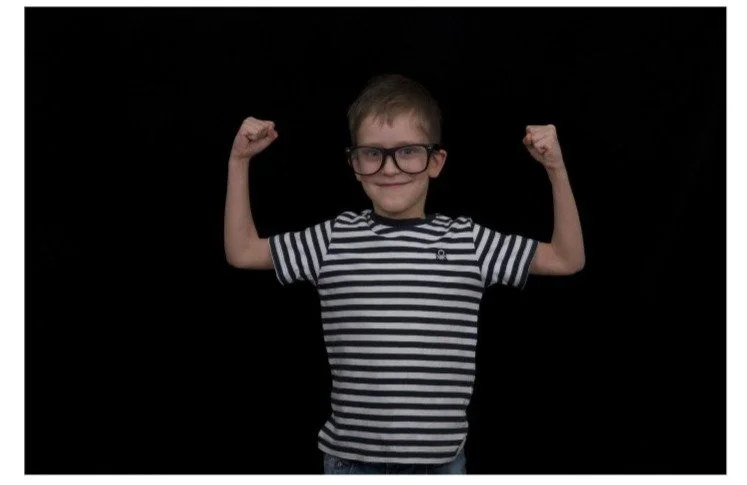
With the right understanding and considerations in place, parents can confidently select protective lenses that shield their children's eyes and support their growth and development in various activities. Ensuring a secure fit, correct coatings, and the right prescription can enhance both safety and performance, leading to a more enjoyable experience for children.