Improving Safety with Reliable Outdoor Lighting
Outdoor lighting plays a critical role in protecting homes, businesses, and public areas. Well-planned illumination can deter intruders, prevent accidents, and make a property more inviting after dark. From driveways to backyards, lighting offers peace of mind and convenience. Safety concerns often arise when outdoor areas remain poorly lit, creating blind spots where hazards or unwanted visitors might go unnoticed. Investing in reliable lighting systems can change how people move and interact outside once the sun goes down. A careful choice of fixtures, placement, and features, such as motion sensors, can make all the difference between a safe environment and a vulnerable one.
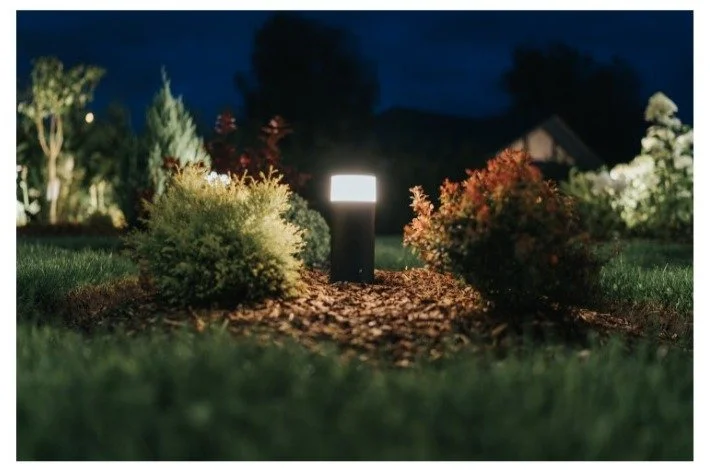
Homeowners looking to upgrade their exterior lighting often explore professional design and installation services, and providers like Sunscape Outdoor Lighting Austin focus on creating lighting systems that enhance both visibility and night time security.
The Role of Motion Sensor Lights in Security
Modern outdoor lighting often includes motion sensors designed to detect movement and activate automatically. This combination of technology and practicality adds both comfort and protection. A well-calibrated motion sensor light helps prevent energy waste since it operates only when movement occurs. The convenience of not having to manually switch on exterior lights adds to its appeal. Homeowners occasionally face issues such as the light staying on longer than needed or not turning on at all. In such cases, resetting a motion sensor light can restore its function and reliability. This simple task often resolves problems caused by electrical interference, weather conditions, or internal glitches. Regular maintenance keeps motion-activated systems responsive and dependable, which contributes significantly to outdoor safety. The reassurance of a light that turns on instantly when someone approaches cannot be overstated, especially in driveways, entryways, and gardens.
Choosing the Right Type of Outdoor Lighting
Selecting suitable outdoor lighting depends on the intended use and location. Pathway lights create safe routes for walking, while floodlights cover wide areas, discouraging trespassers. Wall-mounted fixtures are ideal for entrances, and bollard lights define property boundaries. LED options remain a popular choice thanks to their long lifespan and low power consumption. They provide steady illumination that does not flicker or fade quickly, reducing maintenance costs over time.
Soft, evenly distributed lighting creates a welcoming atmosphere while avoiding glare that might affect visibility. The height, angle, and brightness of each fixture should match the layout of the space. Overly bright lights can create harsh shadows that defeat the purpose of visibility, while dim lighting may not offer enough coverage. The right balance brings both safety and comfort, allowing people to enjoy outdoor spaces without hesitation after dark.
The Importance of Proper Installation
The effectiveness of outdoor lighting depends heavily on how it is installed. Poor wiring or incorrect placement can lead to malfunction, wasted energy, or uneven coverage. Installation should begin with a clear plan outlining the areas that require the most light. Entrances, walkways, garages, and stairways are common priorities.
Using weather-resistant fixtures ensures longevity, especially in regions with heavy rain or snow. Electrical connections must be well-insulated to prevent short circuits or corrosion. Mounting lights at appropriate heights improves both the reach and efficiency of illumination. Fixtures placed too low may create glare, while those set too high can lose intensity. Seeking guidance from a qualified electrician helps maintain safety standards and prevents future problems. A reliable setup not only adds security but also saves time and effort in the long run.
Energy Efficiency and Sustainability
Outdoor lighting has come a long way in terms of energy conservation. Modern fixtures use advanced technology to minimize electricity consumption without compromising performance. LED lights remain the most efficient choice, consuming a fraction of the power used by traditional bulbs. Solar-powered lights offer an even more sustainable option, storing sunlight during the day to operate at night without drawing from the grid.
Motion sensors also contribute to energy efficiency, turning lights on only when necessary. This combination of automatic control and smart technology allows users to cut energy costs while maintaining safety. Many systems now include programmable timers and daylight sensors that adjust lighting according to natural light levels. Reducing unnecessary illumination not only benefits the environment but also extends the lifespan of each fixture. Responsible lighting choices reflect a growing awareness of sustainability and practical living.
Maintaining Outdoor Lighting Systems
Proper maintenance keeps outdoor lighting systems functioning at their best. Dust, debris, and insects can accumulate on lenses, dimming the light output. Regular cleaning with mild solutions and soft cloths preserves clarity. Checking wiring and connections for damage or corrosion helps avoid outages or electrical hazards
Motion sensor lights require occasional adjustment, especially after storms or strong winds that might shift their position. Testing their range and sensitivity once every few months ensures consistent operation. Replacing bulbs before they burn out completely avoids sudden dark spots that compromise safety. When fixtures begin to age, upgrading to more efficient or weather-resistant models may be worthwhile. Maintenance not only preserves brightness but also supports the long-term reliability of a lighting system designed to protect people and property.
The Broader Impact of Outdoor Lighting on Communities

Reliable outdoor lighting does more than protect individual homes; it contributes to community safety and comfort. Well-lit streets and public areas reduce the risk of accidents and discourage criminal behavior. Neighborhoods that invest in consistent illumination often experience fewer incidents of vandalism or theft. People feel safer walking, jogging, or spending time outside after dark.
Municipal projects that prioritize lighting in parks, sidewalks, and parking lots help foster a sense of shared security. Businesses benefit too, as customers feel more confident visiting stores and restaurants during evening hours. Balanced lighting design also supports wildlife by minimizing light pollution, using shields and warm tones that reduce glare and preserve the night sky. Responsible use of technology and thoughtful planning transform lighting into a tool that serves both human and environmental needs.
Reliable outdoor lighting stands as a foundation of safety and comfort in any environment. From homes to public spaces, well-placed and well-maintained lights deter unwanted activity and prevent accidents. Motion sensor technology, when properly managed and maintained, adds a layer of intelligence that saves energy and enhances responsiveness. The act of resetting a malfunctioning sensor or cleaning a lens might seem minor, yet these small efforts preserve the dependability of the entire system.
Thoughtful design, careful installation, and regular upkeep ensure that outdoor lighting continues to serve its purpose effectively. Every beam of light contributes to visibility, confidence, and security. In a world that never truly sleeps, reliable illumination helps people move safely and confidently through the night.