Your Travel Guide to Japan: Culture, Cuisine, and Connection
Japan draws travelers with calm traditions and bold innovation. Yet what keeps people coming back isn't neon lights or ancient temples. It's how quietly life moves there, with politeness, patience, and precision shaping each day's rhythm. Every detail, from a folded napkin to the sound of slippers on tatami, tells a story about care.
This travel guide to Japan invites readers to experience that balance and explore as participants instead of spectators.
Experiencing Culture: The Art of Subtlety and Sense
Beauty in Japan rarely shouts for attention. It sits in small gestures and quiet details. The principle of shibui, or simple elegance, appears in pottery, gardens, and the shape of handwritten signs. The idea of ma, the space between things, shapes how people pause before speaking or how architecture frames empty air. Observing those spaces helps travelers sense quiet depth while visiting Buddhist temples or walking near Mount Fuji.
Famous shrines, Osaka Castle, and shopping streets can impress, but smaller moments hold equal value. Rural stays in old wooden farmhouses offer warmth and conversation. Guests wake to miso soup and cedar wind, echoing calm mornings in Nara Park among Sika deer, a peaceful contrast to the view from Tokyo Skytree.
Steady internet helps attention during small, unplanned cultural moments. For instance, using eSIM Japan keeps translation and mapping unobtrusive. It stays in the background, letting curiosity lead without interruption.
Contemporary Japan has a creative pulse that rarely gets the spotlight. Young artists in Kanazawa and Fukuoka use recycled materials and revive culture through community art. Many city professionals revive fading villages with art residencies and shared kitchens. Their projects welcome travelers and prove culture endures through renewal, often noted in a guide book or travel guide, and listed among travel highlights worth exploring.
Discovering Cuisine: Taste as Geography
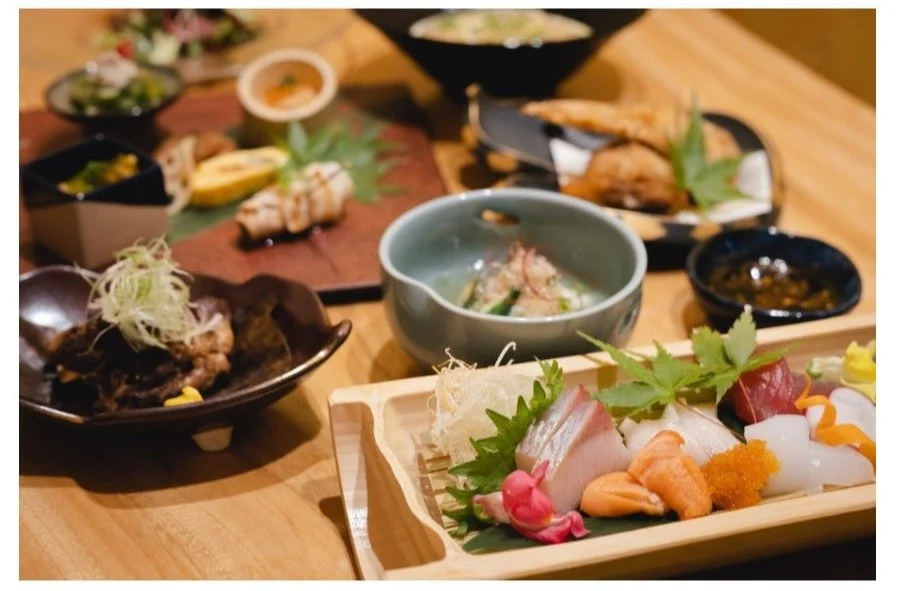
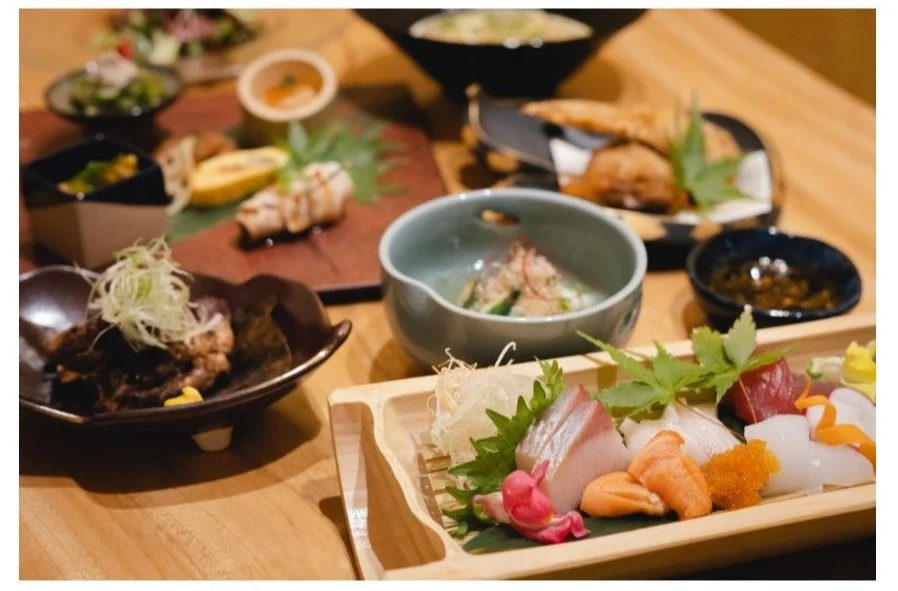
Food in Japan respects timing. The idea of shun, or peak season, shapes how chefs plan every dish. Strawberries belong to winter and bamboo shoots to spring; every flavor waits for its right moment to appear. Morning markets in Kanazawa and Hakodate show how locals work together to protect tradition. A travel guide to Japan should encourage travelers to follow this calendar of taste rather than stick to tourist menus.
Each region speaks through its food.
Hokkaido specializes in dairy and seafood shaped by cold seas.
Kyoto values vegetable dishes from temple gardens.
Shikoku celebrates thick udon noodles made by hand in small shops.
Eating locally helps travelers understand how geography and tradition meet on the plate. The land, the weather, and the people combine to create distinct flavors that can't be replicated elsewhere.
Modern chefs have begun reshaping Japanese food with quiet confidence. They use miso in desserts, roast rice for coffee, or pair ramen with fermented butter. Many of them run small restaurants hidden in alleys, using local ingredients. Travelers who find hidden kitchens enjoy inventive meals in Japan's evolving food culture after a bullet train ride or during road trips between towns.
Finding Connection: Human Warmth in a Reserved Society
Visitors often mistake Japanese reserve for distance. In truth, politeness shows care. How a shopkeeper wraps a package or an innkeeper arranges slippers expresses quiet respect. Understanding those gestures deepens visits to Buddhist temples, local shops, and even the Hachiko statue or the Kyoto Trail.
Workshops offer a bridge between locals and travelers. Soba-making, pottery, or Taiko drumming classes create natural moments of laughter and focus. Bringing small gifts like sweets or postcards shows gratitude.
Translation tools and travel aids have made connections easier. Google Translate shares stories between hosts and guests, while local cell service providers keep travelers connected easily. Staying connected with Journey Japan eSIM ensures that these digital tools work seamlessly across every prefecture, allowing you to navigate the subtle nuances of Japanese hospitality with confidence and ease.
Traveling Thoughtfully: Moving with Awareness
Social order keeps Japan's cities calm despite their density. People stand to one side of escalators, stay quiet on trains, and remove shoes indoors. Watching first, acting second, shows respect. As any Japan travel planner advises, learning simple phrases like 'sumimasen' or 'arigatou' builds trust.
Carrying credit cards and Japanese Yen also helps avoid confusion when small shops accept only one form of payment. Before traveling to Japan, consider searching for money-saving tips on plane tickets and purchases in the country.
Many lesser-known places rely on mindful tourism. The islands of Setouchi, for example, balance art, environment, and small community life. A travel guide to Japan may remind readers that small choices shape travel, from using a Japan Rail Pass to exploring local inns.
Every trip benefits from silence between plans. Allowing unscheduled afternoons creates room for chance meetings or neighborhood strolls. Some of the best memories form during road trips through UNESCO World Heritage sites during changing seasons. Consider visiting these places loved by outdoor adventure fans, framed by soft snow and white winters.
To Conclude
Japan invites travelers to find meaning in quiet details and ordinary gestures. Watching a baker set out bread at sunrise or hearing a temple bell drift across a city street can reshape how the world feels. A thoughtful travel guide to Japan reminds readers that real discovery begins with awareness, not movement.