The Pros and Cons of Building an Accessory Dwelling Unit
Real estate investors in high-stakes markets like New York, Miami, and the Hamptons always look for the next edge. Maximizing the potential of every square foot defines the difference between a good portfolio and a great one.
The Accessory Dwelling Unit (ADU), also known as a guest house, carriage house, or granny flat, sits on the same lot as a primary residence and provides independent living facilities. Below, we break down the pros and cons of building an accessory dwelling unit on your property.
What is an ADU?
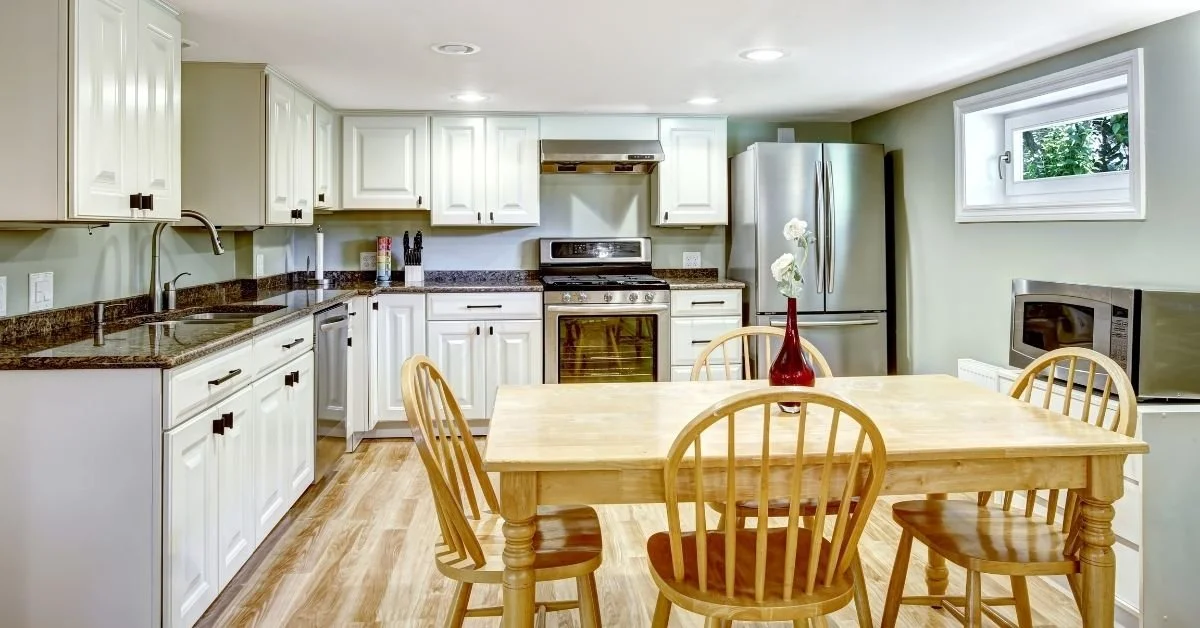
An ADU is a secondary housing structure that shares a residential lot with a primary home. For beginners, an ADU is like a tiny, self-sufficient additional home on your property that can either be separate or attached to the house. Garages and basement apartments are attached ADU floor plans that maximize space and value, while detached ADUs are standalone cottages or newly constructed extensions.
ADUs are versatile and efficient, offering additional space for family members, rental income opportunities, or even private guest accommodations. By making better use of existing land, ADUs provide a practical solution for increasing housing availability without significantly expanding the community's footprint.
The Upside of ADUs
An ADU can offer many advantages to homeowners. Building an ADU can instantly improve your property value and add a form of passive income.
Increase Property Value
Building an ADU drives immediate appreciation in property value. In luxury markets like the Hamptons or Miami, where price per square foot reaches astronomical heights, adding livable space creates instant equity. This construction converts underutilized backyard space into a tangible asset that appraisers and future buyers recognize.
Cash Flow
Beyond equity, an ADU generates consistent cash flow. You can transform a garage apartment or a detached cottage into a high-yield rental engine. In tourist-heavy zones like Miami, short-term vacation rentals often outperform traditional leasing models. Even in New York suburbs, long-term rentals provide a steady income stream that offsets the mortgage on the main property.
Navigating the Obstacles
Now that we’ve offered the pros of building an accessory dwelling unit, what about the cons? Challenges to constructing an ADU include zoning restrictions and construction costs.
Zoning and Legal Restrictions
Zoning regulations and legal restrictions act as the primary challenges for ADUs. New York and many municipalities in the Hamptons uphold strict codes regarding lot coverage, setbacks, and parking requirements. You must navigate a complex web of permits and variances before laying a single brick.
Building Costs
Construction costs also demand serious consideration. Building a luxury ADU that matches the aesthetic quality of a primary residence in Miami or the Hamptons requires a substantial upfront capital injection. You are essentially building a miniature home, which means paying for a foundation, plumbing, electrical systems, and high-end finishes. Inflation and supply chain issues may drive these costs higher than initial estimates suggest.
Making the Final Decision
An ADU represents a powerful tool for wealth creation in competitive real estate markets. While it presents challenges, it also forces your land to work harder and generate revenue. For the investor willing to manage these complexities, an ADU offers a unique opportunity to maximize the value of prime real estate.
Have a listing you think should be featured contact us or submit here to tell us more! Follow Off The MRKT on Twitter and Instagram, and like us on Facebook.