How to Create a Seamless Connection Between Your Home and Garden

A strong connection between your home and garden can make both spaces feel larger, brighter, and more enjoyable. Rather than treating the garden as a completely separate area, thoughtful design choices can create a natural transition that encourages you to make better use of your outdoor space throughout the year.

Open Up the View

One of the simplest ways to connect indoor and outdoor spaces is to maximize your view of the garden. Large areas of glazing allow you to enjoy greenery from inside the house while bringing more natural light into living areas.

Replacing a solid wall or traditional doorway with aluminium bifold doors by NOW Aluminium can help create a much wider opening onto a patio, terrace, or garden. When opened, the doors reduce the physical division between the two areas, making it easier to move between them.

Continue Your Flooring

Using similar flooring inside and outside can create the impression of one continuous space. You do not necessarily need to use exactly the same material, as outdoor surfaces need to cope with rain, frost, and changing temperatures.

Instead, look for materials with similar colors, patterns, or proportions. For example, pale indoor tiles could be paired with outdoor porcelain paving in a closely matched shade. Keeping the direction of the flooring consistent can strengthen the effect.

Keep the Threshold Simple

Small details can have a considerable impact on how connected two areas feel. A large step or raised threshold at the entrance to the garden immediately creates a visual and physical boundary.

Where the design of the property allows, a low or level threshold provides a smoother transition. It can also make carrying food, drinks, and furniture between the house and garden more convenient.

Coordinate Your Color Palette

Colors provide another easy way to establish continuity. Take inspiration from shades already used inside your home and repeat them outdoors through furniture, planters, and accessories.

Equally, natural garden colors can be introduced indoors. Houseplants, timber furniture, and earthy shades can help visually draw the garden into the living space without requiring major renovation work.

Create an Outdoor Living Area

Think of the area immediately outside your home as an extension of your interior rather than simply part of the garden. Comfortable seating, an outdoor dining table, and carefully positioned lighting can make a patio or terrace feel like another living area.

The layout matters too. Positioning an outdoor dining space close to the kitchen, for instance, makes it more practical for everyday meals and entertaining.

Use Lighting to Connect Both Spaces

The connection between home and garden should not disappear once the sun goes down. Well-planned garden lighting allows outdoor features to remain visible from inside during the evening.

Soft lighting around pathways, planting areas, or seating spaces can add depth without making the garden overly bright. Indoor lighting positioned near doors and windows can also help create a balanced transition.

Make the Garden Part of Everyday Life

Creating a seamless indoor-outdoor connection is ultimately about making the garden easier to see, reach, and use. Wide openings, coordinated materials, simple thresholds, and comfortable outdoor spaces can all contribute.

By considering the house and garden as parts of the same overall living environment, you can create a home that feels more spacious while making your outdoor areas a natural part of everyday life.

/
script>

Enhancing Curb Appeal with Custom Garage Doors

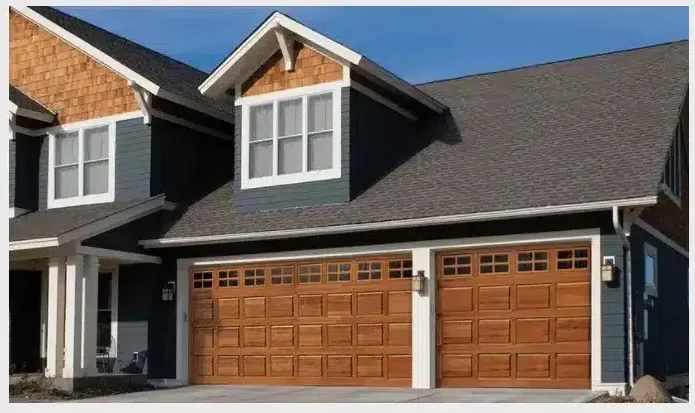
The garage door is often the largest single feature on a home's facade, making its design paramount to overall curb appeal. Far from being a mere functional entry, a custom garage door acts as a significant architectural element, capable of transforming a home's exterior from ordinary to extraordinary. When we consider exterior aesthetics, we look for continuity and thoughtful design that complements the existing architecture.

Imagine a home with a classic, traditional style. A contemporary, flush-panel garage door might clash, disrupting the visual flow. Instead, carriage house styles, with their charming, rustic appearance and swing-out door illusion, would seamlessly integrate, enhancing the home's character. Conversely, a modern home benefits from sleek, minimalist designs, perhaps with horizontal panels or large glass inserts that reflect its contemporary ethos.

Architectural continuity extends beyond just the style. Decorative hardware, such as wrought-iron hinges and handles, can add a touch of historical authenticity to a carriage house door or a subtle industrial edge to a more transitional design. Glazing options, from clear to frosted or even custom-etched glass, allow for personalized light transmission and privacy, further refining the door's integration with the home. Finish customization offers an expansive palette, enabling homeowners to match or contrast their garage door with their home's trim, siding, or front door, creating a cohesive and inviting facade. This meticulous attention to detail ensures that the garage door doesn't just stand out, but stands out for all the right reasons, elevating the home's entire presentation.

Selecting Premium Materials for Custom Garage Doors

The choice of material for a custom garage door is a foundational decision, influencing not only its aesthetic appeal but also its durability, maintenance requirements, and performance. Premium materials offer a blend of beauty and resilience, ensuring that your investment stands the test of time and weather.

For those seeking a timeless, natural look, genuine natural timber, such as cedar, redwood, or mahogany, provides unparalleled warmth and character. Each wood grain is unique, offering a bespoke appearance that deepens with age. While wood requires more diligent maintenance, including regular staining or painting, its classic appeal is undeniable. Composite overlays offer a fantastic alternative, mimicking the look of real wood without the intensive upkeep. These engineered materials are highly resistant to rot, decay, and insect damage, making them a low-maintenance, high-impact choice.

Heavy-gauge steel is another popular option, renowned for its strength, security, and versatility. Modern steel garage doors come in a vast array of designs, from embossed wood grain patterns to smooth, contemporary finishes. They can be factory-painted or coated with durable finishes that resist rust and fading. For a sleek, modern aesthetic, architectural aluminum doors with large glass panels are often chosen. These lightweight yet strong doors offer excellent corrosion resistance and allow for significant natural light, making them ideal for contemporary designs.

Beyond aesthetics, material choice impacts thermal efficiency. Insulated steel or composite doors, often filled with polyurethane or polystyrene, provide excellent R-value standards, helping to regulate garage temperatures and reduce energy transfer. This contributes to a more comfortable garage environment and can even reduce heating and cooling costs for attached living spaces. Regardless of the material, selecting options known for their weather resistance ensures that your custom garage door will maintain its integrity and appearance through Cumberland, MD's varied seasons.

Coordinating Exterior Elements and Shade Structures

Achieving a truly harmonious exterior involves more than just selecting a beautiful garage door; it requires a thoughtful coordination of all elements, from entryway framing to landscaping. Every component contributes to the overall narrative of your home's design.

Consider the entryway, often the focal point of a home. A custom garage door should complement the style and finish of your front door, porticos, and any decorative facade integration. This might mean matching wood tones, paint colors, or even the style of decorative glass inserts. Trim accents around windows and doors, for instance, should echo the lines or materials used in the garage door design. Color matching is crucial; whether you opt for a bold contrast or a subtle blend, consistency in your color palette creates a polished and intentional look.

In addition to fixed architectural elements, movable or adjustable features like shade structures play a vital role. Awnings, for example, not only offer practical benefits like reducing solar heat gain and providing shelter, but they also contribute significantly to the home's aesthetic. Just as a custom garage door enhances architectural continuity, a well-chosen awning can tie together different parts of the facade, adding character and visual interest. When considering comprehensive exterior updates, from your home's custom garage doors to expert repairs on other essential components, it's wise to consult resources that cover a broad spectrum of services. This holistic approach ensures that each improvement, whether it's a new garage door or an awning replacement, contributes to a unified and elevated curb appeal.

Thermal Performance and Modern Energy Efficiency

In today's focus on sustainable living and cost-effective home management, the thermal performance of a garage door has become as important as its aesthetic appeal. A well-insulated garage door can significantly impact a home's overall energy efficiency, especially in climates like Cumberland, MD, where temperatures can fluctuate dramatically throughout the year.

Modern custom garage doors often feature a polyurethane core, a dense foam insulation injected between steel layers. This advanced insulation material provides superior R-value standards, which is a measure of thermal resistance. A higher R-value indicates better insulation, meaning less heat transfer between your garage and the outdoors. This is particularly beneficial for attached garages, as it prevents extreme temperatures from seeping into adjacent living spaces, reducing the workload on your home's heating and cooling systems.

Beyond the core insulation, perimeter weatherstripping plays a crucial role in sealing the garage door opening. High-quality weather seals along the top, bottom, and sides of the door prevent drafts, moisture, and pests from entering. This creates a tighter thermal envelope, further enhancing the door's energy-saving capabilities.

The impact of a well-insulated garage door extends to solar heat reduction. During hot summer months, direct sunlight can cause a non-insulated garage door to absorb and radiate significant heat, turning the garage into an oven. An insulated door mitigates this effect, keeping the garage cooler. Conversely, in winter, it helps retain warmth, preventing pipes from freezing and making a conditioned garage a more comfortable space for hobbies or storage. This thermal stability also contributes to noise dampening, reducing external sounds and creating a quieter home environment. Furthermore, for homes in areas prone to strong winds, structural wind ratings ensure that the door can withstand adverse weather conditions, maintaining its integrity and insulation performance even under pressure. Investing in a garage door with excellent thermal performance is a smart decision that pays dividends in comfort, energy savings, and long-term home value.

Structural Engineering and Precision Installation Standards

The longevity and reliable operation of any garage door, especially a custom one, are intrinsically linked to its structural engineering and the precision of its installation. These are not areas where compromises should be made, as they directly impact safety, performance, and durability.

A custom garage door system is a complex assembly of components designed to work in harmony. The track alignment, for instance, must be perfectly plumb and level to ensure smooth, effortless movement of the door panels. Any misalignment can lead to excessive wear on rollers, hinges, and even the opener, resulting in premature failure and costly repairs.

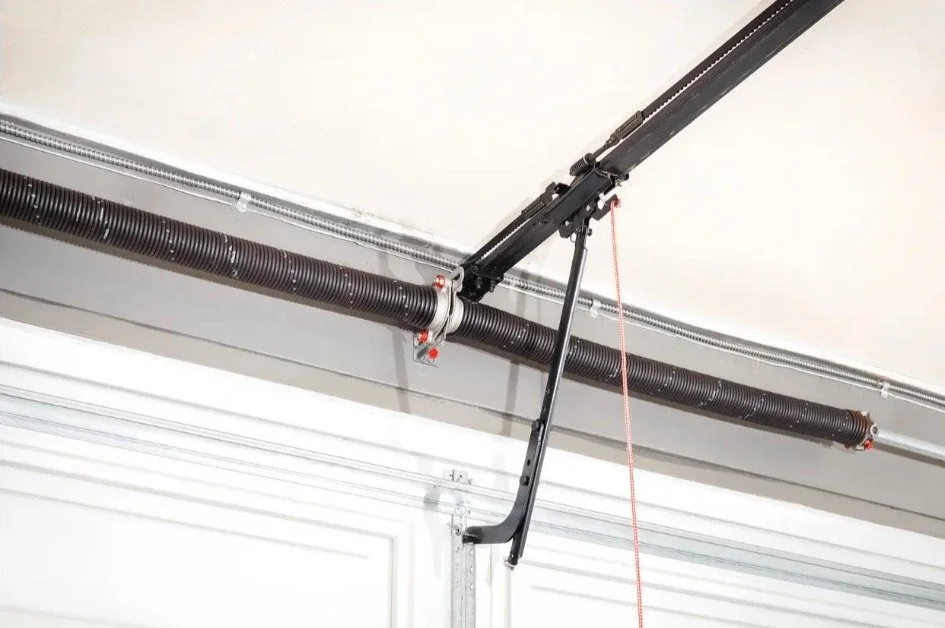
Heavy-duty torsion springs are the workhorses of the garage door system, counterbalancing the door's weight and enabling easy lifting. For custom doors, which can be heavier due to premium materials or larger sizes, properly calibrated torsion springs are essential. These springs are designed for a specific number of cycles (openings and closings), and selecting the right springs for your door's weight and usage ensures optimal performance and safety. Reinforced framing around the garage door opening provides the necessary support for the tracks and springs, preventing structural fatigue over time.

Modern custom garage doors often integrate smart motorization, allowing for convenient operation via remote, smartphone, or even voice commands. These advanced openers require precise installation to ensure proper function and synchronization with the door's movement. Crucially, safety sensors are a mandatory component, designed to detect obstructions in the door's path and prevent accidents. Their accurate placement and calibration are vital for protecting family members, pets, and property. A professional installation includes meticulous attention to every detail, from securing all hardware to fine-tuning the balance and tension of the springs. This precision ensures that the door operates safely, quietly, and efficiently for many years.

Long-Term Value and Maintenance of Custom Garage Doors

The investment in a custom garage door extends beyond its initial purchase and installation. Its long-term value is preserved and enhanced through consistent, proactive maintenance. Just like any significant home system, a custom garage door benefits from regular care to ensure optimal performance, extend its lifespan, and maintain its aesthetic appeal.

One of the most critical aspects of maintenance is balance testing. A properly balanced garage door should stay in place when manually lifted to about waist height. If it drifts up or down, the torsion springs need adjustment. This balance is crucial for the opener's longevity, as an unbalanced door forces the motor to work harder, leading to premature wear.

Component lubrication is another simple yet effective maintenance task. Hinges, rollers, and springs should be lubricated annually with a silicone-based spray or garage door lubricant. This reduces friction, prevents squeaks, and extends the life of these moving parts. For custom wood doors, finish resealing is essential to protect the timber from moisture, UV damage, and temperature fluctuations. Depending on the climate and exposure, this might be required every few years to prevent warping, cracking, or fading.

Weatherstrip renewal is also vital. Over time, the rubber or vinyl seals along the bottom and sides of the door can become brittle, cracked, or compressed, compromising their ability to seal out drafts and moisture. Replacing these worn seals ensures continued thermal efficiency and protection against the elements.

Operational longevity is achieved through this preventative upkeep. Regular inspections can identify minor issues before they escalate into major, costly repairs. By addressing worn rollers, loose hardware, or minor track misalignments promptly, homeowners can avoid significant breakdowns. This diligent approach not only safeguards your investment but also ensures that your custom garage door continues to operate smoothly, safely, and beautifully for decades, contributing positively to your home's curb appeal and functionality.

Frequently Asked Questions about Custom Garage Doors

We understand that investing in a custom garage door brings many questions. Here, we address some of the most common inquiries to help you make informed decisions.

How much value does a custom garage door add to a home?

A custom garage door is one of the most impactful home improvements for increasing resale value and overall curb appeal. While the exact return on investment can vary based on market conditions, location, and the quality of the door, studies consistently show that garage door replacement offers one of the highest recouped costs among home renovation projects. A stylish, well-maintained custom garage door significantly enhances a home's exterior, making a strong first impression on potential buyers. This exterior transformation can boost resale appeal, helping your home stand out in a competitive market. Appraisers often factor curb appeal into their valuations, and a high-quality custom garage door can positively influence a home's appraised value, representing a smart investment in your property.

How do insulated custom garage doors affect energy efficiency?

Insulated custom garage doors play a significant role in improving a home's energy efficiency, especially for attached garages. Their primary function is to minimize thermal transfer between the garage and the outdoors. This means in the summer, they help keep the heat out, and in the winter, they help keep the cold out. The insulation, often a polyurethane or polystyrene core, acts as a barrier, reducing the amount of heat or cold that can penetrate the garage space. Combined with effective perimeter weatherstripping, these doors create a tighter seal, preventing drafts and air leakage. This reduction in heat gain or loss directly translates to lower utility bills, as your home's HVAC system doesn't have to work as hard to maintain comfortable temperatures in adjacent living areas. For those who use their garage as a workshop, gym, or additional living space, an insulated door provides better climate control, making the space more comfortable year-round.

What maintenance is required to preserve custom finishes?

Preserving the beauty and integrity of your custom garage door's finish requires ongoing maintenance, tailored to the specific material. For wood doors, this typically involves applying protective coatings like stains or sealants every few years, depending on sun exposure and climate, to prevent fading, cracking, and moisture damage. For steel or composite doors with painted finishes, seasonal washing with a mild soap and water solution is usually sufficient to remove dirt and grime, preventing buildup that could degrade the finish over time. It's also important to inspect the finish regularly for any chips or scratches and touch them up promptly to prevent rust or further damage. Beyond the finish, routine mechanical checks are crucial. This includes inspecting hinges, rollers, and tracks for wear, and lubricating moving parts annually. Roller lubrication ensures smooth operation and reduces strain on the opener. By performing these simple yet effective maintenance tasks, you can significantly extend the life and aesthetic appeal of your custom garage door, ensuring it remains a valuable asset to your home for years to come.

Conclusion

Investing in a custom garage door is more than just a functional upgrade; it's a strategic design investment that profoundly impacts your home's overall aesthetic and value. We’ve explored how careful consideration of architectural harmony, premium materials, and energy-efficient designs can transform your home's facade. From the intricate details of carriage house styles to the sleek lines of modern aluminum, a custom garage door provides an unparalleled opportunity for exterior transformation.

Beyond its visual appeal, a well-engineered and expertly installed custom garage door offers tangible benefits, including enhanced thermal performance, increased security, and long-term durability. When all exterior elements, from the garage door to shade structures, are thoughtfully coordinated, the result is a cohesive and inviting home that stands out. This commitment to architectural balance and durable craftsmanship not only elevates curb appeal but also contributes significantly to your home's market value and your family's comfort.

/
script>

How to Throw a Fun Graduation Party

Graduation is an important milestone. It's a time to celebrate hard work and new beginnings. Whether you're hosting a high school or college graduation party, this moment deserves a celebration. You want to create an atmosphere where guests feel excited, and the graduate feels honoured. A graduation party is all about making unforgettable memories with family and friends.

To set the right mood, you'll need some planning and a bit of creativity. From decorations and food to activities, every detail matters. While there are many ways to make your graduation party special, the goal is to celebrate this achievement memorably. Here's how to throw a fun graduation party.

Get Creative

Choosing a theme for your graduation party makes decorating easier. Think about the graduate's interests or plans. Themes can include school colours, favourite hobbies, or career goals. For example, if your graduate will be in the medical field, use health-themed decorations like stethoscope centrepieces or lab coat cutouts.

Personal Touches

Add personal elements to your decorations, such as photo collages of the graduate's journey. Include childhood photos, school memories, and special achievements. Guests enjoy walking through a timeline of the graduate's life. Use balloons, banners, and table settings in the theme colours to complete the festive look.

Appetizing Choices

Food is essential for any successful gathering. Offer a mix of options to please different tastes. Finger foods work well, as they are easy to eat while chatting. Consider mini tacos, sliders, and vegetable platters. Don't forget a graduation cake that matches the theme, like one shaped like a diploma or featuring the school logo.

Beverage Station

Set up a drink station with both alcoholic and non-alcoholic options, so everyone finds something they like. Create a signature cocktail for added flair, and have a non-alcoholic punch for younger guests. A variety of drinks keeps everyone refreshed and encourages mingling.

Games and Contests

Plan fun activities to keep energy high. Games like trivia about the graduate or a photo booth with props create lasting memories. Consider a "Best Wishes" station where guests write messages or advice for the graduate. These keepsakes can be saved and cherished later.

Casino Fun

You can also use casino party rentals to add excitement. Set up tables with cards and chips, where guests can enjoy themselves. This encourages mingling and laughter in a fun, low-pressure way. It's all about enjoyment, and these rentals add a unique touch to your graduation celebration.

Capture the Moments

A graduation party is about more than just the day itself; it's about creating lasting memories. Consider hiring a photographer or setting up a DIY photo booth with props. Encourage guests to share candid moments on social media using a specific hashtag for the event. This way, everyone can reminisce about the great times together long after the party is over.

Reflection Space

Set up a quiet corner with some seating where guests can take a moment to reflect or chat one-on-one. This space can help balance the party's energy, giving people a chance to connect more personally amid the celebrations.

Safety First

If you're planning a celebration without alcohol, dry grad rentals create a fun, safe atmosphere. These events let graduates celebrate responsibly, so parents can relax. You can choose from activities like arcade games or escape rooms.

Entertainment Options

To keep everyone engaged, consider activities like karaoke, dance-offs, or a talent show. A dry grad rental can also include fun features such as glow-in-the-dark dance floors or a mocktail bar, where graduates can try out creative non-alcoholic drinks and feel included in the celebration.

Favours and Thank Yous

Before guests leave, think about giving small party favours as a thank you. These could be custom cookies, personalized keychains, or small potted plants. Adding heartfelt thank-you note cards from the graduate can make this gesture even more special, leaving everyone with a lasting memory of the day.

In the end, a graduation party is about celebrating achievements and creating a fun atmosphere. Whether through tasty food, engaging activities, or thoughtful decor, each part contributes to a memorable gathering. This event is a chance to honour hard work and look forward to new adventures. So, get ready to celebrate and make unforgettable memories!

/
script>

How to Make Smarter Choices When Upgrading Your Windows and Doors

Windows and doors quietly influence almost everything about how a home feels, from afternoon temperatures and natural light to security, noise, and curb appeal. When older units begin sticking, leaking air, fogging, or making certain rooms harder to cool, it may be time to consider an upgrade. Choosing the right window and door company Tampa FL homeowners can rely on is only part of the process. It is equally important to understand which products solve your home's actual problems, how installation affects performance, and which improvements will provide useful benefits long after the project is complete.

Start With the Problems You Already Notice

The best home improvement projects usually begin with a specific frustration rather than a product catalog.

Walk through your house and pay attention to how different rooms feel. One bedroom may become noticeably hotter in the afternoon. A living room window might be difficult to open. The front door may require an extra push before the lock catches.

These everyday annoyances can provide clues about where an upgrade could make the biggest difference.

Older windows and doors can contribute to unwanted heat transfer and air leakage, while visible fogging, cracked glass, sticking components, and drafts can indicate that particular units deserve closer attention.

You may discover that the whole house needs attention, or you may find that only a few problem areas are creating most of the discomfort.

Do Not Assume Every Window Needs to Be the Same

Consistency can look attractive from the exterior, but different rooms often have very different performance needs.

A window that receives intense afternoon sunlight faces a different challenge from one positioned in a shaded hallway. Bedrooms may benefit from better noise reduction, while living areas may prioritize large views and natural light.

Glass and frame choices can make a significant difference. Insulated glass with an appropriate solar heat gain coefficient can help manage heat entering through exposed windows, while vinyl frames can offer lower thermal transfer and reduced maintenance compared with some alternatives.

Think about each room individually before deciding what to install.

A more customized approach can prevent you from paying for features where they add little value while allowing you to prioritize better performance in the areas that need it most.

Think About Storm Protection Before the Forecast Changes

Homeowners in storm-prone climates have another important factor to consider when selecting exterior products.

Impact-resistant windows are designed to withstand wind pressure and debris impact more effectively than conventional glass systems. They can provide permanent protection without requiring homeowners to install temporary coverings whenever severe weather approaches.

That year-round readiness can also simplify storm preparation.

Instead of treating stronger windows as something that matters only during a major weather event, consider the broader benefits of choosing products built for demanding environmental conditions. Humidity, intense sun, heavy rain, and frequent temperature changes can all influence how exterior components age.

Durability should therefore sit alongside appearance when comparing options.

Your Doors Deserve the Same Attention

Windows often dominate discussions about energy efficiency, but exterior doors can create their own performance problems.

An entry door that sticks, allows drafts around the frame, or no longer seals properly can affect both comfort and security. Patio doors can develop similar issues, especially if the rollers, tracks, locks, or weatherstripping have deteriorated.

A modern exterior door can combine insulation, dependable hardware, and an updated appearance, helping the entrance perform better while refreshing the exterior of the house.

Style still matters, of course.

Your front entrance is one of the first architectural features visitors notice. Choose a design that complements the home rather than simply following whatever happens to be popular at the moment.

For patio areas, prioritize how the opening is actually used. Easy operation and a comfortable transition between indoors and outdoors may matter more than decorative details.

Compare Products in Person When Possible

Online research is helpful, but photographs rarely tell the entire story.

Frames, glass, hardware, finishes, and operating mechanisms are easier to evaluate when you can actually see and handle them. A showroom visit can make it easier to compare materials side by side and notice differences that are difficult to judge from product images.

Open and close different window styles. Test door handles. Look at frame profiles from several angles. Compare glass options under real lighting.

This is also a good opportunity to ask practical questions.

How much maintenance does the material require? Which glass package makes sense for rooms receiving strong sunlight? How does one frame option compare with another in humid conditions?

The goal is not to leave with the most expensive product. It is to leave understanding what you are buying and why it fits your house.

Contractors in charge of setting up interior and exterior windows & doors advise homeowners to prioritize long-term durability and energy efficiency over temporary design trends. Taking time to evaluate material performance ensures that every replacement enhances daily comfort while delivering lasting value.

Installation Can Make or Break the Upgrade

A high-performance product still depends on proper installation.

Precise measurements, correct positioning, secure fastening, insulation, flashing, and sealing all influence the finished result. Gaps or poor fitting can reduce the performance of even an excellent window or door.

That is why homeowners should ask as many questions about installation as they do about the product itself.

Find out who will complete the work, what happens if unexpected damage is discovered around an opening, and how the finished installation will be checked.

Once a new unit is installed, it should operate smoothly. Locks should engage correctly, seals should make proper contact, and the surrounding finish should look intentional rather than patched together.

The details you cannot see on a brochure are often the ones that determine whether you are still happy with the project several years later.

You Do Not Always Have to Replace Everything at Once

A full-house project can provide consistency, but it is not the only reasonable approach.

Some homeowners prefer to replace the most problematic units first. Rooms that overheat, windows with damaged glass, openings with noticeable drafts, or areas where outside noise is particularly disruptive can become the first phase of a larger improvement plan.

A phased project can also make budgeting easier.

Start by identifying which openings are performing worst, then determine whether addressing those areas gives you enough improvement before moving on to the rest of the house.

This approach can be especially useful when several other home projects are competing for the same budget.

Look for Improvements You Will Notice Every Day

Windows and doors are not particularly glamorous once the installation crew leaves. Ideally, you stop thinking about them.

The room stays more comfortable. The window opens without a struggle. The door shuts properly on the first try. Outside noise becomes less intrusive, and the house feels a little more secure when everyone goes to bed.

Those quiet improvements are what make a well-planned project worthwhile.

Energy-conscious products can help reduce heat transfer, while durable frames, suitable glass packages, and professional installation can contribute to better long-term performance.

A good upgrade should improve the home without creating new maintenance headaches.

Choose for the House You Actually Live In

The smartest window and door project is not necessarily the biggest or most expensive one.

It is the project that solves real problems.

Pay attention to uncomfortable rooms, difficult operation, drafts, storm concerns, security, and the way your family moves between indoor and outdoor spaces. Compare materials carefully, look at products in person when possible, and give installation quality as much consideration as appearance.

When each decision is tied to the way you actually use your home, windows and doors become more than exterior features. They become practical upgrades that support comfort, efficiency, protection, and everyday living for years to come.

/
script>