How Does Spray Foam Insulation Work? A Homeowner’s Guide
A home often loses comfort through small gaps you rarely notice. Air escapes around wall joints, rooflines, plumbing penetrations, and other openings. During winter, heated air moves out. During warmer months, outdoor heat and humid air enter. Your heating and cooling system then works harder to maintain the temperature you want.
Insulation helps control this movement. Spray foam takes a different approach from many traditional insulation materials because the material expands after application. The expansion helps fill gaps while creating insulation and an air barrier across treated areas.
So, how does spray foam insulation work, and where does this approach make sense for your home? Understanding the material, installation process, and available options will help you make an informed choice.
What Is Spray Foam Insulation?
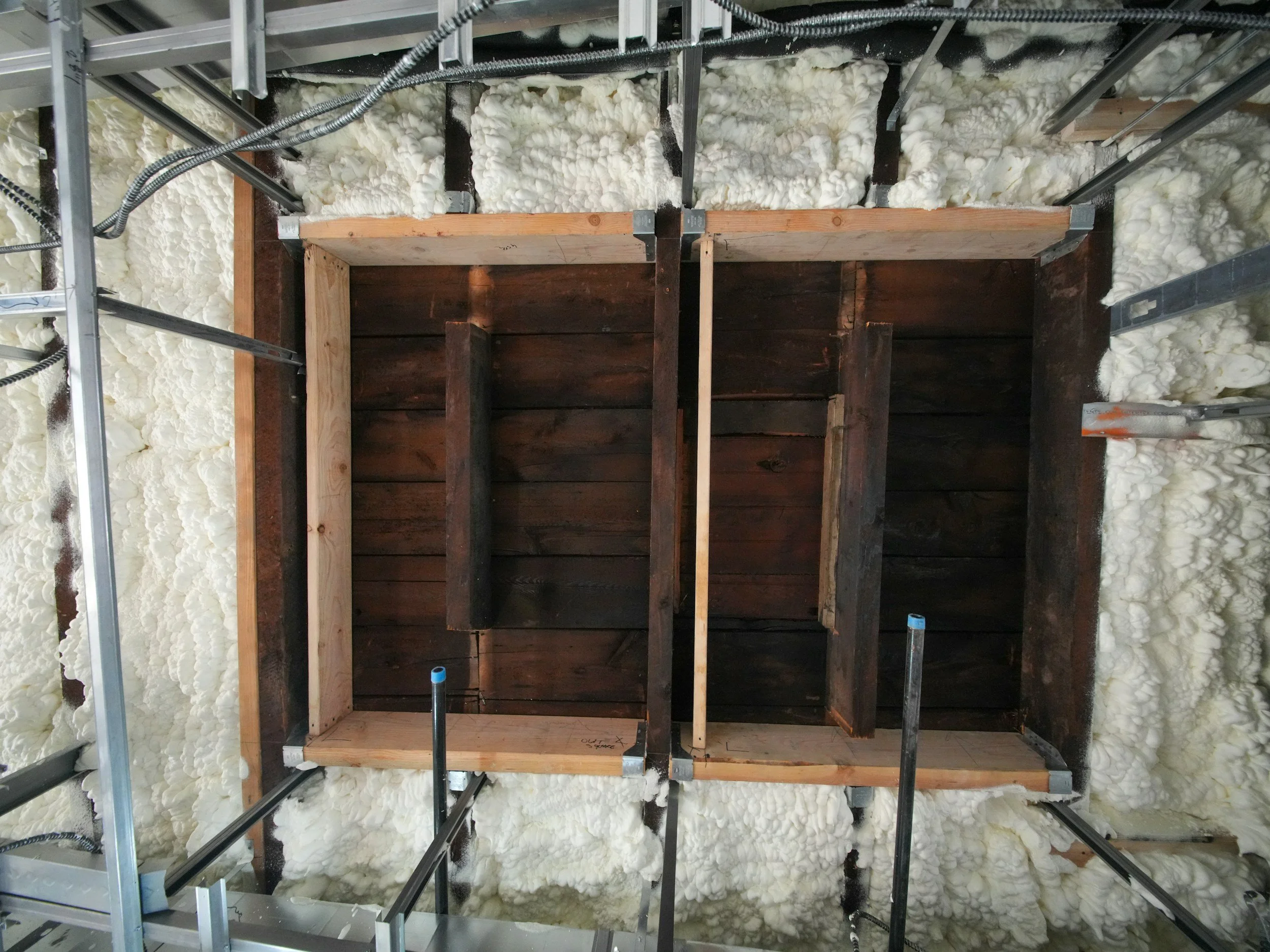
Spray foam insulation starts as liquid components. Installers combine these components during application, which triggers a chemical reaction. The mixture expands into foam and hardens within the treated space.
This expansion separates spray foam from fiberglass batts. Fiberglass fits between framing members, while foam expands around irregular surfaces, cracks, and small openings.
What Spray Foam Insulation Is Made Of
Professional spray polyurethane foam typically forms when two liquid components react at the spray gun. Once mixed, the material expands and forms a cellular structure.
The final density and structure depend on the foam type. These differences affect thermal resistance, moisture behavior, rigidity, and suitable applications.
How Spray Foam Differs From Traditional Insulation
Fiberglass and blown-in materials primarily slow heat transfer. Spray foam insulation also addresses air movement when installed correctly.
This distinction matters because uncontrolled airflow affects indoor comfort and heating and cooling demand. Gaps around framing or roof penetrations often allow conditioned air to escape even when insulation sits nearby.
How Does Spray Foam Insulation Work?
The spray foam insulation process combines thermal resistance with air sealing. Installers spray the liquid mixture onto a prepared surface. Foam then expands and fills the available area before curing.
Once cured, the material creates a continuous layer across the treated surface. Proper coverage reduces gaps where unwanted airflow occurs.
How Spray Foam Expands and Creates an Air Seal
Expansion helps foam reach spaces where rigid or pre-cut materials are harder to fit. The material moves around framing members and fills small cracks during application.
The result depends heavily on installation quality. Consistent thickness and proper coverage help create an effective air barrier.
How Spray Foam Reduces Air Leakage and Heat Transfer
Heat moves through building materials, while air also travels through openings in the building envelope. Spray foam addresses both issues.
Its cellular structure resists heat flow. Its ability to seal openings limits unwanted air movement. Together, these properties support more consistent indoor temperatures.
Understanding the Spray Foam Insulation Process
Professional installation starts with an assessment of the area. Installers identify surfaces requiring insulation, existing moisture concerns, ventilation requirements, and areas requiring protection before spraying.
Homeowners researching local installation options often compare insulation installation services in Pleasant Grove, Utah when evaluating how professional assessment and application fit into a broader home insulation project.
Preparing the Area for Spray Foam Application
The work area needs clean, suitable surfaces. Installers also protect windows, fixtures, mechanical equipment, and other surfaces from overspray.
Existing problems require attention first. Water leaks, damaged materials, or unsuitable surfaces should receive proper repairs before new insulation goes into place.
Applying, Curing, and Inspecting the Foam
Installers apply foam in controlled passes to reach the required thickness. The material expands quickly and begins curing after application.
After curing, excess material gets trimmed where necessary. The installer then checks coverage, depth, and transitions around framing or penetrations.
What Are the Different Types of Spray Foam Insulation?
The two common types of spray foam insulation are open-cell and closed-cell foam. Each has different characteristics, so the right choice depends on where the material will go and what the project needs to achieve.
Open-Cell Spray Foam Insulation
Open-cell spray foam insulation has a softer, less dense structure. The foam expands substantially, making this option useful for filling wall cavities and other interior spaces.
Its structure also supports sound control. For this reason, homeowners sometimes choose open-cell foam for interior applications where both thermal performance and noise reduction matter.
Closed-Cell Spray Foam Insulation
Closed-cell spray foam insulation has a denser structure. The closed cells create greater rigidity and higher thermal resistance per inch than open-cell products.
Closed-cell foam also offers stronger resistance to moisture movement. Those properties make proper product selection important, especially in areas where moisture management forms part of the building design.
What Are the Main Spray Foam Insulation Benefits?
Spray foam insulation benefits extend beyond slowing heat transfer. Air sealing often provides one of the biggest practical advantages.
A properly insulated building envelope supports steadier indoor temperatures. Rooms near exterior walls or rooflines often feel more comfortable when uncontrolled drafts decrease.
Spray foam also fits irregular areas where traditional insulation requires extensive cutting or fitting. The expanding material reaches around pipes, framing, and small gaps.
Some homeowners review contractors such as Whitecap Enterprises while researching spray foam alongside other insulation methods. Comparing several material options helps you match the insulation system to the structure rather than choosing a product based on one feature.
Spray Foam Insulation and Energy Efficiency
Spray foam insulation energy efficiency depends on both thermal resistance and air sealing.
According to the U.S. Department of Energy, air sealing and insulation form important parts of improving household energy performance. When unwanted air movement decreases, your heating and cooling equipment has less temperature variation to manage.
Results still depend on the home. Climate, HVAC efficiency, windows, existing insulation, building design, and installation quality all affect energy use.
Where Is Spray Foam Insulation Most Effective in a Home?
Spray foam insulation for homes works best where air leakage and thermal control need attention. Common applications include attics, rooflines, exterior wall cavities, crawl spaces, basements, rim joists, and garages.
Attics often deserve close attention because roof assemblies contain numerous joints and penetrations. Rim joists also contain connections where air leakage often develops.
The right location depends on how your home manages heat, moisture, and ventilation. Applying more foam does not automatically produce a better result. Placement matters.
Is Spray Foam Insulation Right for Your Home?
Start with the problem you want to solve. Are certain rooms difficult to heat or cool? Do you feel drafts near exterior walls? Does your attic have inadequate insulation? Are energy costs increasing despite normal household use?
An insulation assessment helps identify where improvements make sense.
You should also compare spray foam with fiberglass and blown-in insulation. Each material serves different needs. Existing construction, budget, accessibility, moisture conditions, and required thermal performance should guide the decision.
Professional installation matters with spray foam because mixing, temperature, thickness, ventilation, and application conditions affect the finished product.
How Long Does Spray Foam Insulation Last?
Properly installed spray foam is designed as a long-term insulation material. Its useful service life depends on installation quality, building conditions, moisture exposure, and changes to the structure.
Regular home inspections still matter. Roof leaks, plumbing problems, renovations, or structural changes might affect insulated areas.
Watch for unusual drafts, persistent temperature differences, moisture problems, or unexplained changes in heating and cooling costs. These signs often justify an insulation inspection.
How Does Spray Foam Insulation Work to Create a More Efficient Home?
Spray foam works by expanding into the spaces where installers apply the material. After curing, the foam slows heat transfer while reducing unwanted airflow through gaps and cracks.
Start by identifying where your home loses energy or struggles to maintain comfortable temperatures. Check attics, walls, rim joists, crawl spaces, and other parts of the building envelope. Then compare open-cell foam, closed-cell foam, fiberglass, and blown-in options based on the needs of each area.
A professional insulation assessment provides another useful step. Proper material selection and installation help ensure your insulation supports comfort, moisture management, and long-term energy performance.