Bringing Hamptons Style Home

Hamptons style is coastal without the clichés: relaxed, light, and quietly upscale, built on natural textures and botanical pattern rather than seashells and rope. You can bring it to any home, inland or not, because the look is really a mood, all airy rooms, soft greens and blues, and a sense of connection to the garden outside. Get the palette and pattern right and the postcode is irrelevant.

Key takeaways

  • Hamptons style is relaxed and elevated, coastal in feeling, not in kitsch.

  • The palette is soft: whites, sand, sage, and muted blues, warmed with natural wood.

  • Botanical and leafy patterns are central, because they bring the garden indoors.

  • Texture does a lot of the work: linen, rattan, and matte natural finishes.

  • One botanical wall plus a light, uncluttered room captures the look fast.

The look, minus the clichés

Hamptons style is often misremembered as nautical, all anchors, sailboat stripes, and driftwood signs. The real thing is calmer and far more sophisticated: pale, sunlit rooms, natural materials, and a strong link to greenery. The pattern that carries it isn’t a sailboat; it’s foliage. A soft, leafy botanical wallpaper is the most direct route to the Hamptons feeling, because it brings the garden-outside-the-window mood indoors, which is what the whole style is really about. Once you stop thinking “beach house” and start thinking “light-filled house near a garden,” the look falls into place.

At its heart, Hamptons style is about ease. It’s the aesthetic of a home that feels unhurried and generous: rooms you can breathe in, materials that feel good to touch, nothing too precious or too polished. That relaxed quality is why it has stayed popular for decades while louder trends have come and gone.

Build the palette
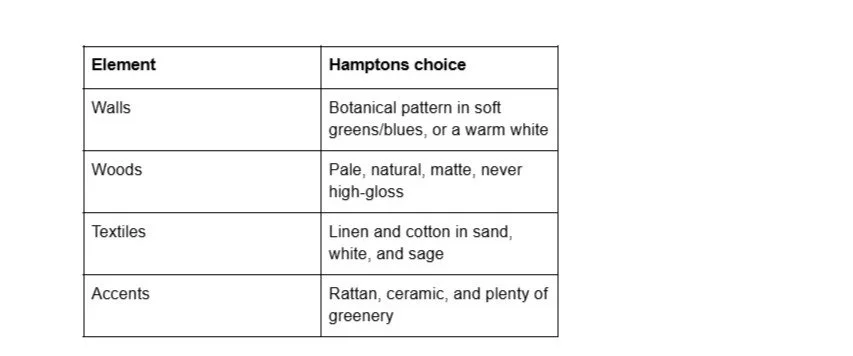
The rule is softness and nature. Anything high-shine, very dark, or heavily saturated pulls you out of the Hamptons and into a different look entirely. When in doubt, choose the calmer, more natural option, because the style rewards restraint far more than drama.

Why the botanical wall does the heavy lifting

Of all the elements, the papered botanical wall is the one that sets the tone fastest, because it establishes both the palette and the garden connection in a single move. A leafy print in soft green immediately tells the eye “relaxed, natural, coastal,” and everything else in the room simply supports that first statement. Put it behind a bed, a sofa, or in a dining nook, keep the surrounding walls a warm white, and the room reads as Hamptons before you’ve added a single accessory.

It also solves the hardest part of the look for most people, which is knowing where to start. A palette this soft can feel hard to pin down when you’re staring at paint charts, but a single botanical paper makes every other decision for you: it hands you the greens, the whites, and the natural mood to echo in your textiles, woods, and accessories. Choose the wall first and the rest of the room almost designs itself, because you’re no longer guessing at a feeling. You’re matching one that’s already on the wall in front of you.

Why it works anywhere

Because Hamptons style is about light and nature rather than a literal beach, it translates to a city flat or an inland house just as well as a coastal one. A botanical wall, linen textures, and a restrained palette will read as “relaxed coastal” regardless of what’s actually outside the window. You’re recreating a feeling of space, calm, and greenery, not a location, which is exactly why the look has travelled so far from the shoreline it’s named after.

FAQ

What colours define Hamptons style? Soft, natural tones: whites and sand, sage and muted greens, and gentle blues, warmed by pale natural wood. The palette stays light and calm throughout.

Is Hamptons style the same as nautical? No. Nautical leans on literal seaside motifs; Hamptons style is subtler, all natural textures, botanical pattern, and an airy, upscale calm rather than anchors and stripes.

Can I do Hamptons style in a home that isn’t near the coast? Yes. The look is built on light, natural materials, and greenery, so it works inland or in a city apartment just as well as by the sea.

What’s the fastest way to get the look? Start with one botanical feature wall, keep the surrounding walls warm white, and add linen and rattan textures. That combination reads as Hamptons almost immediately.

The takeaway

Hamptons style is a mood you can build anywhere: light, natural, and green. Start with one botanical wall and let the room stay uncluttered around it. Check your sample under the room’s evening light before committing, because soft greens and blues shift noticeably once the daylight fades, and you want the calm to hold into the evening, when the room does its most relaxed work.
/
script>

Smart Decluttering Guide for Luxury Home Renovations

Upscale remodels bring immense excitement and fresh design choices to an estate. Managing the physical overflow requires careful planning before the first sledgehammer swings. A systematic strategy prevents chaos from taking over your household during the transition.

Premium properties demand a highly refined purging strategy to protect valuable interiors. Clearing out the old layout makes room for your high-end upgrades. Preparation sets the stage for a flawless building process that matches your standards.

Evaluate Your Current Possessions

Look closely at every single decor item in your current rooms. Decide what truly matches your upcoming aesthetic design goals for the property. Discarding pieces that do not fit your vision saves valuable staging space.

Managing the logistics of high-end waste means planning for heavy debris disposal. Choosing premium construction dumpster rentals helps maintain an orderly job site during major structural tear-outs. A clean property keeps the neighborhood looking pristine throughout the entire transition.

Professional organizers recommend starting the interior review early in the planning stage. Taking early action prevents rushed decisions later in the project timeline. You gain total clarity over your inventory before construction crews arrive on site to begin work.

Streamline Your Storage Rooms

Deep attics and basements accumulate hidden items throughout the passing years. Deep storage spaces often hold forgotten furniture pieces or outdated items. Purging the zones provides an accurate view of your actual storage capacity.

A popular podcast focused on home layout suggests setting clear milestones for a focused year of clearing out items. Setting the goals helps you stay on track during heavy remodeling phases. Consistency yields excellent results when handling huge volumes of personal belongings.

Give yourself several weeks to sort through hidden spots carefully. Rushing the process leads to unneeded stress and unnecessary clutter accumulation. Methodical progress makes the entire renovation much easier to manage from start to finish without delays.

Define The Modern Aesthetic

High-end luxury spaces rely on clean lines and intentional object placement. Piling up too many decorative objects ruins the premium feeling of a newly built room. Modern minimalist design requires discipline during the initial sorting phase.

A design article noted that modern home trends focus heavily on organizing with a clear purpose rather than just owning less. The philosophy matches premium design standards perfectly. Your renovated home should display items that possess personal meaning.

Select a few standout pieces that complement your architectural changes beautifully. Store the remaining items safely or find them a brand-new home immediately. True luxury leaves plenty of open breathing room for the architecture to make an impact.

Establish The Purging Method

Sorting everything simultaneously feels completely overwhelming during a large home remodel project. Breaking the project down by individual rooms simplifies the daily renovation workflow. A step-by-step approach maintains your energy levels during a massive transition.

An interior design blog explained that purging is less about throwing everything away and more about releasing items you no longer require. The mindset shifts your focus toward the future look of the estate. It transforms the task from a chore into an inspiration.

Keep your attention fixed on the final design layout plans. Visualizing the completed renovation keeps your motivation high throughout the dusty construction months. Every single cleared box brings you closer to your dream home.

Organize Your Categorization System

Sorting items into distinct groups accelerates the entire packing process. Separate your belongings by their final destination to prevent confusion during heavy packing days. Clear categories streamline your decision-making and reduce moving mistakes.

Use a clear classification system for your items to keep perfect order. Your sorting piles should remain completely separate throughout the day.

  • Keep items that fit the new aesthetic.

  • Donate premium furniture to local charities.

  • Sell valuable antiques through specialized auctions.

Labeling every box prevents items from getting misplaced during heavy construction. Instruct your moving team regarding labeled packages before delivery. Organization prevents expensive mistakes during the chaotic moving week.

Manage Premium Materials

High-end renovations often involve removing expensive materials like marble mantels or solid wood flooring. Precious items should never end up buried under standard construction trash. Proper handling preserves their inherent value for future use in alternative designs.

Salvaging architectural elements helps preserve valuable resources for future boutique builds. Many specialty contractors purchase reclaimed luxury fixtures for custom properties. Selling the materials offsets a portion of your renovation expenses.

Coordinate with your builder to store the elements safely on site or in storage. Protected storage prevents scratches on delicate stone or wood surfaces. Planning keeps valuable resources reusable for future needs.

Prepare For Structural Changes

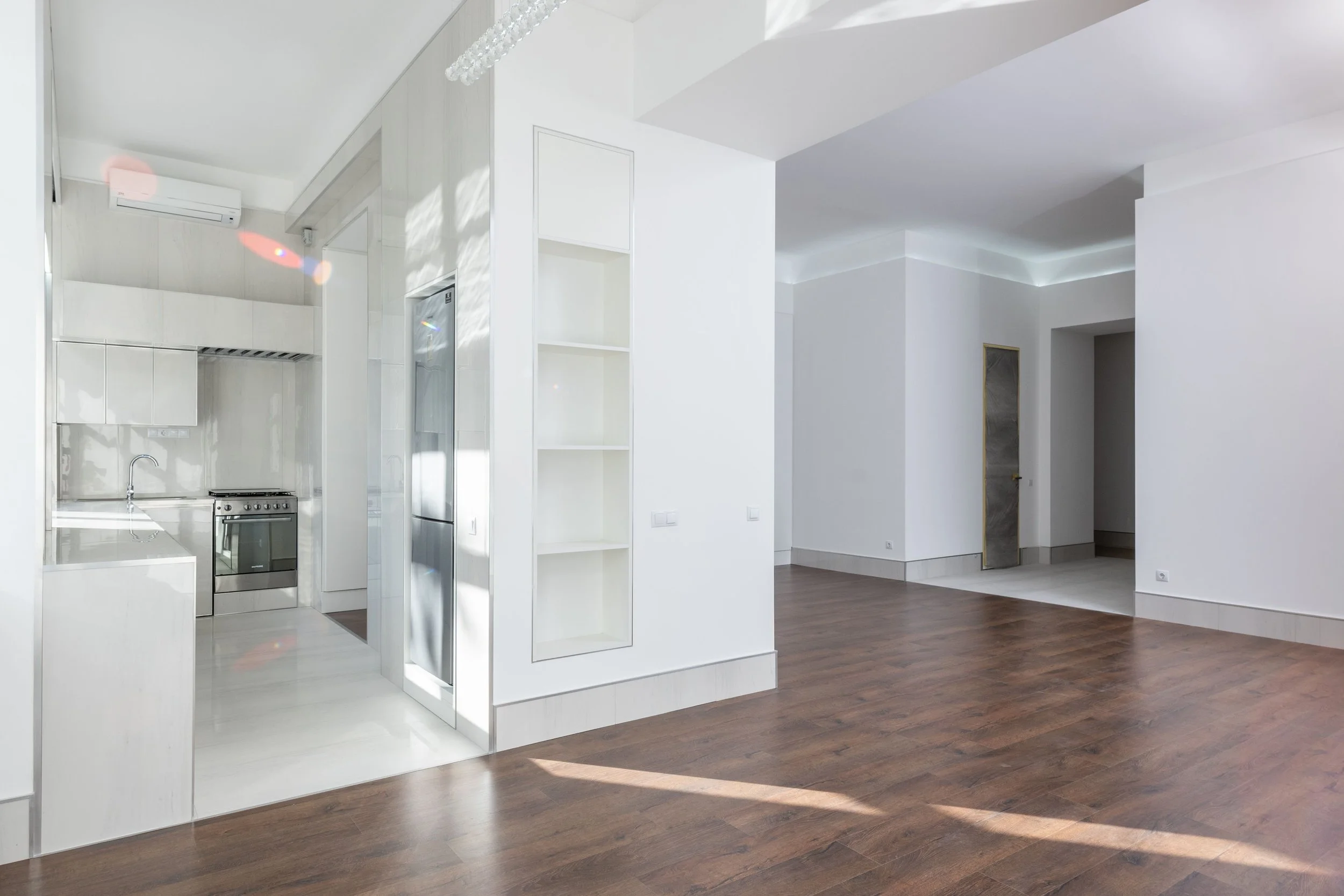
Walls moving and ceilings rising mean your old furniture layout will change completely. Measure your new floor plans before keeping large furniture pieces. Scale plays a massive role in luxury design outcomes.

Review specific spatial factors during your planning to secure an accurate fit. Modified layouts alter how items look in the space.

  • Ceiling heights in the newly expanded rooms.

  • Natural light entry points from modified windows.

  • Traffic flow patterns through open floor designs.

Buying scaled furniture pieces keeps the completed home feeling balanced. Avoid crowding beautiful new rooms with oversized old items. A clean space allows your premium finishes to shine.

Protect Fine Art And Valuables

Construction dust penetrates even the smallest cracks in a residence during heavy work. Delicate paintings and sculptures need complete protection from the changing indoor environment. Leaving items exposed risks permanent damage that lowers their appraisal value.

Moving prized collections to climate-controlled storage facilities prevents accidental damage. Standard drop cloths fail to block fine drywall dust particles during heavy sanding. Secure facilities offer total peace of mind.

Hire specialty art movers to handle precious investments safely. Expert packers know how to handle delicate frames and fragile materials. Safe transport preserves your collection for generations.

Coordinate With Your Build Team

Open communication with your contractor prevents logistical delays on site. Share your decluttering timeline with the project manager before work begins. Clear schedules keep everyone working efficiently throughout the build phase.

Builders appreciate an organized workspace that allows easy movement of heavy tools. Staging areas should remain completely clear of personal belongings at all times. Cooperation speeds up structural modifications and maintains safety standards.

Set aside a specific zone for daily contractor meetings. Having a clean spot to review blueprints keeps the project moving forward smoothly. A tiny bit of preparation goes a very long way toward success.

Preparing your premium property for a major change takes patience and clear organization. Clearing the physical path allows your new design choices to stand out. Your investment deserves an orderly transformation.

A thoughtful approach to managing your interior items guarantees a smooth construction process. Enjoy the journey toward your refreshed luxury space. The effort results in a breathtaking home.

/
script>

Bring Your Favorite Destination Home Without Turning It Into a Theme

What if your next vacation could become the inspiration for the place you return to every day? The best travel memories are not always the ones sitting on a shelf. They are the feeling of a sun-warmed stone building, the colors of a coastal village, the craftsmanship of an old city apartment, or the way a destination blends beauty with everyday living. In other words, a travel-inspired interior works when it feels natural and personal, so instead of filling a room with obvious reminders of a place, you can focus on the details that make it special: the architecture, materials, textures, colors, and lifestyle that define its character. Whether you dream of Parisian elegance, Roman heritage, Mediterranean warmth, or the relaxed charm of a seaside escape, the goal is to create a home that reflects the spirit of a destination while still feeling completely yours.

How do you capture a place without creating a theme?

The secret is to look beyond the recognizable symbols of a destination and focus on the elements that create its atmosphere. So instead of adding Eiffel Tower decorations to bring Paris home, consider the features that make Parisian interiors memorable, such as elegant molding, aged finishes, vintage-inspired furniture, and a balance between classic and modern pieces. The same approach works anywhere. Think about what you noticed while traveling: the way natural light entered a room, the materials used in local buildings, the colors found in the landscape, or the relationship between indoor and outdoor spaces. By translating those impressions into design choices, you create a home inspired by a place rather than a themed room.

Which details define a destination’s style?

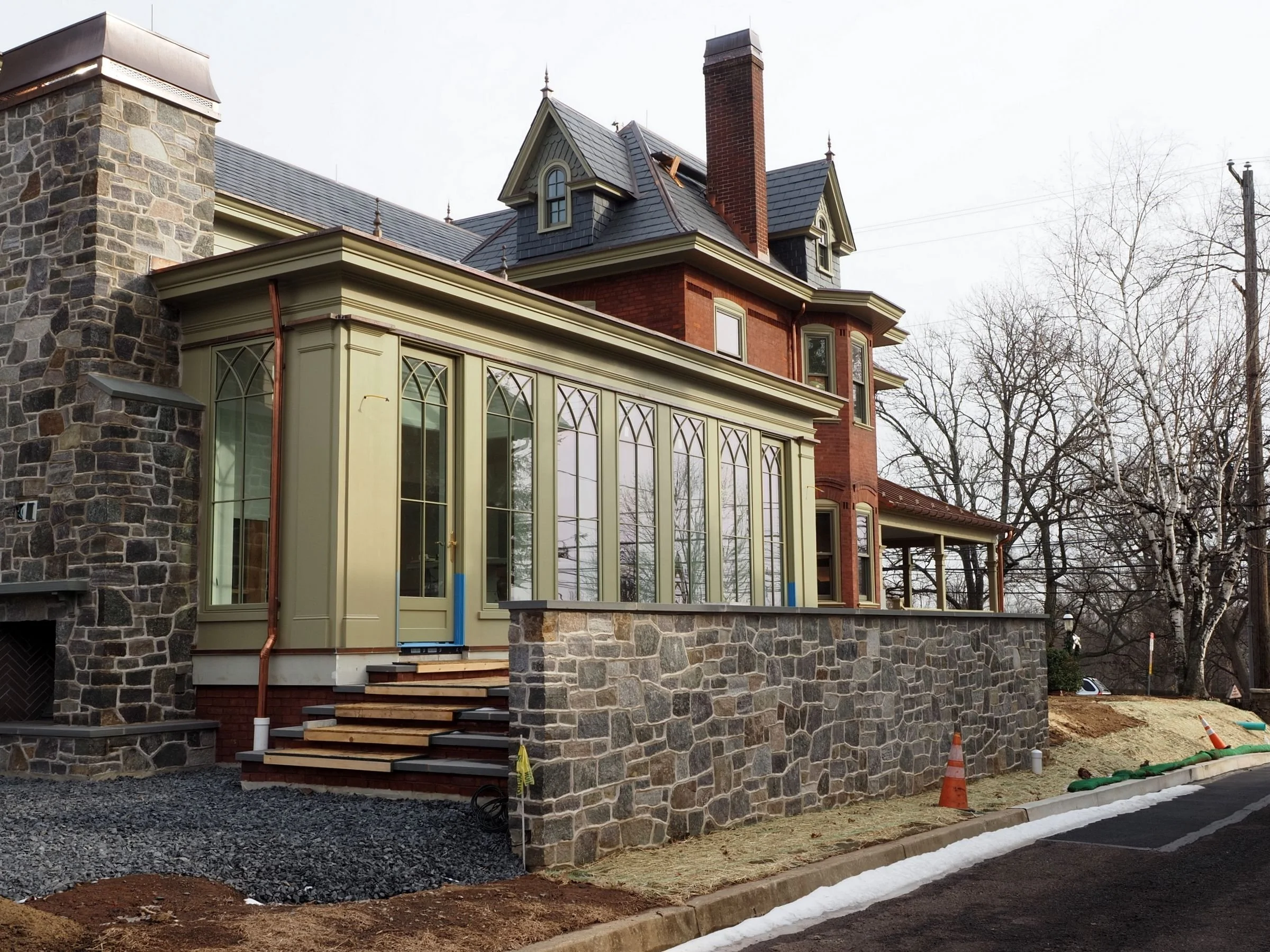
Architecture often provides the strongest connection to a location because it shapes how a space feels before any furniture is added. You can bring the character of another place into your home through details like arched doorways, exposed beams, decorative ceilings, handcrafted tiles, stone finishes, or traditional woodwork. Even smaller updates, such as changing cabinet hardware, adding textured wall treatments, or introducing architectural trim, can create a stronger sense of place. When planning a larger renovation, consider how these details work with your home’s existing structure so the result feels authentic instead of forced.

How do colors and textures create a sense of place?

Color has the power to transport you, especially when it reflects the natural surroundings and traditions of a destination. Warm terracotta tones can bring the feeling of Mediterranean villages, deep greens and rich woods can suggest historic European interiors, while soft coastal shades can create the relaxed atmosphere of a seaside retreat. And we can’t forget that materials are just as important. Linen, stone, aged wood, plaster, ceramic, and natural fibers add depth and help recreate the tactile experience of a place. Combining these elements thoughtfully allows you to capture the emotion of a destination without copying it directly.

When does inspiration become a renovation plan?

Sometimes a single trip sparks more than a few decorating ideas. You may return home knowing that your kitchen needs a complete transformation, your bathroom could benefit from a spa-like redesign, or your entire layout needs to better reflect the way you want to live. Turning travel inspiration into a renovation vision starts with identifying what you loved most about the destination and deciding how those qualities fit into your daily life. For larger projects involving structural changes, new lighting systems, electrical upgrades, or major construction, professional help is essential. Make sure any electrical work is handled by a professional electrician so you know everything is being done safely and correctly. This is one part of a renovation that is always best left to the experts rather than tackled as a DIY project. 

Designing a Home That Holds Your Travel Memories

Your favorite destinations can continue to inspire you long after your suitcase is unpacked. Whether you introduce a few meaningful details or transform your entire home, the best designs capture the feeling of a place rather than simply copying its appearance. When travel becomes a source of creativity, your home can tell a story of where you have been, what you love, and the experiences you want to keep close.

/
script>

How Much Compensation Can a Slip and Fall Attorney Win for You

A wet floor, an uneven sidewalk, a poorly lit stairwell, and suddenly your life is turned upside down. The amount you may recover depends on several factors, including the severity of your injuries, the strength of the evidence, and how effectively your claim is presented. Experienced legal representation can play an important role in protecting your rights throughout the process.

Philadelphia's courts have a well-earned reputation for taking premises liability seriously, which means the right attorney can make a real difference in your outcome.  

Most people don't realize how much compensation they're actually entitled to, and insurance companies are counting on that. Understanding what you can claim, and having someone fight for every dollar of it, is the difference between moving on and being stuck. Here's an honest look at what compensation actually looks like and what shapes it. 

Types of Compensation Available 

Slip and fall cases fall under premises liability law, which holds property owners responsible for maintaining safe conditions. When they fail to do that and someone gets hurt, the injured person may be entitled to several types of compensation:

  • Medical expenses:  current and future costs including ER visits, surgeries, physical therapy, and medication

  • Lost wages: income you missed while recovering, plus future earning capacity if your injuries are long-term

  • Pain and suffering: compensation for physical pain, emotional distress, and reduced quality of life

  • Loss of consortium: impact on your relationships and family life as a result of your injuries

In limited cases involving particularly reckless or intentional conduct, punitive damages may also be available.

What's the Average Slip and Fall Settlement?

Settlement amounts vary widely, but according to Injury Facts by the National Safety Council, falls account for 24% of preventable injury-related deaths in the United States, making them one of the most serious and costly accident categories.

Compensation varies significantly depending on the injuries, available evidence, liability, insurance coverage, and other case-specific factors. While some claims resolve for relatively modest amounts, cases involving serious injuries can result in substantially higher recoveries.

Working with an experienced slip and fall attorney in Philadelphia ensures your claim is built on solid evidence and presented in a way that maximizes every category of damages. Kwartler Manus takes a thorough, case-by-case approach because no two accidents are the same, and cookie-cutter legal strategies rarely produce the best outcomes.

Factors That Determine How Much You Can Win

No two cases are the same. Several key factors influence what your case is ultimately worth:

Severity of your injuries: A broken hip or traumatic brain injury will result in significantly higher compensation than a sprained wrist. More serious injuries mean higher medical costs, longer recovery, and greater impact on your life.

Strength of liability: Did the property owner know about the hazard? Was there a pattern of neglect? The clearer the negligence, the stronger your position.

Quality of evidence: Photos of the scene, surveillance footage, witness statements, and incident reports all play a major role. The more documentation, the harder it is for the other side to dispute your claim.

Comparative negligence: Pennsylvania uses a modified comparative negligence rule. If you're found partially at fault for your fall, your compensation is reduced by that percentage, but you can still recover as long as you're less than 51% responsible.

Insurance policy limits: The at-fault party's coverage can cap how much you can recover, although an attorney can explore additional avenues when policy limits fall short of your actual damages.

What an Attorney Does That You Can't Do Alone

Insurance adjusters are trained negotiators, and their job is to settle your claim for as little as possible. Without legal representation, most people accept far less than their case is worth. A skilled slip and fall attorney levels that playing field.

Here's what a good attorney brings to the table:

  • A thorough investigation of the accident scene and conditions

  • Gathering and preserving critical evidence before it disappears

  • Working with medical experts to calculate the true long-term cost of your injuries

  • Handling all communication with insurers so you don't say something that hurts your case

  • Negotiating aggressively for a fair settlement and taking it to court if needed

Things To Do After a Slip and Fall 

The steps you take in the hours and days after the incident can significantly affect your claim. Here's what matters most:

  • Seek medical attention immediately, even if you feel okay, injuries often show up later

  • Document the scene with photos and video before anything changes

  • Report the incident to the property owner or manager and get a written record

  • Collect names and contact details of any witnesses

  • Avoid giving recorded statements to insurance companies before speaking to an attorney

  • Contact an attorney as soon as possible

Acting quickly helps protect both your health and your legal rights. The more evidence you preserve and the sooner you seek legal guidance, the stronger your claim is likely to be.


How Long Do You Have to File a Claim?

In Pennsylvania, the statute of limitations for personal injury claims, including slip and fall cases is two years from the date of the accident. That might sound like plenty of time, but evidence fades, witnesses forget details, and surveillance footage gets overwritten. The sooner you act, the stronger your case.

There are exceptions to claims involving government-owned property; for example, they have shorter notice deadlines. An attorney can make sure you don't miss any critical filing windows.

Conclusion

A slip and fall injury can disrupt your life in ways that go far beyond the initial accident. You deserve to be made whole, and the right attorney can make that happen. Whether your case settles for $20,000 or $200,000 depends on factors that a skilled legal team knows how to work with.

Before accepting a settlement offer, consider speaking with an attorney who can explain your legal options and evaluate your claim. Get a free consultation with an attorney who specializes in slip and fall cases, it costs you nothing to find out where you stand, and it could make an enormous difference in what you walk away with.

/
script>

How to Have Fun with Your Kids on a Budget

Parenting can be costly, so it’s important to find fun activities that fit your budget. There are many creative ways to spend time with your kids that won't hurt your wallet. From outdoor adventures to simple crafts at home, the possibilities are endless. By keeping kids entertained without overspending, you can create memorable experiences without stress.

Being flexible is key when planning activities for kids. You can explore local parks, organize treasure hunts, or find fun projects to do at home. The best part is that many of these activities cost little to nothing, while still providing a lot of fun. So, gather your family, let your creativity flow, and enjoy time together without financial strain.

Let’s look at ways to have fun with your kids on a budget.

Picnics

Pack a simple lunch and visit your local park for a picnic. This offers a change of scenery and lets kids enjoy nature. Bring sandwiches, fruits, and snacks to make lunch special. Spread out a blanket and enjoy your meal outdoors!

After eating, you can play games like frisbee or soccer, which adds more fun to your picnic. Kids love running around, and parks give them plenty of open space. Trying a different park each time keeps things fresh and exciting without high costs.

Mini Golf

Mini golf is an affordable and fun activity for families. It’s not just a game.  It’s a great way for kids and parents to enjoy some friendly competition. Many courses offer family discounts or special deals, making it easy on your wallet while ensuring a good time together.

What makes mini golf enjoyable is the mix of skill and laughter. Whether your kids are seasoned golfers or trying a putter for the first time, the atmosphere is always fun. A mini golf course often has creative designs, like pirate ships or jungle scenes, capture kids’ attention and inspire their imagination. Mini golf also helps families bond as they cheer each other on, share laughs, and tackle challenging holes together. 

Planning a trip to a mini-golf course can lead to an exciting and budget-friendly family day. Don’t forget to take some pictures to remember the fun!

Craft Projects

Kids are full of imagination, so use that energy for fun craft projects. Gather materials you already have at home, like newspapers, magazines, or cardboard boxes. Let your kids create their own masterpieces, like cards, collages, or sculptures. 

Crafting boosts creativity and allows for quality time together. Sit down with your kids, share stories, and let their imaginations run wild. It’s a wonderful way to make memories without spending much. You might be surprised by their unique ideas!

Outdoor Adventures

Exploring nature is a great way to create memories without high costs. Go on nature walks or bike rides to see local plants and animals. Choose a local trail or a good path in your neighbourhood. Bring a nature guidebook to help identify plants and birds along the way, which makes it educational!

Making a scavenger hunt can make outdoor adventures even more fun. Create a list of items for your kids to find in nature, like specific leaves, rocks, or flowers. This adds excitement and encourages them to pay close attention to their surroundings.

Community Events

Local communities often host free or low-cost events like outdoor movie nights, fairs, or festivals. These events can give kids new experiences, whether it’s watching a movie outside or checking out local crafts. Look for activities on community boards or local social media pages to see what’s available in your area.

These events usually feature food trucks, vendors, and fun activities for kids, all at reasonable prices. Joining community events teaches kids the value of being active members of their community and helps them connect with other families.

At-Home Fun Nights

You can turn a regular night into a themed fun night at home without spending too much money. Pick a theme, like “Italian Night” or “Superhero Night,” and plan activities around it. For example, make pizzas together for Italian Night or have a superhero movie marathon.

Dressing up based on the theme and making decorations from things you have at home can add to the fun. This approach encourages imaginative play and teamwork. Your kids will appreciate your efforts, and creating a special atmosphere at home can lead to lasting memories, all while keeping costs low.

Having fun with your kids doesn’t have to be expensive. Being creative, enjoying outdoor activities, and using community resources can create cherished family experiences that are both fulfilling and affordable.

/
script>

Trading the City for California Wine Country: A Relocation Guide

Something is drawing city dwellers north. Between remote work, rising urban costs, and the pull of a slower pace, more buyers than ever are trading condos and co-ops for a home among the vineyards of Sonoma and Napa. Wine country isn't just a weekend escape anymore — for a growing number of people, it's the new address. But moving there is a real relocation, not an extended vacation, and the buyers who love the result are the ones who plan for it.

The smartest relocators start with a local guide rather than a listing. A bilingual real estate agent in Sonoma County who knows the towns, the price ranges, and the quirks of buying here can save you months of guesswork and help you avoid the mistakes out-of-area buyers make most often.

Pick your town before you pick your house

Wine country is a patchwork of very different communities. Napa skews luxury and second-home driven; Sonoma County ranges from the accessible, family-friendly neighborhoods of Santa Rosa and Rohnert Park to premium towns like Healdsburg and Sonoma. Commuters lean on the SMART train and Highway 101. Decide which town fits your budget, commute, and lifestyle first — the right house in the wrong town is still the wrong buy.

Budget for wine-country realities

Ownership here comes with costs city buyers rarely expect. Wildfire risk can make insurance expensive or hard to secure, and some properties end up on California's FAIR Plan. Many homes outside town run on wells and septic systems that need inspection, and larger parcels come with water rights and zoning rules to understand. Factor these in before you fall for a view.

Buying from out of the area

Plenty of people buy in wine country before they've fully moved. A good local agent makes that possible with video walkthroughs, honest neighborhood assessments, and by managing inspections, escrow, and closing while you're still packing. The key is trusting someone on the ground who represents your interests, not the seller's.

Community matters — especially if Spanish is your first language

Beyond the vineyards, these are real communities with deep roots. Sonoma County has large, well-established Latino and Spanish-speaking neighborhoods, from Roseland in Santa Rosa to The Springs near the city of Sonoma. For families who are more comfortable in Spanish, a fully bilingual agent means every contract and disclosure is explained clearly, and the move feels like a welcome rather than a hurdle.

Questions to ask before you make the move

  • Which town actually fits my budget, commute, and day-to-day life?

  • What will fire insurance realistically cost for this property?

  • Is the home on a well and septic, and when were they last inspected?

  • Can my agent manage the purchase remotely if I'm relocating from out of the area?

Make the move with a plan

Trading the city for wine country can be one of the best decisions you ever make — if you go in informed. Choose your town, budget for the true cost of ownership, and lean on a local expert who can guide you (in English or Spanish) from the first virtual tour to the day you pick up the keys. Do that, and the dream of a home among the vineyards becomes a smart move, not just a beautiful one.

/
script>