How Cash Buyers Calculate What Your Home Is Worth

Many homeowners assume cash buyers simply make quick offers without much research. In reality, experienced cash buyers follow a detailed process to determine a property's value before presenting an offer. Their goal is to understand what a home is worth today, how much work it may need, and what risks are involved in purchasing it.

Unlike traditional buyers who may focus heavily on personal preferences, cash buyers evaluate properties from an investment perspective. They look at market conditions, repair costs, location, and potential resale value. Understanding this process can help homeowners feel more confident when reviewing a cash offer and deciding whether it makes sense for their situation.

What Cash Buyers Look At Before Making an Offer

Cash buyers gather information from several sources before calculating a property's value. Companies such as Easy Home Sale often begin by reviewing the home's location, size, age, condition, and recent sales in the surrounding area.

They compare the property to similar homes that have sold recently. These comparable sales provide a realistic picture of current market value. Buyers also examine local housing trends to see whether prices are rising, remaining stable, or declining.

Another important factor is the home's overall condition. A property requiring major repairs typically receives a different valuation than a move-in-ready house. Cash buyers account for both current value and future expenses before deciding on an offer amount.

Comparable Sales Play a Major Role

One of the most important tools cash buyers use is comparable sales data, often called "comps."

Comps are recently sold homes that share similar characteristics with the property being evaluated. Buyers look for similarities in square footage, lot size, age, number of bedrooms, and location.

The goal is to identify what buyers have recently paid for homes with similar features. This helps establish a reasonable market value based on actual transactions rather than guesses or opinions.

Common Elements Compared

Strong comparable data creates a more accurate starting point for valuation.

Repair Costs Affect the Numbers

A home's condition can significantly impact what a cash buyer is willing to pay.

Many properties sold for cash need updates, repairs, or extensive renovations. Buyers estimate these costs before calculating an offer. They often inspect major systems such as roofing, plumbing, electrical components, heating systems, and structural elements.

Small cosmetic issues may have a limited impact on value. Larger concerns, such as foundation damage, water intrusion, or outdated mechanical systems, can substantially reduce an offer because repairs require both time and money.

Cash buyers try to estimate repair expenses as accurately as possible so they can determine the property's potential value after improvements are completed.

Market Conditions Shape Every Offer

Real estate markets change constantly. Cash buyers closely monitor local trends when evaluating a property.

In a strong seller's market, home prices may increase due to high demand and limited inventory. In a slower market, buyers often become more cautious because properties may take longer to sell.

Several market factors influence valuation:

  • Local inventory levels

  • Average days on market

  • Recent price trends

  • Neighborhood demand

  • Economic conditions

  • Interest rate environment

These factors help buyers estimate how quickly a property may sell and what future value it could achieve.

How After-Repair Value Influences Pricing

Many professional cash buyers calculate what is known as the After-Repair Value, often called ARV.

ARV represents the estimated market value of a home after repairs and improvements are completed. Buyers use comparable sales of renovated properties to estimate this figure.

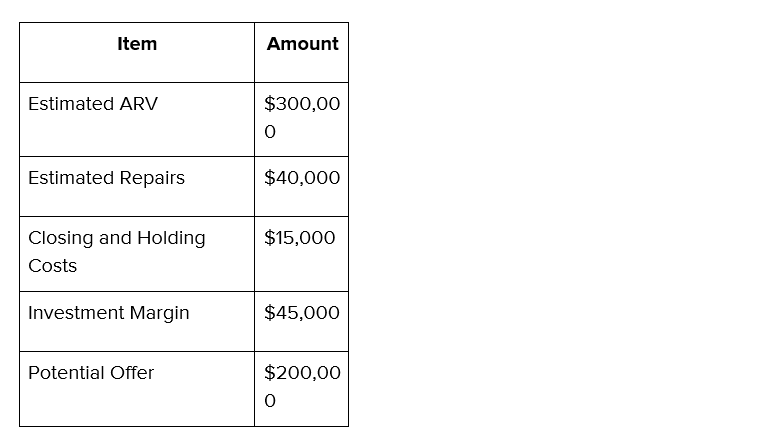
A simplified example looks like this:

Actual calculations vary from one property to another. This example simply shows how different costs are considered when determining an offer amount.

ARV helps buyers evaluate both risk and opportunity before purchasing a property.

Why Location Carries So Much Weight

Location remains one of the strongest influences on home value.

Two houses with nearly identical features can receive very different valuations if they are located in different neighborhoods. Buyers review factors such as school districts, nearby amenities, transportation access, crime statistics, and overall neighborhood appeal.

Areas experiencing population growth often attract stronger buyer demand. Communities with ongoing development projects may also support higher property values over time.

Location affects resale potential, making it a critical part of every valuation process.

Factors That Can Increase Your Offer

Certain property characteristics may positively influence a cash buyer's valuation.

Features that often help include:

  • Updated kitchens

  • Renovated bathrooms

  • New roofing

  • Modern HVAC systems

  • Attractive curb appeal

  • Functional floor plans

  • Desirable locations

Proper maintenance can also improve buyer confidence. A well-maintained property presents fewer unknown risks, making valuation easier and more predictable.

Even modest improvements may help support a stronger offer when combined with favorable market conditions.

Looking Beyond the Offer Amount

Homeowners sometimes focus entirely on the offer price while overlooking other important details.

A slightly lower cash offer may provide advantages such as a faster closing, fewer contingencies, reduced paperwork, and no repair requests. These factors can save both time and money during the transaction.

Evaluating the entire package rather than a single number often provides a clearer understanding of value. Every seller has unique priorities, and those priorities should guide the decision-making process.

Taking time to understand how cash buyers calculate property value can make negotiations more transparent and less stressful. Knowledge of comparable sales, repair costs, market conditions, ARV, and location factors helps homeowners better evaluate offers and choose the path that aligns with their goals.

FAQs

1. Do cash buyers use professional appraisals?

Some cash buyers order appraisals, while others rely on market data, comparable sales, inspections, and internal valuation methods.

2. Why are repair costs deducted from cash offers?

Buyers account for renovation expenses because they must invest additional money to improve or prepare the property for resale.

3. What does ARV mean in real estate?

ARV stands for After-Repair Value. It is the estimated market value of a property after repairs and upgrades have been completed.

4. Can homeowners negotiate a cash offer?

Yes. Many cash offers are negotiable. Providing additional property information or recent comparable sales may help support discussions about value.


Elegant Venue Ideas for Sydney Wedding Weekends

Sydney is renowned for its stunning landscapes and vibrant city life, making it the perfect backdrop for unforgettable weddings. When planning your special day, selecting the right venue is paramount to ensuring a memorable experience. One exceptional choice for venue hire in Sydney is the iconic Watsons Bay Hotel. Nestled in a picturesque location, this venue offers a blend of elegance and charm, providing an idyllic setting for both ceremonies and receptions.

Why Sydney is a Popular Choice for Weddings

Hosting a wedding in Sydney not only offers spectacular views but also a diverse array of venue options. Whether you are looking for a beachside ceremony or a sophisticated urban affair, Sydney caters to every taste and style. Couples choosing Sydney can expect a combination of world-class amenities and a dynamic cultural ambiance that enhances the wedding experience.

The Appeal of Watsons Bay Hotel

The Watsons Bay event venue for weddings stands out with its exceptional service and breathtaking harbour views. This venue provides versatile spaces that can be tailored to suit both intimate gatherings and grand celebrations. Couples can choose from a variety of settings within the venue, each offering a unique atmosphere to match their wedding vision.

Scenic Beauty and Versatile Spaces

Watsons Bay Hotel boasts scenic beauty that sets the stage for stunning wedding photography. The hotel offers multiple spaces for ceremonies and receptions, including waterfront areas, elegant ballrooms, and beautifully landscaped gardens. This adaptability allows couples to customise their wedding day to reflect their personal style and preferences.

Accommodation for Guests

In addition to being a premier event venue, Watsons Bay Hotel provides exceptional accommodation options for wedding guests. From luxurious suites to cosy rooms, there are myriad offerings to suit different needs and tastes. The Watsons Bay Hotel accommodation options ensure that guests can relax and enjoy the festivities in comfort.

Planning the Perfect Sydney Wedding

Successful wedding planning involves attention to detail and careful selection of vendors. Sydney offers access to a wide range of talented professionals, from florists and photographers to caterers and entertainers. Taking the time to select the right partners will contribute significantly to the success of the wedding day.

Logistics and Transportation

Coordinating transportation and logistics is crucial for any wedding. Fortunately, Sydney has robust transportation options, including ferries, buses, and private charters, making it easy for guests to navigate the city and surrounding areas. Venues like Watsons Bay Hotel can also assist in planning transportation to ensure a seamless experience for all attendees.

Customising Wedding Themes

One of the advantages of hosting a wedding in Sydney is the ability to create a personalised theme. With such a diverse landscape, couples can choose themes ranging from nautical to vintage, or even a chic black-tie event. Watsons Bay Hotel is equipped to accommodate various themes, aiding in creating a cohesive and immersive experience for guests.

Culinary Delights

Catering plays a pivotal role in ensuring that wedding guests have a memorable experience. Sydney’s dynamic food scene allows couples to select from a variety of culinary options. The catering team at Watsons Bay Hotel can provide bespoke menus that cater to diverse palates, enhancing the overall wedding experience with delectable dishes.

Finalising the Wedding Day Itinerary

Creating a detailed itinerary ensures that the wedding day flows smoothly. Couples should work closely with the wedding coordinator at their chosen venue to plan the order of events, ensuring that there is ample time for each segment of the day, from the ceremony and photographs to the reception and farewell.

The Importance of Flexibility

While planning is vital, being open to adjustments can prevent stress if unexpected circumstances arise. Having a flexible approach allows couples to enjoy their day without undue worry, knowing that their team of professionals is there to handle any surprises.

Choosing the Perfect Venue

The venue is one of the most critical aspects of wedding planning. By selecting a location such as Watsons Bay Hotel, couples can rest assured knowing they have chosen a space that offers both beauty and functionality. This decision plays a crucial role in creating lasting memories for both the couple and their guests.

In summary, Sydney offers a plethora of options for creating elegant and memorable wedding weekends. By leveraging the stunning venues and experienced professionals available, such as those at Watsons Bay Hotel, couples can design a truly unique celebration that they and their guests will treasure for years to come.

Urban Planning: The Role of Modern Outdoor Furniture

City streets and public parks shape daily routines. The items placed within these areas dictate how community members interact. Selecting the right seating alters how people utilize shared zones.

Well-planned environments offer spaces to rest and chat. Modern developments focus on creating inviting spots that support daily activities.

Proper layout choices transform plain concrete patches into functional gathering areas. Communities see positive changes when design choices accommodate human needs.

Designing Educational Seating

School grounds require careful layout strategies to serve students well. Campus planners look for furniture that survives heavy daily use.

Campus courtyards experience significant foot traffic throughout the day. Selecting options with commercial metal benches for schools helps managers maintain order in high-traffic zones. These strong installations provide reliable spots where kids gather before morning classes begin.

Choosing sturdy options prevents frequent replacement costs for cash-strapped districts. Administrators prioritize items that withstand weather elements year-round. Saving money on maintenance allows schools to spend funds on classroom materials.

Integrating Technology In Public Spaces

Modern cities adapt to new lifestyle demands by adding technical amenities to open parks. People want to stay connected even when relaxing outside. Planners incorporate infrastructure that supports mobile devices near seating arrangements.

A paper published in a sustainable cities journal explained that cities can add furniture alongside paths, sun shade, and internet connection spots. Gathering zones become much more practical when they support electronic tools.

Adding charging stations near seating encourages longer visits to municipal parks. Regular updates to neighborhood layouts help satisfy these modern user expectations.

Creating Inclusive Environments For Everyone

Public design must accommodate individuals of all physical levels. Universal layouts prevent anyone from feeling excluded from community areas. Designers focus on accessibility when planning sidewalks and rest areas.

According to research from a national health database, universal design principles help improve safety and social inclusion for diverse populations. Safe configurations protect elderly visitors from accidental falls. Proper spacing around picnic spots gives wheelchair users ample room to navigate.

Providing diverse seating choices helps everybody feel welcome in municipal spaces. Cities see better engagement when layouts think about everyone's physical needs.

Extending Classroom Spaces Outside

Educational properties often utilize outer perimeters to increase instructional square footage. Moving activities into the open air gives students a fresh perspective. Instructors find that changing settings keeps lessons interesting.

An article from an architectural engineering archive mentioned that open areas serve as direct extensions of indoor learning environments. Fresh air supports student focus during tough assignments. Campus planners select sturdy elements to create functional exterior workstations.

Administrators look at various advantages when installing exterior study spots. Several benefits come from establishing these open-air learning zones:

  • Steel structures resist damage from harsh seasonal storms.

  • Shaded spots protect student laptops from screen glare.

  • Group configurations support interactive team projects.

These areas offer flexible alternatives to traditional indoor rooms. Incorporating durable objects helps schools maximize their available acreage.

Choosing Durable Materials For Heavy Use

Public property managers look for items that require minimal upkeep. Choosing weather-resistant material keeps replacement budgets under control. Metal selections such as coated steel withstand severe climates without rotting or cracking.

Powder-coated surfaces prevent rust formation from winter snow and spring rain. These treatments keep public benches looking pristine for decades. Heavy framing resists vandalism attempts in unsecured community parks.

Investing in premium commercial goods saves municipalities money across multiple years. Durable coatings minimize the hours maintenance crews spend on paint touch-ups.

Developing Social Gathering Hubs

Placing benches in circular patterns encourages conversation among neighbors. People naturally gather where comfortable seating options exist. Strategic layouts turn quiet paths into active meeting spots.

Neighborhood squares thrive when citizens possess comfortable places to rest. Families stay longer at playgrounds when supervisors have clear sightlines from nearby perches. Good furniture choices build stronger bonds within a town.

Designers create welcoming environments by pairing benches with picnic tables. These areas host weekend gatherings and afternoon study sessions for local families.

Balancing Aesthetics And Functionality

Modern site furnishings must look attractive and serve a practical purpose. Visual appeal draws visitors into public plazas and city gardens. Matching furniture colors with existing architecture creates a unified appearance.

Planners select styles that complement historical districts or contemporary office parks. Sleek profiles fit well in downtown commercial zones. Choosing the correct aesthetic elevates the perceived value of local real estate.

Combining style with durability provides long-term satisfaction for community residents. Cities achieve better results when form matches function perfectly.

Smart asset choices dictate the long-term success of municipal development projects. Selecting reliable seating options helps communities build functional spaces that last.

Property managers see great returns when prioritizing durable construction. Careful planning turns empty spots into valued neighborhood assets.