Sussex County Heating Systems Under Strain: What Homeowners Should Know Before the Next Freeze
Photo by Arthur Lambillotte on Unsplash
Sussex County, NJ, is no stranger to winter’s icy grip. With temperatures often plummeting below freezing during the coldest months, home heating systems are expected to deliver consistent, reliable warmth. But after several years of severe weather swings and longer-than-average cold spells, many homeowners are now confronting a hard truth: their heating systems are no longer keeping up. Calls for heating repair spike with every cold front, and what was once seen as preventative maintenance is becoming urgent triage.
From aging boilers to heat pumps struggling with efficiency loss, Sussex County homes are showing the wear and tear of time—and the stress of frigid winters. As energy costs rise and HVAC systems work overtime, the strain is real. This article takes a deep dive into what’s driving the heating system struggles in Sussex County and what homeowners should do now to avoid frozen surprises when the mercury drops again.
Aging Systems Are a Silent Threat to Winter Comfort
One of the most pressing issues facing Sussex County residents is the sheer age of their heating systems. Many homes in the area were built decades ago, and while cosmetic upgrades may keep interiors fresh, mechanical systems such as boilers and furnaces often go untouched. The typical lifespan of a gas furnace is around 15 to 20 years. Boilers may last slightly longer but are still prone to efficiency loss and internal corrosion after two decades.
Unfortunately, older systems don’t fail overnight. Their decline is subtle—starting with small performance dips, inconsistent heat, and rising energy bills. Homeowners often delay action, assuming that if the system “still works,” there’s no rush. But this is precisely the danger. When temperatures hit their lowest point, aging systems are the most likely to fail under pressure. Replacing worn components before a full breakdown occurs can prevent costly emergency heating repair calls and extended periods without heat during a snowstorm or deep freeze.
Extreme Cold Exposes Hidden Inefficiencies in HVAC Systems
Sussex County winters have become increasingly unpredictable, with sharp temperature drops and polar vortex patterns becoming more common. These temperature extremes place immense stress on HVAC systems—particularly those that haven’t been tuned or upgraded in years. A system that operates adequately during mild weather can be utterly overwhelmed when temperatures fall to single digits.
When systems run continuously just to maintain a livable indoor temperature, energy bills surge and components wear down faster. Heat exchangers can crack, fans may fail, and thermostats often lose calibration. The root issue in many of these scenarios isn’t just poor maintenance—it’s that the system was never designed to handle these extremes. A furnace sized for moderate winters can fall short during prolonged subzero stretches, leaving families cold and frustrated. Homeowners should consider not just repairs, but whether a full system evaluation is warranted to ensure their heating setup is appropriate for the evolving climate.
Poor Insulation and Ductwork Compound Heating System Strain
Even the best heating system in Sussex County can underperform if the home itself isn’t winter-ready. In many cases, outdated or insufficient insulation and leaky ductwork are the culprits behind cold spots, drafty rooms, and endless thermostat adjustments. When heated air escapes through attics, crawlspaces, or poorly sealed windows, the heating system has to work harder and longer—putting more wear on key components and inflating energy bills.
Ductwork in particular deserves attention. Over time, ducts can separate at the seams, become clogged with debris, or suffer from crushed sections that reduce airflow. Combined with inadequate insulation, this results in systems that short-cycle or run continuously. Heating professionals often report that some “heating repair” calls turn out to be duct or insulation issues that mimic HVAC failure. For homeowners, this means that addressing the broader thermal envelope of the house can have just as much impact as replacing a furnace or boiler.
Fuel Supply and Energy Costs Are Pushing Systems to the Brink
Many Sussex County homes still rely on oil or propane heating, which leaves them vulnerable to fluctuating energy markets. In recent years, the cost of heating oil and propane has spiked during winter months, adding pressure on homeowners to reduce thermostat settings and stretch limited fuel deliveries. But lowering the thermostat isn’t always enough when cold spells linger—and running out of fuel during a storm is a real and dangerous possibility.
Moreover, systems that are not optimized for fuel efficiency waste valuable resources. An oil furnace with a clogged nozzle or dirty burner can consume far more fuel than necessary, offering diminishing returns. The same holds true for electric or gas-powered systems with neglected filters or worn motors. This financial pressure is driving more homeowners to explore supplemental heating sources—such as heat pumps or pellet stoves—but without integrating them properly into the home’s heating strategy, efficiency still suffers. The solution lies in combining efficiency upgrades with timely inspections to make every BTU count.
DIY Repairs and Outdated Thermostats Can Backfire When It Matters Most
In an effort to save money or avoid service wait times, many homeowners attempt to make small heating system fixes on their own. While some tasks such as filter replacement or cleaning vents are safe and helpful, others—such as wiring thermostats or opening sealed units—can be risky or ineffective. In fact, improperly handled DIY fixes often lead to larger problems down the line.
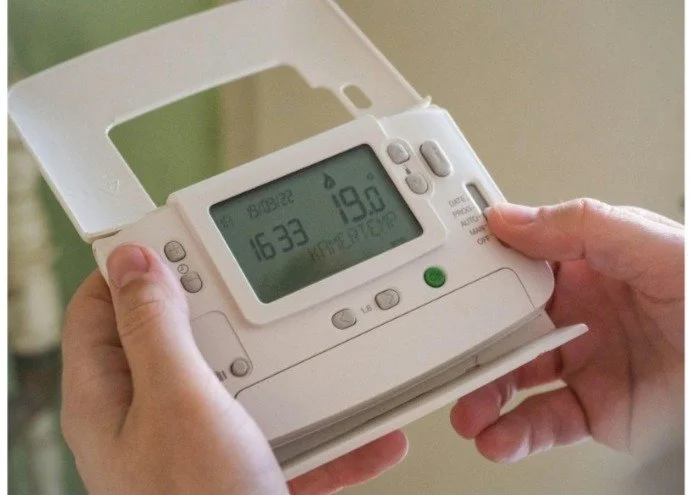
One common issue involves thermostats that are either outdated or installed incorrectly. Analog thermostats may not provide the precise temperature control needed for modern systems, while newer programmable models can become energy-wasting liabilities if configured incorrectly. Smart thermostats offer greater control and efficiency, but only when integrated correctly with compatible systems. HVAC professionals in Sussex County increasingly cite thermostat errors as a major contributor to perceived heating failures—errors that could easily be avoided with proper setup or system matching. For peace of mind, homeowners should leave diagnostic work and component replacements to certified technicians.
Lack of Preventative Maintenance Leads to Emergency Repairs
The leading cause of emergency heating repair calls in Sussex County isn’t catastrophic failure—it’s preventable wear and tear that goes unnoticed until the system stops working. Simple tasks such as cleaning burners, checking airflow, and lubricating motors can dramatically extend the life of a heating system, but they’re often ignored until something breaks.
Annual inspections are especially critical in areas such as Sussex County, where heating systems may run nearly 24/7 during peak winter months. Technicians can identify signs of wear, detect carbon monoxide risks, and assess whether parts such as belts, blowers, or valves are nearing the end of their life span. Regular maintenance also allows for system recalibration to ensure optimal performance under different weather conditions.
Conclusion: Don’t Wait for the Freeze to Fix What You Can Now
Sussex County winters are relentless, and heating systems pushed to the brink cannot always bounce back. The signs of strain—rising utility bills, uneven heating, frequent cycling, or persistent noises—should not be ignored. Whether your system is aging, undersized, or simply unmaintained, now is the time to act before the next freeze turns inconvenience into crisis.
By focusing on preventative maintenance, evaluating insulation and ductwork, embracing energy-efficient upgrades, and working with trusted professionals for diagnostics and heating repair, homeowners can ensure their families stay safe and warm no matter how low the temperature drops. Don’t gamble with comfort or safety—winter doesn’t wait, and neither should you.