High-End Landscaping: Essential Snail Control Tips
Maintaining a gorgeous upscale garden requires careful attention to every detail. Premium outdoor spaces often feature exotic plants and expensive greenery that require protection from various garden threats.
Standard treatments sometimes fall short when dealing with specific types of leaf-eating creatures. Property owners must adopt precise management habits to keep their custom grounds looking flawless throughout the changing seasons.
Strategic planning turns a vulnerable yard into a thriving sanctuary where delicate flora can grow without constant interference from hidden surface intruders.
Luxury Garden Design Challenges
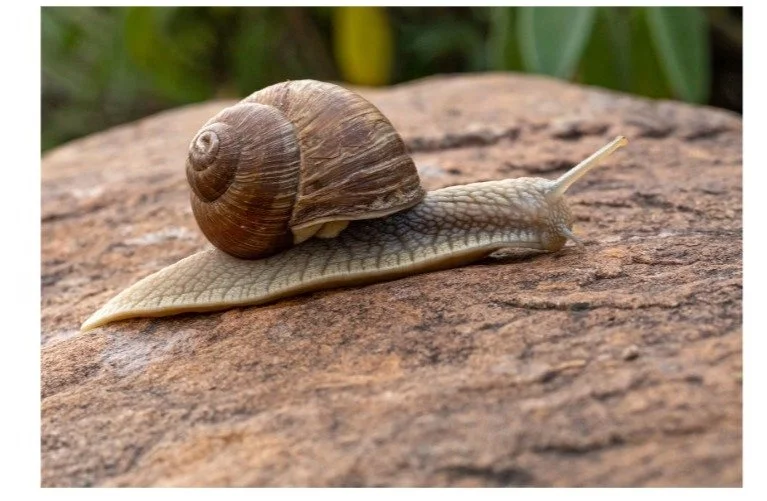
High-end yards frequently utilize dense ground cover and elaborate irrigation systems to maintain lush green aesthetics. These features inadvertently create ideal breeding grounds for nocturnal multipliers that feast on premium botanical specimens. A single night of unchecked feeding can ruin $5,000 in imported flowers and decorative shrubbery.
Leaf damage quickly decreases the visual appeal of a carefully planned estate garden. Replacing mature specimens stands as a costly and frustrating process for property managers. Developing a targeted defense plan helps preserve financial investments in exotic outdoor flora.
Thinning out crowded vegetation reduces these hiding spots. Consistent oversight remains the finest tool for preventing widespread damage to delicate leaves.
Options For Getting Pest Control
Property managers often struggle to maintain pristine foliage when local populations of gastropods multiply rapidly. Investing in expert services for getting snail pest control allows homeowners to protect delicate plant varieties from severe damage. Specialized technicians understand how to locate hidden nesting zones around foundational stonework.
Early intervention prevents minor leaf chew marks from turning into widespread defoliation across the entire yard. Consistent monitoring schedules help identify rising population trends before visible destruction occurs on valuable specimen trees.
Taking action early safeguards the long-term beauty of custom outdoor features. Custom properties benefit greatly from systematic defense schedules tailored to specific seasonal shifts.
Biological Trait Separation From Common Bugs
Treating these specific garden intruders requires distinct knowledge regarding their physiological makeup.
A publication from Colorado State University Extension notes that these creatures are gastropods more closely related to clams and mussels than to typical yard insects.
This biological difference means standard insect sprays fail to provide adequate defense for high-value foliage.
Their unique hydration needs force them to seek shelter under low-hanging leaves and thick mulch layers during sunny daylight hours.
Understanding this behavior helps estate managers place treatments exactly where these shelled organisms hide. Targeted placement improves the efficiency of defensive measures throughout the property.
Eco-Friendly Baiting Strategies For Premium Lawns
Selecting the correct treatment material represents a critical step in maintaining a safe outdoor environment.
Information distributed by the University of California Agriculture and Natural Resources indicates that baits containing iron phosphate offer a safer option that is less toxic to humans, pets, and surrounding ecosystems but remains highly effective.
Utilizing these specific formulas prevents accidental harm to domestic animals that roam the estate grounds.
These pellets break down naturally into the soil over 3 weeks without leaving behind dangerous chemical residues.
Regular applications during peak activity cycles keep populations under control without disrupting the natural soil balance. Property managers favor this approach to preserve both plant health and environmental safety.
Modern Methods For Managing Invasive Species
Controlling non-native species requires a deep understanding of how these organisms interact with local garden habitats.
Research conducted at Oregon State University Extension focuses on studying the ecology of invasive shelled pests to develop novel management strategies for long-term population reduction. Implementing these advanced concepts helps prevent recurring infestations in vulnerable estate layouts.
Integrated management involves combining multiple modern techniques to achieve the best results on high-end properties. Property owners can combine several approaches to establish a comprehensive defense system against destructive gastropods:
Utilizing specialized copper flashing around raised stone planters to repel crawling pests.
Adjusting automatic drip irrigation schedules to run during early morning hours instead of at night.
Clearing away excessive ground debris to eliminate potential breeding shelters near valuable flowerbeds.
Structural Barriers For Estate Protection
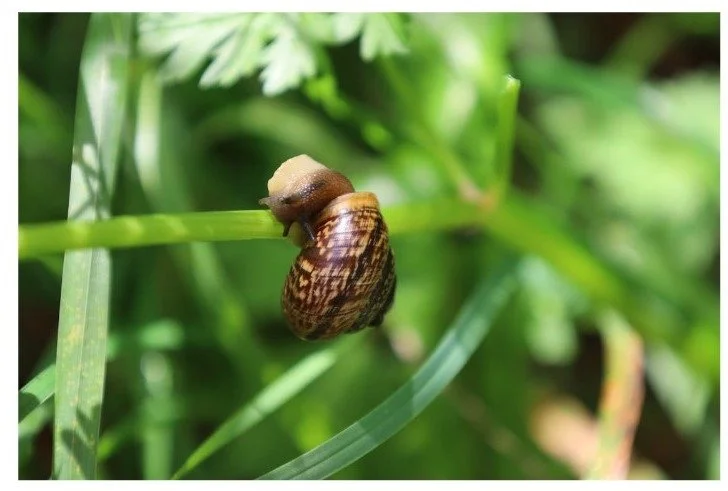
Physical modifications to the property offer permanent solutions that complement seasonal baiting methods. Creating custom borders using abrasive materials like crushed shells or specific rough sands deters crawling pests from entering premium flower beds.
These textures cause discomfort to soft-bodied organisms, forcing them to find alternative feeding grounds away from prized specimens.
Copper tape attached to individual planters creates a natural, low-voltage reaction that discourages climbing behavior without using harsh chemicals.
Combining these architectural elements with professional monitoring keeps estate grounds looking immaculate year-round.
Consistent maintenance of these barriers guarantees long-term protection for valuable outdoor investments. Proper placement prevents pests from reaching rare decorative shrubs.
Achieving a pristine exterior presentation demands a proactive stance against common yard-destructive forces.
Combining knowledge of pest biology with modern eco-friendly materials allows estate managers to protect rare botanical collections effectively. Consistent application of these techniques preserves the structural design and aesthetic value of custom residential grounds.
Through careful planning and strategic barrier placement, homeowners enjoy beautiful outdoor spaces that remain free from the devastating effects of unexpected gastropod infestations. These combined efforts maintain the value of premium residential properties over many years.