What to Consider Before Applying for a Home Equity Loan

Property owners often sit on a large pile of wealth without knowing it. This wealth grows as you pay your mortgage or as market prices go up in your town. This gap between the value of your residence and what you owe is called equity. You can use this value to get cash for big life goals or smart investments.

Accessing this money requires a clear plan and a look at your monthly budget. Many people use Lend For All to find different lenders that match their specific needs. This helps you see what rates you can get based on your own credit story. You should know how these borrowing agreements work before you sign any official papers.

Photo by RDNE Stock project

Checking Your Financial Health and Readiness

Before you ask for a payout, look at how much money you make each month. Lenders want to see that you can pay back the debt without any trouble. They check your job history and how much other debt you carry right now. A stable life makes you a better candidate for a low interest rate.

How Your Credit Score Changes the Deal

Your credit score tells a story about how you handle money over time. A high score usually means you pay less in interest every month. You should check your report for errors before you apply for an equity agreement. Fixing small mistakes can save you a lot of money over the long haul.

Proving Your Monthly Income

You need to show that your income is steady and will stay that way. Financial firms look at tax forms and bank statements to verify your earnings. This is very important if you work for yourself or run a small shop. Showing a clear paper trail of your money helps the bank trust you.

Looking at Your Loan to Value Ratio

The loan to value ratio is a math problem that lenders use to limit risk. They compare the total debt on the property to what it is worth today. Most banks in Canada will not let you borrow more than 80 percent of that value. This protects everyone if the housing market shifts or prices drop suddenly.

Getting a Fair Appraisal

A professional appraiser will visit your residence to see what it is worth. They look at the size of your lot and any big upgrades you finished. They also compare your house to others that sold nearby in the last few months. Clean up your yard and fix small things before the appraiser arrives at your door.

Steps to Find Your Borrowing Limit

You can do some quick math at your desk to see how much cash you might get. Use these steps to find a realistic number for your planning.

  • Find the current market price of your residence from recent sales.

  • Multiply that total value by 0.80 to find the debt limit.

  • Subtract your current mortgage balance from that new number.

  • Take away another 5 percent to cover legal and closing costs.

Picking the Best Product for You

There are different ways to take money out of your property. Some people want a big check all at once for one project. Others want a line of credit they can use whenever they need it. It is smart to learn about these choices through the Financial Consumer Agency of Canada before you decide.

Fixed Rate Equity Payouts

A fixed rate agreement gives you all the money in one lump sum. You pay it back in the same amount every month for years. This makes it very easy to plan your household budget. You know exactly when the debt will be paid off and gone.

Home Equity Lines of Credit

A line of credit works like a credit card tied to your residence. You only pay interest on the money you actually spend. This is great for a renovation that takes a long time to finish. Keep in mind that the interest rates on these usually change with the market.

Staying Safe and Protecting Your Residence

Using your property as collateral means the bank can take it if you stop paying. This is a big risk that you must take seriously from day one. You should have a backup plan in case your income drops or costs go up. High level business leadership often involves managing these risks by looking at the worst case scenario.

Watching Out for Rate Hikes

The Bank of Canada changes interest rates to help the economy stay healthy. If you have a variable rate, your monthly payment might go up. You should test your budget to see if you can afford a higher payment. Being ready for changes prevents stress when the economy shifts.

Habits for Smart Borrowers

Good habits keep your finances safe while you use your equity. Follow these simple rules to stay on track with your repayment plan.

  • Only borrow what you need for a specific and useful purpose.

  • Keep six months of payments in a separate savings account.

  • Read every page of the borrowing agreement before you sign it.

  • Avoid using the money for items that lose value like cars.

Photo by RDNE Stock project

Moving Toward the Final Steps

Once you pick a financial partner, the closing process starts with more paperwork. You will need a lawyer to help change the title on your residence. This ensures the new debt is legal and follows all the local rules. Ask your lawyer about any fees that might be due at the very end.

Take your time to compare at least three different offers from lenders. Small changes in interest rates can mean thousands of dollars over many years. When you have the right plan, your equity becomes a great tool. Use it wisely to build a better future for yourself and your family.

8 Strategies Real Estate Investors Use to Improve Cash Flow

Cash flow is the oxygen of any real estate portfolio. You can have millions in paper equity, but if the monthly rent doesn't cover the mortgage, taxes, and a busted boiler, you are effectively broke. Relying on sheer market appreciation is a gamble. Actual operators, i.e., the people who build generational wealth rather than just flipping houses on television, engineer their margins. They squeeze every possible dollar out of an asset through operational efficiency and tax strategy.

Here is how the professionals actually pad their bottom line. 

1. Stop Guessing on Renovations

Most amateur landlords over-improve. They put luxury finishes in a B-class neighborhood and wonder why they cannot double the rent. Smart capital deployment means installing durable, tenant-proof materials. Think luxury vinyl plank flooring instead of hardwood, or resurfacing cabinets rather than tearing out the entire kitchen. If a $4,000 cosmetic upgrade doesn't allow you to bump the rent by at least $100 a month, keep your checkbook closed.

2. Front-Load Your Tax Deductions

Depreciating a commercial building evenly over 39 years is the default method, but it is hardly the most efficient. The IRS allows owners to accelerate depreciation on specific building components, like specialty plumbing, fencing, or carpeting, into the early years of ownership. This requires an engineering study, but the immediate reduction in taxable income is massive. If you want to stop leaving money on the table, reviewing a list of the best cost segregation services is a highly profitable afternoon project.

3. Bill Back the Utilities

Water and sewer bills will quietly eat your profit margin alive, especially in multifamily properties. Implementing a Ratio Utility Billing System (RUBS) shifts those costs back to the tenants. You divide the master bill based on square footage or the number of occupants per unit. Suddenly, a massive variable expense disappears from your profit and loss statement, instantly boosting your net operating income.

4. Fight the Assessor

Municipalities routinely overvalue properties to pad their tax revenues. Never accept your property tax assessment at face value. Hire a specialized attorney or a property tax consultant who works on contingency. They pull comparable sales, argue the condition of your building, and fight the city. Winning an appeal permanently lowers one of your largest fixed expenses.

5. Monetize Dead Space

Rent should not be your only income stream. Look at the physical footprint of your property. Is there a vacant basement? Rent it as storage. An empty patch of dirt? Pave it and charge for reserved parking. Even adding a simple pet fee or installing smart lockers for package delivery can add thousands of dollars in ancillary revenue over a calendar year.

6. Restructure the Paper

Interest rates dictate your monthly nut. If you are sitting on a high-interest loan from a few years ago, or a short-term bridge loan, you are bleeding cash. Refinancing into a longer amortization schedule, or negotiating an interest-only period, immediately drops your monthly debt service.

7. Plug the Turnover Drain

Vacancy is a silent killer. Every time a tenant moves out, you lose a month of rent, pay a leasing commission, and inevitably spend money painting walls and fixing blinds. Keeping a good tenant at a slightly below-market rate is almost always more profitable than pushing rent to the absolute ceiling and forcing a move-out.

8. Fix It Before It Breaks

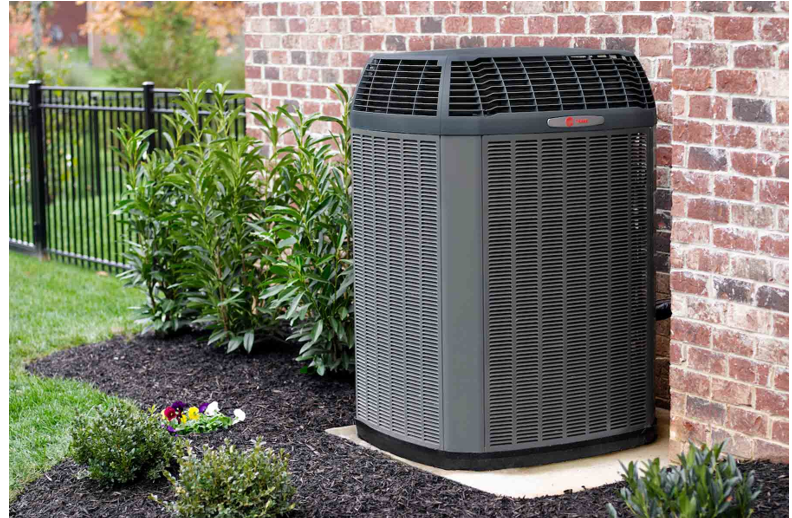
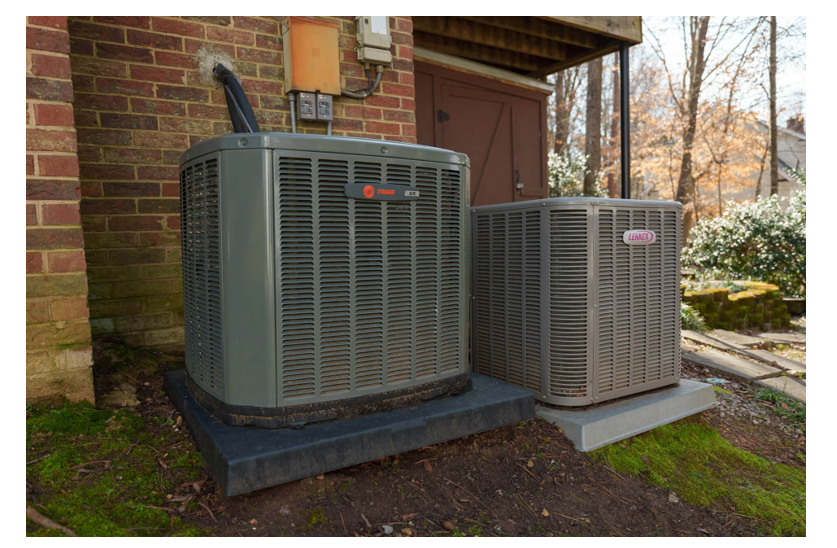
Deferred maintenance is just debt with a higher interest rate. Skipping a $150 HVAC service call in the spring usually guarantees a $6,000 furnace replacement in the dead of winter. Routine, preventative maintenance preserves your capital expenditures budget and keeps your cash flow predictable.

Generating strong cash flow is an active pursuit rather than a passive waiting game. Investors who treat their properties like a business, constantly looking for operational efficiencies and tax advantages, are the ones who survive market downturns. Stop relying on appreciation to bail out bad numbers and start pulling these levers to protect your bottom line today. 

Hypercars vs Supercars: Key Differences Explained

Performance car terminology gets thrown around loosely. Supercar, hypercar, exotic — most people use them as if they mean roughly the same thing. But they don't. Each label points to a specific tier of engineering, price, and purpose, and collapsing them into one category misses what makes each genuinely interesting.

The gap between a supercar and a hypercar is wider than most people expect. For anyone who wants a thorough breakdown of what separates these machines, a detailed resource on hypercars vs supercars walks through everything from power figures and production numbers to the materials and technology that define each class. It's not just a horsepower story.

What Makes a Supercar?

Think of supercars as the ceiling of what's commercially available to the public in any meaningful volume. Built around high-output combustion engines, aerodynamic bodywork, and chassis tuned for precision, these are machines that demand respect on the road. Output typically ranges from 500 to 700 horsepower. Getting to 60 mph takes under four seconds. The top speed exceeds 180 mph with little effort.

They're not practical cars, but they're not unusable either. Many buyers drive them occasionally, accepting firm suspension and tight quarters as part of the deal. Production runs from several hundred to a few thousand units per year, depending on the model. Pricing generally falls between $150,000 and $500,000 — exclusive, but attainable for a specific kind of buyer.

What Defines a Hypercar?

Hypercars don't just raise the bar. They move it somewhere else entirely.

These machines are built to push the limits of physics on four wheels. Power output routinely exceeds 1,000 horsepower, with some hybrid systems pushing combined figures past 1,500. The 0-to-60 sprint happens in under 2.5 seconds. Top speeds regularly cross 250 mph, and a handful of production models have gone well beyond that.

Production is kept deliberately scarce, often under 100 units globally. In some cases, buyers don't choose the car; the manufacturer chooses them. Prices start at roughly $1 million and climb sharply from there, with the most exclusive examples clearing $5 million before options. Post-delivery auction prices tend to rise further.

Here's the thing: the hybrid and electric systems in this segment aren't about fuel economy. They exist to deliver instant torque that a combustion engine alone can't replicate at those response speeds. Active aerodynamics, full carbon fiber monocoques, and sophisticated traction systems aren't optional extras on a hypercar. They're the baseline. And the engineering that seems extreme today in this segment tends to become a standard feature in supercars five to ten years later.

Performance: The Numbers Side by Side

Putting the specs side by side makes the divide hard to ignore. Supercars produce 500 to 700 hp; hypercars regularly exceed 1,000 hp, sometimes well past that. The 0-to-60 window is 3 to 4 seconds for a supercar versus under 2.5 seconds for a hypercar. Top speed caps tend to range from 200 to 220 mph for supercars, while hypercars push past 250 mph, with a few production models exceeding 270 mph. On closed circuits, certain hypercars run times that rival those of dedicated prototype racers.

These aren't incremental differences. They reflect a completely different philosophy about what a road car is supposed to be capable of.

Technology and Materials

Speed is partly a function of power, but it's equally a function of how the car is built. Supercars use aluminum structures reinforced with carbon fiber in key areas, which is impressive by any normal standard. Full-carbon-fiber tubs remain relatively rare at that level. Hypercars are built around them almost without exception. The weight savings are significant, but the bigger gain is rigidity — a stiffer chassis transfers power and responds to steering inputs with far less flex.

Modern supercars have started incorporating rear-wheel steering, adaptive suspension, and torque vectoring as standard or near-standard features. In a hypercar, those same systems are tuned to a different calibration entirely, often with driver-selectable modes engineered specifically for track use rather than general road conditions.

The tires are worth mentioning separately. On certain hypercars, the rubber was developed specifically for that model, co-engineered alongside the chassis. Off-the-shelf performance tires simply can't manage the lateral forces involved at those speeds.

Usability in the Real World

Supercars are livable, at least in relative terms. Front axle lift systems, adjustable dampers, and enough luggage space for a short trip make them workable as occasional drivers. Some models even ride surprisingly well in their softer setting.

Hypercars ask more of their owners. Aerodynamic performance and structural integrity take priority over cabin comfort, and it shows. The noise levels are high, rear visibility is often poor, and the suspension is aggressively tuned by design. Many hypercar owners use them almost exclusively at track days. Maintenance intervals are tighter, parts are largely proprietary, and the cost of running one reflects the engineering that underpins it.

Understanding the Line Between Them

Supercars live at the intersection of performance and practicality. They're genuinely fast, genuinely special, and still compatible with actual use. Hypercars exist beyond that line, in territory where compromise has been stripped away and replaced by pure capability.

Both categories matter. But they're not the same conversation, and treating them as interchangeable sells both short.