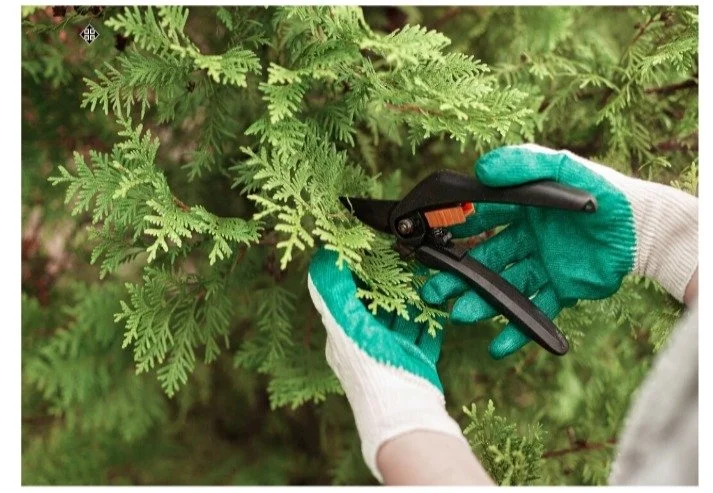
When to Trim and When to Let Trees Grow Naturally
Trees are a bit like people. Some need guidance and structure, while others thrive when left alone. So how do you know when to step in with the pruning shears and when to let nature do its thing?
It’s a common question for homeowners. Trim too much, and you risk damaging the tree. Leave it too long, and things can quickly get out of hand. Finding that balance is the key.
Let’s walk through the signs, benefits, and decisions that help you get it right.
Signs Your Trees Need Trimming
Dead or Diseased Branches
This one’s a no-brainer. In fact, many homeowners turn to services like tree pruning Sydney when they notice branches that are dry, brittle, or discoloured. It’s a clear sign it’s time to act.
Dead wood doesn’t just look bad. It can spread disease or fall unexpectedly. Removing it early keeps the tree healthy and your property safe.
Overgrown or Crowded Canopy
Ever looked up and noticed your tree resembles a tangled mess?
When branches start competing for space, airflow and sunlight get blocked. That’s when trimming becomes essential.
Safety Hazards Around Property
Trees should enhance your space, not threaten it.
Low-hanging branches over driveways or walkways can be dangerous. Especially during storms or strong winds.
Branches Near Power Lines or Roofs
This is where things get serious.
Branches brushing against roofs or power lines can cause damage or even fire risks. In these cases, trimming isn’t optional. It’s necessary.
Benefits of Trimming Trees
Promotes Healthy Growth
Trimming encourages trees to grow stronger and healthier.
By removing weak or damaged branches, you’re allowing the tree to focus its energy where it matters most.
Improves Tree Structure
A well-trimmed tree has a balanced shape.
Think of it like posture. Good structure helps the tree stand tall and withstand external stress like wind or heavy rain.
Enhances Property Appearance
Let’s be honest. A tidy tree looks better.
It adds to your property’s overall appeal and creates a more polished outdoor space.
Boosting Natural Light and Airflow
Trimming opens up the canopy, allowing sunlight to filter through.
This not only benefits the tree but also your garden and lawn underneath.
The Best Time of Year to Trim Trees
Seasonal Considerations in Australia
Timing matters more than most people realise.
In Australia, the climate varies, but generally, cooler months are ideal for most trimming tasks.
Why Winter Is Often Ideal
During winter, trees enter a dormant phase.
This means less stress on the tree when branches are removed. It also makes the structure easier to see without dense foliage.
Exceptions for Fast-Growing Species
Some trees grow rapidly and may need trimming outside the typical schedule.
In these cases, light maintenance throughout the year can help keep things under control.
When to Let Trees Grow Naturally
Young Trees and Natural Development
Young trees need time to establish themselves.
Over-pruning early on can stunt growth or lead to poor structure. Sometimes, the best thing you can do is step back.
Native Trees in Balanced Ecosystems
Native species are well adapted to local conditions.
They often require minimal intervention. Letting them grow naturally can support local wildlife and maintain ecological balance.
Avoiding Over-Pruning Risks
Too much trimming can weaken a tree.
It can lead to stress, disease, or even long-term damage. It’s a bit like over-editing a sentence until it loses meaning.
Understanding Natural Growth Patterns
Every tree has its own growth style.
Some spread wide, others grow tall and narrow. Understanding these patterns helps you decide when to intervene.
Factors to Consider Before Trimming
Tree Age and Health
Older trees may not recover as quickly from heavy pruning.
Assess the tree’s condition before making any cuts.
Location and Surroundings
Where is the tree positioned?
Near a house, fence, or driveway? Location plays a big role in deciding how much trimming is needed.
Long-Term Growth Potential
Think ahead.
How big will this tree get in five or ten years? Planning now can save you from major work later.
Common Tree Species and Their Trimming Needs
Eucalyptus Trees
Eucalyptus trees are iconic but can grow quite large.
They often require regular maintenance to manage size and remove dead branches.
Palm Trees
Palms are relatively low-maintenance.
They mainly need trimming to remove old fronds and keep things tidy.
Fruit Trees
Fruit trees benefit greatly from pruning.
It improves fruit quality, encourages growth, and makes harvesting easier.
Flowering Ornamentals
Ornamental trees should be pruned after flowering.
This helps maintain their shape without affecting the next bloom cycle.
Tools and Techniques for Effective Tree Trimming
Essential Tools for the Job
Good tools make all the difference.
Sharp secateurs, pruning saws, and loppers are must-haves for clean cuts.
Proper Cutting Techniques
Always cut at the right angle and avoid tearing the bark.
Clean cuts heal faster and reduce the risk of disease.
Avoiding Common Mistakes
Avoid cutting too close or leaving large stubs.
Both can harm the tree and slow down recovery.
Professional Tree Services vs. DIY Trimming
When DIY Works
Small jobs are often manageable.
If you’re dealing with low branches or minor shaping, DIY can be a practical option.
When to Call the Experts
Large trees or risky situations require professional help.
Climbing, heavy branches, and proximity to structures are best left to experts.
Finding Reliable Tree Pruning Sydney Services
If you’re unsure, reaching out to tree pruning Sydney professionals ensures the job is done safely and correctly.
They bring experience, proper equipment, and a trained eye.
Conclusion
So, when should you trim, and when should you let trees grow naturally?
It all comes down to balance.
Trimming keeps trees healthy, safe, and visually appealing. But stepping back and letting nature take its course can be just as important.
Think of yourself as a guide rather than a controller. Your role is to support the tree, not dominate it.
Whether you’re doing a quick trim or consulting tree pruning experts, the goal remains the same—healthy trees, a safer space, and a landscape that feels alive and well cared for.