Assisted Pull-Ups: How to Progress Without Getting Stuck

Pull-ups are a cornerstone of upper body strength training, yet they can be a daunting challenge for many fitness enthusiasts. Assisted pull-ups primarily focus on developing the muscles in your back, shoulders, and arms. When executed correctly, they can significantly improve your overall fitness. The assistance allows you to complete the full range of motion, thus maximizing muscle engagement. This is crucial for those who are not yet able to lift their entire body weight.

How Resistance Bands Enhance Your Pull-Up Technique

Resistance bands are versatile tools that can significantly enhance your pull-up technique. They offer variable resistance, which means the assistance is greatest at the bottom of the movement where you need it most. As you pull yourself up, the resistance decreases, allowing your muscles to work harder.

The bands not only help in lifting your body but also promote proper form. Many beginners struggle with maintaining form, which can lead to inefficient workouts or even injury. Resistance bands for pull-ups encourage you to engage the correct muscles throughout the exercise. This engagement ensures that your back, shoulders, and arms work in harmony, facilitating better muscle growth and endurance.

Furthermore, resistance bands provide a smoother transition from assisted to unassisted pull-ups. As your strength improves, you can gradually decrease the resistance provided by the bands. This adaptability makes them an excellent tool for progressive overload, a fundamental principle in strength training that ensures continuous improvement and muscle development.

Selecting the Right Resistance Bands for Assisted Pull-Ups

Choosing the appropriate resistance bands is crucial for maximizing the benefits of assisted pull-ups. Bands come in various sizes, lengths, and resistance levels, typically measured in pounds or kilograms. Selecting the right band depends on your current strength level and fitness goals.

Here are some guidelines to help you choose:

  1. Beginner Level: If you're new to pull-ups, opt for bands with higher resistance. These bands will offer more assistance, making the exercise manageable while still challenging your muscles.

  2. Intermediate Level: As you gain strength, switch to bands with medium resistance. They provide enough support to perform multiple repetitions while encouraging muscle growth.

  3. Advanced Level: For those close to achieving unassisted pull-ups, bands with light resistance are ideal. They offer minimal assistance, allowing you to focus on perfecting your form and building the final push needed for solo pull-ups.

When purchasing resistance bands, consider quality and durability. High-quality bands are made from natural rubber or latex, which ensures longevity and safety during workouts. Investing in a set of bands with varying resistance levels can provide a comprehensive solution as you progress through different stages of your pull-up journey.

Step-by-Step Guide to Performing Assisted Pull-Ups with Bands

Performing assisted pull-ups with resistance bands requires proper setup and technique. Follow these steps to ensure you get the most out of your workout:

  1. Set Up the Band: Loop the band around the pull-up bar. Ensure it's securely fastened to prevent slipping during the exercise. The other end should hang down, ready for you to step into.

  2. Position Yourself: Place one or both knees or feet into the band loop, depending on your preference and comfort. Grasp the pull-up bar firmly with an overhand grip, keeping your hands shoulder-width apart.

  3. Engage Your Core: Before beginning the movement, engage your core muscles. This stabilization is vital for maintaining control throughout the pull-up.

  4. Perform the Pull-Up: Start by hanging from the bar with your arms fully extended. Pull yourself upward by drawing your elbows down towards your sides. Aim to get your chin above the bar, then slowly lower yourself back to the starting position. Focus on controlled movements to maximize muscle engagement.

  5. Breathing Technique: Inhale as you lower yourself and exhale as you pull up. Proper breathing enhances performance and provides the necessary oxygen supply to your muscles.

Regular practice with this method will improve your strength and technique, incrementally moving you closer to unassisted pull-ups.

Progressing from Assisted Pull-Ups to Unassisted Pull-Ups

Transitioning from assisted to unassisted pull-ups is a rewarding milestone in your fitness journey. As you build strength, gradually reduce the assistance provided by the bands. This reduction can be achieved by either using bands with less resistance or by incorporating additional repetitions with your current band until you are ready for the next level.

Incorporate negative pull-ups into your routine. These involve starting at the top of the pull-up position and slowly lowering yourself down without the assistance of bands. Negative pull-ups build eccentric strength, which is crucial for completing full pull-ups.

Tracking your progress is essential. Keep a record of the number of assisted pull-ups you can perform and the resistance level used. Studies show that monitoring repetitions and resistance levels increases consistency and motivation in resistance training programs. This log will help you identify when you are ready to reduce assistance or try unassisted pull-ups. Consistency and patience are key. Celebrate small victories along the way, and don't rush the process.

Alternative Exercises to Complement Assisted Pull-Ups

Complementing your pull-up routine with alternative exercises can accelerate your progress. These exercises target similar muscle groups and improve the strength and endurance needed for pull-ups.

  1. Lat Pulldowns: This exercise mimics the pull-up motion and strengthens the latissimus dorsi, a primary muscle used in pull-ups. Adjust the weight to challenge your muscles without compromising form.

  2. Inverted Rows: Inverted rows are an excellent bodyweight exercise that targets the back and biceps. They can be performed using a barbell or TRX straps. Adjusting the angle of your body can make the exercise easier or more challenging.

  3. Bent-Over Rows: These can be done with dumbbells or a barbell. Bent-over rows target the upper back and help improve the pulling strength necessary for pull-ups.

Incorporate these exercises into your weekly routine to build a balanced upper body workout. This variation will prevent plateaus and enhance your overall fitness.

Conclusion

Mastering pull-ups is a journey that requires dedication, persistence, and the right tools. Resistance bands for pull-ups provide an effective and flexible solution to build the strength needed for unassisted pull-ups. By understanding the basics, using resistance bands effectively, and incorporating complementary exercises, you can overcome barriers and achieve your pull-up goals. Remember, every small step brings you closer to mastery. Celebrate your progress, and don't hesitate to seek guidance from fitness professionals if needed. Their expertise can provide personalized advice tailored to your individual needs.

Holistic Sleep Hygiene: From Light to Rituals

Sleep is one of the most powerful — and often overlooked — pillars of good health. It affects nearly every aspect of our well-being, from immune function and cognitive performance to emotional balance and physical recovery. Yet in a world that glorifies productivity and constant connectivity, getting quality rest has become a challenge for many.

Holistic sleep hygiene goes beyond simply aiming for eight hours of rest. It considers the full ecosystem surrounding sleep: light exposure, daily habits, environment, and rituals that cue the body and mind to slow down. By looking at sleep as something to be supported intentionally, rather than something that just “happens,” you can create conditions that make restorative rest more natural and consistent.

The Role of Light in Setting Your Sleep Rhythm

Light is one of the most powerful regulators of our circadian rhythms — the internal biological clocks that determine when we feel awake and when we feel sleepy. Morning light exposure helps synchronize these rhythms, signaling to the body that it’s time to be alert. In contrast, dimming lights in the evening tells the brain that night is approaching, supporting the natural release of melatonin.

Many sleep problems stem from disrupted light patterns. Bright screens at night, for instance, can trick the brain into thinking it’s still daytime, making it harder to fall asleep. One of the simplest yet most effective steps toward better sleep hygiene is to get bright natural light early in the day and reduce exposure to blue light in the hours before bed. Even a short morning walk can help reset your internal clock.

Learning From Trusted Wellness Resources

Understanding sleep hygiene holistically can feel overwhelming at first. That’s why many people turn to trusted wellness publications and communities for guidance on how to build better habits. Websites like greenheal net often offer practical advice, scientific explanations, and step-by-step approaches to improving sleep naturally. Whether it’s understanding the science of circadian rhythms, exploring the role of nutrition in rest, or discovering calming rituals to add to your evenings, drawing on reliable sources can help you find the strategies that fit your life best.

Designing a Sleep-Supportive Environment

Your bedroom environment plays a significant role in how easily and deeply you sleep. A cool, dark, quiet room is ideal for most people, though personal preferences vary. Blackout curtains, white noise machines, or even a simple fan can create a more consistent sleep setting.

Clutter also matters. A messy space can subtly signal chaos to the brain, making it harder to relax. Tidying up before bed — even just a few minutes of clearing surfaces — can make your room feel like a sanctuary rather than a storage space. Investing in comfortable bedding and keeping your bedroom primarily reserved for sleep and rest can also help reinforce healthy associations.

Rituals That Prepare the Mind

Just as light and environment influence sleep, so do rituals. Having a consistent pre-sleep routine signals to your brain that it’s time to transition from wakefulness to rest. This might involve activities like gentle stretching, reading, journaling, or practicing a calming breathing exercise.

It’s less about what specific activity you choose and more about repeating it consistently. Over time, your brain begins to associate those actions with sleepiness, making it easier to drift off naturally. Avoiding stimulating activities — like checking emails or scrolling through social media — is equally important, as these can keep the mind alert when it should be winding down.

Daytime Choices Shape Nighttime Rest

Good sleep doesn’t start at bedtime — it starts much earlier in the day. Regular physical activity has been shown to improve both sleep quality and duration, but timing matters. Exercising too close to bedtime can be stimulating for some people, while morning or afternoon movement can support healthy rhythms.

What you consume also plays a role. Caffeine too late in the day can delay sleep onset, while heavy meals right before bed may lead to discomfort. On the other hand, light, balanced dinners and calming herbal teas can support relaxation. Being mindful of how your daytime choices influence your nighttime rest can make a significant difference.

Technology: Friend or Foe?

Technology often gets a bad reputation when it comes to sleep, but it doesn’t have to be the enemy. When used intentionally, tech can support healthy habits — for example, apps that play soothing sounds, remind you when to start winding down, or track your sleep patterns to help you identify what’s working.

The key is boundaries. Using technology to support your sleep routine should never come at the cost of overstimulation. That means avoiding endless scrolling before bed and setting “digital sunset” times to give your mind space to settle.

Sleep as a Skill to Be Cultivated

Thinking of sleep as a skill — rather than just a passive state — can transform how you approach it. Like any skill, improving it takes practice, patience, and consistency. Some nights will be better than others, but over time, holistic sleep hygiene habits compound to create a more stable, restful pattern.

By aligning light exposure, creating supportive environments, embracing calming rituals, and learning from trusted health resources, you can build a nightly routine that sets you up for deeper, more restorative rest.

Rest Is Not a Luxury — It’s a Foundation

Quality sleep isn’t just a “nice to have.” It’s a foundational element of physical and mental health, influencing everything from mood to immune strength. Treating it with the care and attention it deserves is one of the most impactful things you can do for your overall well-being.

Holistic sleep hygiene offers a pathway to reclaiming rest in a busy world. With small, intentional changes, you can turn your nights into a time of true renewal — and wake up ready to meet each day with clarity and energy.

The Importance of a Houston Motorcycle Accident Lawyer in Protecting Injured Riders

Motorcycle accidents in Houston can change a person’s life in an instant Riders face greater risks on the road because motorcycles offer less physical protection and even a small collision can cause serious injuries When a crash happens victims often struggle with medical bills property damage emotional stress and long recovery periods In such situations a Houston Motorcycle Accident Lawyer becomes a powerful source of support guidance and protection helping injured riders secure fair compensation and rebuild their lives with confidence

Houston is known for its busy highways fast traffic weather changes and large commercial vehicles all of which create challenging conditions for motorcyclists Many accidents occur because other drivers fail to notice motorcycles or do not respect the space riders need A Houston Motorcycle Accident Lawyer understands these dangers and knows how to handle cases involving distracted driving speeding unsafe lane changes drunk driving and failure to yield Their experience allows them to investigate the crash identify the cause and fight for the victim’s rights

One of the biggest challenges riders face after an accident is proving that they were not at fault Many people believe false stereotypes about motorcyclists assuming they ride carelessly or take unnecessary risks These assumptions can affect insurance claims and legal outcomes A skilled Houston Motorcycle Accident Lawyer works to break this bias by collecting strong evidence accident reports witness statements camera footage and expert opinions They build a clear and honest picture of what actually happened to show that the rider deserves full and fair compensation

Insurance companies often try to pressure victims into accepting low settlements They may argue that injuries are not severe offer quick but unfair payouts or shift blame onto the motorcycle rider This can leave victims struggling financially while trying to recover physically With a Houston Motorcycle Accident Lawyer on your side you do not have to deal with these tactics alone They handle all communication negotiate confidently and fight for compensation that includes medical expenses lost income pain and suffering future treatment needs and other financial losses

Motorcycle accidents frequently result in serious injuries such as broken bones head trauma spinal cord injuries nerve damage severe road rash and long term mobility issues These injuries require medical treatment that can last months or even years A Houston Motorcycle Accident Lawyer works closely with doctors therapists and financial experts to understand the full impact of these injuries This helps them calculate the true value of the claim ensuring the victim receives support not just for immediate care but for long term needs as well

Many victims feel overwhelmed by the legal process especially while dealing with pain stress and recovery A lawyer provides clear guidance from the beginning explaining every option step and requirement They help file paperwork meet deadlines prepare statements and represent the victim with confidence Their goal is to make the process as smooth as possible so riders can focus on healing while the lawyer handles the complicated legal responsibilities

In some cases multiple parties may be responsible for a motorcycle accident The driver may be at fault but there could also be issues with road maintenance vehicle defects or unsafe construction zones A Houston Motorcycle Accident Lawyer investigates every angle to identify all responsible parties By doing so they strengthen the case and increase the chances of receiving the maximum compensation available

Sadly some motorcycle accidents result in life changing disabilities or wrongful death Families dealing with such tragedies face emotional pain financial difficulties and uncertainty about the future An experienced lawyer provides support compassion and strong legal representation during these difficult moments They help families seek justice hold negligent parties accountable and secure financial stability such as funeral costs loss of income and long term support for dependents

Beyond the legal and financial aspects a Houston Motorcycle Accident Lawyer also offers emotional reassurance Injured riders often feel scared confused or unsure about their next steps A dedicated lawyer listens carefully understands their fears and remains committed to fighting for their rights from start to finish This emotional support brings strength and confidence during one of the toughest times in a person’s life

Houston’s unique traffic patterns road conditions and legal environment require a lawyer who understands the local system A lawyer familiar with Houston roads highways accident trends and court procedures can build a stronger case Their local knowledge helps them prepare effective strategies and increases the chance of a successful outcome

When choosing a Houston Motorcycle Accident Lawyer victims should look for someone with experience strong negotiation skills courtroom confidence and a proven record of helping injured riders A great lawyer does more than just handle paperwork They become a powerful advocate who stands by you supports you and fights to protect your future Their job is to ensure that you are treated fairly respected and compensated fully for everything you have lost

A Houston Motorcycle Accident Lawyer plays a crucial role in helping riders recover financially emotionally and legally They protect victims from unfair insurance tactics fight against biased assumptions gather strong evidence and make sure the law works in the victim’s favor Their guidance allows injured riders to rebuild their lives with stability dignity and hope After a motorcycle accident having a skilled lawyer by your side is not just helpful it is essential for securing justice and safeguarding your future

Sydney Scape: Revolutionizing Urban Living Spaces

When I first started exploring Scape properties in Sydney, it wasn’t for anything fancy. I was just curious, really. Sydney has this way of making you feel tiny the first few times you wander through the CBD. Tall buildings, that buzzing hum of traffic mixed with the smell of roasted coffee and sea air. It’s chaotic but really kind of addictive. So discovering these modern student and urban living spaces tucked neatly into some of the busiest pockets of the city felt almost surprising, like stumbling on something you never thought you’d find there.

To be honest, I first heard about Scape from a friend who moved to Sydney for her Master's. She told me her building didn’t feel like the usual cramped, slightly noisy student accommodation we’d read about sometimes in Reddit posts. And I thought, yeah, sure, everyone says that at first. But after visiting, I realized she wasn’t exaggerating. Not even close.

First impressions matter more than we admit

The first Scape building I walked into had this gentle background noise, like soft chatter mixed with the hum of an espresso machine. Students were sitting around, some studying, others chuckling about something on someone’s phone. The vibe didn’t feel forced. It felt lived in. Warm. Comfortable in that way places get when people actually enjoy being there.

You know when you step into a space and instantly relax your shoulders without even thinking about it? That’s how it felt. Soft lighting, clean but not sterile, modern but not showy. It struck a weird balance that I didn’t expect from a student-focused building in the middle of Sydney’s madness.

Where these buildings sit really changes the experience

Sydney is huge, both in size and personality. The neighborhood you choose basically shapes your whole lifestyle. Most Scape locations sit close to major universities like UTS, UNSW, or the University of Sydney. And that really changes the day-to-day rhythm.

I’ve done my fair share of long public transport commutes, and let me tell you, nothing drains your soul quite like standing on a packed morning bus in the heat, holding on to a rail that’s always slightly sticky for some unknown reason. So being able to walk or cycle to class? It’s a massive upgrade. You’ll probably find your mornings start calmer and your nights feel safer, especially when you’re walking home from late study sessions.

The city light hits the buildings differently, too. Early mornings have this soft peach glow. Evenings get that deep purple sky behind skyscrapers. It’s beautiful enough that sometimes you forget how busy everything is.

Rooms that actually make sense for real people

One thing that surprised me was how practical the rooms feel. A lot of student accommodation either leans toward tiny boxes or oversized spaces you don’t really need. Scape seems to sit neatly in the middle. You get a room that feels like a proper home. Enough space to breathe, study, sleep, and maybe even scatter clothes on the floor during exam season without feeling like you’re drowning.

I once stayed in a place where the mattress was so thin you could feel the bed frame underneath. It squeaked every time I moved, and I swear I didn’t sleep properly for months. So yes, comfortable rooms matter. A lot. Especially when you’re spending half your week staring at your laptop and the other half trying not to fall asleep in lectures.

Natural light is another thing I didn’t realize I cared about until I lived somewhere without it. But most of the Scape rooms I’ve seen have decent windows, sometimes with views of the city that look like they were pulled from a postcard. When it rains, you can hear the soft tapping on the glass. It’s incredibly calming.

The shared spaces don’t feel forced or awkward

Communal areas in student living can be hit or miss. Some feel awkward, like waiting rooms where no one knows what to do with themselves. But the Scape ones? Quite natural. People studying in clusters, someone cooking instant noodles, two people arguing lightly over whose turn it is to clean the microwave. Just everyday stuff.

And that’s the thing. It doesn’t feel staged. No over-the-top decoration. No weirdly empty lounges. Just simple, useful spaces that people actually use. Most of the time, interactions happen naturally. Someone asks where you’re from, someone compliments your laptop sticker, and suddenly you’ve made a new friend.

Support when life gets a bit chaotic

Sydney is exciting, but it can also be overwhelming. There’s always noise, always movement. So having a building that feels like a safe base is huge. A lot of the Scape locations have staff available when you need something. Not in an intrusive way. More like, if something breaks or you’re confused about a delivery or you just need help settling in, there’s a human there. A real one. Not just an email address that takes two weeks to reply.

Most people I know underestimate how important good support is until they actually need it. Especially when you’re far from home and still learning how to juggle studying, friendships, part-time work, and remembering to eat vegetables sometimes.

Being part of the city without getting lost in it

Sydney can swallow you whole if you’re not careful. It’s busy and bright and occasionally overwhelming. But living somewhere like Scape helps break that intensity up a bit. You get the best parts of the city, the culture, the food, the late-night walks past glowing windows, without feeling completely lost in the noise.

I love walking through the city at night when everything smells like rain on warm pavement. You hear laughter from restaurants, cars whooshing by, distant music from somewhere you can’t quite pinpoint. Living close to all that but still having a peaceful room to come back to feels like the best of both worlds.

A few final thoughts while sipping a flat white

Sydney will always be one of those cities that leaves an impression. Big energy, big opportunities, big personalities. But where you live shapes how you experience it. And that’s where Scape seems to have found its place. Buildings that feel human, thoughtful, warm. Spaces designed for real daily life, not just the idea of it.

If you’re thinking about studying or living in Sydney for a while, it’s worth taking a stroll through one of these buildings. Sit in the lounge for a bit. Listen to the background noise. Trust your instinct. You’ll know fairly quickly if it’s your kind of place.

And once you find somewhere that feels right, everything else about living in Sydney gets a little easier. A little lighter. Maybe even a little exciting in that strange way only big cities can be.

Designing With the Land: Why Context Is Shaping Contemporary Homes


In recent years, residential design has undergone a quiet but meaningful shift. As available land becomes more constrained and clients seek homes with stronger identity and longevity, designers are increasingly turning away from generic solutions. Instead, they are focusing on context — allowing the physical characteristics of a site to shape the architecture itself.

This approach is especially visible in regions with complex terrain, where slopes, elevation changes, climate, and orientation directly influence how a home is conceived. Rather than treating these factors as obstacles, contemporary design practices now view them as primary inputs.

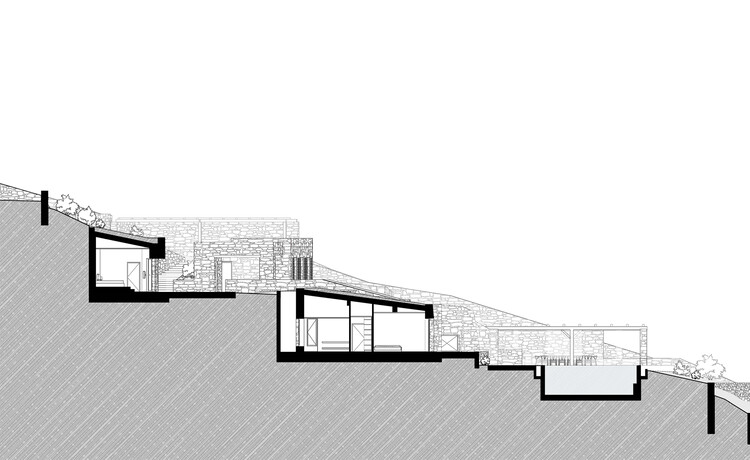
Architectural section illustrating a home integrated into a sloped site.

From Site Constraints to Design Drivers

Every site carries embedded information. Changes in elevation suggest natural circulation paths. Soil composition informs structural logic. Sun exposure defines spatial hierarchy, while prevailing winds influence ventilation and comfort.

When these factors are considered early on, the process becomes more analytical than stylistic. It begins to resemble cartography — an interpretation of land, climate, and use layered over one another. For architecture design firms, this type of mapping helps clarify how the site itself can influence massing, material choices, and spatial flow.

This methodology results in homes that feel anchored to their environment, rather than imposed upon it.

Contemporary home designed to follow the natural slope of the landscape.Why Landscape-Led Design Is Gaining Relevance

As urban density increases and available sites become more constrained, residential projects are increasingly shaped by physical and regulatory limits rather than open planning freedom. In this context, early decisions related to building placement, orientation, and volumetric strategy carry disproportionate weight. These choices directly influence structural complexity, construction cost, energy behavior, and long-term spatial performance.

Landscape-led design responds to this reality by treating site conditions as fixed inputs rather than variables to be negotiated later. Topography, access, setbacks, solar exposure, and environmental overlays establish a framework within which the building is developed. Instead of imposing a predetermined layout, the design evolves as a calibrated response to measurable site parameters.

This methodology often results in stepped massing, split-level organizations, and multi-layered relationships between interior and exterior spaces — not as stylistic gestures, but as functional outcomes of working with slope, elevation change, and natural orientation.

Beyond visual coherence, landscape-led design typically reduces excessive grading, limits over-engineering, and improves alignment with zoning and environmental requirements. By grounding design decisions in site-specific analysis from the outset, projects achieve greater technical efficiency, regulatory clarity, and long-term resilience.

The Role of Early Analysis

A core principle of context-driven design is the prioritization of early, site-specific analysis. Before any formal layouts are developed, topography, zoning envelopes, access conditions, and existing natural features are carefully assessed. This phase establishes realistic development boundaries and identifies technical constraints that would otherwise surface much later in the process.

By clarifying what the site can and cannot support, early analysis reduces the likelihood of fundamental redesigns and misaligned engineering solutions. Practices that invest in this groundwork tend to produce projects with greater internal coherence and higher performance — structurally, economically, and environmentally.

Interior space opening toward the surrounding landscape through large windows.

A Shift Toward More Intentional Homes

Homes shaped by their surroundings tend to demonstrate stronger long-term relevance. Their relationship to light, views, and climate is not incidental but embedded in the design logic. As a result, these spaces feel specific to place rather than interchangeable across contexts.

As expectations around authenticity, durability, and long-term value continue to rise, site-responsive design reflects a broader cultural shift in residential architecture. With increasingly complex sites becoming the norm rather than the exception, designing in direct dialogue with the land is no longer a niche approach — it is rapidly becoming a baseline standard for thoughtful, future-oriented homes.

Trusted 24/7 Emergency Plumber for Burst Pipes and Floods

An issue with your plumbing can happen anytime. If you have a burst pipe or sudden flood in your home, it can do a lot of damage if the to correct steps aren’t taken. This is why having a local, reliable 24 hour emergency plumber is crucial. Prompt action can save your home, your belongings and your peace of mind.

Why You Need an Emergency Plumber

A pipe can burst out of nowhere. Pipes may break as a result of freezing temperatures, wear and tear or rapid changes in pressure. When that occurs, your home can flood with water and floors, walls, furniture and personal items can be damaged. A tiny trickle can become a big issue in hours.

Floods can also be generated by external events, like heavy rains or storms. Even a little water that gets inside your home can develop into mildew, mold or structural issues. Benefits Of Using An Emergency Plumber Emergency plumbers have been trained to respond quickly and mitigate any additional damage. They have the proper tools as well as knowledge to solve the matter efficiently.

24/7 Availability Matters

Plumbing disasters keep no schedule. They might take place overnight, on weekends or during holidays. Delaying until morning could mean having to fork out thousands for water damage and repairs.

A reliable emergency 24-hour plumber will never leave you stranded when you are in the middle of a problem. They respond quickly, evaluate the situation, and begin repairs right away. This quick response reduces damage and helps to restore normal life in your home or place of business more quickly.

Quick Response and Professional Service

Plumbing Troubleshooting experts know that time is off the essence. Typically, when you call they get there in an hour or less, depending on where you are. When they arrive, they survey the damage methodically and pinpoint what was leaking or flooding.

They can use special equipment to fix a burst pipe, replace damaged fittings or shut off water temporarily to minimize additional damage. Most emergency plumbers also offer a complete cleanup which incorporates water removal, drying and sanitizing to make your home safe and tidy right after the disaster.

Preventing Long-Term Damage

Water damage can extend beyond wet floors. It can compromise the structure of your home, interfere with electrical systems and pose health risks from mold and bacteria growth. These risks are lessened by the fact that an emergency plumber into your property without any delay.

Plumbers can also make suggestions on how to avoid such problems in the future. This can involve inspecting pipes, replacing old or damaged pipes, installing improved water pressure regulators and other measures to ensure adequate drainage. Prevention pays for itself in the long run with both financial savings and reduced stress.

Choosing a Trusted Emergency Plumber

Not all plumbers offer the same level of bathroom plumbing services. When choosing a 24/7 emergency plumber, consider experience, reputation, and response time. A trusted plumber will have:

  • Certified and experienced technicians who handle all types of plumbing emergencies.

  • Rapid response times to reach your home or business quickly.

  • Transparent pricing without hidden fees.

  • Positive reviews from previous customers, showing reliability and quality service.

Handling Different Types of Plumbing Emergencies

A reliable emergency plumber can handle a variety of problems, including:

  • Burst or leaking pipes that flood your home quickly.

  • Clogged or overflowing drains that create water backup.

  • Water heater failures causing lack of hot water or leaks.

  • Sewage backups which are dangerous and need immediate attention.

  • Flooding from storms where water enters basements or low-lying areas.

Each of these situations requires fast action and professional handling. Trying to fix them yourself can be dangerous and may worsen the problem.

Peace of Mind During Emergencies

Having a reliable emergency plumber to call on can provide you with peace of mind. Whether it's day or night, work is never more than a phone call away. This way you can pay attention to your family, job, or other things rather than worrying about adding even more water damage.

Tips for Minimizing Damage Before Help Arrives

While waiting for a plumber to arrive, you can take a few steps to reduce damage:

  1. Shut off the main water supply to stop further flooding.

  2. Move valuables to higher ground or another room.

  3. Turn off electricity if water is near outlets or appliances.

  4. Contain water using buckets, towels, or sandbags.

These simple steps can prevent serious damage and make the plumber’s job easier.

Conclusion

Pipes bursting and floods are enough to stress you out, but a reliable 24-hour emergency plumber can make all the difference. Rapid response, professional service, and reliable remediation reduce damage and restore safety in your home.

Don’t wait until disaster strikes at your bathroom plumbing services. Get a good business emergency plumber NOW, and be prepared for any sudden water problem. Swift action saves your home, your possessions, your peace.