Designing With the Land: Why Context Is Shaping Contemporary Homes
In recent years, residential design has undergone a quiet but meaningful shift. As available land becomes more constrained and clients seek homes with stronger identity and longevity, designers are increasingly turning away from generic solutions. Instead, they are focusing on context — allowing the physical characteristics of a site to shape the architecture itself.
This approach is especially visible in regions with complex terrain, where slopes, elevation changes, climate, and orientation directly influence how a home is conceived. Rather than treating these factors as obstacles, contemporary design practices now view them as primary inputs.
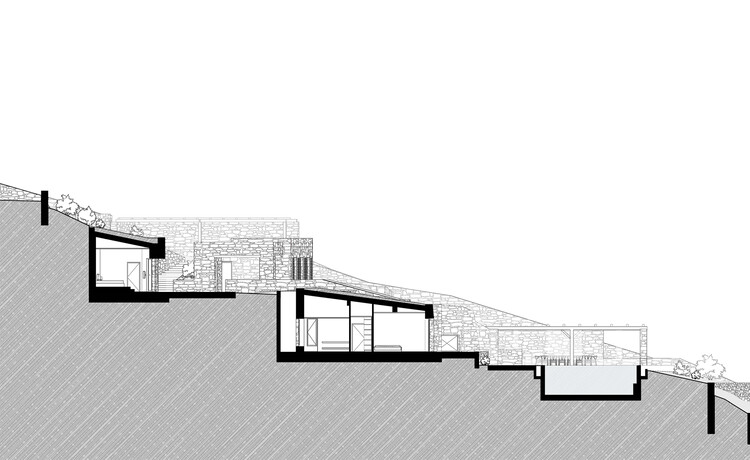
From Site Constraints to Design Drivers
Every site carries embedded information. Changes in elevation suggest natural circulation paths. Soil composition informs structural logic. Sun exposure defines spatial hierarchy, while prevailing winds influence ventilation and comfort.
When these factors are considered early on, the process becomes more analytical than stylistic. It begins to resemble cartography — an interpretation of land, climate, and use layered over one another. For architecture design firms, this type of mapping helps clarify how the site itself can influence massing, material choices, and spatial flow.
This methodology results in homes that feel anchored to their environment, rather than imposed upon it.
 Why Landscape-Led Design Is Gaining Relevance
As urban density increases and available sites become more constrained, residential projects are increasingly shaped by physical and regulatory limits rather than open planning freedom. In this context, early decisions related to building placement, orientation, and volumetric strategy carry disproportionate weight. These choices directly influence structural complexity, construction cost, energy behavior, and long-term spatial performance.
Landscape-led design responds to this reality by treating site conditions as fixed inputs rather than variables to be negotiated later. Topography, access, setbacks, solar exposure, and environmental overlays establish a framework within which the building is developed. Instead of imposing a predetermined layout, the design evolves as a calibrated response to measurable site parameters.
This methodology often results in stepped massing, split-level organizations, and multi-layered relationships between interior and exterior spaces — not as stylistic gestures, but as functional outcomes of working with slope, elevation change, and natural orientation.
Beyond visual coherence, landscape-led design typically reduces excessive grading, limits over-engineering, and improves alignment with zoning and environmental requirements. By grounding design decisions in site-specific analysis from the outset, projects achieve greater technical efficiency, regulatory clarity, and long-term resilience.
The Role of Early Analysis
A core principle of context-driven design is the prioritization of early, site-specific analysis. Before any formal layouts are developed, topography, zoning envelopes, access conditions, and existing natural features are carefully assessed. This phase establishes realistic development boundaries and identifies technical constraints that would otherwise surface much later in the process.
By clarifying what the site can and cannot support, early analysis reduces the likelihood of fundamental redesigns and misaligned engineering solutions. Practices that invest in this groundwork tend to produce projects with greater internal coherence and higher performance — structurally, economically, and environmentally.
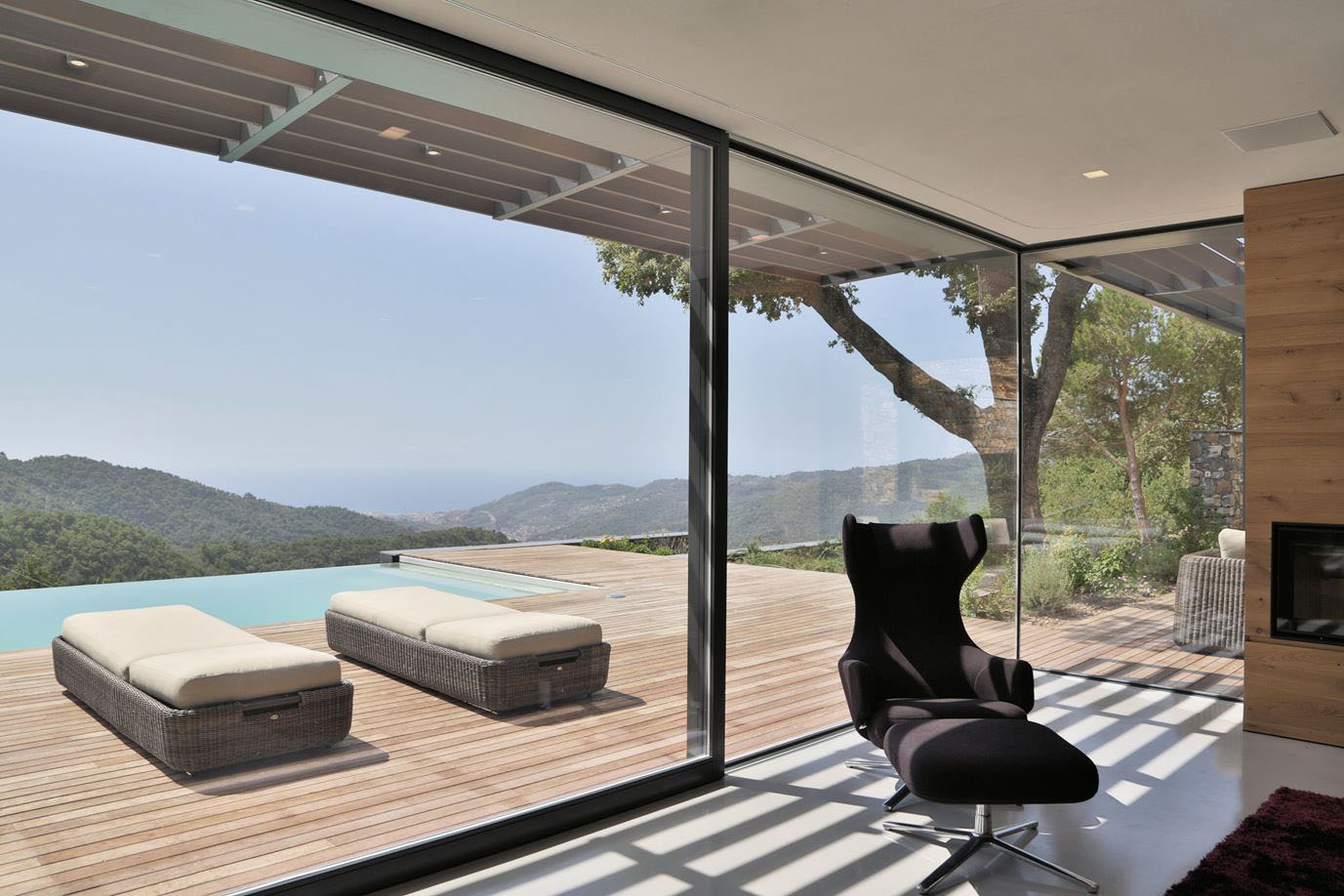
A Shift Toward More Intentional Homes
Homes shaped by their surroundings tend to demonstrate stronger long-term relevance. Their relationship to light, views, and climate is not incidental but embedded in the design logic. As a result, these spaces feel specific to place rather than interchangeable across contexts.
As expectations around authenticity, durability, and long-term value continue to rise, site-responsive design reflects a broader cultural shift in residential architecture. With increasingly complex sites becoming the norm rather than the exception, designing in direct dialogue with the land is no longer a niche approach — it is rapidly becoming a baseline standard for thoughtful, future-oriented homes.