What to Consider When Planning a Roof Renovation
Most roof projects start the same way, with a drip line on a ceiling or shingles that look a bit tired. On a small home, that early sign matters, because moisture spreads fast in tight framing. You also feel comfort issues sooner, since the attic space is usually minimal.
If you are planning work in Southern California, it helps to talk with local pros who know wind, sun, and code details. That is why many homeowners look for Certified Ventura County roofers, Infinity Roofers early, while the scope is still flexible. A quick inspection and photo set can keep small repairs from turning into a full tear off.
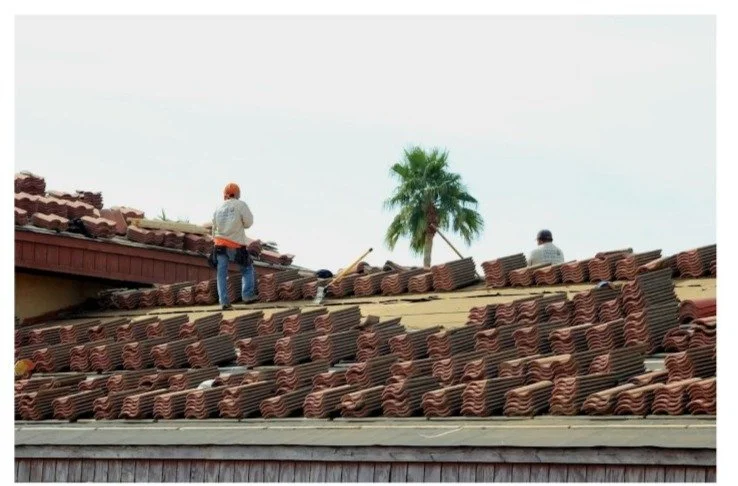
Photo by Jim McLain
Check Your Roof Shape And Strength
Before you pick materials, take a hard look at the roof shape and what it needs to do. Gable, shed, and gambrel roofs move water differently, and they also handle vents differently. In tiny living, roof geometry can also set your loft headroom, storage options, and daylight choices.
If your home includes a sleeping loft, roof design is not just a curb appeal choice. A simple pitch can make insulation and vent runs easier to plan and maintain later. The same is true when you are deciding whether a loft friendly roof design is worth the framing changes.
Weight matters more than people expect, especially on smaller structures or homes on trailers. Clay tile, some concrete profiles, and layered systems can push load quickly. Even on a fixed foundation, extra weight can mean added structural work, which changes cost and timeline.
Pick Materials That Fit Your Weather
A roof renovation is a good time to be honest about how you live and what you will maintain. Asphalt shingles can be cost friendly, but they vary widely by grade and wind rating. Metal can be lighter and durable, but it may need sound control choices beneath the panels.
For sun heavy areas, surface temperature can drive comfort, especially if you work from home. The U.S. Department of Energy explains how cool roofs reflect more sunlight and absorb less heat, which can lower roof temperatures. That overview is helpful if you are comparing coatings, shingles, and metal finishes on a warm site.
Material choice also affects how repairs will feel later. Some systems allow easy spot replacement, while others push you toward larger sections. If you are doing a renovation to avoid repeat leaks, pay close attention to valleys, skylight curbs, and transitions.
You can also reduce future issues by choosing details that support clean drainage. Wide drip edges, good gutter pitch, and properly sized downspouts keep water from wicking back. Those parts are not glamorous, but they often decide whether the system stays dry.
Get Flashing And Drainage Details Right
Most roof leaks do not start in the middle of a shingle field. They start where surfaces meet and water changes direction. On small homes, one weak seam can affect a big share of the interior.
Ask how the plan handles valleys, roof edges, and any wall connections. These spots need clean layering, tight fasteners, and the right seal approach. If a detail feels vague, it usually becomes a problem later.
Penetrations deserve the same attention as the main roof surface. Plumbing vents, bath fan exits, skylights, and solar mounts all need flashing that matches the roof material. A neat looking seal is not enough if water can run behind it.
It also helps to think about how rain leaves the roof. Gutters, downspouts, and drip edges should send water away from doors, windows, and the foundation. If you get ice free winters, this still matters because wind driven rain can move sideways.
If you want a quick checklist for this part, keep it simple:
Valleys and transitions have clear metal or membrane protection.
All vents and skylights use the right flashing kit for the roof type.
Drip edges guide water into gutters, not behind fascia boards.
Downspouts discharge away from walkways and the base of the home.
Kickout flashing is installed where a roof edge meets a wall, so runoff does not slip behind siding.
Step flashing is used at sidewalls (not just caulk), with each piece lapped correctly under the next course.
Gutter slope and hanger spacing are checked, so water does not pool or overflow during heavy rain.
Roof penetrations are grouped and routed cleanly where possible, which reduces the number of leak points.
Plan Insulation And Airflow Together
People often treat insulation as an interior project and roofing as an exterior project. In practice, they are tied together through airflow, moisture movement, and temperature swings. If one part is wrong, the other part works harder and fails sooner.
Roof ventilation helps control condensation, especially during cool nights after warm days. In compact builds, it is common to have limited attic space, so even small vent changes matter. A good plan includes intake, exhaust, and clear baffles so air can move without blocking insulation.
Insulation choices also change how the roof deck behaves over time. Some assemblies trap moisture if they are sealed incorrectly, while others dry more easily. If you want a simple refresher, this breakdown of tiny house insulation types and best practices connects roof insulation to comfort and real world installation details.
During planning, ask how the crew will handle penetrations and air sealing. Plumbing vents, bath fans, and mini split line sets create weak points if flashing is rushed. A careful detail set now is cheaper than opening ceilings later.
Budget For Hidden Roof Costs
Roof budgets get weird when you only price the visible surface. Underlayment, flashing, deck repairs, and disposal can move the total more than the shingles do. A solid estimate should list each layer and explain why it is needed.
It also helps to separate “must fix” items from “nice to improve” items. That keeps the project calm when you find a surprise, like soft decking near a vent. Here is a simple way to organize your scope before work begins:
Water protection: underlayment, valleys, flashing, and drip edges for leak control.
Structure: decking repairs, rafters, and any bracing needed for the chosen material weight.
Comfort: insulation upgrades, vent changes, and heat control choices like reflective surfaces.
Access: skylights, roof hatches, and safe paths for future inspections and gutter cleaning.
If you live in an area with extreme heat, also consider the neighborhood effect of roof temperature. The EPA notes that cool roofs can reduce heat gain and support heat island reduction in urban areas. That context is useful when you are weighing reflective materials and coatings.
Finally, build in a small contingency for code driven upgrades. In many areas, permits can trigger ventilation, sheathing, or flashing requirements. Knowing that upfront avoids stress and keeps scheduling realistic.
Finalize The Plan And Keep It Simple
A roof renovation goes smoother when you lock the scope, confirm the details at every penetration, and choose materials that match your climate. Pair ventilation and insulation planning so moisture does not get trapped in a tight assembly. Then finish with a maintenance plan you will actually follow, like seasonal gutter checks and a quick post storm visual walk around.