The Ultimate Guide to Dyeing Your Hair

Dyeing your hair opens up endless possibilities for personal expression, from subtle enhancements to bold transformations. Whether you want a natural look or a striking new color, the process requires thoughtful preparation, the right products, and proper aftercare. Understanding how to approach hair dyeing sets the foundation for results that look professional and last longer.

Choosing the Right Hair Dye for Your Style

The first step to successful hair dyeing is selecting the right type of product. Temporary dyes wash out after a few shampoos, making them ideal for short-term changes or experimentation. Semi-permanent options last longer without requiring harsh chemicals, while permanent dyes alter the hair’s structure for long-lasting color. 

Bleaching may be necessary to achieve lighter or more vibrant shades, but it should be done carefully to avoid damage. For those seeking bold, creative looks, products like vivid hair dyes offer intense pigmentation and a wide range of colors. These formulas create eye-catching results that stand out while still providing versatility. When selecting a dye, consider factors like hair texture, current shade, and maintenance level. Choosing a product that aligns with your goals ensures the final look matches your vision.

Preparing Your Hair Before Dyeing

Healthy hair responds better to coloring treatments, so preparation plays a key role in achieving even, long-lasting color. Start by clarifying your hair to remove product buildup, which can interfere with dye absorption. Avoid heavy conditioning immediately before dyeing, as it may create a barrier that prevents the color from penetrating fully.

Assess your hair’s condition carefully. If it feels dry, brittle, or damaged, consider deep conditioning treatments or trimming split ends before applying color. Bleaching or lightening should be approached with extra caution, as over-processing can lead to breakage. A strand test helps predict how the hair will react to the dye and ensures the shade meets expectations before applying it to the entire head.

Applying Hair Dye Like a Professional

Even application is crucial for achieving salon-quality results at home. Start by sectioning the hair into manageable parts using clips. This ensures thorough coverage and prevents uneven patches. Wear gloves to protect your hands and apply petroleum jelly around the hairline to avoid staining the skin.

Follow the instructions on the dye packaging closely, paying attention to processing times and mixing ratios. Applying color to the roots last helps avoid over-saturation with permanent dyes that develop quickly. Comb through sections gently to distribute color evenly and ensure every strand is coated. Precision during application minimizes streaks and maximizes vibrancy.

Caring for Dyed Hair to Preserve Color

After dyeing, proper maintenance determines how long the color stays vibrant. Wait at least 48 hours before washing your hair to allow the pigment to set fully. When you do wash, use sulfate-free shampoos and conditioners specifically designed for colored hair. Hot water can cause dye to fade faster, so opt for lukewarm rinses to protect the pigment.

Reduce washing frequency to maintain brightness longer. Dry shampoo can help extend the time between washes without compromising freshness. UV protection sprays or hats can shield hair from sun damage, which often causes premature fading. Regular moisturizing treatments keep dyed hair healthy and prevent dryness caused by chemical processing.

Exploring Creative Techniques and Trends

Hair dyeing continues to evolve with new techniques and styles that allow for endless customization. Balayage creates a natural, sun-kissed effect by painting highlights onto the hair. Ombre transitions from a darker base to lighter ends for a striking gradient. Root smudging softens harsh lines between dyed and natural hair, giving a blended finish.

More adventurous options include split-dye looks, color blocking, and hidden rainbow layers. These approaches allow individuals to personalize their look in ways that reflect their personality. Experimenting with different application methods can yield unique results, whether aiming for something subtle or dramatic. Staying open to new trends keeps your hairstyle fresh and exciting.

Knowing When to Seek Professional Help

While at-home dyeing can deliver great results, some situations require professional expertise. Complex color corrections, dramatic transformations, or intricate designs benefit from skilled stylists who understand how to manipulate pigment precisely. Professional colorists can blend shades seamlessly, minimize damage, and create effects that are difficult to replicate independently.

If your hair has multiple layers of previous dye, uneven tones, or chemical damage, consulting a professional prevents costly mistakes. A stylist can assess the current condition of your hair and develop a safe, effective plan to achieve your desired outcome. Even those who prefer at-home dyeing can benefit from occasional salon visits for maintenance or specialized treatments.

Dyeing your hair is both an art and a science. Choosing the right dye, preparing your hair, applying it with care, and maintaining the results ensures a beautiful, long-lasting transformation. Whether you prefer soft natural tones or bold creative shades, the process rewards patience, attention to detail, and a willingness to experiment. With the right approach, your new color can become a powerful expression of personal style.


Exploring the Benefits of Owning a Mobility Scooter

Mobility scooters give individuals greater independence, making everyday activities easier and more enjoyable. For people who experience difficulty walking long distances, these devices offer a reliable way to stay active without unnecessary physical strain. Beyond convenience, mobility scooters improve quality of life by expanding travel options, supporting community participation, and increasing personal freedom.

Understanding Different Types of Mobility Scooters

Mobility scooters come in various models, each designed to meet different needs. Compact travel scooters are lightweight and easy to transport, making them ideal for short trips and indoor use. Mid-size models offer a balance of stability and maneuverability for both indoor and outdoor environments. Heavy-duty scooters provide more power and durability, suitable for challenging terrain or longer distances.

Choosing the right type depends on lifestyle, terrain, and daily activities. Some people prefer easily foldable models for car transport, while others prioritize durability for frequent outdoor use. Four-wheel scooters generally provide greater stability, while three-wheel designs offer tighter turning radii for navigating small spaces. By understanding these options, individuals can select a scooter that fits their specific needs and enhances their independence.

Enhancing Stability and Safety on the Move

Safety plays a key role in the value of mobility scooters. Models designed for stability reduce the risk of tipping, making travel safer for individuals of all ages. Many users choose four-wheel mobility rides to gain extra balance and support when navigating uneven terrain or outdoor pathways. The additional wheels distribute weight more evenly, creating a smoother and more secure ride in a variety of settings.

Modern scooters include safety features such as anti-tip mechanisms, responsive braking systems, and bright lighting for visibility. Adjustable seats, ergonomic handlebars, and intuitive controls help users maintain proper posture and control during use. These elements work together to increase confidence, allowing riders to travel independently without constant assistance.

Promoting Greater Independence in Daily Life

Owning a mobility scooter gives individuals the freedom to manage daily activities without relying on others. Tasks like shopping, attending appointments, or meeting friends become easier and less physically taxing. Instead of limiting outings due to mobility concerns, users can participate more fully in their communities and maintain their preferred routines.

Independence contributes to emotional well-being by reducing feelings of isolation. People who can move around freely often report improved mood, stronger social connections, and a more positive outlook on life. Whether running errands in the neighborhood or attending events farther from home, a mobility scooter restores a sense of autonomy that might otherwise be lost.

Expanding Travel Range and Reducing Fatigue

Walking long distances can be challenging for individuals with mobility limitations. Fatigue, pain, or balance concerns may discourage regular outings, leading to a more sedentary lifestyle. Mobility scooters address this issue by extending travel range while minimizing physical strain. Users can navigate larger spaces like shopping centers, parks, or community events without worrying about exhaustion.

Longer battery life and efficient motors make modern scooters suitable for extended use. Many models can travel significant distances on a single charge, allowing users to plan full days of activity without interruption. By conserving physical energy for meaningful tasks rather than long walks, individuals maintain comfort and stamina throughout the day.

Supporting Active and Social Lifestyles

Mobility scooters encourage users to remain active participants in their communities. Attending local events, visiting friends, or joining recreational activities becomes more accessible. Social engagement plays a crucial role in maintaining mental and emotional health, and mobility scooters provide the means to sustain those interactions.

With reliable transportation, individuals can visit community centers, take part in hobbies, or enjoy outdoor spaces that might otherwise feel out of reach. This level of engagement reduces feelings of isolation and strengthens community connections. An active lifestyle supported by a mobility scooter contributes to better well-being and a stronger sense of belonging.

Customizing Scooters for Comfort and Convenience

Modern mobility scooters offer a wide range of customization options that enhance both comfort and usability. Adjustable seating, suspension systems, and ergonomic controls create personalized riding experiences. Storage baskets, cup holders, and accessory mounts make daily activities more convenient. Users can tailor their scooters to match their routines, whether for quick errands or full-day outings.

Some models include advanced features like digital displays, weather protection accessories, or USB charging ports for added functionality. Customization improves comfort and makes scooters more adaptable to changing needs. These tailored features transform mobility scooters from simple tools into trusted daily companions that support independence.

Mobility scooters bring numerous benefits that extend far beyond transportation. By offering stability, promoting independence, expanding travel range, supporting social engagement, and allowing for personalization, these devices play a vital role in enhancing quality of life. Choosing the right model and features ensures that individuals can move confidently, participate fully, and maintain a lifestyle that reflects their personal goals.

The Architecture of Belonging: Creating Places That Feel Like Home Instantly

Walking into a space and immediately feeling at home is a powerful experience. It’s more than comfort. Instead, it’s an emotional connection, a sense of safety, and a feeling of being understood. The best architecture captures this essence, turning walls and windows into places of belonging. This article explores how thoughtful design can create that feeling instantly, from the psychology behind our attachment to spaces to how these principles are applied in real settings.

What is the Psychology of Belonging?

Humans are naturally drawn to environments that reflect warmth, familiarity, and purpose. This is known as place attachment, which is the bond people form with spaces that align with their memories, values, or sensory preferences. Spaces that stimulate these emotions can lower anxiety, spark comfort, and even support well-being.

Belonging isn’t achieved through aesthetics alone. It relies on subtle sensory cues: the softness of natural light, the rhythm of movement through rooms, and the comforting warmth of tactile materials. When a space feels easy to navigate, familiar to the senses, and aligned with our emotional needs, it immediately feels like home.

The Invisible Language of Design

Architecture has a way of speaking to us, even without words. Designers often refer to this as a “sense of place”; the identity and character that make one environment feel distinct from another. Spaces that evoke belonging usually align with their surroundings and respect the rhythm of local life.

This connection to place also involves what’s known as the spirit of place: the atmosphere or mood that lingers in a well-designed environment. It could be the warmth of sunlight filtering through a conservatory, the sound of footsteps on familiar flooring, or the faint scent of fresh wood and fabric. These sensory impressions are what transform architecture from a structure into a sanctuary.

How Design Can Create Instant Belonging

To design places that feel like home instantly, architects focus on how people interact with and move through their environment. The entrance, for instance, plays a crucial psychological role. Whether it’s a small porch, a courtyard, or a bright lobby, a welcoming threshold signals that you’ve arrived somewhere that cares about your comfort.

Scale is another key factor. Spaces that feel too vast can be intimidating, while those designed at a human scale naturally promote calmness and familiarity. Smaller details such as the placement of windows, the warmth of materials, and the balance of light can all influence how quickly someone feels at ease.

Connection to nature also contributes deeply to belonging. Views of greenery, access to gardens, and the use of natural materials remind us of continuity and stability; these are the qualities we instinctively associate with home.

Finally, the ability to personalise a space completes the feeling of ownership. When individuals can arrange furniture, display personal items, or adjust lighting to their preference, they subconsciously transform a new environment into something deeply familiar.

How to Bring These Ideas to Life

These design principles are especially important in environments where comfort and emotional stability matter most, such as residential care settings. For example, a care home Telford demonstrates how thoughtful architecture can nurture belonging for its residents from the moment they arrive.

Morris Care Centre welcomes residents with bright, open communal areas that encourage social connection and ease of movement. The home’s design focuses on creating a sense of individuality within shared spaces, offering cosy lounges, quiet reading corners, and garden access for moments of reflection. Residents are also encouraged to bring their own furniture and personal touches, reinforcing familiarity and identity within a new setting.

Designing for the Heart as Well as the Mind

True belonging in architecture isn’t only about visual harmony or efficient planning. It’s about empathy and anticipating the emotional experience of those who will live, work, or visit within the space. Designers must think not just about how a building looks, but how it feels to wake up, walk through, and rest within it.

When architecture engages the senses, honours human scale, and reflects authenticity, it becomes more than a shelter; it becomes a place of identity. From residential homes to care communities, spaces designed with empathy and purpose can transform transitions into new beginnings.

Professional Heating Solutions For Maximum Efficiency

Finding efficient heating solutions has become increasingly important for both residential and commercial spaces. The rising costs of energy, coupled with a growing emphasis on sustainability, have prompted many to reconsider their heating systems. Understanding how to maximize heating efficiency can lead to significant savings and a reduced environmental footprint. Through the utilization of advanced technologies and expert advice, homeowners and businesses alike can optimize their heating solutions.

Understanding Heating Systems and Their Efficiency

Heating systems vary widely, from traditional furnaces and boilers to advanced heat pumps and radiant heating systems. Each type operates differently and offers distinct advantages and disadvantages in terms of efficiency. Understanding these differences is crucial in making an informed decision when choosing a heating system.

Modern heat pumps can significantly improve efficiency by extracting heat from the air or ground, even in colder climates. The efficiency ratings of heating systems should be a primary consideration in the decision-making process, with high-efficiency models offering reduced energy consumption and lower bills. Consequently, investing in energy-efficient heating solutions benefits the environment and adds value to a property.

Importance of Professional Installation

Even the most efficient heating system can underperform if not installed correctly. Professional installation ensures that systems operate at peak efficiency, preventing improper airflow, duct leaks, and other issues that could compromise performance. As a result, hiring expert HVAC technicians during the installation phase provides homeowners with peace of mind, knowing that their system is set up for optimal functionality. This results in greater energy conservation and a more comfortable living environment throughout the colder months.

Having a professional perform the installation can lead to better system performance and extend the lifespan of the heating unit. When a heating system is installed correctly, the likelihood of costly repairs and inefficient operation decreases significantly. Choosing qualified HVAC professionals can save time and money in the long run.

Regular Maintenance for Optimal Performance

Regular maintenance is a critical component of ensuring that heating systems operate efficiently throughout their lifespan. Scheduled maintenance helps detect potential issues before they lead to costly breakdowns. During routine maintenance checks, HVAC technicians can clean components, replace filters, and verify that all systems are functioning correctly. Such proactive measures can enhance furnace efficiency, thus yielding energy savings.

Many manufacturers require regular upkeep to validate warranties. Staying on top of maintenance is about performance and financial protection in the event of major repairs. This makes investing in a good maintenance plan a wise choice because it can prevent unexpected expenses while optimizing heating performance.

Upgrading to Smart Thermostats

Smart thermostats have revolutionized the way we manage home heating systems. Unlike traditional thermostats, smart models allow homeowners to control their heating remotely through mobile apps. They enable users to program schedules, monitor usage, and even adjust settings based on environmental conditions. This results in a more tailored and efficient heating experience.

Using smart thermostats can lead to significant energy savings. According to the U.S. Department of Energy, homeowners can save about ten to thirty percent on energy bills by using a programmable or smart thermostat for managing heating. These devices can adapt to user habits and ensure the heating system operates only when necessary, maximizing energy efficiency. Utilizing technology for temperature control can make a world of difference in maintaining comfort and reducing costs.

Energy-Saving Practices

Besides selecting high-efficiency systems and utilizing technology, there are simple practices that can promote energy savings. Ensuring that doors and windows are properly sealed minimizes drafts and heat loss. Insulating attics and walls contributes to maintaining desired temperatures without overworking the heating system.

Implementing energy-saving habits can significantly impact efficiency. Regularly checking and replacing air filters can maintain adequate airflow and keep systems from straining to function. Homeowners should also be proactive in adjusting temperatures during peak usage times, reducing settings during the night or when away from home. These adjustments can lead to noticeable reductions in energy consumption.

Choosing Renewable Energy Sources

Renewable energy sources, such as solar or geothermal energy, are becoming increasingly popular for heating purposes. These options can significantly decrease reliance on traditional fossil fuels while offering effective heating solutions. Considering these alternatives helps reduce greenhouse gas emissions, making them environmentally friendly choices.

Solar heating systems use energy derived from the sun to warm air or water for residential use. Similarly, geothermal systems harness the ground's consistent temperature to provide efficient heating. Although the initial investment for these systems can be high, many homeowners benefit from long-term savings on energy bills and seek incentives or tax breaks that can offset installation costs.

The Value of Energy Audits

Conducting an energy audit is an important step for homeowners seeking to maximize heating efficiency. This process involves evaluating a home’s energy use to identify areas where improvements can be made. Engaging professional services or using online calculators can provide insights into energy consumption patterns, allowing for informed decision-making.

Through an energy audit, homeowners may find that simple adjustments can lead to more effective heating. Factors like insulation quality, airflow, and heating system performance all play critical roles in efficiency. By addressing identified issues, it's possible to enhance the system’s effectiveness while simultaneously reducing energy spending.

The Impact of Insulation on Heating Efficiency

Proper insulation plays a vital role in determining how efficiently a heating system performs. Even the most advanced equipment can lose effectiveness if a building allows heat to escape through poorly insulated walls, ceilings, or floors. Insulation acts as a protective barrier that retains warmth indoors and prevents cold air from entering, reducing the need for the heating system to work continuously. 

Selecting high-quality insulation materials can enhance heating efficiency. Materials such as fiberglass, cellulose, or spray foam each provide distinct benefits depending on the structure and climate. Pairing insulation upgrades with energy-efficient windows and doors creates a comprehensive system that maximizes heat retention. These improvements often pay off through lower utility bills and increased comfort, making insulation an important part of any energy-saving strategy.

Achieving maximum heating efficiency requires a balanced combination of technology, professional expertise, and mindful energy practices. From installing smart thermostats and maintaining equipment to improving insulation and exploring renewable energy sources, every measure contributes to sustainable comfort. By taking a proactive approach to energy use, homeowners and businesses can enjoy reliable warmth, lower costs, and a positive impact on the environment.

The Link Between VPN Use and Digital Freedom

You know that feeling of being on the outside of the internet looking in? It's like this amazing, global party is happening, but you keep finding locked doors. Everything you want feels just out of reach. That's where a VPN comes in. It's not just for tech experts anymore; it's basically your all-access pass to the open, global internet we were always told about.

What does a VPN provide?

When most people hear the word VPN, they instantly think of online privacy. Picture your internet connection as a conversation happening in a crowded public square, where anyone nearby could listen in. A VPN, in this case, acts like a soundproof booth that quietly moves you and your data inside for a private chat.

Circumventing censorship:

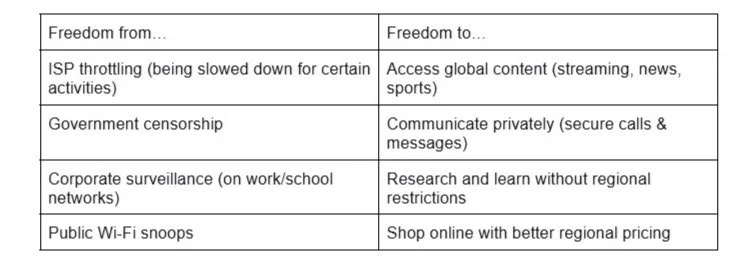
For millions of people living under restrictive internet laws, a VPN can be a lifeline. It allows them to bypass government firewalls and reach news sites, social media platforms, and communication tools that would otherwise be blocked.

Accessing a global internet:

We’ve all been there; you click on a video or article only to see the message. This content isn’t available in your region. This frustrating restriction, known as geo-blocking, divides the internet into digital borders. A VPN breaks down those walls by connecting you through a server in another country, giving you what feels like a digital passport to a truly global web.

Staying safe on public Wi-Fi:

That Free Coffee Shop Wi-Fi might sound convenient, but it’s a hacker’s dream come true. By encrypting your data, a VPN keeps your passwords and personal information secure, even when you’re browsing on open, public networks.

Take the first step

Putting digital freedom in your pocket is a different matter entirely from comprehending the theory. It all comes down to picking a trustworthy supplier and making a straightforward move. Getting started on your phone, for example, is frequently the simplest way to experience the advantages personally. You only need to find a reliable VPN for Android - download the app from the Store, and you'll enjoy a more open and secure internet experience in just a matter of minutes. Long-term peace of mind is the reward for this five-minute task.

Benefits of using a VPN

Let's break down the specific freedoms a VPN grants you.

Think about the limits

A VPN is a great tool for protecting your privacy, but it’s not some kind of magic invisibility cloak. If you’re signed into Facebook or Google, those platforms will still recognize you.

It’s also worth being careful about which VPN you choose. That free option might seem tempting, but remember the golden rule of the internet: if you’re not paying for the product, you probably are the product.

When picking a VPN, look for:

  • A clear no-logs policy (meaning they don’t track or store what you do online).

  • Strong, up-to-date encryption standards.

  • A solid reputation for trust and transparency.

Having secrets is not the same as wanting digital freedom. It all comes down to standards. It's about defending your freedom to decide what you see and with whom you share it. A VPN is your multi-tool as the internet becomes more regulated. It serves as both a barrier for your data and a gateway to an international network. It's an easy method to take back your place at the international table and enjoy the internet the way it was intended to be.

Why Legal Awareness Is The First Step Toward Real Protection

Legal awareness gives individuals the power to make informed decisions and protect their rights effectively. Understanding how laws work helps prevent misunderstandings that can escalate into serious problems. It builds confidence, promotes timely action, and strengthens both individual and community resilience against legal challenges.

Recognizing the Role of Legal Knowledge

Many people only pay attention to legal matters when a problem arises, which often puts them at a disadvantage. Legal knowledge clarifies responsibilities, outlines rights, and reveals potential outcomes before conflicts intensify. By understanding the relevant laws, individuals can anticipate risks, respond strategically, and avoid unnecessary complications.

Community centers, legal aid organizations, and online platforms make legal education more accessible than in the past. Taking advantage of these resources prepares people to face issues involving property, employment, family matters, or criminal allegations with greater clarity and confidence.

Seeking Professional Support Early

People frequently delay seeking legal assistance until situations become critical, which limits their options. Early consultation with legal experts provides crucial guidance and helps avoid costly mistakes. For example, those facing complex allegations may turn to child sexual offence defence services, which offer specialized knowledge for navigating sensitive legal processes. Getting professional input early can influence outcomes, reduce stress, and ensure every procedural step is handled properly.

Legal professionals explain complex terms, outline timelines, and identify strategic opportunities that individuals might overlook. By engaging support before matters escalate, people turn uncertainty into structured action, protecting their interests more effectively.

Preventing Rights Violations Through Proactive Action

Understanding one’s rights plays a central role in preventing violations before they occur. People who recognize early signs of legal trouble can act quickly to preserve their position. Whether the issue involves workplace discrimination, domestic disputes, or regulatory obligations, early action creates stronger legal foundations.

Individuals who know their rights can document incidents accurately, collect relevant evidence, and contact authorities promptly. This preparation often determines whether they retain valuable legal options. Waiting too long can lead to lost evidence, procedural obstacles, or weakened claims.

Building Confidence in Complex Legal Situations

Legal systems can be intimidating for those without prior experience. Court procedures, legal terminology, and formal documentation can seem overwhelming, which often leads to hesitation or mistakes. Awareness turns confusion into confidence by helping individuals understand how legal processes work and what is expected at each stage. A clear grasp of procedures, documentation requirements, and common legal terms empowers people to approach legal matters with a structured plan rather than uncertainty.

Confidence plays a critical role in how individuals interact with legal professionals and institutions. Those who understand the basics are better prepared to articulate their concerns, provide accurate information, and evaluate the advice they receive. This active engagement fosters trust between clients and legal representatives, allowing both parties to work more efficiently toward a common goal. A well-informed client can identify key issues quickly, respond to questions clearly, and avoid delays caused by incomplete or inaccurate documentation.

Strengthening Communities Through Shared Knowledge

Legal awareness benefits more than just individuals. Communities that share legal knowledge become stronger, safer, and more resistant to exploitation. When more people understand their rights, they can identify misconduct, support victims, and hold institutions accountable. This collective understanding creates an environment where wrongdoing is less likely to go unnoticed and legal protections are actively reinforced by the community itself.

Community legal education programs play a critical role in building this foundation. Workshops, seminars, and public awareness campaigns bring important legal concepts into everyday conversations, making them accessible to people who might otherwise feel disconnected from legal systems. These initiatives encourage open dialogue, empower residents to ask questions, and provide clear guidance on how to handle common legal problems.

Encouraging Lifelong Legal Learning

Laws evolve continuously through new regulations, policy changes, and judicial decisions. Staying informed requires more than a one-time effort. Lifelong legal learning ensures individuals remain adaptable as legal frameworks shift to address emerging societal issues, technological advancements, and changing public priorities. This ongoing commitment helps people anticipate changes rather than react to them when it may be too late.

Workshops, community seminars, and educational programs provide structured opportunities to expand legal knowledge. Many organizations offer recurring sessions focused on specific topics such as property law, workplace rights, or family matters. These settings allow individuals to ask questions, engage with experts, and apply new information to real-life situations. Legal newsletters, podcasts, and reputable online publications add another layer of continuous learning by delivering concise updates on significant changes that affect daily life.

Legal awareness provides the foundation for real protection. Recognizing the value of legal knowledge, seeking professional guidance early, preventing rights violations, building confidence, and sharing information within communities all contribute to stronger defenses. By continuing to learn and stay informed, individuals position themselves to act decisively and protect their rights effectively before problems escalate.