The Ultimate Guide to Dyeing Your Hair
Dyeing your hair opens up endless possibilities for personal expression, from subtle enhancements to bold transformations. Whether you want a natural look or a striking new color, the process requires thoughtful preparation, the right products, and proper aftercare. Understanding how to approach hair dyeing sets the foundation for results that look professional and last longer.
Choosing the Right Hair Dye for Your Style
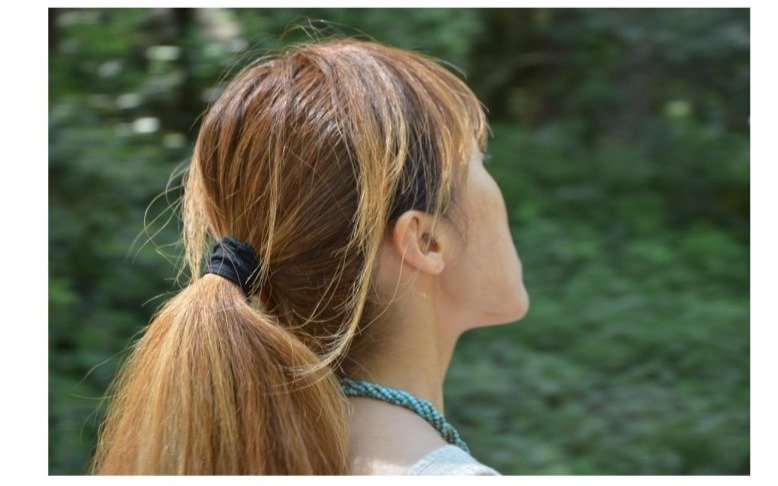
The first step to successful hair dyeing is selecting the right type of product. Temporary dyes wash out after a few shampoos, making them ideal for short-term changes or experimentation. Semi-permanent options last longer without requiring harsh chemicals, while permanent dyes alter the hair’s structure for long-lasting color.
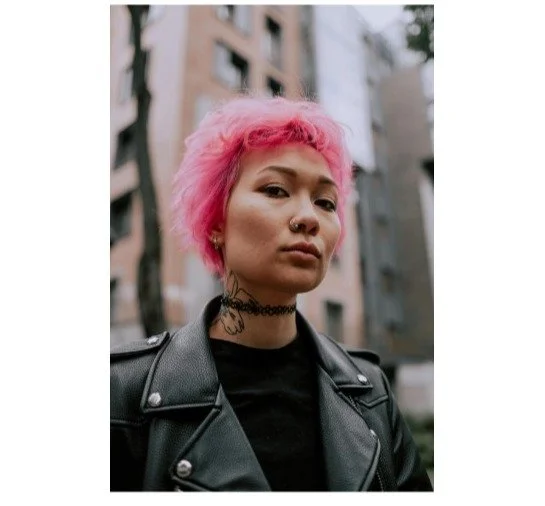
Bleaching may be necessary to achieve lighter or more vibrant shades, but it should be done carefully to avoid damage. For those seeking bold, creative looks, products like vivid hair dyes offer intense pigmentation and a wide range of colors. These formulas create eye-catching results that stand out while still providing versatility. When selecting a dye, consider factors like hair texture, current shade, and maintenance level. Choosing a product that aligns with your goals ensures the final look matches your vision.
Preparing Your Hair Before Dyeing
Healthy hair responds better to coloring treatments, so preparation plays a key role in achieving even, long-lasting color. Start by clarifying your hair to remove product buildup, which can interfere with dye absorption. Avoid heavy conditioning immediately before dyeing, as it may create a barrier that prevents the color from penetrating fully.
Assess your hair’s condition carefully. If it feels dry, brittle, or damaged, consider deep conditioning treatments or trimming split ends before applying color. Bleaching or lightening should be approached with extra caution, as over-processing can lead to breakage. A strand test helps predict how the hair will react to the dye and ensures the shade meets expectations before applying it to the entire head.
Applying Hair Dye Like a Professional
Even application is crucial for achieving salon-quality results at home. Start by sectioning the hair into manageable parts using clips. This ensures thorough coverage and prevents uneven patches. Wear gloves to protect your hands and apply petroleum jelly around the hairline to avoid staining the skin.
Follow the instructions on the dye packaging closely, paying attention to processing times and mixing ratios. Applying color to the roots last helps avoid over-saturation with permanent dyes that develop quickly. Comb through sections gently to distribute color evenly and ensure every strand is coated. Precision during application minimizes streaks and maximizes vibrancy.
Caring for Dyed Hair to Preserve Color
After dyeing, proper maintenance determines how long the color stays vibrant. Wait at least 48 hours before washing your hair to allow the pigment to set fully. When you do wash, use sulfate-free shampoos and conditioners specifically designed for colored hair. Hot water can cause dye to fade faster, so opt for lukewarm rinses to protect the pigment.
Reduce washing frequency to maintain brightness longer. Dry shampoo can help extend the time between washes without compromising freshness. UV protection sprays or hats can shield hair from sun damage, which often causes premature fading. Regular moisturizing treatments keep dyed hair healthy and prevent dryness caused by chemical processing.
Exploring Creative Techniques and Trends
Hair dyeing continues to evolve with new techniques and styles that allow for endless customization. Balayage creates a natural, sun-kissed effect by painting highlights onto the hair. Ombre transitions from a darker base to lighter ends for a striking gradient. Root smudging softens harsh lines between dyed and natural hair, giving a blended finish.
More adventurous options include split-dye looks, color blocking, and hidden rainbow layers. These approaches allow individuals to personalize their look in ways that reflect their personality. Experimenting with different application methods can yield unique results, whether aiming for something subtle or dramatic. Staying open to new trends keeps your hairstyle fresh and exciting.
Knowing When to Seek Professional Help
While at-home dyeing can deliver great results, some situations require professional expertise. Complex color corrections, dramatic transformations, or intricate designs benefit from skilled stylists who understand how to manipulate pigment precisely. Professional colorists can blend shades seamlessly, minimize damage, and create effects that are difficult to replicate independently.
If your hair has multiple layers of previous dye, uneven tones, or chemical damage, consulting a professional prevents costly mistakes. A stylist can assess the current condition of your hair and develop a safe, effective plan to achieve your desired outcome. Even those who prefer at-home dyeing can benefit from occasional salon visits for maintenance or specialized treatments.
Dyeing your hair is both an art and a science. Choosing the right dye, preparing your hair, applying it with care, and maintaining the results ensures a beautiful, long-lasting transformation. Whether you prefer soft natural tones or bold creative shades, the process rewards patience, attention to detail, and a willingness to experiment. With the right approach, your new color can become a powerful expression of personal style.