What Everyone Should Understand About Pedestrian Awareness And Safety

Pedestrian safety has become a significant concern when vehicle traffic is on the rise, and the integration of pedestrian spaces is often neglected. The National Highway Traffic Safety Administration (NHTSA) reported approximately 6,205 pedestrian fatalities in 2019, a figure that underscores the importance of promoting awareness and safety measures. As a community, we must prioritize pedestrian well-being by educating ourselves about the risks involved and the steps that can be taken to mitigate these dangers. In this regard, developing an understanding of pedestrian behaviors, the impact of driver vigilance, and the effectiveness of legislative measures is crucial.

The Importance of Pedestrian Awareness

Awareness is key to pedestrian safety. Both pedestrians and drivers need to understand their surroundings and recognize potential hazards. For pedestrians, this means staying alert while walking, particularly in areas with heavy vehicle traffic. Wearing visible clothing, avoiding distractions like smartphones, and utilizing sidewalks are practical actions pedestrians can adopt. Drivers must remain vigilant, actively scanning their environment for pedestrians at all times. According to the NHTSA, a driver’s reaction time can significantly decrease in high-volume areas where pedestrians frequently cross streets. Therefore, promoting awareness among all road users helps to foster a culture of safety that can drastically reduce accidents.

Understanding Common Causes of Pedestrian Accidents

Analyzing common causes of pedestrian accidents can provide critical insights into the underlying issues affecting safety. Poorly designed roadways, lack of adequate crossings, and insufficient signage all contribute to pedestrian vulnerability. Distractions, whether from electronic devices or other passengers, can lead to tragic outcomes when drivers fail to notice pedestrians. 

Weather conditions can exacerbate these risks since rain, fog, or snow can limit visibility. Many pedestrian accidents occur in urban areas, particularly at night when the interplay of lights, shadows, and inattentive drivers heightens the risk. In addressing these issues, stakeholders can implement preventive measures, such as improving infrastructure and enhancing public education on safe practices.

Legal Perspectives on Pedestrian Safety

Understanding the legal framework surrounding pedestrian safety is important for holding drivers accountable. Laws and regulations vary by state, but common themes emerge regarding the rights of pedestrians and the responsibilities of drivers. Many jurisdictions require vehicles to yield to pedestrians at marked crosswalks, making it imperative for drivers to be aware of their legal obligations. In cases where a pedestrian is injured, the involvement of an attorney can help navigate the complexities of traffic laws to seek justice for victims, as this Fort Pierce pedestrian lawyer explains. These legal professionals advocate for pedestrians, ensuring their rights are protected and holding negligent drivers responsible for their actions. This aspect highlights the individual rights of pedestrians and promotes a broader culture of accountability on the road.

How Infrastructure Improvements Enhance Safety

Designing pedestrian-friendly infrastructure makes a considerable difference in safety outcomes. Cities around the world are increasingly investing in projects that prioritize pedestrian spaces, such as wider sidewalks, dedicated crosswalks, and pedestrian-only zones. Implementing traffic calming measures, like speed bumps and roundabouts, can reduce vehicle speeds and make roadways safer for those on foot. Studies have shown that jurisdictions that actively promote walking through improved infrastructure see decreased pedestrian incidents. This is where community engagement plays a vital role; by actively participating in discussions about urban planning, residents can influence decisions that impact their safety. Cities that employ consistently updated maps for pedestrians ensure that all individuals can navigate their surroundings effectively and safely.

The Role of Education in Preventing Accidents

Educational initiatives aimed at both pedestrians and drivers are crucial in reducing the likelihood of accidents. Schools, community centers, and local governments can implement programs to teach individuals about safe walking practices and responsible driving behaviors. These programs can cover topics such as the importance of using crosswalks, recognizing pedestrian signals, and understanding the potential dangers present on the road. 

Young children, in particular, require special attention, as they may lack awareness of their surroundings and not fully understand the implications of their actions near vehicles. Programs that engage communities in discussions about pedestrian safety are vital. These include workshops and seminars that delve into how the behavior of road users can shape safety. Local advocacy groups often lead these efforts to educate the public on rights and best practices.

Community Involvement and Advocacy

Community involvement plays an integral role in advancing pedestrian safety initiatives. Local advocacy groups work to raise awareness and press for changes that prioritize pedestrian needs in urban planning. Engaging with community members through social media and public forums fosters dialogue on pedestrian issues, allowing residents to express their concerns and suggest enhancements. Events such as Walk to School Days or community walks encourage safe walking habits and educate citizens on pedestrian rights. A united voice advocating for safer streets ensures that local governments recognize the pressing need for improvements and prioritize funding for pedestrian infrastructure projects. Collaborating with city planners creates a shared vision of a community designed for pedestrian safety and accessibility.

We all have a role in enhancing pedestrian safety. Regularly discussing risks and promoting safe practices within our families, schools, and local communities reinforces the importance of vigilance among all road users. Whether it’s participating in local safety initiatives or simply being mindful while walking or driving, every action counts. By fostering a culture of safety and awareness, we protect ourselves and contribute to the well-being of our entire community.


Mid-Century Modern Lighting in High-End NYC Architecture

In New York’s most refined residential architecture, Mid-Century Modern design has re-emerged as a defining style choice. In both historic brownstones, high floor penthouses, or any other residential application, square recessed lighting is the perfect choice combining classic Manhattan elegance with contemporary minimalist trends. 

One of the clearest ways this design language expresses itself is through lighting. Square can lights in particular reflect the Mid-Century emphasis on clean lines and architectural precision. Installed in a grid or used to frame key zones like seating areas or artwork, these fixtures reinforce the geometric order at the root the mid century modern style. Their minimalist profile keeps the ceiling uncluttered, letting the overall design breathe. 

In luxury interiors, square recessed lighting becomes even more distinctive when paired with a black trim. This subtle detail adds visual weight and elegance, framing the luminaire against the ceiling for a distinctive luxurious look. Square downlights complement a wide range of upscale materials and palettes (think walnut paneling, brushed brass fixtures, soft grays, and deep earth tones). The contrast created by the black trim also enhances visual definition throughout the space, making every beam of light feel curated and deliberate. It’s a detail that feels both timeless and current, perfectly aligned with the Mid-Century Modern ethos. 


Have a listing you think should be featured contact us or submit here to tell us more! Follow Off The MRKT on Twitter and Instagram, and like us on Facebook.

Submit Your Listings

How to Apply for the Prospective Marriage Visa

Applying for a prospective marriage visa can be a significant step for those planning to join their partners in another country. A visa like this grants people the ability to establish a shared residence with their significant other before their formal union. You'll find the application process much simpler if you understand each step. Here's your roadmap: what to do, what forms you need, and practical advice to help you get approved.

Understanding the Visa

The prospective marriage visa is intended for individuals who wish to marry their partner after entering the country. It permits a stay for a specified period, usually nine months, during which the marriage is expected to occur. This visa often serves as a bridge to a permanent partner visa once the marriage has taken place.

Eligibility Requirements

To apply for this visa in Australia, specific criteria must be met. Applicants typically need to be outside the country during the application process. Both partners must be at least 18 years old and free to marry. Showing you have a real, lasting connection matters. You'll want to gather items such as old photos, any letters or emails, and any memories shared by family members or close friends. Applicants must also be healthy. And show good character. A medical examination and police clearance certificates might be necessary.

Gathering Necessary Documentation

Compiling the correct documents is a crucial part of the application process. For any official transaction or international travel, a current passport serves as the authoritative credential to establish one's legal identity. Birth certificates and proof of any name changes should also be included. You can tell how serious partners are by the clear evidence of their bond. Financial papers, travel plans, and shared assets or debts really strengthen the application.

Completing the Application

The application process typically begins online. To process this request, the digital paperwork gathers a complete set of particulars from each of the two associated parties. Sharing honest and correct details truly matters. Providing incorrect or misleading information can lead to significant problems. You might even lose your chance at a visa. After submitting the form, a fee must be paid. The cost of the application can vary, and the payment is usually non-refundable.


Health and Character Checks

Applicants often undergo health examinations to ensure they do not pose a risk to public health. This might include a general health check and vaccination records. How someone acts, their true character, really counts a lot too. Police clearance certificates from any country where the applicant has lived for a specified period may be required. You can feel better knowing these checks work to keep things safe for everyone.

Waiting for Approval

Once the application is submitted, the waiting period begins. Processing times can vary based on individual circumstances and the volume of applications. While waiting, it’s advisable to prepare for the transition to a new country, including securing accommodation and exploring employment opportunities, if applicable. Regularly checking the official website or emails provides reassurance and helps you stay informed about your application’s progress.

Preparing for Arrival

After receiving the visa, it’s time to make final preparations for the move. Booking flights and arranging temporary accommodation are often top priorities. Familiarizing oneself with local customs, laws, and language can ease the adjustment process. Having any supplemental documentation prepared for your entry upon landing will undoubtedly make things smoother.

Planning the Wedding

With the visa granted, planning the wedding becomes a focus. It’s essential to be mindful of the timeframe given by the visa. Many choose to hold a ceremony that reflects both partners’ cultures and traditions. Consulting local wedding planners or venues can help organise the event within the visa’s duration.

Transitioning to Permanent Residency

After the marriage, many apply for a permanent partner visa. You'll simply submit additional papers to demonstrate your continued dedication. Moving to permanent residency brings a couple more peace of mind and fresh possibilities.

Conclusion

You'll go through several steps to apply for a marriage visa, so plan to put in some careful work. Knowing the rules, gathering your papers, and following the steps are key ways applicants can significantly improve their chances of getting approved. Getting this visa ready opens the door to starting fresh and building a strong relationship. 

Making the Switch Between Personal and Rental Property Use

Picture this: You've just accepted a job offer in another city, and suddenly your beloved home is sitting empty. Or perhaps you're ready to move back into that rental property you've been leasing out for years. Either way, you're about to navigate one of the most financially significant transitions in real estate investing—converting a property between personal and rental use. While this move can unlock tremendous financial benefits, it also triggers a cascade of tax implications that can either save you thousands or cost you dearly if handled incorrectly.

How the Tax Landscape Changes With Property Conversion

The moment you convert a property from personal to rental use (or vice versa), the IRS begins viewing your home through an entirely different lens. This shift isn't merely symbolic—it fundamentally changes how you'll report income, claim deductions, and eventually handle capital gains when you sell.

At the heart of this change is Schedule E, the IRS form dedicated to reporting income and losses from rental real estate. Once you begin renting your property, this form becomes your new reality each tax season. With it comes a completely different set of rules governing everything from what you can deduct to how you calculate your property's value for tax purposes.

Tracking Rental Income and Claiming Deductions

When you transition to rental property ownership, tracking income becomes more nuanced than simply depositing rent checks. The IRS considers all amounts received as taxable rental income, including application fees, late payment charges, and any other fees collected beyond the base rent amount.

On the flip side, rental properties open the door to numerous deductions unavailable to primary homeowners. Property management fees, repair costs, maintenance expenses, insurance premiums, utilities, advertising costs, mortgage interest, property taxes, and legal or professional fees all become deductible business expenses. These deductions can significantly offset your rental income, sometimes resulting in a tax loss that can reduce your overall tax liability.

Unlocking Tax Benefits Through Depreciation

Perhaps the most powerful tax benefit of converting to rental property is depreciation. While you cannot depreciate your primary residence—after all, the IRS doesn't consider it a business asset—rental properties are an entirely different story.

The IRS allows you to depreciate residential rental properties over 27.5 years using the Modified Accelerated Cost Recovery System (MACRS). This means you can deduct a portion of the property's value each year, even though the property may actually be appreciating in market value. It's one of the rare scenarios where the tax code works decidedly in your favor.

However, there's a critical detail many property owners overlook: when determining your depreciable basis, you must use either the property's cost basis or its fair market value at the time of conversion—whichever is lower—not the original purchase price. This distinction matters enormously if your property has appreciated significantly since you bought it, as you cannot claim depreciation on that appreciation if you're converting from personal to rental use.

It's also crucial to remember that land never depreciates. You must subtract the land value from your total property value before calculating depreciation. This is where working with experienced tax professionals becomes invaluable, as property tax assessments don't always clearly delineate building versus land values.

Navigating Partial Conversions and Mixed-Use Scenarios

Not every conversion is all-or-nothing. Some homeowners convert only a portion of their property to rental use—perhaps renting out a basement apartment while living upstairs, or converting their home to a short-term vacation rental while still using it personally for part of the year.

In these split-use scenarios, depreciation and expenses must be allocated proportionally. For properties divided by space, you calculate the rental-usage percentage by dividing the rental square footage by the total property square footage. For properties divided by time, you prorate expenses based on the number of days or months the property was available for rent versus personal use.

For detailed guidance on these calculations and other tax implications of converting your home to or from a rental property, consulting with a qualified CPA can help ensure you're maximizing deductions while remaining compliant with IRS regulations.

Deferring Capital Gains With Section 1031 Exchanges

One of the most sophisticated strategies available to rental property owners is the Section 1031 exchange, which allows you to defer capital gains taxes by exchanging your rental property for another like-kind business property of equal or greater value. This powerful tool enables investors to continuously upgrade their real estate portfolio without triggering immediate tax liability.

The mechanics of a 1031 exchange are precise and unforgiving:

  • You must identify three or fewer potential replacement properties within 45 days of selling your original property

  • You must close on at least one of the identified properties within 180 days (or by your tax filing deadline, whichever comes first)

  • All replacement properties must be from your original list—no substitutions allowed

The beauty of Section 1031 exchanges is that they can be used repeatedly, allowing savvy investors to defer capital gains indefinitely while building wealth through increasingly valuable properties. However, the strict timelines and requirements mean proper planning is essential.

Protecting Your Home Sale Gains With Section 121

On the other side of the conversion equation sits the Section 121 exclusion, which applies exclusively to primary residences. This provision allows individuals to exclude up to $250,000 in capital gains from the sale of their home ($500,000 for married couples filing jointly) from taxable income.

To qualify, you must have used the property as your primary residence for at least two years within the five-year period preceding the sale. Importantly, this two-year requirement doesn't need to be consecutive—periods of residence can be combined to meet the threshold.

This creates an interesting strategic opportunity: convert your rental property back to a primary residence, live in it for two years, and potentially shield significant capital gains from taxation when you sell. This strategy requires careful timing and documentation, but for properties with substantial appreciation, the tax savings can be extraordinary.

Why Your Conversion Date Matters for Tax Planning

The exact date you convert your property determines how you'll allocate expenses for that tax year. Every deduction—from mortgage interest to insurance premiums—must be split based on the portion of the year the property was used for rental versus personal purposes.

Choosing your conversion date strategically can optimize your tax position. For instance, converting to rental use at the beginning of a tax year maximizes your deductions for that year, while converting back to personal use at year-end allows you to claim rental deductions for most of the year while potentially starting the clock on your Section 121 exclusion eligibility.

Creating Your Property Conversion Strategy

Converting properties between personal and rental use represents one of the most significant financial decisions in real estate investing. The tax implications ripple through multiple areas—depreciation, capital gains treatment, deductible expenses, and more—each with its own complex rules and opportunities.

Success requires more than just understanding the basics; it demands careful planning, meticulous record-keeping, and often professional guidance. The difference between a well-executed conversion and a poorly planned one can easily amount to tens of thousands of dollars in unnecessary taxes or missed opportunities.

Whether you're considering converting your home to a rental property to generate passive income or planning to move back into a property you've been renting out, taking time to understand the tax landscape before making the switch will pay dividends for years to come.

How to Choose the Right Property Manager for Your Phoenix Investment

Choosing a property manager in Phoenix goes way beyond picking a name from a list. If you want real results, you need someone who knows the Phoenix rental scene inside and out. Not all property managers bring the same level of local experience or know-how, and this difference can really impact your investment.

Assessing Years in the Phoenix Market

Always ask how long a company has worked in Phoenix real estate. Years in the local market mean lessons learned—through boom times, slow years, and everything in between. Longevity usually equals reliability. If a property manager has managed homes here for several years, odds are they have the stability and the network you need. Keep an eye out for turnover; a new face every year isn’t a good sign for your rental property’s future.

Understanding the Types of Properties Managed

Dig into the details about what types of properties your manager typically handles. Some managers specialize in apartments, while others focus on single-family homes or condos. The right property manager should be familiar with your type of investment. It’s a red flag if a Phoenix property manager mostly manages commercial spaces when you own residential rentals. This isn’t just about preference—different properties come with unique rules and tenant expectations.

Confirming Professional Licenses and Certifications

Licenses matter. Phoenix property managers must have state-mandated paperwork in order. Ask to see certifications and proof of up-to-date licenses. Industry memberships, like the National Association of Residential Property Managers, show they stay on top of standards. This paperwork proves your property manager takes their business—and your investment—seriously.

When interviewing Phoenix property managers, focus on years in the city, the types of rentals they know best, and their up-to-date professional credentials. Experience isn’t just a number—it's your peace of mind.

Reviewing Service Offerings for Phoenix Rental Investments

Choosing a property manager for your Phoenix rental investments isn’t just about handing over the keys—it's about making sure the right people handle what matters most. Every property owner wants peace of mind, knowing someone else is taking care of screening tenants, fixing leaks, and breaking down the numbers when the month is over. So, what should you actually expect?

Tenant Screening and Placement Processes

The way potential renters are checked can make or break your rental experience. Good Phoenix property managers run background, employment, and rental history checks. They should explain their method plainly, so you understand how they find stable tenants. Phoenix rental investments thrive when managers keep vacancies low and fill units with reliable people—their placement process must be tight and straightforward.

Maintenance and Emergency Response Capabilities

Emergencies don’t keep office hours. Look for property managers with fast, round-the-clock responses. They need strong local repair connections to solve problems quickly, preventing bigger headaches down the line. Routine maintenance shouldn’t get lost in the shuffle; reliable property managers for Phoenix rental investments handle both the scary disasters and the tiny fixes efficiently.

Financial Reporting and Owner Communication

Clear, detailed reports help owners track income, expenses, and repairs. Always find out how often you’ll get these statements and how easy they are to read. Great communication means you won’t be left guessing about your money or property status. Ask to see a sample report—some property managers even give owners access to an online portal with live updates.

The best Phoenix property managers keep you updated, act fast on repairs, and take tenant screening seriously. This triple play protects your investment and lets you sleep easier at night.

Investigating Communication and Transparency Practices

Checking how a property manager communicates can save an owner headaches down the road. Clear and honest communication is what separates a trustworthy property manager from the rest. If there’s any confusion about who to talk to or how to get updates, that’s a warning sign. Owners should find out exactly how communication will work before they sign a contract.

Availability and Responsiveness to Owners

A Phoenix property manager must be reachable when issues pop up. If calls and emails go unanswered, it’s a sign of trouble. Top property managers set the gold standard by:

  • Providing one primary point of contact for owners

  • Responding to questions or concerns within 24 hours

  • Offering an online portal for real-time updates and easy communication

If owners often wait for answers, they may start questioning the property manager’s reliability.

Clarity in Owner Reports and Financial Statements

When it comes to money, nothing matters more than transparency. Owners need clear monthly reports and easy-to-read statements. Top Phoenix property managers will:

  • Deliver financial statements that are simple

  • Break down income and expenses

  • Share maintenance logs and receipts monthly

A sample owner report might include:

If financials are confusing or missing, it’s much harder for owners to know how their Phoenix property is performing.

Conflict Resolution and Problem-Solving Approach

Disputes between owners, tenants, or vendors will happen at some point. The right Phoenix property manager handles problems with a steady hand. Look for these signs:

  • A defined process for resolving issues

  • Regular updates during disputes

  • Willingness to mediate fairly

Owners should expect that conflict resolution is handled quickly, so their properties aren’t exposed to unnecessary risks.

Effective communication and transparency are non-negotiable for owners seeking peace of mind. Choosing a Phoenix property manager known for strong practices in these areas can make all the difference.

Examining Fee Structures and Contract Terms of Phoenix Property Managers

Choosing the right property manager in Phoenix starts with breaking down their fee structures and contract terms. Property management companies design their pricing models in different ways, so it's smart to compare them side by side before signing anything. Watch out for complicated or vague agreements that might hide extra expenses.

Understanding Management and Additional Fees

Start with the basics: is the management fee a flat rate, or is it a percentage of your rent? In Phoenix, most property managers stick to a monthly percentage, but a few offer fixed rates for simpler budgeting. Also, ask about add-on charges—like tenant placement, vacancy fees, or markups on maintenance calls. A good property manager should be clear and upfront about each cost, so you’re never left wondering where your money is going.

Fees You Might See:

  • Monthly management (flat fee or percent of rent)

  • Leasing and renewal charges

  • Maintenance coordination or markups

  • Eviction processing

  • Early contract termination

Evaluating Leasing and Renewal Costs

Don’t overlook leasing and renewal fees when shopping Phoenix property managers. These are sometimes one-time charges for finding new tenants or renewing leases. Compare what’s included for the price—quality marketing, thorough screening, and handling lease paperwork can save you a lot of headaches later. Renewal fees may look small at first but add up over time, especially if your tenants stay long term.

Pro tip: Ask if the management fee covers basic leasing tasks or if everything is à la carte. Sometimes "full-service" promises are lighter than you think.

Reviewing Termination Clauses and Flexibility

It's smart to check the fine print on contract terms so you’re not trapped. Understand how long your contract runs—some Phoenix property management agreements renew yearly, while others are month-to-month. Always ask about termination clauses: how much notice do you need to give, and are there penalties? A fair property manager will explain exit terms without hesitation, showing they value your trust more than a locked-in contract.

If a Phoenix property manager resists answering questions about fees or contract details, it’s probably a sign to keep looking.

In summary, by carefully reviewing property manager Phoenix fee structures and contract terms, owners can avoid surprises and pick a true partner for their investment. Never rush this step; it's worth every minute spent upfront.

Prioritizing Local Knowledge and Vendor Relationships

Smart investors know that Phoenix property managers with strong, local connections make property maintenance and tenant turnovers much smoother.

Choosing a Phoenix property manager isn’t just about general skills—it’s about their ability to respond quickly and tap into trusted vendor networks. A manager with genuine local knowledge of Phoenix can often prevent issues before they spiral, thanks to relationships built with the best area contractors and suppliers. Without these established partnerships, you’re often left with delays, higher costs, and the risk of subpar repairs.

Reviewing a company’s local network will help you measure how closely connected they are to the Phoenix rental scene. Let’s break down why these vendor relationships matter and how to spot managers who truly know the local landscape.

Network of Local Maintenance and Repair Professionals

Ask directly which vendors your manager works with for maintenance. Well-connected Phoenix property managers rely on pre-vetted professionals, which means:

  • Faster emergency repairs due to established lines of communication

  • Consistent, trusted quality of work

  • Discounts or better pricing compared to calling random vendors

If your manager shrugs or can’t name names, that’s a sign they’re not grounded locally. You want a manager who can call a plumber at 7 a.m. or send an electrician right away when tenants report a problem.

Familiarity with Phoenix Rental Laws and Regulations

Laws governing rentals can change fast. A great property manager knows Phoenix ordinances, fair housing rules, and local lease requirements. Forget out-of-state advice—Phoenix has quirks, from heat regulations to short-term rental restrictions. Managers with solid local knowledge of Phoenix avoid legal missteps and keep you compliant. Insist on someone who can explain recent updates and how they handle city inspections or code violations.

Proximity and Accessibility for On-Site Needs

Close isn’t just convenient; it’s practical. Property managers located in or near Phoenix can inspect units, show rentals, and respond to issues quicker. If you ever need a last-minute walkthrough or emergency visit, local managers don’t have to cross half the state to reach your property. This means better service for both owners and tenants.

In Phoenix, the right property manager is the one who knows the streets, the rules, and the folks who keep rentals running—on speed dial.

Screening Reputation and References Before Hiring

When looking for the right property manager for your Phoenix investment, taking time to dig into their reputation and track record can save you from a world of headaches later. Great reviews and solid references tell you a lot about how a manager deals with both property owners and tenants. If a company won't hand over references, that's a red flag you shouldn't ignore.

Checking Online Reviews and Ratings

Start by searching for the property manager for your Phoenix investment online. Review sites, Google ratings, and even posts on social media all matter. Pay attention to repeated complaints or praise, especially around responsiveness and how they handle issues. It's smart to look for consistency—one angry review means less than a dozen similar stories.

Look at the full spectrum, from five-star raves to one-star warnings, for a real sense of what you're signing up for.

Seeking Referrals from Local Investors

Nothing beats asking fellow investors for recommendations. If you know other property owners in Phoenix, see who they've worked with and what their experience was like. Sometimes, you’ll find out about hidden gems or discover why to steer clear of certain companies. Networking groups, online forums, or investor meetups in Phoenix are good sources for these referrals.

Key points to cover when getting referrals:

  • Timeliness in fixing problems

  • Honesty and fee transparency

  • How they're with tenants, not just landlords

Interviewing Past and Current Clients

Talking with both former and current clients gives you a full picture of the manager’s style. Ask about both the best and worst experiences they’ve had. Were they happy with the communication? Did rent show up on time? Did problems get solved without drama? If people hesitate to answer, that’s its own type of answer.

Gathering honest feedback from people who’ve actually worked with your potential property manager can help you avoid costly mistakes.

Ultimately, screening reputation and references before hiring is the real difference between a smart investment and a risky gamble. Don’t just trust a company’s website—see what others are honestly saying.

Identifying Red Flags and Common Pitfalls When Selecting Phoenix Property Managers

Choosing a Phoenix property manager isn’t just about hiring anyone with a flashy website or low rates. It's about making sure your investment is handled reliably, and not running into any nasty surprises down the road. Here are frequent traps to avoid:

Recognizing Poor Communication Habits

The first big warning sign? Poor communication. A property manager who is slow to reply to your emails, hard to reach on the phone, or vague in their answers is already giving you trouble before any contract is signed. Reliable communication is the backbone of a stress-free Phoenix property management experience. Without timely updates, you may not learn about missed rent or urgent repairs until it’s too late. Phoenix property managers should be responsive now, or they probably won’t change later.

Avoiding Hidden Fees and Costs

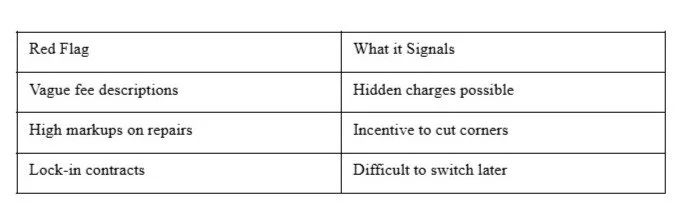
Don’t get caught off guard by unclear pricing. Sometimes what looks like a cheap deal hides a mountain of extra fees: markups on repairs, lease renewal charges, or surprise admin costs. Ask for a clear list of both management and extra fees. If a company hesitates to provide these or the contract language feels slippery, that’s a real problem.

Here’s a quick table showing red flags related to fees:

Spotting Lack of Market Expertise in Phoenix

Hiring a Phoenix property manager without local market knowledge can hurt your bottom line. If they don’t understand rental trends, legal requirements, or what tenants expect here, things can go sideways. Ask for proof they manage properties similar to yours in Phoenix, and quiz them on local rental laws and vendor networks.

  • Make sure the manager can give specific local references

  • Confirm they’re active in Phoenix neighborhoods

  • Ask about vendors and maintenance teams they use

Sometimes, the excitement of hiring a property manager leads to skipping over these checks. Taking the extra time now can absolutely save your Phoenix rental from hassle and lost profit later.

Remember, selecting a Phoenix property manager is more than picking the first name on a search list or the lowest price. Look out for poor communication, hidden fees, and missing Phoenix market experience—these are the classic red flags and pitfalls that trip up new and seasoned investors alike.

Conclusion

Picking the right property manager in Phoenix isn’t something to rush. There are a lot of companies out there, and each one does things a little differently. It helps to ask plenty of questions, check reviews, and see how they handle things like tenant screening, maintenance, and communication. Local experience matters, too, since Phoenix’s market can change fast. At the end of the day, you want someone who’s easy to reach, transparent about their fees, and genuinely interested in keeping your property running smoothly. Take your time, trust your gut, and don’t be afraid to walk away if something feels off. A good property manager can make owning a rental a lot less stressful—and maybe even a little enjoyable.