What Everyone Should Understand About Pedestrian Awareness And Safety
Pedestrian safety has become a significant concern when vehicle traffic is on the rise, and the integration of pedestrian spaces is often neglected. The National Highway Traffic Safety Administration (NHTSA) reported approximately 6,205 pedestrian fatalities in 2019, a figure that underscores the importance of promoting awareness and safety measures. As a community, we must prioritize pedestrian well-being by educating ourselves about the risks involved and the steps that can be taken to mitigate these dangers. In this regard, developing an understanding of pedestrian behaviors, the impact of driver vigilance, and the effectiveness of legislative measures is crucial.

The Importance of Pedestrian Awareness
Awareness is key to pedestrian safety. Both pedestrians and drivers need to understand their surroundings and recognize potential hazards. For pedestrians, this means staying alert while walking, particularly in areas with heavy vehicle traffic. Wearing visible clothing, avoiding distractions like smartphones, and utilizing sidewalks are practical actions pedestrians can adopt. Drivers must remain vigilant, actively scanning their environment for pedestrians at all times. According to the NHTSA, a driver’s reaction time can significantly decrease in high-volume areas where pedestrians frequently cross streets. Therefore, promoting awareness among all road users helps to foster a culture of safety that can drastically reduce accidents.
Understanding Common Causes of Pedestrian Accidents
Analyzing common causes of pedestrian accidents can provide critical insights into the underlying issues affecting safety. Poorly designed roadways, lack of adequate crossings, and insufficient signage all contribute to pedestrian vulnerability. Distractions, whether from electronic devices or other passengers, can lead to tragic outcomes when drivers fail to notice pedestrians.
Weather conditions can exacerbate these risks since rain, fog, or snow can limit visibility. Many pedestrian accidents occur in urban areas, particularly at night when the interplay of lights, shadows, and inattentive drivers heightens the risk. In addressing these issues, stakeholders can implement preventive measures, such as improving infrastructure and enhancing public education on safe practices.
Legal Perspectives on Pedestrian Safety
Understanding the legal framework surrounding pedestrian safety is important for holding drivers accountable. Laws and regulations vary by state, but common themes emerge regarding the rights of pedestrians and the responsibilities of drivers. Many jurisdictions require vehicles to yield to pedestrians at marked crosswalks, making it imperative for drivers to be aware of their legal obligations. In cases where a pedestrian is injured, the involvement of an attorney can help navigate the complexities of traffic laws to seek justice for victims, as this Fort Pierce pedestrian lawyer explains. These legal professionals advocate for pedestrians, ensuring their rights are protected and holding negligent drivers responsible for their actions. This aspect highlights the individual rights of pedestrians and promotes a broader culture of accountability on the road.
How Infrastructure Improvements Enhance Safety
Designing pedestrian-friendly infrastructure makes a considerable difference in safety outcomes. Cities around the world are increasingly investing in projects that prioritize pedestrian spaces, such as wider sidewalks, dedicated crosswalks, and pedestrian-only zones. Implementing traffic calming measures, like speed bumps and roundabouts, can reduce vehicle speeds and make roadways safer for those on foot. Studies have shown that jurisdictions that actively promote walking through improved infrastructure see decreased pedestrian incidents. This is where community engagement plays a vital role; by actively participating in discussions about urban planning, residents can influence decisions that impact their safety. Cities that employ consistently updated maps for pedestrians ensure that all individuals can navigate their surroundings effectively and safely.
The Role of Education in Preventing Accidents
Educational initiatives aimed at both pedestrians and drivers are crucial in reducing the likelihood of accidents. Schools, community centers, and local governments can implement programs to teach individuals about safe walking practices and responsible driving behaviors. These programs can cover topics such as the importance of using crosswalks, recognizing pedestrian signals, and understanding the potential dangers present on the road.
Young children, in particular, require special attention, as they may lack awareness of their surroundings and not fully understand the implications of their actions near vehicles. Programs that engage communities in discussions about pedestrian safety are vital. These include workshops and seminars that delve into how the behavior of road users can shape safety. Local advocacy groups often lead these efforts to educate the public on rights and best practices.
Community Involvement and Advocacy
Community involvement plays an integral role in advancing pedestrian safety initiatives. Local advocacy groups work to raise awareness and press for changes that prioritize pedestrian needs in urban planning. Engaging with community members through social media and public forums fosters dialogue on pedestrian issues, allowing residents to express their concerns and suggest enhancements. Events such as Walk to School Days or community walks encourage safe walking habits and educate citizens on pedestrian rights. A united voice advocating for safer streets ensures that local governments recognize the pressing need for improvements and prioritize funding for pedestrian infrastructure projects. Collaborating with city planners creates a shared vision of a community designed for pedestrian safety and accessibility.
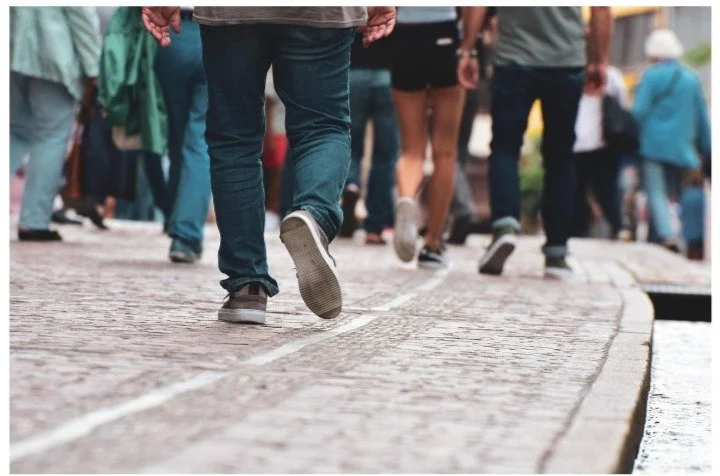
We all have a role in enhancing pedestrian safety. Regularly discussing risks and promoting safe practices within our families, schools, and local communities reinforces the importance of vigilance among all road users. Whether it’s participating in local safety initiatives or simply being mindful while walking or driving, every action counts. By fostering a culture of safety and awareness, we protect ourselves and contribute to the well-being of our entire community.