How to Choose the Right Property Manager for Your Phoenix Investment
Choosing a property manager in Phoenix goes way beyond picking a name from a list. If you want real results, you need someone who knows the Phoenix rental scene inside and out. Not all property managers bring the same level of local experience or know-how, and this difference can really impact your investment.
Assessing Years in the Phoenix Market
Always ask how long a company has worked in Phoenix real estate. Years in the local market mean lessons learned—through boom times, slow years, and everything in between. Longevity usually equals reliability. If a property manager has managed homes here for several years, odds are they have the stability and the network you need. Keep an eye out for turnover; a new face every year isn’t a good sign for your rental property’s future.
Understanding the Types of Properties Managed
Dig into the details about what types of properties your manager typically handles. Some managers specialize in apartments, while others focus on single-family homes or condos. The right property manager should be familiar with your type of investment. It’s a red flag if a Phoenix property manager mostly manages commercial spaces when you own residential rentals. This isn’t just about preference—different properties come with unique rules and tenant expectations.
Confirming Professional Licenses and Certifications
Licenses matter. Phoenix property managers must have state-mandated paperwork in order. Ask to see certifications and proof of up-to-date licenses. Industry memberships, like the National Association of Residential Property Managers, show they stay on top of standards. This paperwork proves your property manager takes their business—and your investment—seriously.
When interviewing Phoenix property managers, focus on years in the city, the types of rentals they know best, and their up-to-date professional credentials. Experience isn’t just a number—it's your peace of mind.
Reviewing Service Offerings for Phoenix Rental Investments
Choosing a property manager for your Phoenix rental investments isn’t just about handing over the keys—it's about making sure the right people handle what matters most. Every property owner wants peace of mind, knowing someone else is taking care of screening tenants, fixing leaks, and breaking down the numbers when the month is over. So, what should you actually expect?
Tenant Screening and Placement Processes
The way potential renters are checked can make or break your rental experience. Good Phoenix property managers run background, employment, and rental history checks. They should explain their method plainly, so you understand how they find stable tenants. Phoenix rental investments thrive when managers keep vacancies low and fill units with reliable people—their placement process must be tight and straightforward.
Maintenance and Emergency Response Capabilities
Emergencies don’t keep office hours. Look for property managers with fast, round-the-clock responses. They need strong local repair connections to solve problems quickly, preventing bigger headaches down the line. Routine maintenance shouldn’t get lost in the shuffle; reliable property managers for Phoenix rental investments handle both the scary disasters and the tiny fixes efficiently.
Financial Reporting and Owner Communication
Clear, detailed reports help owners track income, expenses, and repairs. Always find out how often you’ll get these statements and how easy they are to read. Great communication means you won’t be left guessing about your money or property status. Ask to see a sample report—some property managers even give owners access to an online portal with live updates.
The best Phoenix property managers keep you updated, act fast on repairs, and take tenant screening seriously. This triple play protects your investment and lets you sleep easier at night.
Investigating Communication and Transparency Practices
Checking how a property manager communicates can save an owner headaches down the road. Clear and honest communication is what separates a trustworthy property manager from the rest. If there’s any confusion about who to talk to or how to get updates, that’s a warning sign. Owners should find out exactly how communication will work before they sign a contract.
Availability and Responsiveness to Owners
A Phoenix property manager must be reachable when issues pop up. If calls and emails go unanswered, it’s a sign of trouble. Top property managers set the gold standard by:
Providing one primary point of contact for owners
Responding to questions or concerns within 24 hours
Offering an online portal for real-time updates and easy communication
If owners often wait for answers, they may start questioning the property manager’s reliability.
Clarity in Owner Reports and Financial Statements
When it comes to money, nothing matters more than transparency. Owners need clear monthly reports and easy-to-read statements. Top Phoenix property managers will:
Deliver financial statements that are simple
Break down income and expenses
Share maintenance logs and receipts monthly
A sample owner report might include:

If financials are confusing or missing, it’s much harder for owners to know how their Phoenix property is performing.
Conflict Resolution and Problem-Solving Approach
Disputes between owners, tenants, or vendors will happen at some point. The right Phoenix property manager handles problems with a steady hand. Look for these signs:
A defined process for resolving issues
Regular updates during disputes
Willingness to mediate fairly
Owners should expect that conflict resolution is handled quickly, so their properties aren’t exposed to unnecessary risks.
Effective communication and transparency are non-negotiable for owners seeking peace of mind. Choosing a Phoenix property manager known for strong practices in these areas can make all the difference.
Examining Fee Structures and Contract Terms of Phoenix Property Managers

Choosing the right property manager in Phoenix starts with breaking down their fee structures and contract terms. Property management companies design their pricing models in different ways, so it's smart to compare them side by side before signing anything. Watch out for complicated or vague agreements that might hide extra expenses.
Understanding Management and Additional Fees
Start with the basics: is the management fee a flat rate, or is it a percentage of your rent? In Phoenix, most property managers stick to a monthly percentage, but a few offer fixed rates for simpler budgeting. Also, ask about add-on charges—like tenant placement, vacancy fees, or markups on maintenance calls. A good property manager should be clear and upfront about each cost, so you’re never left wondering where your money is going.
Fees You Might See:
Monthly management (flat fee or percent of rent)
Leasing and renewal charges
Maintenance coordination or markups
Eviction processing
Early contract termination
Evaluating Leasing and Renewal Costs
Don’t overlook leasing and renewal fees when shopping Phoenix property managers. These are sometimes one-time charges for finding new tenants or renewing leases. Compare what’s included for the price—quality marketing, thorough screening, and handling lease paperwork can save you a lot of headaches later. Renewal fees may look small at first but add up over time, especially if your tenants stay long term.
Pro tip: Ask if the management fee covers basic leasing tasks or if everything is à la carte. Sometimes "full-service" promises are lighter than you think.
Reviewing Termination Clauses and Flexibility
It's smart to check the fine print on contract terms so you’re not trapped. Understand how long your contract runs—some Phoenix property management agreements renew yearly, while others are month-to-month. Always ask about termination clauses: how much notice do you need to give, and are there penalties? A fair property manager will explain exit terms without hesitation, showing they value your trust more than a locked-in contract.
If a Phoenix property manager resists answering questions about fees or contract details, it’s probably a sign to keep looking.
In summary, by carefully reviewing property manager Phoenix fee structures and contract terms, owners can avoid surprises and pick a true partner for their investment. Never rush this step; it's worth every minute spent upfront.
Prioritizing Local Knowledge and Vendor Relationships
Smart investors know that Phoenix property managers with strong, local connections make property maintenance and tenant turnovers much smoother.
Choosing a Phoenix property manager isn’t just about general skills—it’s about their ability to respond quickly and tap into trusted vendor networks. A manager with genuine local knowledge of Phoenix can often prevent issues before they spiral, thanks to relationships built with the best area contractors and suppliers. Without these established partnerships, you’re often left with delays, higher costs, and the risk of subpar repairs.
Reviewing a company’s local network will help you measure how closely connected they are to the Phoenix rental scene. Let’s break down why these vendor relationships matter and how to spot managers who truly know the local landscape.
Network of Local Maintenance and Repair Professionals
Ask directly which vendors your manager works with for maintenance. Well-connected Phoenix property managers rely on pre-vetted professionals, which means:
Faster emergency repairs due to established lines of communication
Consistent, trusted quality of work
Discounts or better pricing compared to calling random vendors
If your manager shrugs or can’t name names, that’s a sign they’re not grounded locally. You want a manager who can call a plumber at 7 a.m. or send an electrician right away when tenants report a problem.
Familiarity with Phoenix Rental Laws and Regulations
Laws governing rentals can change fast. A great property manager knows Phoenix ordinances, fair housing rules, and local lease requirements. Forget out-of-state advice—Phoenix has quirks, from heat regulations to short-term rental restrictions. Managers with solid local knowledge of Phoenix avoid legal missteps and keep you compliant. Insist on someone who can explain recent updates and how they handle city inspections or code violations.
Proximity and Accessibility for On-Site Needs
Close isn’t just convenient; it’s practical. Property managers located in or near Phoenix can inspect units, show rentals, and respond to issues quicker. If you ever need a last-minute walkthrough or emergency visit, local managers don’t have to cross half the state to reach your property. This means better service for both owners and tenants.
In Phoenix, the right property manager is the one who knows the streets, the rules, and the folks who keep rentals running—on speed dial.
Screening Reputation and References Before Hiring
When looking for the right property manager for your Phoenix investment, taking time to dig into their reputation and track record can save you from a world of headaches later. Great reviews and solid references tell you a lot about how a manager deals with both property owners and tenants. If a company won't hand over references, that's a red flag you shouldn't ignore.
Checking Online Reviews and Ratings
Start by searching for the property manager for your Phoenix investment online. Review sites, Google ratings, and even posts on social media all matter. Pay attention to repeated complaints or praise, especially around responsiveness and how they handle issues. It's smart to look for consistency—one angry review means less than a dozen similar stories.
Look at the full spectrum, from five-star raves to one-star warnings, for a real sense of what you're signing up for.
Seeking Referrals from Local Investors
Nothing beats asking fellow investors for recommendations. If you know other property owners in Phoenix, see who they've worked with and what their experience was like. Sometimes, you’ll find out about hidden gems or discover why to steer clear of certain companies. Networking groups, online forums, or investor meetups in Phoenix are good sources for these referrals.
Key points to cover when getting referrals:
Timeliness in fixing problems
Honesty and fee transparency
How they're with tenants, not just landlords
Interviewing Past and Current Clients
Talking with both former and current clients gives you a full picture of the manager’s style. Ask about both the best and worst experiences they’ve had. Were they happy with the communication? Did rent show up on time? Did problems get solved without drama? If people hesitate to answer, that’s its own type of answer.
Gathering honest feedback from people who’ve actually worked with your potential property manager can help you avoid costly mistakes.
Ultimately, screening reputation and references before hiring is the real difference between a smart investment and a risky gamble. Don’t just trust a company’s website—see what others are honestly saying.
Identifying Red Flags and Common Pitfalls When Selecting Phoenix Property Managers

Choosing a Phoenix property manager isn’t just about hiring anyone with a flashy website or low rates. It's about making sure your investment is handled reliably, and not running into any nasty surprises down the road. Here are frequent traps to avoid:
Recognizing Poor Communication Habits
The first big warning sign? Poor communication. A property manager who is slow to reply to your emails, hard to reach on the phone, or vague in their answers is already giving you trouble before any contract is signed. Reliable communication is the backbone of a stress-free Phoenix property management experience. Without timely updates, you may not learn about missed rent or urgent repairs until it’s too late. Phoenix property managers should be responsive now, or they probably won’t change later.
Avoiding Hidden Fees and Costs
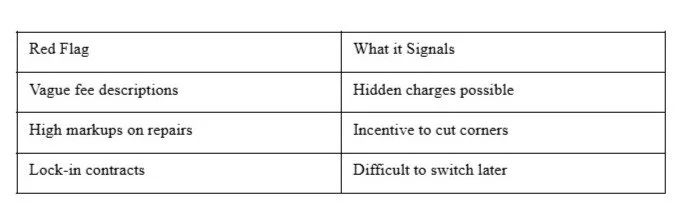
Don’t get caught off guard by unclear pricing. Sometimes what looks like a cheap deal hides a mountain of extra fees: markups on repairs, lease renewal charges, or surprise admin costs. Ask for a clear list of both management and extra fees. If a company hesitates to provide these or the contract language feels slippery, that’s a real problem.
Here’s a quick table showing red flags related to fees:
Spotting Lack of Market Expertise in Phoenix
Hiring a Phoenix property manager without local market knowledge can hurt your bottom line. If they don’t understand rental trends, legal requirements, or what tenants expect here, things can go sideways. Ask for proof they manage properties similar to yours in Phoenix, and quiz them on local rental laws and vendor networks.
Make sure the manager can give specific local references
Confirm they’re active in Phoenix neighborhoods
Ask about vendors and maintenance teams they use
Sometimes, the excitement of hiring a property manager leads to skipping over these checks. Taking the extra time now can absolutely save your Phoenix rental from hassle and lost profit later.
Remember, selecting a Phoenix property manager is more than picking the first name on a search list or the lowest price. Look out for poor communication, hidden fees, and missing Phoenix market experience—these are the classic red flags and pitfalls that trip up new and seasoned investors alike.
Conclusion
Picking the right property manager in Phoenix isn’t something to rush. There are a lot of companies out there, and each one does things a little differently. It helps to ask plenty of questions, check reviews, and see how they handle things like tenant screening, maintenance, and communication. Local experience matters, too, since Phoenix’s market can change fast. At the end of the day, you want someone who’s easy to reach, transparent about their fees, and genuinely interested in keeping your property running smoothly. Take your time, trust your gut, and don’t be afraid to walk away if something feels off. A good property manager can make owning a rental a lot less stressful—and maybe even a little enjoyable.