The Importance of Regular Air Conditioner Maintenance

As temperatures soar during the summer months, a well-functioning air conditioning system becomes vital for maintaining comfort in homes and offices. Regular air conditioner maintenance is crucial for preserving the efficiency of the unit and for extending its lifespan. Neglecting routine upkeep can lead to significant problems that may result in costly repairs or even complete system failure. Understanding the benefits of regular maintenance can encourage homeowners to prioritize this vital aspect of home ownership.

Enhancing Energy Efficiency

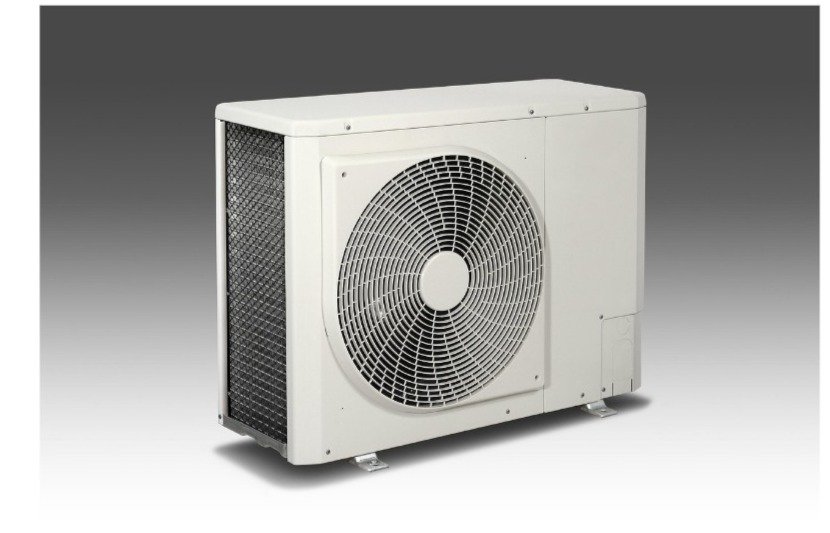
One of the primary benefits of regular air conditioner maintenance is improved energy efficiency. Dirt and debris can accumulate on the filters, coils, and fins of an air conditioning unit. By investing in air conditioning services, homeowners can ensure their systems are clean, functioning optimally, and not wasting energy. This buildup forces the system to work harder, which in turn increases energy consumption and utility bills. According to the U.S. Department of Energy, regular maintenance can increase efficiency by approximately 5 to 15 percent. 

Prolonging Equipment Lifespan

Regular maintenance plays a significant role in extending the life of an air conditioning system. Just like any mechanical system, air conditioners experience wear and tear. Routine check-ups allow technicians to identify and address minor issues before they escalate into major problems. A well-maintained system can last anywhere from 15 to 20 years, whereas neglecting maintenance can shorten its lifespan significantly. Dust buildup, clogged filters, and refrigerant leaks are common issues that can be prevented through consistent upkeep. Regular servicing helps maintain energy efficiency, reducing utility costs. By ensuring regular inspections and servicing, homeowners can benefit from a reliable cooling system for many years.

Improving Indoor Air Quality

A well-maintained air conditioning system contributes to improved indoor air quality. Allergens such as dust, pollen, and pet dander can accumulate within the system and, when circulated, may contribute to respiratory issues and allergies for inhabitants. Regular maintenance, which includes cleaning or replacing filters, ensures that the air circulating throughout the home remains clean and free from harmful substances. Better air quality can lead to healthier living conditions, particularly for families with children, elderly members, or individuals with existing health concerns. Clean systems help eliminate unpleasant odors that can result from mold or mildew buildup. This creates a fresher and more comfortable indoor environment year-round.

Reducing Repair Costs

Another significant advantage of routine air conditioner maintenance is the reduction of repair costs. When small issues are identified and resolved promptly, homeowners can avoid the expenses associated with major repairs or unexpected breakdowns. Regular servicing can detect problems like refrigerant leaks, worn-out belts, or electrical issues before they evolve into more expensive complications. According to experts, homeowners who commit to preventive maintenance can save an estimated 15 to 30 percent lower annual repair costs. Access to reliable online HVAC supply resources also makes it easier to source replacement parts when needed, further helping homeowners manage costs effectively. This proactive approach allows for strategic budgeting and peace of mind.

Maintaining Warranty Coverage

Many air conditioning manufacturers require homeowners to maintain their units according to specific guidelines to validate warranty coverage. Failing to adhere to these maintenance requirements can result in voiding the warranty, leaving homeowners financially responsible for any necessary repairs. Regularly scheduled maintenance meets these warranty obligations and ensures the system remains in good condition throughout its operational life. It is an effective way to safeguard financial investment and ensure that the manufacturer’s protections remain intact. Keeping detailed records of all service appointments and maintenance tasks can serve as proof of compliance in case a warranty claim arises. This documentation can be invaluable when selling the home, as it demonstrates responsible system care to potential buyers

Preventing Breakdowns During Peak Usage

Air conditioners are most often pushed to their limits during the hot summer months when usage peaks. Scheduling maintenance before the season begins can significantly reduce the risk of a breakdown when the system is needed most. Regular checks can verify that critical components are functioning correctly, thus assuring that cooling needs are met without interruption. Homeowners can ride out heat waves confidently, knowing their systems are well-prepared. Such peace of mind makes regular maintenance an integral part of home management, especially in regions with extreme temperatures.

The significance of regular air conditioner maintenance cannot be overstated. Enhanced energy efficiency, prolonged equipment lifespan, improved indoor air quality, reduced repair costs, and maintained warranty coverage all contribute to a more efficient and effective cooling solution. Proactive maintenance helps prevent breakdowns during extreme weather, allowing homeowners to enjoy uninterrupted comfort. Investing in comprehensive HVAC services is a wise decision that pays off in both immediate comfort and long-term savings. Creating a maintenance schedule can ensure that air conditioning systems operate smoothly, allowing families to enjoy the comfort they deserve through every season.

Custom vs. Ready Made Diamond Jewelry: The Complete Guide to Making Your Perfect Choice

When it comes to diamond jewelry, the sparkle isn't the only thing that catches your eye – it's the decision between custom-made and ready-made pieces that often leaves shoppers dazzled and confused. In today's jewelry market, both options offer compelling advantages, but understanding their fundamental differences is crucial for making the right investment. Whether you're searching for the perfect engagement ring, celebrating a milestone anniversary, or treating yourself to something special, this comprehensive guide will illuminate the path to your ideal diamond jewelry choice.

Understanding Ready-Made Diamond Jewelry

Ready-made diamond jewelry represents the traditional retail approach where pieces are pre-designed, manufactured, and stocked for immediate purchase. These items follow established design templates and are produced in quantities to meet market demand, offering consumers a wide selection of proven styles at various price points.

Advantages of Ready-Made Jewelry

Immediate availability stands as the most compelling advantage of ready-made pieces. Walk into any jewelry store, and you can walk out with your purchase the same day. This instant gratification proves invaluable for last-minute gift purchases or when you've found "the one" and can't wait to make it yours.

Lower cost makes ready-made jewelry accessible to a broader range of budgets. Mass production economies allow retailers to offer competitive pricing, as the design and manufacturing costs are spread across multiple identical pieces. This efficiency translates directly into savings for consumers.

Tried and tested designs ensure you're investing in styles with proven appeal. These pieces have weathered fashion trends and customer preferences, representing designs that have stood the test of time. Popular styles like solitaire engagement rings or tennis bracelets maintain their classic appeal across generations.

Easy comparison shopping becomes possible when dealing with standardized products. You can visit multiple retailers, compare identical or similar pieces, and make informed decisions based on price, quality, and service. This transparency helps ensure you're getting the best value for your investment.

Warranty and return policies are typically well-established for ready-made pieces. Retailers have standard procedures for handling returns, exchanges, and warranty claims, providing peace of mind and protection for your purchase.

Quality assurance comes from consistent manufacturing standards and established quality control processes. Reputable manufacturers maintain strict guidelines to ensure each piece meets specific criteria for craftsmanship and diamond quality.

Disadvantages of Ready-Made Jewelry

Limited customization options can be frustrating when you have specific preferences or requirements. While some retailers offer minor modifications like resizing or stone upgrades, fundamental design changes aren't possible with ready-made pieces.

Less personal significance often accompanies mass-produced jewelry. When thousands of identical pieces exist, the emotional connection and uniqueness that make jewelry truly special can be diminished.

Potential for duplicate ownership means you might encounter someone wearing identical jewelry. This scenario can be particularly awkward with engagement rings or other significant pieces meant to symbolize unique relationships.

Standard sizing limitations can pose challenges for those with non-standard finger sizes or preferences. While resizing is often possible, it may compromise the design integrity or incur additional costs.

Limited design variety within specific price ranges can restrict your options. Ready-made collections typically offer predetermined combinations of settings, stones, and metals, which may not align perfectly with your vision or budget.

Understanding Custom Diamond Jewelry

Custom diamond jewelry represents the pinnacle of personalization, where every aspect of your piece is tailored to your specific desires, preferences, and requirements. This collaborative process between you and a skilled jeweler transforms concepts and dreams into tangible, wearable art.

The custom jewelry process typically begins with consultation and design discussions, moves through computer-aided design (CAD) modeling or hand sketches, proceeds to material selection and sourcing, continues through the crafting phase, and concludes with final inspection and delivery. This journey can take anywhere from four weeks to several months, depending on complexity and materials.

Advantages of Custom Jewelry

Complete personalization allows you to create something truly unique that reflects your individual style, preferences, and story. Every element – from the overall design to the smallest details – can be tailored to your specifications, ensuring your piece is one-of-a-kind.

Perfect fit extends beyond sizing to encompass proportions, comfort, and wearability specific to your needs. Custom pieces can accommodate unique finger shapes, lifestyle requirements, or comfort preferences that standard sizes cannot address.

Meaningful symbolism can be incorporated throughout the design process. Whether it's birthstones representing family members, engravings with special dates, or design elements that tell your love story, custom pieces become tangible representations of your most important memories and relationships.

Quality control remains in your hands throughout the creation process. You can specify exactly which diamonds and materials to use, oversee the craftsmanship standards, and ensure every detail meets your expectations before completion.

Investment value often exceeds that of comparable ready-made pieces. One-of-a-kind custom jewelry typically retains or appreciates in value better than mass-produced items, especially when crafted by renowned artisans or featuring exceptional materials.

Emotional connection develops naturally when you participate in the creation process. Watching your vision come to life and collaborating with skilled craftspeople creates a deeper bond with your jewelry that extends far beyond its monetary value.

Disadvantages of Custom Jewelry

Higher cost reflects the premium nature of bespoke craftsmanship. Custom pieces require individual attention from skilled artisans, specialized materials, and extended time investment, all of which contribute to increased pricing compared to mass-produced alternatives.

Longer waiting periods test patience and planning abilities. Custom jewelry cannot be rushed without compromising quality, making it unsuitable for urgent gift-giving situations or spontaneous purchases.

No physical preview can create anxiety about the final result. While CAD renderings and sketches provide visual representations, you won't see or touch the actual piece until completion, requiring trust in your jeweler's interpretation of your vision.

Limited return options protect artisans from the unique nature of custom work. Most custom pieces are non-refundable since they're created specifically for you and have limited resale appeal to other customers.

Requires more research to find qualified craftspeople with the skills, reputation, and style alignment necessary for your project. This vetting process demands time and effort to ensure you're working with the right professional.

Potential for miscommunication exists in any collaborative process. Design interpretation differences, unclear specifications, or changing preferences during creation can lead to disappointment if not properly managed.

Cost Comparison Analysis

Initial Investment

Ready-made jewelry pricing follows predictable structures based on materials, brand reputation, and retail markup. Consumers can easily compare prices across retailers and often find sales or promotional pricing that reduces the initial investment.

Custom jewelry costs vary significantly based on design complexity, materials chosen, and artisan expertise. While base prices may seem higher, custom pieces often provide better value when considering the uniqueness, quality, and personalization included.

Hidden costs exist in both categories but manifest differently. Ready-made pieces might require resizing, insurance adjustments, or modifications that add to the total cost. Custom pieces may encounter design revision fees, rush charges, or premium material costs that weren't initially anticipated.

Long-term Value

Resale considerations favor unique custom pieces over mass-produced items in many cases. While ready-made jewelry from prestigious brands may retain value well, exceptional custom pieces often appreciate more significantly due to their rarity and craftsmanship quality.

Maintenance and repair costs can be higher for custom pieces due to their unique construction methods or specialized materials. However, the original artisan often provides ongoing service, ensuring proper care and preservation of the piece's integrity.

Insurance implications may differ between custom and ready-made pieces. Custom jewelry often requires detailed appraisals and documentation, while ready-made pieces may be easier to value but could be more difficult to replace exactly.

Budget-Friendly Alternatives

Semi-custom options bridge the gap between ready-made and fully custom jewelry. These approaches allow some personalization within established frameworks, offering enhanced uniqueness without the full custom price premium.

Modification services for ready-made pieces can provide limited customization at reasonable costs. Simple changes like stone upgrades, metal switching, or minor design alterations can personalize ready-made pieces without starting from scratch.

Design Flexibility and Options

Ready-Made Limitations

Standard design templates restrict creativity to predetermined combinations of settings, stones, and metals. While extensive catalogs offer variety, fundamental design changes aren't possible within the ready-made framework.

Limited metal and stone combinations may not accommodate specific preferences or requirements. If you envision rose gold with a particular diamond shape that isn't offered in ready-made collections, you'll need to compromise or consider custom options.

Size constraint issues affect both design and fit. Ready-made pieces are manufactured in standard sizes, which may not accommodate unusual proportions or specific comfort requirements.

Custom Possibilities

Unlimited design potential allows your imagination to guide the creation process. Whether you envision art deco influences, nature-inspired motifs, or completely original concepts, custom jewelry can bring any vision to life.

Material selection freedom extends to exotic metals, unusual gemstone combinations, or specialized treatments that aren't available in ready-made collections. This flexibility ensures your piece reflects your exact preferences without compromise.

Incorporating personal elements like birthstones, meaningful engravings, or symbolic design features creates jewelry that tells your unique story. These personalized touches transform functional accessories into cherished heirlooms.

Hybrid Approaches

Customizable ready-made collections offer predetermined designs with variable elements like center stones, metal choices, or minor design modifications. This approach provides some personalization while maintaining the cost and timeline advantages of ready-made pieces.

Build-your-own jewelry platforms utilize online tools to let customers select combinations of settings, stones, and metals from available options. While not fully custom, these platforms offer more personalization than traditional ready-made shopping.

Quality and Craftsmanship Considerations

Manufacturing Standards

Mass production versus handcrafted quality represents a fundamental difference in approach and attention to detail. Ready-made pieces rely on efficient manufacturing processes that prioritize consistency and cost-effectiveness, while custom pieces benefit from individual attention and artisan skill.

Quality control processes differ significantly between the two approaches. Ready-made jewelry undergoes batch inspection and standard quality assurance, while custom pieces receive continuous monitoring and individual assessment throughout creation.

Material sourcing differences can affect both quality and ethical considerations. Custom jewelers often provide detailed information about diamond and metal origins, while ready-made pieces may have less transparent supply chains.

Artisan Expertise

Skill level variations among custom jewelers make research and selection crucial. Experienced artisans command higher prices but deliver superior craftsmanship, while less experienced craftspeople may offer attractive pricing with potentially inconsistent results.

Certification and credentials provide guidance for selecting qualified professionals. Look for jewelers with formal training, industry certifications, or membership in professional organizations that maintain standards and ethical practices.

Portfolio evaluation reveals an artisan's style, capability, and consistency. Reviewing previous work helps ensure alignment between your vision and the jeweler's expertise and aesthetic sensibilities.

Durability and Longevity

Construction methods comparison reveals how manufacturing approaches affect long-term performance. Custom pieces often feature superior construction techniques optimized for the specific design, while ready-made pieces use standardized methods that may not be ideal for every style.

Wear and tear expectations vary based on construction quality, materials used, and design considerations. Well-crafted custom pieces often outperform mass-produced alternatives in durability and longevity.

Maintenance requirements may differ between custom and ready-made pieces. Custom jewelry might need specialized care from the original artisan, while ready-made pieces can typically be serviced by any qualified jeweler.

Timeline and Convenience Factors

Purchase to Possession Timeline

Ready-made jewelry offers immediate to few-day delivery, making it ideal for urgent purchases or spontaneous decisions. Most pieces are available for immediate pickup or can be shipped within 24-48 hours.

Custom jewelry typically requires 4-12 weeks for completion, depending on design complexity, material availability, and artisan workload. This extended timeline requires advance planning but ensures thoughtful creation.

Rush order possibilities exist for both categories but with different implications. Ready-made pieces might be expedited through faster shipping, while custom pieces can sometimes be prioritized for additional fees, though this may compromise quality or design options.

Shopping Experience

In-store versus consultation-based purchasing represents different approaches to jewelry selection. Ready-made shopping focuses on immediate evaluation and comparison, while custom consultation emphasizes communication, vision development, and collaborative planning.

Online options for both categories have expanded significantly, offering virtual consultations for custom work and comprehensive catalogs for ready-made pieces. However, the tactile nature of jewelry makes in-person evaluation valuable for both approaches.

Customer service differences reflect the ongoing relationship nature of custom work versus the transactional nature of ready-made purchases. Custom jewelers typically provide extended consultation and follow-up services, while ready-made retailers focus on efficient sales and standard after-sale support.

Making the Right Choice: Decision Framework

Key Questions to Ask Yourself

Budget considerations should encompass not just initial cost but long-term value, insurance, and maintenance expenses. Determine whether you're optimizing for immediate affordability or lifetime value and satisfaction.

Timeline requirements must align with your needs and circumstances. If you need jewelry for a specific date, ready-made options provide certainty, while custom pieces require buffer time for unexpected delays.

Personal style preferences influence whether existing designs meet your needs or if customization is necessary to achieve your vision. Consider whether compromising on specific elements is acceptable or if perfection requires custom creation.

Symbolic importance affects the value of uniqueness and personalization. Pieces marking major life events or relationships may benefit from custom significance, while everyday jewelry might not require the same level of individualization.

Future modification needs should be considered, as custom pieces can sometimes be more easily altered by their original creators, while ready-made pieces may have modification limitations.

Occasion-Specific Recommendations

Engagement rings often benefit from customization due to their symbolic importance and the desire for uniqueness. However, classic ready-made styles can be equally meaningful and offer immediate gratification for spontaneous proposals.

Anniversary gifts might favor custom pieces that incorporate elements from your shared history, though ready-made options can be perfect when time is limited or when classic styles align with preferences.

Special milestone celebrations could warrant custom pieces that commemorate specific achievements or memories, creating lasting reminders of important life moments.

Everyday jewelry pieces often perform well as ready-made options, since they prioritize durability and versatility over uniqueness, and replacement or upgrades may be easier with standardized designs.

Lifestyle Considerations

Active versus sedentary lifestyles influence design and durability requirements. Custom pieces can be optimized for specific activities, while ready-made options might offer proven performance in various conditions.

Professional requirements may dictate conservative styling or specific materials that are readily available in ready-made collections or easily incorporated into custom designs.

Maintenance willingness affects whether custom pieces requiring specialized care are practical, or if ready-made options with standard maintenance needs are more suitable.

Expert Tips and Best Practices

For Ready-Made Purchases

Research reputable retailers by checking certifications, reading reviews, and verifying business credentials. Established jewelers with good reputations provide better service and quality assurance.

Understanding return policies protects your investment and provides flexibility. Know the terms, conditions, and time limits for returns, exchanges, and warranty coverage before purchasing.

Certification verification ensures diamond quality and authenticity. Reputable pieces should include certificates from recognized grading institutions like GIA, AGS, or similar organizations.

Sizing considerations extend beyond basic measurements to comfort and lifestyle factors. Consider how pieces will fit with other jewelry and whether resizing options are available if needed.

For Custom Orders

Choosing the right jeweler requires careful evaluation of skills, style, reputation, and communication abilities. Request references, review portfolios, and ensure clear understanding of the creation process.

Communication strategies include detailed documentation of preferences, regular check-ins during creation, and clear understanding of revision policies and timelines.

Design documentation should include sketches, CAD renderings, material specifications, and written descriptions to ensure shared understanding and protect both parties.

Timeline management involves building in buffer time, understanding each phase of creation, and maintaining realistic expectations about completion dates.

Red Flags to Avoid

Too-good-to-be-true pricing often indicates quality compromises, questionable materials, or unreliable service. Extremely low prices compared to market standards warrant careful investigation.

Pressure tactics from salespeople or jewelers suggest prioritization of sales over customer satisfaction. Reputable professionals allow time for consideration and provide honest guidance.

Lack of documentation, whether for diamond certificates, warranty information, or custom design specifications, indicates unprofessional practices that could create problems later.

Poor communication, whether unresponsiveness, unclear explanations, or reluctance to answer questions, suggests potential problems throughout the relationship.

Future Trends and Innovations

Technology Integration

3D printing in custom jewelry has revolutionized prototyping and production, allowing customers to see and feel physical models before final creation and enabling more complex designs at lower costs.

Virtual try-on technologies help bridge the visualization gap for both ready-made and custom pieces, allowing customers to see how jewelry will look before purchase or creation.

CAD design improvements continue to enhance the custom jewelry experience with more realistic renderings, faster iterations, and better communication between jewelers and customers.

Sustainability Considerations

Lab-grown diamonds are gaining acceptance and availability in both ready-made and custom jewelry, offering environmental and ethical advantages along with cost savings.

Recycled metals reduce environmental impact and often provide cost benefits while maintaining quality standards in both manufacturing approaches.

Ethical sourcing practices are becoming standard expectations, with both ready-made and custom jewelers providing documentation and assurance about responsible material sourcing.

Market Evolution

Hybrid business models combine elements of ready-made and custom approaches, offering more personalization options within efficient production frameworks.

Direct-to-consumer trends eliminate traditional retail markups, making both ready-made and custom options more affordable while often providing better service and quality.

Customization technology advances continue to make personalization more accessible and affordable, potentially blurring the lines between ready-made and custom categories.

The Final Verdict: Your Perfect Choice Awaits

Choosing between custom and ready-made diamond jewelry ultimately comes down to understanding your priorities, circumstances, and dreams. Ready-made pieces excel when time is limited, budgets are constrained, or classic styles align with your preferences. They offer immediate gratification, proven quality, and predictable costs that make them ideal for many situations.

Custom jewelry shines when uniqueness matters, personal significance is paramount, or specific requirements cannot be met through ready-made options. The investment in time, money, and emotional energy often pays dividends in satisfaction, meaning, and long-term value.

Perhaps most importantly, remember that there's no universally "right" choice – only the choice that's right for you. Whether you select a stunning ready-made piece that captures your heart or embark on the journey of creating something entirely unique, your perfect diamond jewelry awaits discovery.

The key lies in honest self-assessment of your needs, thorough research of your options, and working with reputable professionals who prioritize your satisfaction above their profits. With these foundations in place, your choice between custom and ready-made diamond jewelry will lead to a piece that brings joy for years to come.
Why Perfect Fit Shutters Are Ideal for Listed Buildings and Period Properties

Owning a listed building or period property comes with unique joys and challenges. While you get to live surrounded by centuries of history and architectural beauty, you also face strict regulations about what changes you can make to preserve the building's heritage character. When it comes to window treatments, this creates a particular dilemma – how do you achieve modern comfort and privacy while respecting historical integrity?

Perfect fit shutters offer an elegant solution that addresses both preservation requirements and contemporary living needs. These innovative window treatments are revolutionizing how owners of historic properties approach interior window dressing, providing functionality without compromising architectural authenticity.

Understanding Listed Building Restrictions

Before exploring why perfect fit shutters work so well for historic properties, it's important to understand the constraints that come with owning such buildings. Listed building consent is required for most alterations, and conservation officers scrutinize any changes that might affect the property's historic character.

Traditional window treatment installations often involve drilling into window frames, walls, or architraves – modifications that can damage original features and may require formal consent. Even seemingly minor alterations like screw holes can be problematic if they affect original timber, stone surrounds, or decorative moldings.

The challenge becomes even more complex with Grade I and Grade II* listings, where restrictions are particularly stringent. Owners must balance their desire for modern comfort with legal obligations to preserve architectural heritage for future generations.

The Perfect Fit Solution

Perfect fit shutters address these challenges through their innovative no-drill installation system. Unlike traditional shutters that require brackets screwed into window frames or surrounding walls, perfect fit shutters attach directly to the window using a clever frame system that clips securely in place without any permanent fixings.

This installation method means no holes, no screws, and no damage to original window frames or surrounding masonry. The shutters can be removed completely if needed, leaving no trace of their presence – a crucial advantage for listed building owners who may need to demonstrate reversibility to conservation officers.

The system works by creating a lightweight frame that fits precisely within the window recess, held in place by tension and clever engineering rather than permanent fixings. This approach respects the principle of reversible alterations that conservation philosophy strongly favors.

No Drill Shutter Blinds: The Technology Behind Heritage-Friendly Solutions

The innovation of no drill shutter blinds extends beyond just perfect fit shutters, representing a broader revolution in window treatment technology that's particularly valuable for heritage properties. Understanding how these systems work helps appreciate why they're becoming the go-to solution for discerning property owners.

Advanced Mounting Systems: No drill shutter blinds utilize sophisticated mounting mechanisms that create secure, stable installations without permanent fixings. These systems typically employ spring-loaded brackets, tension mechanisms, or precision-engineered clips that distribute weight evenly across the window frame without causing pressure damage.

Material Engineering: The frames used in no drill systems are constructed from lightweight yet durable materials that provide strength without bulk. Advanced polymers and precision-machined aluminum components ensure the mounting system can support the shutters' weight while maintaining the delicate touch required for historic windows.

Precision Manufacturing: No drill shutter blinds require exact measurements and custom manufacturing to achieve their secure, gap-free fit. Modern CNC machining and laser-cutting technologies enable manufacturers to create components that fit existing windows perfectly, accounting for the irregularities common in period properties.

Versatile Applications: While perfect fit shutters are one application of no drill technology, the same principles apply to various blind styles. Roller blinds, Venetian blinds, and even some curtain systems now use no drill mounting solutions, giving heritage property owners multiple options that respect conservation requirements.

Load Distribution Technology: Advanced no drill systems use innovative load distribution methods that spread the blind's weight across multiple contact points rather than concentrating stress in specific areas. This approach protects delicate historic window frames from damage while ensuring stable, long-term performance.

Reversible Engineering: The engineering behind no drill shutter blinds focuses on complete reversibility. Every component is designed for easy removal without leaving marks, residue, or damage. This reversible engineering is crucial for listed building compliance and gives property owners confidence in their installation choices.

Quality Assurance: No drill systems undergo rigorous testing to ensure they can withstand daily use, weather variations, and the natural settling that occurs in older buildings. This testing is particularly important for heritage properties where replacement or repair of original features can be complex and expensive.

The technology behind no drill shutter blinds represents years of research and development focused on solving the specific challenges faced by owners of historic and sensitive properties. It's this technological innovation that makes modern comfort compatible with heritage preservation.

Preserving Original Window Features

Period properties often feature beautiful original windows with intricate glazing bars, decorative handles, catches, and architectural details that contribute significantly to the building's character. Traditional shutter installations can obscure or interfere with these features, potentially compromising the window's historical authenticity.

Perfect fit shutters are designed to work around existing window furniture and features. The installation doesn't require removing or altering original handles, stays, or decorative elements. The shutters can accommodate the irregular dimensions and quirks that are common in historic windows, which were often hand-made and therefore slightly imperfect by modern standards.

This compatibility with original features means you can enjoy the benefits of shutters while preserving every detail that makes your historic windows special. The shutters essentially become a layer that works with the existing window rather than fighting against it.

Aesthetic Harmony with Period Architecture

One concern many period property owners have is whether modern window treatments will clash with their building's historic character. Perfect fit shutters, when chosen thoughtfully, can actually enhance rather than detract from period aesthetics.

Shutters have a long history in British architecture. Interior shutters were common in Georgian, Victorian, and Edwardian properties, often built into window reveals or designed as part of the original architectural scheme. By choosing perfect fit shutters, you're actually returning to a historically appropriate window treatment method.

The clean lines and classic proportions of well-designed shutters complement period architecture beautifully. When painted in heritage colors or finished in natural wood tones that echo original timber features, they can appear as though they were always part of the building's design.

Material Choices for Historic Properties

Perfect fit shutters come in various materials, each offering different advantages for period properties:

Solid Wood Options: Traditional timber shutters provide authentic appearance and can be painted or stained to match existing woodwork. They're particularly appropriate for high-grade listed buildings where material authenticity matters.

MDF Alternatives: High-quality MDF shutters offer stability and can be finished to look virtually identical to solid wood while being less susceptible to warping in older buildings with variable humidity levels.

Moisture-Resistant Materials: For historic properties with stone walls or high humidity levels, specially treated materials prevent warping and ensure longevity.

The key is choosing materials and finishes that complement the property's existing palette and architectural style rather than competing with it.

Practical Benefits for Historic Living

Beyond preservation compliance, perfect fit shutters offer practical advantages that make historic properties more comfortable to live in:

Improved Insulation: Many period properties struggle with heat loss through old windows. Perfect fit shutters add an extra insulation layer, helping reduce energy bills while maintaining the character of original single-glazed windows.

Draft Reduction: The close fit helps minimize drafts that are common around historic windows, improving comfort without the need for controversial double-glazing installations.

Light Control: Period properties often have large windows that can create glare or heat issues. Shutters allow precise light control while maintaining the window's exterior appearance.

Privacy Solutions: Historic properties in urban settings may face privacy challenges. Shutters provide privacy options without external changes that might affect the building's street frontage.

Security Enhancement: An additional layer of security for ground-floor windows, particularly valuable for rural period properties.

Conservation Officer Approval

When dealing with conservation officers and planning authorities, perfect fit shutters offer several advantages:

Reversibility: The no-drill installation means changes can be completely reversed, a key principle in conservation work.

No Structural Impact: Installation doesn't affect the building's structure or original fabric.

Appropriate Aesthetics: When properly specified, shutters align with historic precedent and architectural appropriateness.

Documentation: The installation process can be fully documented to demonstrate minimal impact on heritage features.

Many conservation officers actually prefer perfect fit shutters to alternatives like heavy curtains with brackets that require drilling, or roller blinds that can look incongruous in period settings.

Case Studies in Historic Properties

Georgian townhouses have seen particular success with perfect fit shutters, where the regular window proportions suit shutter panels perfectly. The clean lines complement the mathematical precision of Georgian architecture while the white or off-white finishes traditionally used in these properties work beautifully with painted shutters.

Victorian properties benefit from the flexibility perfect fit shutters offer in accommodating the varied window sizes common in these buildings. The ability to create different panel configurations means shutters can work equally well in tall sash windows and smaller casements.

Tudor and earlier properties, with their irregular window openings and varying sill heights, particularly benefit from the custom-fitting approach that perfect fit shutters enable.

Installation Considerations for Period Properties

Working with historic buildings requires special consideration during installation:

Window Condition Assessment: Ensuring existing windows are in good enough condition to support the shutter system.

Measurement Precision: Historic windows are rarely perfectly square or regular, requiring careful measurement and sometimes custom manufacturing.

Access Considerations: Working around original features and sometimes limited access in period buildings.

Timing Coordination: Planning installation to minimize disruption to daily life in buildings that may have challenging heating or ventilation.

Long-Term Heritage Value

Perfect fit shutters can actually add to a property's heritage value rather than detracting from it. They demonstrate thoughtful stewardship of historic buildings, showing how modern needs can be met while respecting architectural integrity.

The reversible nature means future owners have options, while the improved comfort and energy efficiency can make historic properties more appealing to potential buyers who might otherwise be deterred by the challenges of period property living.

Making the Right Choice

For owners of listed buildings and period properties, perfect fit shutters represent a rare opportunity to have the best of both worlds – modern comfort and convenience while fully respecting heritage obligations and architectural character.

The key to success lies in careful specification, choosing appropriate materials and finishes, and working with suppliers who understand the unique requirements of historic buildings. When done well, the shutters become an invisible modern convenience that enhances rather than compromises the historic living experience.

Perfect fit shutters prove that preservation and comfort don't have to be mutually exclusive. They offer a path forward for historic property owners who refuse to choose between living in the past and enjoying modern comfort – instead, they can have both, seamlessly integrated and completely reversible.

For anyone living in a listed building or period property, perfect fit shutters aren't just a window treatment option – they're a preservation-conscious lifestyle choice that honors the past while embracing the present.

Invisible Decor: Designing Minimal Spaces with Maximum Impact

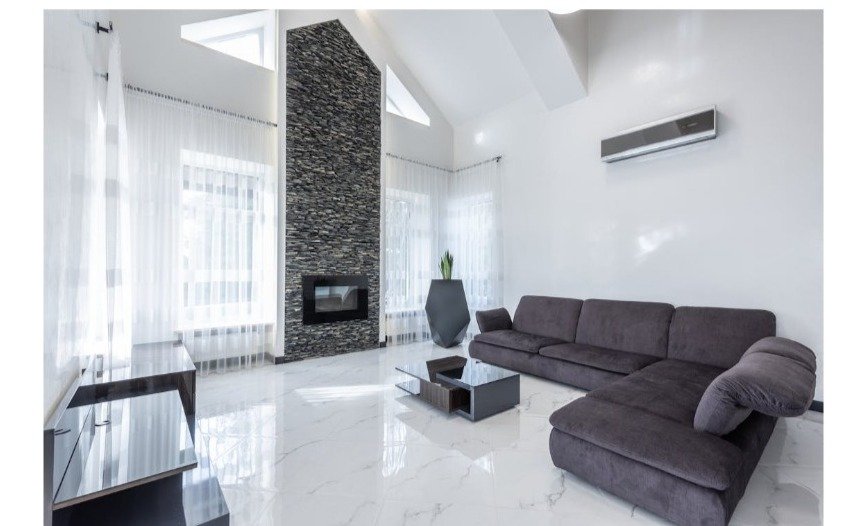
Minimalist design is often misunderstood. To some, it feels cold or incomplete—as though something essential is missing. But great minimalist design isn’t about what’s taken away; it’s about what’s left behind with intention. The power of "invisible decor" lies in its subtlety—how it shapes the feeling of a room without drawing too much attention to itself.

This approach doesn’t rely on bold colors or statement pieces. Instead, it uses light, proportion, texture, and restraint to create interiors that feel balanced, intentional, and quietly luxurious. It’s the art of getting more out of less—and making the absence of clutter feel like a presence in itself.

The Philosophy of Invisible Decor

The heart of invisible decor lies in the belief that every element should have a purpose. There’s no visual noise, no filler. What remains are curated materials, clean lines, and an atmosphere of calm. But that doesn’t mean the space has to be bland or lifeless.

Designers who embrace this philosophy often focus on what you feel in the space rather than what you immediately notice. According to insights from sites like https// decoratoradvice.com, the most effective minimalist rooms engage the senses subtly—inviting you to notice natural light, the smoothness of a finish, or the perfect shadow cast across a wall.

In these spaces, decor becomes architectural. It disappears into the background—until you slow down and start paying attention.

Focus on Form and Function

When it comes to minimalist spaces, the lines of furniture and fixtures take center stage. Without excess, the silhouette of a chair or the curve of a faucet becomes a kind of sculptural art.

Well-designed minimal rooms prioritize form and function equally. For example, a console table isn’t chosen for ornate carvings or bold color; it’s chosen because its shape, height, and material align perfectly with the space around it. Choosing furniture with clean, uninterrupted lines enhances this effect. Avoiding overly decorative legs, handles, or hardware keeps the aesthetic streamlined. Whenever possible, opt for multipurpose pieces—a bench with hidden storage or a stool that doubles as a side table are perfect examples of beauty meeting utility.

Use of Negative Space

One of the most powerful tools in invisible decor is negative space—the areas of a room that are intentionally left empty. Rather than seeing these voids as missed opportunities, minimalism treats them as design features that create breathing room.

Negative space allows the eye to rest. It also helps highlight the few elements that are present, giving them more impact and clarity. Instead of a crowded gallery wall, imagine a single piece of art on a large wall. The space around it makes it feel more significant.

To embrace this principle, resist the urge to fill every surface or wall. Allow architectural features like beams, arches, or window frames to stand out without competing decor. Consider how the placement of your furniture contributes to openness—proper spacing can create a sense of calm and effortless flow.

Texture as a Substitute for Color

In the absence of color or ornamentation, texture becomes essential. It adds depth and contrast to a minimal space without disrupting its calm. Think of the difference between a matte wall and a raw concrete finish, or a flat wool rug and a chunky boucle one.

To create visual interest, layer different materials—linen curtains, leather chairs, wooden floors, and ceramic accessories work harmoniously in a restrained color palette. Matte finishes are especially effective for maintaining a soft, diffused aesthetic. Introducing contrast with texture, such as pairing smooth stone with natural woven fibers, gives minimalist spaces a quiet richness that doesn’t rely on vibrant color.

Built-in and Integrated Design

Minimalist decor often hides its complexity behind seamless execution. Built-in storage, integrated lighting, and hidden hardware contribute to a clean and cohesive look. These are the elements that disappear—but only because they’ve been carefully considered.

Rather than relying on standalone cabinets or cluttered shelving, explore wall-integrated storage solutions that feel architectural. Custom millwork reduces the visual footprint of furniture and keeps sightlines clear. Push-to-open drawers and doors eliminate the need for visible handles, maintaining a sleek profile. Recessed lighting—whether tucked into ceilings or concealed behind panels—provides ambient glow without visual disruption.

Quiet Focal Points

In minimal spaces, there’s often one element that quietly anchors the room—a large-scale print, a sculptural light fixture, or a beautifully textured rug. These pieces are simple, but powerful because of the room’s restraint.

Without surrounding clutter, these focal points become more meaningful. Rather than overwhelming the space, they define it. When choosing such a piece, look for something that speaks to the mood and materials of the room. One well-chosen object will have far more impact than a dozen smaller ones. Leave surrounding areas clear so the piece can breathe, and allow its presence to unfold naturally as part of the space.

The Luxury of Less

Invisible decor isn’t about emptiness—it’s about clarity. It’s a design approach that values intention over quantity, experience over display. When done right, minimal spaces can feel more comforting, more meaningful, and more luxurious than their maximalist counterparts.

If your home is feeling overstimulated or visually chaotic, stepping into the world of minimalism may be the refresh you need. It’s not about stripping everything away—it’s about elevating the essentials.

Because sometimes, the most impactful design is the one you barely notice.

10 Iconic Moments in Italian Cinema

Italian cinema, be it dramas, romance movies, or beloved Italian comedies, is renowned for its powerful storytelling, striking visuals, and emotional depth. Over the decades, it has gifted the world unforgettable scenes that have become etched in the minds of film lovers across the globe. Whether you’re a seasoned cinephile or just looking for a new movie to dive into, these moments from Italian movies are bound to resonate. Grab a glass of vino, settle in, and let’s take a walk through the history of Italian film with 10 unforgettable moments.

1. Bathing in the Trevi Fountain – La Dolce Vita (1960)

Director: Federico Fellini
Starring: Marcello Mastroianni, Anita Ekberg

"An iconic image in cinema history, Anita Ekberg’s midnight dip in the Trevi Fountain in La Dolce Vita has become synonymous with glamour, rebellion, and disillusionment. Marcello Mastroianni’s character, a jaded journalist, accompanies Ekberg’s character, and the uninhibited joy and exploration of Rome’s nighttime allure remains a definitive scene in film. The image of Ekberg calling "Marcello, come here!" as she wades into the waters, lit by the moon, captures the existential beauty of the film. Though such a stunt today would certainly lead to fines or jail time, this scene is more about the spirit of the times – a moment of freedom and abandon in an ever-changing world.

2. Sophia Loren’s Striptease – Ieri, Oggi, Domani (1963)

Director: Vittorio De Sica
Starring: Marcello Mastroianni, Sophia Loren

Sophia Loren, one of Italy's most beloved actresses, delivers one of her most seductive and playful performances in Ieri, Oggi, Domani. In a scene that remains unforgettable, Loren’s character performs a striptease for Marcello Mastroianni’s Augusto, who watches, mesmerized, in this quirky and humorous intimacy. Loren's wit, beauty, and charm make this playful yet sensual moment truly iconic, solidifying her status as one of the screen's greatest.

3. Train Slaps – Amici Miei (1975)

Director: Mario Monicelli
Starring: Ugo Tognazzi, Philippe Noiret, Gastone Moschin, Duilio Del Prete

A cult classic, Amici Miei (My Friends) features a hilarious series of pranks (or zingerate) carried out by four middle-aged friends. The most famous of these involves the friends slapping the faces of passengers as they run past a moving train. It’s a moment of absurdity that shows the carefree, often anarchic, spirit of Italian comedies during the 1970s.

4. The Church Scene – La Ciociara (1960)

Director: Vittorio De Sica
Starring: Sophia Loren, Eleonora Brown

In La Ciociara, Sophia Loren gives a heart-wrenching performance in one of her finest roles. The film is set during WWII and follows Cesira and her daughter as they endure unspeakable hardships. The climax, a brutal assault in an abandoned church, is one of the most haunting and emotional scenes in film history. Loren's powerful performance in this scene not only earned her an Academy Award but also solidified her place as an icon of the film industry.

5. The Shot – Roma Città Aperta (1945)

Director: Roberto Rossellini
Starring: Anna Magnani, Aldo Fabrizi

This neorealist masterpiece is often considered the film that marked the birth of Italian neorealism. In Roma Città Aperta, Anna Magnani’s portrayal of Pina, a woman caught up in the resistance during the German occupation of Rome, becomes legendary. Her death scene, shot by the Gestapo, is a defining scene in film history, showcasing not just the brutality of war but the courage and sacrifice of ordinary people. Magnani’s raw performance made her a symbol of resilience and humanity.

6. The Long Walk Home – Ladri di Biciclette (1948)

Director: Vittorio De Sica
Starring: Lamberto Maggiorani, Enzo Staiola

In Ladri di Biciclette (Bicycle Thieves), the father-son duo struggles against poverty in post-war Rome, seeking the stolen bicycle that is their only means of survival. The final scene, in which the two walk home hand-in-hand, their faces filled with despair and hopelessness, is profoundly moving. This shot captures the universal pain of failure and desperation, marking the film as one of the greatest works of Italian neorealism.

7. Maccheroni – Un Americano a Roma (1954)

Director: Steno
Starring: Alberto Sordi

Alberto Sordi’s turn as Nando Mericoni in Un Americano a Roma is a classic comedy moment. Nando, an Italian man obsessed with American culture, famously rejects “American” food for a plate of good old-fashioned maccheroni. His defiant declaration, “Maccarone, m’hai provocato e io ti distruggo adesso!” (“Maccheroni, you provoked me, and now I will destroy you!”), became a humorous and enduring quote in Italian pop culture. Sordi’s portrayal of the exaggerated Italian man, caught between tradition and modernity, remains a comedic goldmine.

8. The Letter – Totò, Peppino e La... Malafemmina (1956)

Director: Camillo Mastrocinque
Starring: Totò, Peppino de Filippo

Totò, one of Italy’s most celebrated comedic actors, shines in Totò, Peppino e La... Malafemmina. In a hilarious scene, Totò and his brother attempt to write a letter to a woman, creating a chaotic mess of senseless punctuation and misunderstandings. This quintessential moment exemplifies Totò’s mastery of physical comedy and his ability to turn the most mundane situations into comic genius.

9. The New Year’s Eve Party – Fantozzi (1975)

Director: Luciano Salci
Starring: Paolo Villaggio

Ugo Fantozzi, the bumbling, unlucky office worker portrayed by Paolo Villaggio, is one of Italy’s most beloved characters. The New Year’s Eve party scene from Fantozzi captures the essence of Fantozzi’s miserable existence. The slapstick humor and the absurdity of his social awkwardness make it a perfect snapshot of the everyman character, whose continuous misfortunes made Fantozzi a cultural icon in Italy.

10. The Kisses – Nuovo Cinema Paradiso (1988)

Director: Giuseppe Tornatore
Starring: Jacques Perrin, Philippe Noiret

In this tear-jerking finale to Nuovo Cinema Paradiso, the projectionist Alfredo (Philippe Noiret) leaves a legacy for young Totò (Jacques Perrin) by giving him a reel of edited kisses from the films they’ve shown together. The scene, paired with Ennio Morricone’s evocative score, celebrates the power of movies to capture love, loss, and memory. It’s a poignant tribute to the beauty of film and the bittersweet nature of growing up.

Conclusion

These 10 iconic moments capture the heart and soul of Italian cinema, from heartbreaking dramas to uproarious comedies. Each scene represents a shift in Italian cultural history and showcases the unique emotional depth that Italian filmmakers have brought to the screen over the years. Whether you’re rediscovering these classics or seeing them for the first time, these moments are essential for anyone who appreciates the artistry and emotional power of cinema.

What Do You Need to Know About Strata Living in Australia?

Anyone who’s ever invested in real estate will tell you about the importance of always making informed decisions. Before you find the right property and close any deals, you need to make sure that you know everything about what you’re investing on.

Now if you are in Australia, you might have heard about strata living, which is essentially a type of property ownership where you own a unit—a penthouse, townhouse or apartment—within a building. In fact, there’s now a strata living guide that helps homeowners and potential investors to understand what this type of arrangement is like. But what exactly is strata living? Here are some key elements that you need to know about:

  • You own your property but not entirely. When it comes to investing in strata living, you are the full owner of your individual lot, which could be an apartment or townhouse. But all the other amenities and shared spaces within that building or complex will be shared ownership among all the other owners of those individual lots. This includes the gardens, swimming pools, hallways and other common areas.

  • You will be working with a strata company. Since you’re not the only owner of the building where your property is located, it’s very important to work with a strata company that will manage the entire property on behalf of the owners. You’ll also have a strata committee that you’ll be electing as a group to help the strata company in managing your shared property. Some living spaces even hire strata managers to look after the day-to-day operations of the property to ensure that rules are followed properly for the convenience of the owners.

  • You need to abide by the rules of the scheme. A scheme is created by the strata company and strata committee to make sure that organisation and peace are maintained within a property. While you have the freedom to create your own rules within your property, you need to abide by the rules and regulations specified in the scheme. This means limitations in doing renovations for shared spaces, making sure that pets are secured and keeping your noise low as a sign of respect to other owners. 

  • You may be required to pay fees and contributions. Aside from paying for your unit and maintaining it, you may also be required to pay fees that will help cover the cost of maintaining the common areas within your property and the payment for the strata company that manages your shared property. Some strata companies also open a sinking fund from the contributions of owners. This will help you take care of the expenses related to managing, renovating and maintaining the property.

Strata living is definitely a good option if you want to invest in a property that you can live in but also has a huge rental potential. So if you want to learn more about this investment option, get in touch with our team.