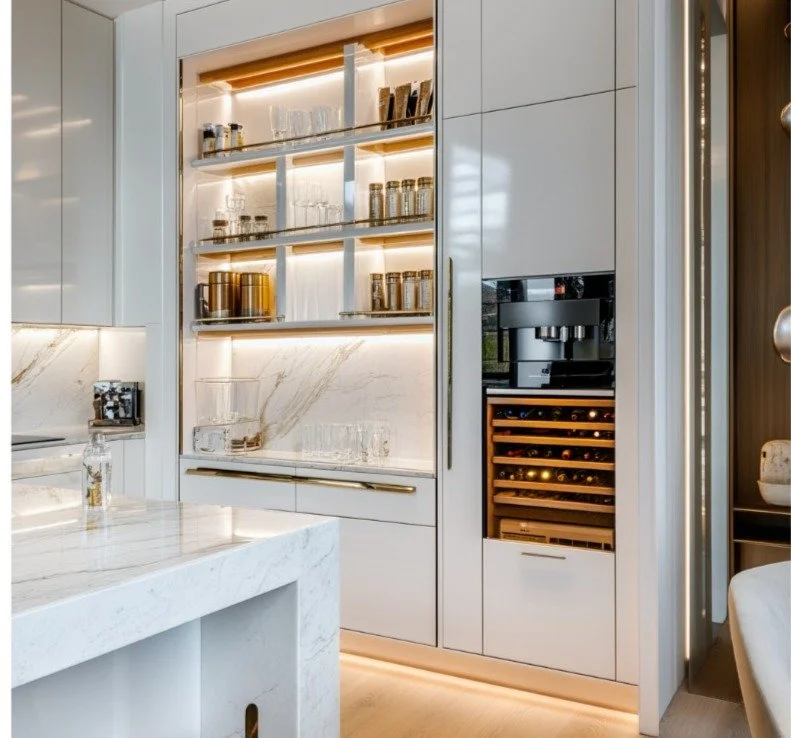
Make Your Space Work for You: Practical Tips for a More Organized Home

Creating an organized home can often feel like a daunting task with the hustle of daily life. The good news, however, is that with some thoughtful planning and a few changes to your routines, you can transform your environment into a space that works for you rather than against you. This article offers practical tips on decluttering, optimizing your spaces, and integrating functional storage solutions that will help you achieve a more organized home.
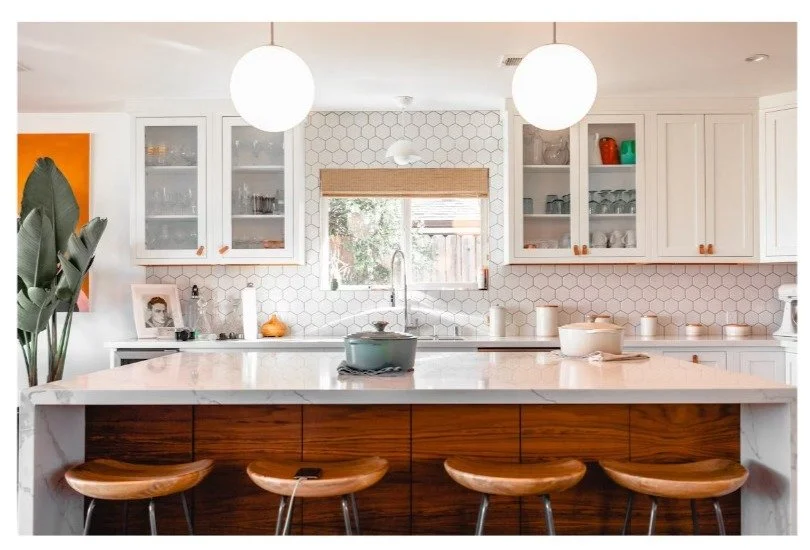
Understanding the Need for Organization

Organization in the home offers more than just aesthetic appeal; it directly affects productivity and well-being. A cluttered space can lead to a cluttered mind, resulting in stress and distraction. Scientific studies show that people who maintain organized environments are often more productive and experience lower stress levels. 

By making your home a sanctuary of order, you improve your surroundings and enhance your mental clarity. Organizing begins with understanding the specific areas in your home that require attention. Look around, are there areas with too much furniture or items lying around? Taking a moment to assess these spaces helps prioritize which rooms need the most focus. Aim to create a home that reflects your style while being practical enough for daily use.

Efficient Storage Solutions

Once decluttering is underway, the next step is finding effective storage solutions. The right storage can make a massive difference in keeping your space organized. Think about investing in multi-functional furniture. Coffee tables with hidden storage or ottomans that open up for additional space can serve dual purposes while minimizing clutter. Floating shelves can add character and utility to walls. 

They utilize vertical space while providing a surface for decorative items or books. Organizing items by categories and using labeled boxes will streamline finding what you need, minimizing the chance of items piling up again. It may be worthwhile to convert a closet into a mudroom to add organization and functionality to your home. You may develop an effective system that makes accessibility easier by allocating space for less-utilized objects, including seasonal décor.

Clear storage bins with transparent sides can further simplify the process of locating specific items without needing to open each container. For smaller household essentials, drawer organizers and dividers help keep everything neatly in place and prevent clutter from building up again. Incorporating under-bed storage boxes is another smart way to utilize overlooked areas in smaller living spaces. Custom-built shelving units or cabinetry can provide tailored solutions for oddly shaped rooms or awkward corners.

Decluttering: The First Step to a Tidy Space

Decluttering is an invaluable step toward organization. The process involves selecting which items to keep, donate, or dispose of. A helpful method is the "one-year rule": if you haven’t used an item in a year, it’s time to let it go. This rule assists in minimizing excess and encourages mindful accumulation of possessions moving forward. You don’t have to do this alone; engaging the whole family can make it a more manageable and enjoyable experience. 

Provide everyone with designated boxes for donating, keeping, or discarding items. Working together not only makes the task lighter but will instills a sense of teamwork. To support your decluttering efforts, create zones within your home. Set aside spaces for specific functions, like a reading nook or a work area, enforcing the notion that every item should have a home. This encourages an increased likelihood of maintaining order.

Streamlining Daily Routines

Building organization into your daily routines can further transform your home. Start by allocating specific times for daily chores such as cleaning and tidying. This practice helps in combating build-up. A cleaning schedule can be simple; designate a few minutes each day for tidying up the common areas. 

This simple habit will maintain a sense of order. Introduce a nightly reset routine. Spend ten to fifteen minutes each evening putting away items left out during the day. Encourage every family member to complete this task, making it a collective responsibility. This communal effort fosters accountability and ensures everyone contributes to keeping the home organized.

Incorporating checklists or to-do lists can help keep everyone on track with household tasks. Digital tools like reminder apps or shared calendars can make coordinating chores more efficient and less stressful. Establishing designated spots for everyday items, like keys, bags, or mail, helps reduce the time spent searching for things. These small habits build consistency and make maintaining an organized home feel more manageable.

Utilizing Technology for an Organization

Incorporating technology into your organization's efforts can yield excellent results. Various apps and tools can streamline tasks, from grocery shopping to creating organization systems for your home. To do this, take advantage of apps that assist with schedules, checklists, and inventory management. Smart home devices can aid in maintaining organization, as well. 

You can use smart assistants to set reminders for just about anything, from trash days to when to replenish pantry items. Such measures help eliminate surprises, allowing for better planning. Digitize documents and photos. This ensures a clutter-free environment while still maintaining important records. Set up automated backup solutions for peace of mind without needing extensive physical storage.
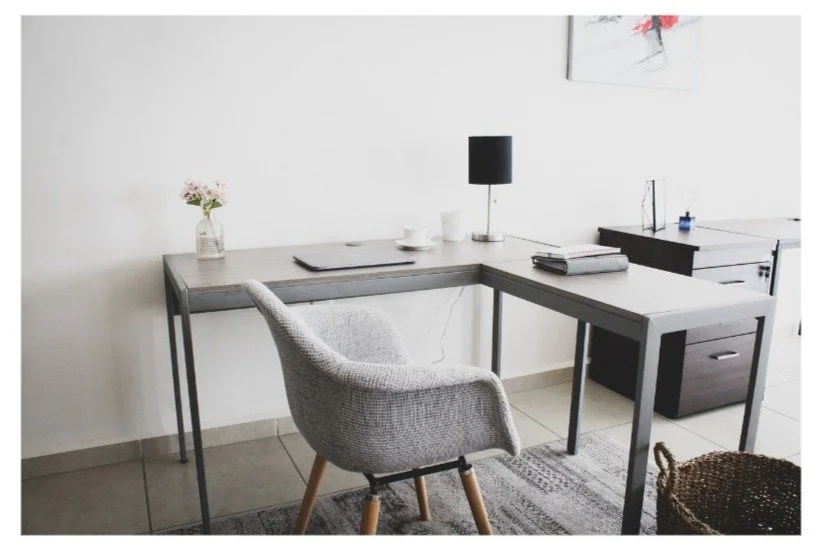
Personalizing Your Organized Space

Once you’ve implemented streamlined systems and decluttered your home, it’s time to add personal touches to create a welcoming atmosphere. Use art, textiles, plants, and personal memorabilia strategically placed throughout your home to enhance missed warmth and character. In addition to aesthetics, ensure functionality remains a top priority. 

Choose decorations that are visually appealing and serve a purpose. Opting for stylish baskets can efficiently hold items while complementing the décor. This integration reflects your personality without compromising on organization. 

Adjust your shelves and surfaces quarterly to maintain a fresh, inviting feel within your home. Regularly rotating decor keeps the space dynamic while allowing for adjustments as your needs evolve. 

The organization is an evolving process, and the methods you choose will adapt to your lifestyle and preferences. Finding a unique balance will enable you to establish an efficient, personalized space. Creating an organized home is a journey that extends beyond merely decluttering. 

By understanding your needs, implementing practical storage solutions, establishing better daily routines, utilizing technology, and personalizing your space, you can cultivate a home that not only functions well but feels like a haven. With these practical strategies, you’re empowered to make your environment work for you effectively.


The Art of the Statement Chair: How One Piece Can Transform Your Living Space

In the world of interior design, few pieces of furniture possess the transformative power of a well-chosen armchair. More than mere seating, the right chair becomes a focal point, a conversation starter, an=d a reflection of personal style that can elevate an entire room from ordinary to extraordinary.

The Psychology of the Perfect Chair

There's something deeply personal about selecting a chair. Unlike a sofa, which often serves as communal seating, an armchair is inherently individual: a throne of sorts where we retreat with a book, enjoy morning coffee, or simply pause to reflect. This intimate relationship between person and chair makes the selection process both crucial and deeply rewarding.

The best armchairs strike a delicate balance between form and function. They must be visually compelling enough to anchor a space while remaining comfortable enough for extended use. For those seeking this perfect combination, exploring curated armchairs can reveal pieces that exemplify both exceptional design and comfort. Whether you're curling up for an afternoon read or hosting intimate conversations, your chair should adapt to your lifestyle while making a design statement that speaks to your aesthetic sensibilities.

Defining Your Space Through Seating

In open-plan living, armchairs serve as powerful tools for creating distinct zones within larger spaces. A strategically placed chair can delineate a reading nook from a main living area, establish a cozy corner for morning routines, or create an intimate conversation space that feels separate from the bustling energy of a kitchen or dining area.

Consider the transformative effect of placing a sculptural armchair near a window: suddenly, that corner becomes a destination rather than dead space. The chair not only provides functional seating but also creates a visual anchor that draws the eye and establishes hierarchy within the room's layout.

Material Matters: Choosing the Right Texture and Finish

The material and finish of your armchair can dramatically influence the overall mood of your space. Rich leather develops character over time, creating a sense of lived-in luxury that pairs beautifully with both traditional and contemporary settings. Fabric options offer endless possibilities, from bold patterns that serve as artwork to neutral textures that provide sophisticated backdrop for other design elements.

Wooden frames bring warmth and organic appeal, while metal accents can introduce industrial edge or sleek modernity. The key is selecting materials that complement your existing décor while adding depth and interest to the overall composition.

Color as a Design Tool

An armchair presents an ideal opportunity to introduce color into your space, whether through bold statement hues or subtle tonal variations. A vibrant chair can serve as the room's color anchor, inspiring the selection of throw pillows, artwork, and accessories that create a cohesive color story throughout the space.

Alternatively, choosing a chair in a neutral tone allows you to experiment with color through easily changeable elements like cushions and throws, providing flexibility as your style evolves or seasons change.

The Investment in Quality

While trends come and go, a well-made armchair represents a long-term investment in both comfort and style. Quality construction ensures that your chair will maintain its shape and comfort through years of use, while timeless design elements help it transcend fleeting fashion moments.

When selecting your perfect piece, consider factors like frame construction, cushion quality, and finishing details. These elements not only affect immediate comfort but also determine how well the chair will age and adapt to future design changes in your home.

For those seeking pieces that combine exceptional craftsmanship with distinctive design, exploring curated collections can reveal options that balance style, comfort, and quality, ensuring your investment enhances your space for years to come.

Styling Your Statement Piece

Once you've selected your chair, thoughtful styling can maximize its impact. Consider the relationship between your chair and surrounding elements: a floor lamp positioned for reading, a side table at the perfect height for your morning coffee, or a throw draped casually over the arm to add texture and warmth.

The space around your chair is equally important. Allow adequate room for movement while ensuring the chair feels integrated into the broader room design. Sometimes the most powerful statement comes from thoughtful restraint: letting the chair's design speak for itself without overwhelming it with unnecessary accessories.

Creating Your Personal Sanctuary

Ultimately, the perfect armchair becomes more than furniture: it becomes a personal sanctuary within your home. It's where you retreat at the end of challenging days, where inspiration strikes during quiet moments, and where memories are made through countless hours of comfort and contemplation.

Whether your style leans toward minimalist modernism, classic elegance, or eclectic maximalism, the right armchair can serve as both functional seating and artistic expression. Take time to consider how you live, what brings you comfort, and how you want your space to feel. Your perfect chair is waiting to transform not just your room, but your daily experience of home.

Is Your Online Wager Safe? What to Look for Before You Bet

Not all online bets are created equal—and we're not talking about odds. For anyone dabbling in digital wagering, safety should come first. Whether you’re placing a bet on your favorite team or spinning a virtual roulette wheel, the platform you choose matters just as much as your strategy.

With the rise of remote lifestyles and digital everything, online betting has slid comfortably into mainstream entertainment. But ease of access doesn’t always mean peace of mind. If you’re curious—but cautious—about trying your luck online, knowing how to spot a secure platform can save you a lot more than just money.

That’s where platforms like ko789 come into play. The goal isn’t just to make betting convenient—it’s to ensure users feel confident doing it. Safety features, transparency, and fair play aren’t luxuries; they’re must-haves.

Let’s break down what that really looks like in practice.

Photo by cottonbro studio from Pexels

Start with the License—No Ifs, Ands, or Maybes

One of the easiest ways to know if an online betting site is safe? Look for a valid gaming license. Licensed platforms are legally required to follow strict rules that protect players—rules around fair play, secure payments, and responsible gambling features.

If a site doesn’t make its licensing information obvious, that’s a red flag. Most legit sites display this at the bottom of the homepage or in an “About” or “Legal” section. Still not sure? Do a quick search for the licensing body’s official website and double-check it.

Think of it like walking into a restaurant: would you eat somewhere that hides its health inspection report? Probably not.

Read the Fine Print—Yes, Really

Let’s be honest—terms and conditions aren’t exactly page-turners. But they do contain important info. Hidden fees, withdrawal limits, and account policies can all impact your experience. Even things like bonus offers can come with strings attached (like “must wager 40x the bonus amount before withdrawing”).

A trustworthy site won’t try to sneak anything past you. It’ll spell out the rules clearly, even if they’re not always in your favor. If the terms are vague, overly complex, or hard to find, hit the brakes.

Check for Responsible Gambling Features

Any safe betting platform should take responsible gambling seriously. That means giving users the tools to set limits on spending, take breaks, or self-exclude entirely if needed. These aren’t just feel-good add-ons—they’re signs the platform actually cares about player wellbeing.

You should be able to:

  • Set deposit or bet limits

  • Pause your account temporarily

  • Access links to support services for gambling-related issues

A site that doesn’t offer these features might not have your best interest at heart.

Encryption Matters—And It’s Easy to Spot

We don’t need to get overly technical here, but data protection is a non-negotiable. Every time you share personal info—like your name, banking details, or ID verification—you should feel confident it’s going somewhere safe.

Here’s the easy way to check: look for “https” at the start of the website’s URL. That “s” stands for “secure,” meaning your data is encrypted. No “s”? No go.

Bonus points if the site explains its encryption or cybersecurity standards in plain language somewhere on-site. You shouldn’t need a computer science degree to understand how your data is being protected.

Look at the Payment Options (and Their Timing)

Sketchy betting platforms often trip up when it comes to money. They either:

  • Offer strange or outdated payment methods,

  • Delay withdrawals for vague reasons, or

  • Bury you in confusing transaction fees.

Safe platforms, on the other hand, are transparent. They’ll offer a range of common payment options (think e-wallets, credit cards, crypto, or bank transfers), and they’ll clearly outline any fees or waiting periods. Even better if they offer real-time transaction tracking.

If you see glowing deposit buttons but radio silence when it comes to withdrawals, be cautious.

A Quick Test: Try Customer Support

Good support teams aren’t just there to fix problems—they’re often a preview of how a platform treats its users. A safe site should offer fast, friendly, and knowledgeable help through multiple channels: live chat, email, or even phone.

Try it yourself. Send a message through the site’s chat feature or email them with a basic question. Take note of how quickly they respond, how clear the reply is, and whether they sound like real humans (not bots reading off a script).

It’s a small test, but it can reveal a lot.

Don’t Ignore the Reviews—But Read Between the Lines

Online reviews are helpful—but they’re not foolproof. Some platforms fake positive reviews or try to bury the bad ones. Still, a consistent pattern (good or bad) usually tells a story.

Look for mentions of:

  • Delayed withdrawals

  • Unresponsive customer service

  • Surprise charges

  • Bugs or technical glitches

Trustpilot, Reddit forums, and review sites specifically for gambling platforms can help you get the full picture. And if a platform has no reviews anywhere online? That’s a red flag too.

Community and Transparency Go a Long Way

Betting shouldn’t feel isolating. Good platforms foster a sense of community—whether it’s through moderated chats, betting tips, forums, or tutorials for new players.

More importantly, they’re open about their odds, game providers, and how outcomes are determined. If a site avoids showing how games work or who built them, you have to ask: what are they hiding?

Transparency builds trust. Even if you’re just playing for fun, you deserve to know the system isn’t rigged against you.

Mobile-Friendly and Glitch-Free? That’s a Green Light

Let’s face it: most users aren’t logging in from a desktop. If a site’s mobile version is clunky or keeps crashing, it’s not just annoying—it could also signal a lack of investment in platform quality or security.

A solid mobile site or app should be:

  • Easy to navigate

  • Quick to load

  • Bug-free

  • Secure, with biometric login options where possible

Functionality and safety go hand-in-hand. If they can’t get one right, odds are the other’s lacking too.

Red Flags You Should Never Ignore

Let’s run through a few common danger signs:

  • No licensing info

  • Unusually high bonuses with vague rules

  • Pushy marketing tactics (emails, SMS, pop-ups)

  • Lack of contact information

  • Hard-to-understand withdrawal policies

  • No responsible gaming support

Even one of these should make you think twice. And if you spot several? Close the tab.

Photo by Dovydas Pranka from Pexels

Final Thought: If It Feels Off, It Probably Is

Safe betting isn’t about luck—it’s about informed choices. The good news? Once you know what to look for, spotting a safe platform gets a whole lot easier.

Whether you're placing a casual sports bet on your lunch break or spinning a few reels before bed, security should be part of the fun—not an afterthought.

Keep it smart, keep it safe, and remember: if a site like [ko789] puts your peace of mind first, that’s already a winning hand.