Feeling Confident While Selling Your Home

Are you about to put your home on the market? If so, how are you feeling about your chances? Maybe you’re sure you can get the property in and out in weeks? Or maybe you feel like your house will be there for months on end? It can be a complicated thing, and we all know that the housing market can be fickle. 

But either way, it’s all a matter of perspective, and having enough confidence to see the process through to the other side! And with all that in mind, here’s how to stay confident while your home is being picked apart by potential buyers.

Tidy Up!

You need your house to make the best first impression possible, and even with just a few photos posted on the estate agent’s website, a potential buyer will be able to tell if your home is in good condition or not. There’s a real difference between a home that’s a fixer upper, and one that’s just downright dirty!

And you’re here to attract the right buyers, with the right financial bracket, and that means you need to start treating your home like a stage. Turn it into a showhome straight out of a catalogue, and treat anyone coming round for a viewing as if they were a guest. 

Work with the Right Agent

The right estate agent is going to come with quite a few hallmarks. You’ll have a good feeling about them, because evident in both their words and their actions, they’re on your side. They want to make the sale as quickly and profitably as you do, and they go the extra mile to help you find your feet in the housing market. 

So, be on the lookout for people such as Kyle Corkum are a good example: hard working, willing to listen, and clearly know what they’re talking about! Take recommendations from those around you who have sold before, and see what they say about local estate agents in the area. You want glowing reviews from people you know won’t lie to you! 

Price it Right

Finally, you need to feel confident about the price your home is set at. You need to know it’s both a good price that reflects the real value, but it also will bring in as many offers as possible. And that can be a hard balance to strike.

Don’t just take the valuation from an outside source - make one of your own. Research into the age of the home, what it’s sold for before (especially if you bought it yourself), and always take into account average property prices in the area. You want to hit the same mark. Also, watch how properties of a similar price sell; do they go fast? While this can be a good sign, it can also mean the home was undervalued! 

Confidence is key during the selling process. Make sure you feel like you’re making the right choices when it comes to your property. 

What Craft Beers Go Best With Vaping?

Just a few decades ago, a cigarette and a cup of coffee were seen as a great combination. It was incredibly easy to come by in most workplaces, people’s homes, and the most popular books and films of that time. 

However, the scientific proof of the fact that cigarettes can pretty much wreak havoc on one’s lungs put an end to that. Instead, people started going for far more interesting combinations, such as beer and vaping.

If that sounds like something that you would be interested in, you can always buy beer-flavoured vape juice. Other than that, you can combine specific kinds of craft beers with your favourite vape juice and enjoy the unique taste!

Do you want to know which combinations of craft beers and vape juice are the best? If so, you should keep reading! In this article, you will find a list of such combinations. Check it out, see which ones you like best, and take your drinking experience to the next level!

Ale + Havana Cream E-Juice

Did you know that ale used to be an important source of nutrition in medieval times? It accounted for up to eighty per cent of the calorie intake of agricultural workers! In addition to that, the hours of boiling required to produce it made it safer to drink than water!

In this day and age, ales are known for their sweet taste, which tends to be reminiscent of prunes, cherries, plums, bananas, pineapples, apples, and pears. It would be best if you combined it with a rich and high-quality e-liquid, such as Havana cream.

Pilsner + Menthol E-Juice

Pilsner is a type of pale lager that takes its name from the Czech city of Pilsen. The city’s brewing industry was created many centuries ago, but the quality and taste of its beers were sub-par. In 1838, local beer enthusiasts dumped entire barrels to show their dissatisfaction.

The city officials acted quickly. Just a year later, they founded a city-owned brewery called Citizen’s Brewery, where they began to brew beer in the Bavarian style using top-quality local ingredients and Pilsen’s remarkably soft water.

The beer took hold quickly and was regarded as a sensation. Today, pilsner is manufactured in hundreds of breweries worldwide, but if you ever get your hands on a bottle of crisp German pilsner, you should combine it with a menthol-flavoured e-juice.

IPA + Sweet E-Juice

IPA stands for India pale ale, and it became widespread just two centuries ago. Back then, India pale ales differed quite a bit from today’s pale ales, but with time, they became increasingly popular in most colonial countries, including New Zealand and Australia. 

These days, it is the most popular craft beer out there, and its strong hop bitterness and unique flavour have millions of fans worldwide. Ideally, it should be combined with sweet e-juices, such as blackberry crumble and berry pie.

Stout + Tobacco E-Juice

Stout was first manufactured in London in the early eighteenth century. It became widely popular for many different reasons - it was cheaper than other beers, took longer to spoil, was not easily affected by heat, and had a really strong flavor.

In just a few decades, it was exported to Ireland, and by 1776 it was being brewed by Arthur Guinness, the founder of the Guinness brewery business. The brewery is in operation to this day, its main product being the Guinness Draught.

In the nineteenth century, stout brewers started using black patent malt, which made the beer gain its black colour and made its taste stronger. If you want to get the most out of that taste, you should enjoy your stout with a top-quality tobacco-flavoured e-juice.

Lager + Orange E-Juice

Lager is a beer that is produced in low temperatures using the process of cool fermentation. Next, it matures in cold storage. Its name is the German for storage, as the beer was stored in cool caves.

There are many different types of lager beers that you can choose from, but in general, they have a light and a bit malty flavour. If you want a vape juice that will complement it, you should go for an orange-flavoured one!

In Conclusion

If you are not a craft beer connoisseur, it might be difficult for you to choose which one would go best with your favourite vape juice. Hopefully, this article has given you a few useful ideas on how to go about doing it!

In case you end up disliking your chosen combination, do not worry! Instead, think about it, determine what tastes you like best, and find a combination that suits your preferences through trial and error.

Other than that, you can always look for discussion boards for beer enthusiasts and ask other people there for advice. You should be able to find someone that will be eager to help you out in no time!

Commercial Moving: A Guide To Relocating Your Office Space

Relocating your office space is a very challenging business decision. Moving out to a new working space takes careful planning to make sure that the transfer won’t disrupt your commercial operations. 

As a major business activity that requires meticulous planning, smoothly relocating takes months to accomplish. From selecting the new office location to designing the layout of the new workspace, you wouldn’t want anything to go wrong. And for that to happen, here are a few tips on how to relocate your office space without major snags. 

Keep in mind that things can go wrong long before you pack the van or step into the new space. A huge mistake that might come back to cause you more than a couple of issues is not having your new property professionally checked out by a commercial real estate appraiser. You can use an appraisal in sale price negotiations, which can be a big win for businesses on a budget. So let’s get into how to plan the perfect fuss-free relocation.

1. Review Your Current Contract 

Before you even find a new place, you should review the terms of your current lease. There are three things that you should check:

  1. The time you have before you notify the property owner about your move. 

  2. The costs that you’re obligated to settle before you can leave. For example, the physical damages to the commercial rental property

  3. The fees or penalties you need to pay if you decide to move out earlier than the set date.  

2. Set A Realistic Budget 

Relocating your office includes multiple fees and costs. A few of them are truck rental fees, the cost of modifying and redecorating your new space, and the cost associated with creating new utility connections. Additionally, to explore cost-saving options, try to find a used office furniture store to furnish your new workspace efficiently. If you are thinking to yourself when is the ASC 842 deadline? it can be worth budgeting for and investing in software to ensure you achieve and maintain compliance. To have an idea of how much you’re going to spend during your relocation, you can click here and ask for an estimate.

3. Come Up With A Timeline 

List down all the tasks you need to do before, during, and after the transfer. Check the lease agreement to find out how long it’ll take before you’re supposed to move out from your current location. This can be a determining factor in coming up with a timeline for the transfer. A good rule of thumb is to give at least three months for the entire process. Of course, the amount of time you need depends on the size of your business and office space. 

Once you’re able to set a realistic and workable timeline, assess everything in your checklist and set probable dates for completion for each task. Include buffer times for all the activities on the list to prepare for some surprises or delays beyond your control. 

Remember that the goal here is to minimize the disruption that the relocation can cause to your business operations. Each time the tasks related to the relocation disturb your commercial activities, the more expensive your relocation becomes. 

4. Create A Preparation Team And Delegate Tasks Properly 

Form a team that will lead the relocation. While you might want to assign this responsibility to an existing team, it’s better to create a separate committee composed of members from different departments. Aside from allowing you to pick the ones that can be truly helpful, this move also prevents a single department to take the brunt. 

5. Inform Your Contacts About The Transfer 

Once you’ve settled your obligations with your current lease agreement and decided on a definite moving date, inform all your business contacts in regards to your future office address. Therefore, be sure to do the following: 

  • Make a list of persons and organizations to whom you’re sending out the official transfer. Prioritize informing your business partners and other stakeholders. Also, make sure to contact companies and organizations tied or associated with your business.

  • Write an official notice to the property manager of your current office premises. 

  • Send an official communication to all your office staff, including the ones who are working in other branches or office locations. 

  • Check your customer list and service providers and don’t forget to send them the official notice, as well.

6. Determine Which Items Stay And Which Ones Should Go 

As mentioned, moving entails costs, and your business doesn’t want to spend more than it should. To help you achieve this, ask your staff to streamline the things they require to seamlessly transition to working in the new office space. 

On the other hand, consider getting rid of unserviceable office items and supplies. If you have functional electronic devices in your storage room but your company doesn’t need them anymore, consider donating or selling them to anyone who might need them. 

If you don’t have the time to manage the disposal of those items, you can let your employees have them or decide on what to do with them. Of course, you have the option to keep them instead and decide what to do with them once your schedule clears up. 

7. Establish Your Office Space Plan 

Planning your new workspace is an important step in your office relocation. An office that’s well laid out can help increase productivity and enhance employees’ well-being. If the majority of your staff are millennials, you might want to research what millennials want to be present in an office to keep them motivated and efficient. 

Inversely, a poorly planned workspace can impact your operations by reducing employee productivity. An improperly and crudely designed workspace may even increase the risk of occupational-related health problems. 

Prevent these issues from interfering with your new office duties by creating smart workspaces. Consider the following tips. 

  • Ask for a detailed floor plan of your new rental space.

  • Contact an architect or engineer to help you with the layout.

  • Assign each department with colors and each of the staff a number or their names to account for everyone in the new address. 

  • You can let the employees try to design their space. However, you should leave the design of communal and function areas to the experts. For instance, you may want to let professionals handle the design of your lounge and meeting rooms. 

  • Consult with your other teams, as well. For instance, the IT team may need to have a server and storage room separately. 

  • In some cases, you may need to rent out a new storage space outside of the office, instead of allocating one room for it in the new office building. 

  • If you’re a small business with few people, you can rent out a studio-type space. 

Furniture and fixtures are important in every office. Make sure your team has a complete set of furnishings even before the transfer. Aside from that, you should also do the following:

  • Make an inventory of your current office fixture.

  • Decide whether you need to buy more or not.

  • Make requests for new purchases at least for a month or a few weeks before the transfer. 

  • Install or construct in-office facilities needed in your new office. For instance, cubicles, kitchen or pantry counters, or a reception desk. 

In addition to these, make your new workspace more welcoming by performing the following tasks: 

  • Comply with all the necessary permits and documents needed for the transfer and the slight remodeling as needed. 

  • Facilitate the cleaning services a day before the actual office transfer, both in your existing and new offices. 

  • Conduct a test run for the actual occupation of the premises.

  • If you have a lot of staff, it may be better to schedule different teams per day rather than letting everyone move on the same day. 

  • Make a detailed plan about the unpacking protocols. 

8. Hiring A Moving Company 

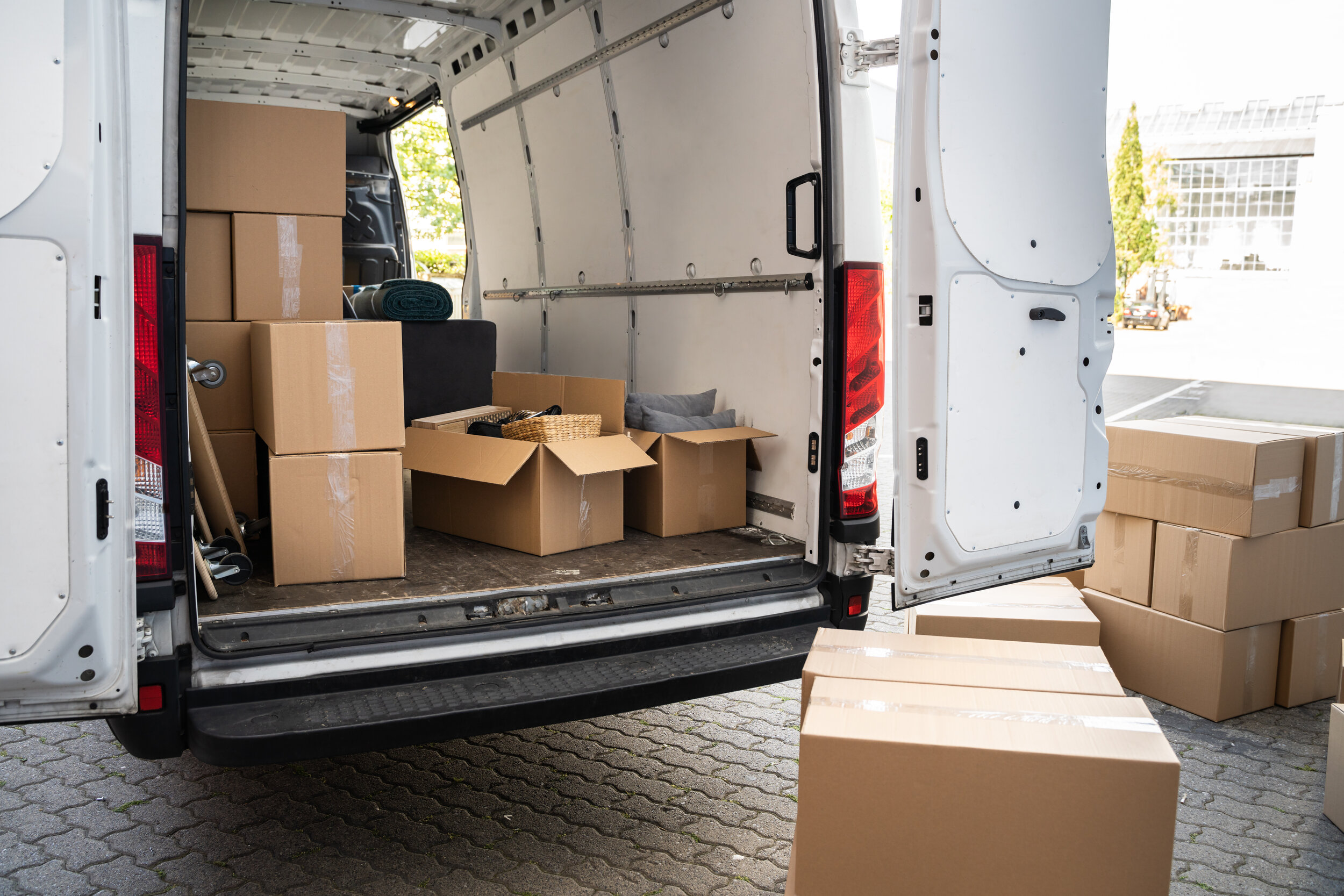
Office transfers typically involve fixtures such as cabinets, tables, chairs, and alongside computer equipment, among other bulky things. For this reason, it’s best to seek the help of professionals like the Suddath office movers to transport these business assets safely and on time.

When hiring a moving company, it’s best to ask for referrals from other businesses to get the services of a reputable contractor. You may also check online resources to locate and review firms within your locality. 

Apart from customer reviews, find out how the company carries out its business. Ask for the contact number of one of its former clients and get in touch with the said person to ask for a general impression of the company based on how their transaction with the business went through.

When you’re done choosing, contact the company so they can send a representative to show up in your office and conduct an assessment on estimated costs. 

9. Preparing For The Big Move 

One or two days before the big move, you may need to impose the following on all the employees involved. 

  • Prepare each room by placing the assigned color to each department and placing the names of members supposed to occupy the area. 

  • Check whether all the equipment, furniture, and fixtures are secured and locked. 

  • Remind the staff to take only the items needed in the new office. For instance, they should be taking home some of the personal stuff they’ve accumulated over the years. 

  • Assign one person to oversee the whole department’s transfer and unpacking process.

  • Decide who needs to accompany the truck, who stays until the moving process has finished, and who gets to unpack their items first. 

  • Make the move more organized by assigning numbers to each department in order of packing and unpacking priorities. 

  • Orient your staff as to the actual transfer procedures to avoid confusion and unnecessary delays. 

  • Make sure each staff knows their responsibilities before, during, and after the move to allow for a smoother relocation process. 

10. Making The Big Move 

With adequate time for preparation and with the cooperation of all of those involved in the relocation, expect to have a smooth relocation process. And with these additional tips, you can help the team to have a smooth transition process as the transfer date arrives. 

  • Have the telecommunications equipment such as telephone lines and computers, installed first. 

  • Review the correct placement of color assigned unpacking schedules and information for each team. 

  • Designate one or two persons to answer all questions and concerns about the office move. 

  • Have a printed copy of emergency numbers and hotlines posted on conspicuous areas in your office premises in case anyone needs it. 

  • Keep the employees comfortable by turning on the basic utilities such as electricity for the air conditioning units. 

  • If you can, allocate a small budget for staff’s lunch or snacks. Include the moving company employees in the allocation. 

Additionally, you can ask your communication team to announce the move in your social media accounts and through a press release aimed at targeting newspaper readers. Make sure to get the word out to the greatest number of people. 

11. A Day After The Relocation 

You can now feel relieved as your office move is now finished. However, the work is just getting started and you need to return your business operations to normalcy. Having these things done in your new address can help your business move at full pace once again. 

  • Set up all communication equipment such as computers and telephones so that everyone can start with their work. 

  • Ensure that all employees have access codes or security tags to access the office premises without any hitch. 

  • Update the list of emergency contacts. 

  • Inform the staff of any changes in the telephone numbers and make sure they know the new office’s complete address. 

  • Check whether all items are in tiptop shape and that there were no damages incurred during the transfer.

  • In case of physical damage, report to the moving company right away along with the evidence. 

  • Update your website and other online accounts regarding the transfer. 

  • Make sure all the letters, bills, and documents are forwarded to your new business address. 

  • As an option, arrange a housewarming party in your new office. 
AdobeStock_52075870.jpeg

Final Thoughts 

As a well-thought-out undertaking, preparation is key to a successful office transfer. It takes months to prepare to move to a new office space. And it’s not just selecting the most ideal commercial location, closing your current rental agreements, reviewing the new ones, and organizing the actual transfer itself. There’s a lot to do, and you shouldn’t hesitate getting professional help.

Nonetheless, it doesn’t mean that this is all impossible to do on your own. If you follow this simple guide, you can make your office relocation faster, smoother, and even less expensive. If given enough time to prepare and with the proper support from all the teams, you don’t need to fear having trouble transferring to your new office.

Roof Maintenance Tips You Should Know To Avoid Costly Repairs

The best way to avoid costly repairs on your roof is by performing routine maintenance. Routine maintenance can be done with no more than a bucket and some rags. Routinely inspecting the surface of your roof for signs of wear will help you identify problems before they become large issues that require an expensive repair job.

Keep Your Roof Clean And Free Of Debris

Dirt creates an insulating layer that traps the heat in, which can cause rotting on shingles or concrete tiles and prevent water from saturation. Avoid walking across a wet roof surface since any weight applied to this area could damage the integrity of the roof if it is not structurally sound enough to bear said weight. Check out this review from this roofing specialist that will offer you the best roofing services as well as advice you on the best roofing to install on your roof. They also offer roof maintenance if needed, like disposing of tree branches by removing them from overhanging gutters so they don't block rainwater drainage channels and lead to ice dams during winter months.

Inspect The Condition Of Shingles Every Year

Rooftop shingles are prone to wear and tear, which means that sometimes you will have to replace them before they become a problem. Inspect the condition of your roof during a sunny day, preferably on an overcast day or in winter. If there is any damage at all, even minor cracks in the granules then it's time for new shingles.

Clean Gutters Regularly 

Clean gutters regularly to avoid clogging that can lead to water damage. Don't allow your gutters and downspouts to overflow in heavy rains or during snow melting periods, as this could cause flooding inside the home which will result in costly repairs. Check for any tree branches that may be preventing proper drainage from occurring and trim them away if necessary. Inspect your rooftop's condition at least once a year for signs of wear due to age, heat expansion/contraction, normal wear & tear, and other factors such as soiling by acid rain or pollution. If any problems are found, they should be corrected or the roof may need to be replaced.

Check For Any Loose Or Damaged Tiles 

Even just one missing tile can cause leaks and other problems over time. It is recommended that at least once a year you check your roof to make sure it's safe from anything like this happening before it becomes an expensive issue.

Fix Any Flashing 

Flashings are a form of roofing that protects from the elements. Repair any damages to your roof as soon as possible before they become worse and more costly to fix in the future.

In addition to this, patch them up with flashing as soon as they develop problems. You should also use caulking to seal or fill in any gaps around vents, chimneys, windows, and skylights.

Repair Broken Or Cracked Chimney Caps 

If you have a cracked or broken chimney cap, make sure to repair it as soon as possible. It may seem like this is an issue that can wait until next winter but the truth of the matter is, if your roof has water damage, then your fireplace will be in jeopardy too. Repairing these things now before they become major issues will save money on future repairs and will keep your home safe.

Inspect your roof yearly for any signs of wear, damage, or leaks. If you see evidence of a leak, call an expert right away to prevent major water damage and costly repairs later on down the road. It's important to get an inspection before replacing your roof so that it can be done with precision rather than guessing as to where there might be hidden problems lurking in other areas around the house.

If you are thinking about hiring a professional to take care of your roof, here are some tips. The most important thing is that the person who takes care of your roof should be qualified and have experience in this field. You can also do these things yourself, but it may cost more money down the road if something goes wrong later on because you didn’t know what you were doing when repairing or cleaning up after a storm. Keep an eye out for any loose tiles (or anything else) that might need a repair job done soon so they don't lead to bigger problems. No matter how much knowledge one has about roofs, there will always be surprises that come with old age as well as weather conditions.