7 Things to Do in Your 30s to Protect Your 50s and Beyond

When in your 30s, you're more energetic, have fewer responsibilities, and life seems full of endless possibilities. But beyond the horizon is your 50s, a decade that can be difficult to plan for if you haven't taken care of yourself now.

Probably you're at your best physically, healthwise, and economically. However, all this can drastically change as you grow older. Here are some things to do in your 30s so you'll be able to protect your 50s and beyond

Start Saving for Retirement as Soon as Possible

It's never too early to start saving for retirement, and if you've been putting it off so far, start now. Sock away as much cash as you possibly can in a tax-deferred retirement scheme; contributions to 401(k)s and IRAs are tax-deductible, and there are numerous employer matches to take advantage of in your 30s.

You must have a life-long income stream. It will help you sleep better at night, knowing that you have a plan for your retirement. If you're not sure of where to start, check out https://www.accuplan.net/company-info/. Your sunset years should be full of fun and activities you've always dreamed of, such as cruises and happy family time, not taking up part-time jobs to pay the bills.

Get The Most Out of Employer Benefits

You gain more experience in your 30s and 40s than at any other time in your life. Probably you have multiple chances and great opportunities to advance within companies and enjoy company perks. If you're married, have kids, or own a home, you may be able to enroll in your employer's health care program. It can save you thousands of dollars a year in premiums later on. 

Keep Your Credit Score High

You can keep your credit score high by paying off debts and not taking on too much new debt. It's never too early to start cleaning up credit report mistakes. And if you're getting married, make sure to check your spouse's credit report before the big day. 

In your 30s, the urge to live a posh lifestyle, maintain a particular class, or impress peers can be overwhelming, leading to accumulated debt. Live within your means, and make sure to think about your retirement years critically.

How Much Life Cover Do You Have?

A term-life policy is cheap and easy to get in your 30s. This is because your whole life is before you; it makes economic sense for insurance companies to price premiums low at this age. The longer you delay the exercise, the more you'll pay in terms of premiums.  It's always reassuring knowing that your family is well taken care of even when the unfortunate happens. 

Pay Attention to Your Mental Health

Take care of yourself so you can be healthy and happy now and in the future. That means taking steps to stay mentally fit and adopting healthy habits. While you can't predict the future, being proactive and educated in your 30s about mental health can reduce surprises later down the road.

Understand the behaviors and lifestyle choices that can affect your mental health now and in your old age. Adopt positivity, make meaningful friendships and avoid toxic environments. Otherwise, you may be at risk for developing mental health problems or experiencing a decline in your well-being as you age. Further, you might need a support system or professional help from memory care facilities to navigate through any mental health challenges that arise.

Take Care of Your Physical Health

What you eat, how much you move, the stress levels in your life, and all that comes with physical health will impact mental health. Your 30s are an excellent time to get in shape. If you eat right, exercise regularly, and stay physically fit, it'll not only improve your quality of life but your memory as well.

Starting an exercise regime when you're younger and full of energy will keep some lifestyle diseases away, enabling you to live independently and lead to a healthier and more fulfilling old age. You're also more likely to carry on with the routine all your life. You'll be more flexible, mentally fit and be able to lead an active lifestyle for longer.

Cultivate Meaningful Friendships

In your 30s and 40s, you'll meet all manner of people, and it's at this stage you decide which type of friends you want to keep. However, as you grow older, you're more likely to keep to yourself and concentrate on your hobbies, interests, and family. Create time to meet new people, go out more often, and try new things. The relationships you build in your younger years will make life in your 50s more fulfilling.

In conclusion, your future is still bright, and you have the power to protect it. It's never too early or late to think about your long-term health, wealth, and happiness. Start protecting your interests when you still have control and more choices. 

Taking Care of Yourself When Training for a Marathon

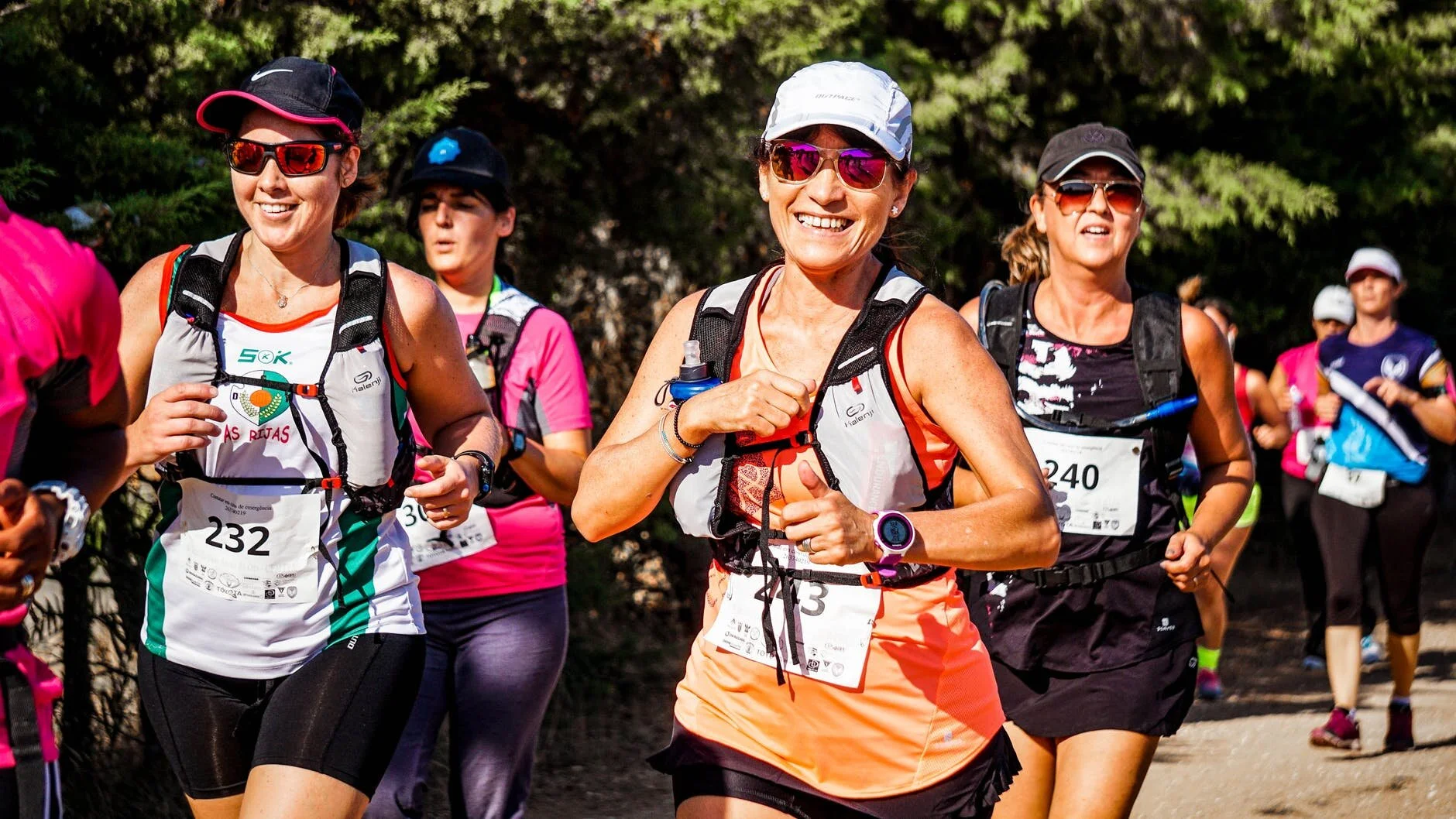
Training for a marathon is a tough job. Even if you're a regular runner, it's a long distance that for many people is the ultimate race to take on. When you usually run races that are perhaps more like 5k or 10k distances, signing yourself up for a marathon can be pretty daunting. You need to have a good training program in place and make sure you're pushing yourself to get where you need to be. However, at the same time, you need to take care of yourself. If you're not fit and healthy, making it through a marathon is going to be difficult. Here's what you should do to look after yourself while you're training.

Don't Ignore Injuries

You know that they say "no pain, no gain" and a little bit of pain may not be much to worry about. You can expect to get blisters or aching legs during your training. However, pain isn't always something that you should push past. If you're injured, you need to address it, whether it's by resting for a few days or visiting a specialist like Texas Orthopedics for treatment. Continuing to run when you're injured could make it worse and rule you out of the race completely. Even if you're recovering, there are other ways to keep up your training.

Eat Right

Good nutrition is vital if you want to train for a marathon successfully. There's no harm in indulging in your favorite fast foods now and then, but a consistently healthy diet is important to give you the fuel that you need. Make sure you're getting enough calories and that you're fuelling your body with the right nutrients. As for hydration, it's important to stay hydrated but don't force yourself to drink when you're not thirsty. Overhydration is a risk too, so be sure to hydrate but not too much.

Avoid Overtraining

You need to be able to push yourself when you're training for a marathon but you also need to know when to stop. Resting is just as important as training hard and getting the balance right is a must if you want to avoid injury or just not having the energy to carry out. You need to take some time to rest, pamper yourself, and allow your body to recover in between training sessions. If you're feeling tired and unmotivated, it might even be a good idea to rest for a week or two.

Get Yourself the Right Gear

In the past, you might have run with a generic pair of shoes and basic workout clothes. But if you're getting ready for a marathon, it's worth it to treat yourself to something a bit more special. A good pair of shoes will protect your feet when you're training and when marathon day arrives. The right workout clothes will help you to deal with sweat, chafing, and other problems that can arise.

Take care of yourself when you're training for a marathon if you want to be prepared for the race when the big day arrives.

The Mental Health Benefits of Exercise

Exercises for Your Body and Mind

Sure, most of us choose to exercise because of all the health benefits it brings to our bodies. But nowadays, northern fitness gyms have noted that most of the people who subscribed to their memberships have other reasons for doing this.

Mental health awareness has become such a hot topic these days, because of the consequences the lockdown had on us. Being isolated and keeping social distancing was not an easy thing to do and our lives suddenly changed. We found ourselves feeling lonely and self-aware, and this is something that needed to be fixed. If you are struggling and need immediate support, consider reaching out to an anxiety hotline for help.

Luckily for us, physical exercises mean more than just running around and lifting heavy things. Exercise is not just about endurance and stamina; it is so much more than that! Of course, exercise improves your overall body health, but that’s not the main reason why people choose to keep doing it.

Working out regularly has so many benefits on your body! At first, you will start feeling more energetic, your body will begin to flush out toxins and you will also experience better sleep. But one of the most popular reasons why people keep track of their physical activities is the rewarding feeling that exercising gives you.

Studies have shown that having a regular workout routine has an enormous impact on mental challenges such as depression or anxiety. Working from home has turned out to be an incredibly stressful experience. The working hours have increased, and people do not have the capacity of differentiating the work environment from their own home which results in an increased stress level and anxiety.

In fact, exercise has been shown to be an effective treatment for treatment-resistant depression. This usually means that antidepressants and other typical medications don’t work on a certain patient. To help these patients cope with their depression, they’re often prescribed alternatives or are offered different forms of therapy. Exercise is just one of the many safe and natural treatment options that can make a huge impact on your mental health. You’ll also find products like nasal sprays that are showing a lot of promise in combating treatment-resistant depression.

More and more people have decided to start working out for these particular reasons. The best part is that you do not have to be a professional trainer to benefit from working out. You can feel all the positive effects that working out has on your mind even after the first sessions of going to the gym.

No matter your age or your stamina, working out is a powerful boost that can be used to cure depression and anxiety and to enjoy life more. Research has demonstrated that exercising can boost neural growth and reduce inflammation in the human body. It also has a calming effect on our brain because most of the time, it acts as a distraction, and it makes you feel fulfilled with your achievements.

As we mentioned before, working out does not have to be intense for you to benefit. Even a 30 minutes’ walk can count as an exercise and can have the same effects as a 2-hour workout on your mind. We all must start somewhere, and it is known that making the first step is harder than continuing the whole journey.

Exercise can relieve tension that builds up through the day, from exhausting meeting with your boss to have a nagging employee, all these things harm your mind. Left unsolved, they can even result in more serious disorders.

Moreover, working out has positive effects on the way you are thinking, too. When we talk about exercising, we tend to forget about all the chemical processes that take place inside the brain. The brain releases a lot of chemicals that help you stay focused during your workout and, in the long run, these chemicals stimulate neural growth, too, thus preventing age-related affections!

Of course, one of the main reasons why people cannot stop exercising is the higher self-esteem they feel. Being fit can make you feel better about the way you look, increasing your sense of self-worth, too!

Getting tired from working out means you will benefit from better sleep, too! Muscles need melatonin to develop and grow, and that whole process happens during sleep. Also, by having a better sleep routine you will find yourself to be more energized.

Having a regular exercise routine means that in time your stamina will start growing. You will have better endurance, a stronger immune system, and a healthier lifestyle. This means you will not get easily tired, your body will be able to cope with the disease, and you would not be experiencing side effects from common health problems like vascular disease or diabetes.

All in all, having a healthier lifestyle means having a regular exercise routine. If you are the type of person that gets easily bored, then maybe working out and having an active lifestyle will benefit you even more! Remember: stay safe, stay healthy and let your mind wander about the unknown!