Why Open House Events Are Making a Comeback in 2025
The real estate industry is known for its cycles. Trends fade and resurface, technologies transform the landscape, and yet, certain traditions never completely disappear. Open house events are one such tradition. After years where digital marketing, 3D tours, and private showings seemed to replace the need for public walkthroughs, 2025 has brought a surprising revival: open houses are back in style.
Buyers, sellers, and agents alike are finding fresh reasons to embrace this practice. From fostering genuine connections to creating competitive urgency, open houses are regaining their position as one of the most effective tools in a seller’s strategy.
The Rise, Fall, and Revival of the Open House
Open houses have long been a hallmark of real estate. For decades, they offered potential buyers a chance to casually step inside, explore, and imagine their lives in a new home. Sellers appreciated the foot traffic, and agents valued the opportunity to meet prospective clients.
However, by the late 2010s and into the 2020s, open houses lost some of their shine. Virtual tours and digital listings gave buyers the ability to evaluate properties from the comfort of their phones. Health concerns during the pandemic further reduced in-person traffic. Many predicted that open houses were destined to fade away, replaced entirely by online experiences.
Yet, just like vinyl records in music or bookstores in retail, the open house has resurfaced. In 2025, it’s no longer just a nostalgic practice but a practical and even innovative approach to selling homes quickly and effectively.
Why Buyers Are Returning to In-Person Experiences
The digital revolution in real estate has given buyers powerful tools. They can filter listings by price, neighborhood, square footage, and amenities. They can zoom through 3D tours and scroll through professional photography. But no matter how advanced these tools become, there’s still one thing they can’t replicate: the feeling of being in a home.
When buyers step inside, they notice the natural light, the flow of the rooms, and the subtle details that photos rarely capture. They hear neighborhood sounds, sense the atmosphere, and often form emotional connections that simply don’t happen on a screen.
In 2025, buyers are craving more of these tangible experiences. With so many homes competing for attention online, an open house provides something refreshing: authenticity.
Open Houses as a Social Event
Another factor fueling the comeback is the social nature of open houses. They are no longer just about walking through a property they’ve become small community gatherings. Agents often stage them with refreshments, local vendor partnerships, or themed decor that makes the event memorable.
Buyers enjoy attending not just to see homes but also to feel connected to the local community. Sellers benefit because the more people who walk through the door, the higher the chance of serious interest. Even casual attendees may talk about the property afterward, creating word-of-mouth buzz.
In a time where human connection has been increasingly valued after years of digital dependency, open houses fit perfectly into the cultural moment.
Creating Competition and Urgency
One of the most overlooked benefits of open houses is how they foster competition. When potential buyers see others touring the same property, it adds a sense of urgency. Instead of lingering on decisions, they realize that hesitation could mean losing out.
This subtle pressure can encourage faster offers, sometimes above asking price. Sellers and agents recognize this dynamic and are using open houses to create momentum in ways that private showings rarely accomplish.
Technology Is Enhancing the Open House, Not Replacing It
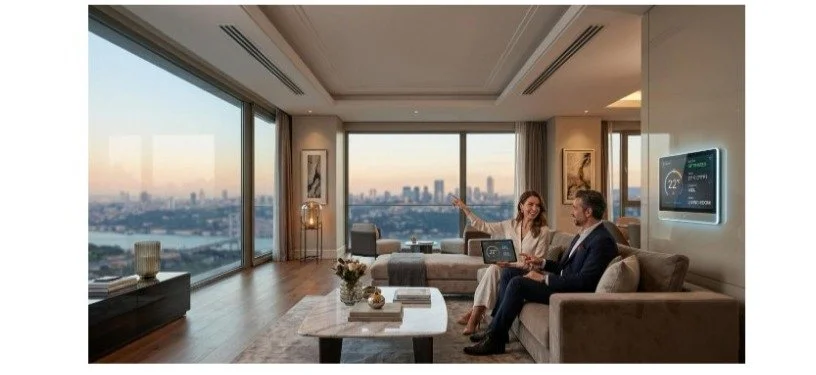
Interestingly, the very technologies that once threatened open houses are now helping them thrive. In 2025, agents use QR codes for digital brochures, virtual staging apps to show design possibilities, and social media livestreams to capture audiences who couldn’t attend in person.
Instead of replacing open houses, technology has enhanced them. Buyers can interact in real time, get their questions answered on the spot, and still follow up with additional digital resources afterward. The blend of in-person charm and digital convenience makes the modern open house more effective than ever.
Sellers Reaping the Benefits
For sellers, the comeback of open houses is a welcome development. These events provide maximum exposure in a short amount of time. Instead of coordinating multiple private showings, a single open house can bring dozens of potential buyers through the door in just a few hours.
This concentrated activity often translates into faster offers and less time on the market. For homeowners who are focused on selling home fast, the efficiency of an open house is hard to beat. By creating excitement and energy around a property, sellers improve their chances of getting strong offers quickly.
Building Trust Through Transparency
Another reason open houses are returning is the trust factor. Buyers often feel more comfortable when they can explore a property freely, without the pressure of a private showing. They can look at details, take their time, and compare impressions with family members on the spot.
For sellers, this transparency works in their favor. A well-staged and well-maintained home showcased in an open setting signals confidence. Buyers leave with fewer doubts, making them more willing to commit.
The Role of Real Estate Agents in 2025
Agents have also adapted their strategies to embrace the open house renaissance. In 2025, these events are not just about unlocking the front door and waiting. Agents prepare marketing campaigns around them, promoting through social media, email newsletters, and even neighborhood flyers.
On the day of the event, agents act as hosts, answering questions, highlighting unique features, and building rapport with visitors. This personal interaction builds trust, often leading to repeat clients even if the visitors don’t buy that specific home. For agents, the return of open houses means an expanded opportunity to showcase expertise and personality.
Open Houses in Competitive Markets
In particularly competitive real estate markets, open houses provide a strategic edge. With inventory levels fluctuating in 2025, some cities are experiencing bidding wars while others remain more balanced. In both cases, open houses help sellers position their properties advantageously.
In hot markets, they amplify urgency and drive multiple offers. In slower markets, they increase exposure and give a property a fighting chance to stand out. No matter the condition, the flexibility of the open house makes it a valuable tool.
Why 2025 Is the Perfect Year for the Comeback
The timing of this comeback isn’t coincidental. Several cultural and economic factors have aligned to make open houses attractive again.
First, after years of limited gatherings, people are eager for community-based activities. Open houses offer both utility and social value. Second, interest rates and affordability concerns are pushing buyers to be more selective, making firsthand impressions more important than ever. Third, the hybrid integration of technology has modernized open houses, allowing them to appeal to younger, tech-savvy buyers without losing the traditional benefits.
The result is a renewed confidence in this age-old practice, updated for the realities of 2025.
Conclusion: The Open House Is Here to Stay
What was once considered outdated has proven to be timeless. Open houses in 2025 are no longer just about tradition they’re about blending the human touch with modern convenience. They offer buyers authenticity, sellers efficiency, and agents valuable exposure.
As the real estate market continues to evolve, open houses will remain a central part of the playbook for selling homes quickly and effectively. Their comeback is a reminder that while technology changes the way we buy and sell, nothing can replace the power of walking through a home, imagining a future within its walls, and feeling the energy of competition in the air.
For anyone preparing to sell in 2025, the message is clear: don’t overlook the value of an open house. It may just be the fastest, most effective way to turn curiosity into commitment and a listing into a sale.