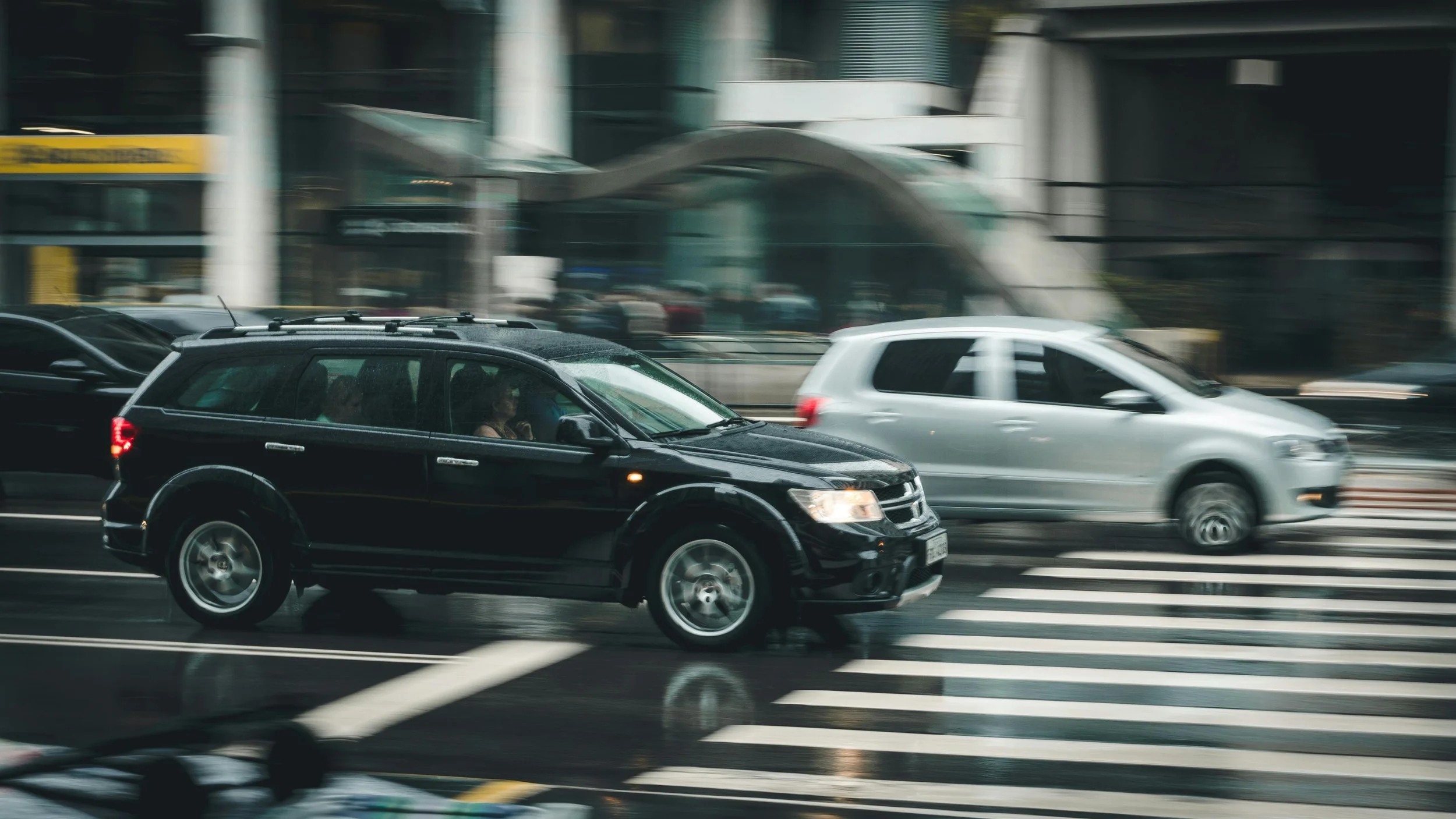
Why Hit-and-Run Accidents Are Rising Nationwide
Hit-and-run accidents are surging across the United States, with incident rates increasing by nearly 25% over the past decade despite overall improvements in vehicle safety technology and law enforcement capabilities. This troubling trend affects thousands of families annually who face both physical trauma and the additional stress of unknown perpetrators.
Beyond simple statistics, the rising numbers reflect complex social, economic, and enforcement issues that make fleeing accident scenes seem like viable options to drivers who should be taking responsibility for their actions. Understanding these underlying factors helps explain why traditional enforcement approaches haven't stemmed the increase.
The surge of hit-and-run accidents creates enormous challenges for victims, families, and law enforcement agencies who must investigate cases with limited evidence while supporting victims through both medical recovery and legal uncertainty. Addressing this trend requires understanding why drivers choose to flee and how detection and accountability systems can be improved.
Factors Driving the Increase in Hit-and-Runs
Unlicensed and uninsured drivers represent a growing population who flee accident scenes because they fear immigration consequences, license suspensions, or financial responsibility for damages they can't afford. These drivers view fleeing as less risky than facing legal consequences they believe will be devastating.
Impaired driving incidents often become hit-and-runs when drivers realize that staying at the scene will result in DUI charges that carry mandatory jail time and license suspensions. These drivers calculate that fleeing gives them time to sober up and claim ignorance about the accident.
Stolen vehicle operations contribute to hit-and-run increases as criminals using stolen cars have obvious incentives to flee accident scenes rather than face arrest for auto theft. These incidents often involve high speeds and reckless driving that cause severe injuries to innocent victims.
Economic pressures lead some drivers to flee when they realize they can't afford insurance deductibles, medical bills, or vehicle repairs that would result from taking responsibility for accidents. The immediate fear of financial ruin overrides moral obligations to help injured victims.
The Role of Enforcement and Detection Gaps
Limited police resources mean that many hit-and-run cases receive minimal investigation beyond initial reports, creating perceptions that fleeing drivers are unlikely to face consequences. Overworked detectives often prioritize cases with better evidence or more serious injuries, leaving many incidents unsolved.
Traffic camera coverage remains sparse in many areas, particularly on residential streets and rural roads where many hit-and-runs occur. Without video evidence, investigators struggle to identify suspect vehicles from witness descriptions that are often incomplete or inaccurate.
Delayed reporting allows hit-and-run drivers time to hide or repair their vehicles before police can locate them, eliminating crucial physical evidence that could prove their involvement. Some drivers use this time to dispose of damaged vehicles or claim that damage occurred through other means.
Interstate coordination challenges arise when hit-and-run drivers flee across state lines, creating jurisdictional complications that slow investigations and reduce arrest probabilities. These cases require cooperation between multiple agencies that may have different priorities and resources.
Psychological Reasons Drivers Flee
Panic responses in the immediate aftermath of accidents can override rational decision-making as drivers experience fight-or-flight reactions that make fleeing seem like the only option. These stress responses prevent clear thinking about legal obligations and moral responsibilities to victims.
Denial and minimization allow drivers to convince themselves that accidents weren't serious or that victims aren't badly injured, making fleeing seem less morally objectionable. This psychological self-protection enables drivers to avoid confronting the full consequences of their actions.
Fear of consequences becomes overwhelming when drivers imagine worst-case scenarios involving criminal charges, civil lawsuits, and financial ruin that make fleeing appear to be their only hope for avoiding devastating consequences. These fears often exceed the actual legal risks they would face.
Social media influence and news coverage of harsh penalties for traffic accidents can create exaggerated fears about legal consequences that make fleeing seem rational to drivers who overestimate the risks of staying at accident scenes.
Impact on Victims and Families
Medical complications increase when hit-and-run victims don't receive immediate assistance from drivers who could provide crucial information about how accidents occurred and what injuries might have resulted. This delay can worsen outcomes for seriously injured victims.
Financial burdens multiply when victims must pay for their own medical care and vehicle repairs while dealing with insurance companies that treat hit-and-run claims skeptically. Uninsured motorist coverage helps but often doesn't cover full damages or lost wages.
Emotional trauma from hit-and-runs often exceeds that from regular accidents because victims feel abandoned and devalued by drivers who fled rather than offering help. This psychological impact can persist long after physical injuries heal.
Legal uncertainty creates ongoing stress as victims wonder whether perpetrators will ever be caught and held accountable for their actions. The lack of closure can interfere with emotional recovery and create lasting anxiety about driving and pedestrian activities.
Conclusion
The rising hit-and-run trend reflects complex social problems that require comprehensive solutions beyond traditional law enforcement approaches. Economic inequality, immigration fears, and inadequate insurance coverage create conditions where fleeing seems rational to desperate drivers.
Addressing this increase requires improved detection technology, better witness reporting systems, and social programs that address the underlying factors that make drivers choose to flee. Enhanced penalties alone won't solve problems rooted in fear and economic desperation.
Tackling the rise means implementing better prevention and accountability measures while addressing the social conditions that make fleeing attractive to drivers who should be taking responsibility for their actions. Communities that invest in comprehensive approaches see better results than those relying solely on punishment after the fact.