The Long-Term Impact Frozen Pipes Can Have on a Home’s Plumbing Infrastructure
The cold winter months can be harsh, leading to a number of challenges for homeowners. One of the most critical issues arises from frozen pipes, which can wreak havoc on a home’s plumbing system. When temperatures drop, water inside pipes can freeze, expanding and increasing pressure against the pipe walls.
This pressure can lead to cracks, leaks, and in severe cases, pipe bursts. The aftermath can be extensive, involving costly repairs, water damage, and disruptions to your daily life. Understanding these long-term impacts is key for homeowners to mitigate risks and ensure their plumbing remains in good condition.
The Mechanics of Frozen Pipes
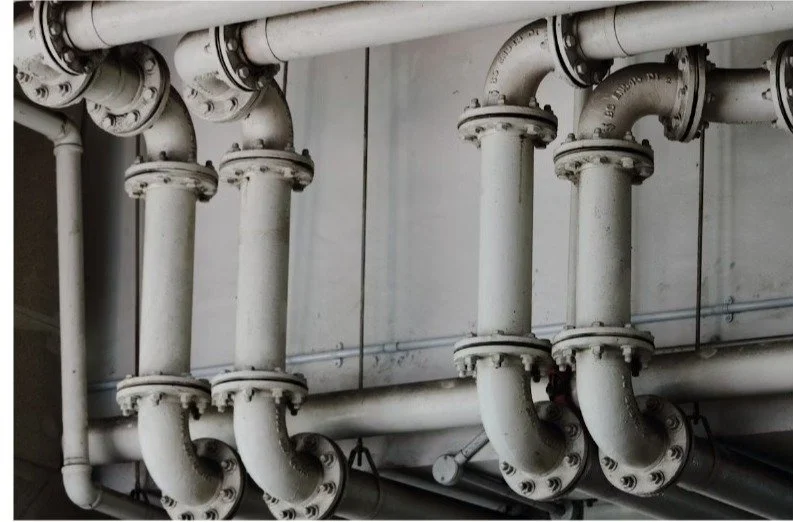
When water freezes, it expands by about 9%. This expansion puts immense pressure on pipes that are unable to handle it if they are made from materials such as copper or PVC. The most vulnerable pipes are often located in unheated areas, such as basements, attics, or exterior walls. During a deep freeze, these areas can become extremely cold, leading to conditions where pipes are likely to freeze. Older plumbing systems might be more susceptible to freeze-related issues. Wear and tear can compromise the integrity of the pipes, making it more likely for them to crack under pressure.
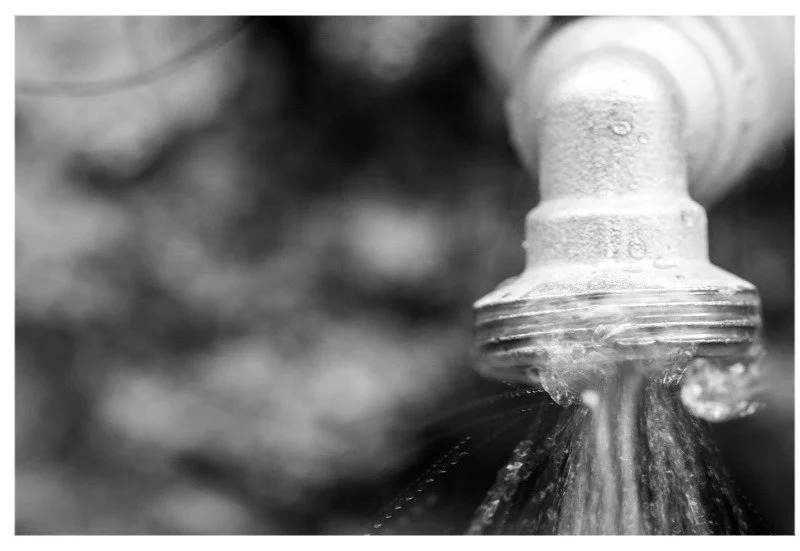
This concept highlights how addressing plumbing issues early can extend the longevity of a home’s plumbing infrastructure. Homeowners should take into account preventive measures to avoid frost altogether. Insulating pipes in at-risk areas and maintaining a steady heat in colder parts of the home can significantly lower the risks associated with freezing. To prevent your pipes from freezing, it is advisable to allow faucets to drip during extreme cold snaps. A small flow of water can help keep the pipes moving, reducing the risk of complete freezing. Homeowners should be aware of the weather changes and take preventive actions before cold spells hit.
Sealing cracks and openings around doors, windows, and the home’s foundation can help keep cold air from reaching vulnerable pipes. Installing heat tape or heating cables on exposed plumbing is another effective method to maintain water flow in frigid conditions. For seasonal properties, draining the plumbing system before winter can prevent residual water from freezing inside the pipes. In regions prone to prolonged freezing temperatures, homeowners may benefit from upgrading to freeze-resistant piping materials.
Immediate Consequences of Frozen Pipes
Once a pipe freezes, the immediate impact is an interruption in the water supply. This can be a minor inconvenience, or it may lead to more serious issues if not addressed promptly. If the freeze lasts long enough, the pressure buildup may cause the pipe to burst. A bursting pipe can lead to significant flooding, damaging walls, floors, and personal belongings.
According to the American Society of Home Inspectors, water damage is one of the most common issues faced by homeowners. Insurance claims relating to broken pipes due to freezing can impact one’s insurer record, leading to a potential increase in premiums in the future. Understanding these immediate repercussions is important, as they can inform better decision-making when addressing frost-related plumbing concerns.
In severe cold snaps, multiple pipes in different areas of the home can freeze at once, compounding the problem. The resulting repairs can be costly if professional restoration services are required to handle structural damage. Electrical systems may be at risk if flooding reaches wiring or outlets, creating safety hazards. Frozen pipes in multi-unit buildings can affect several households, spreading the impact beyond just one property. The disruption caused can last for days or even weeks, depending on the extent of the damage and repair timelines.
Long-Term Effects on Plumbing Infrastructure
The long-term consequences of dealing with frozen pipes can be dire. Once a pipe has burst and been repaired, the repaired section might not always match the original material in strength and flexibility. This mismatch could lead to further leaks in those areas, as the repaired pipe becomes a weak point in the plumbing system.
Repeated freezing and thawing can further weaken the pipe's structure, leading to more frequent repairs and replacements. In the aftermath of plumbing issues related to frozen pipes, the entire plumbing system may require an evaluation to ensure that there are no hidden issues, such as leaks or compromised sections.
This can be critical in older homes where plumbing systems may not have been designed to handle such conditions. The expenses associated with ongoing evaluations and repairs can become quite significant. Marking one distinct area for growth in how homeowners manage their plumbing care, education on how freezing impacts systems can encourage the integration of preventative measures to safeguard against recurrence.
Insurance Implications
Insurance can provide a safety net for homeowners, but it is important to understand the specifics of coverage when it comes to issues related to freezing temperatures. Some policies may not cover damage from burst pipes if homeowners are found to have inadequate insulation or heating during the winter months. Having a clear understanding of policy specifics ensures better protection, allowing for proactive steps to be taken to avoid coverage gaps.
Homeowners may find it beneficial to review their insurance premiums for past claims resulting from water damage. Frequent claims can serve as red flags for insurance providers and may impact future policy renewals. A comprehensive grasp of these factors underscores the importance of regular maintenance and preventive care for plumbing systems.
Preventive Maintenance to Avoid Issues
Regular maintenance is key to preventing plumbing failures. Simple actions like inspecting pipes regularly and ensuring that they are adequately insulated can have long-lasting effects. Homeowners should check for signs of wear, such as corrosion or leaks in areas likely to freeze.
During fall months, preparing a home for winter can include draining hoses, shutting off outdoor faucets, and winterizing sprinkler systems. Investing in high-quality insulation for vulnerable pipes may protect against freezing. Using foam sleeves or heat tape can serve as extra layers of defense, particularly for external pipes. By integrating these maintenance strategies into a home’s care routine, homeowners can significantly enhance the lifespan of their plumbing systems and prevent the costly consequences associated with frozen pipes.
The impact of frozen pipes extends far beyond immediate water supply issues. Homeowners face both short-term disruptions and long-term implications for their plumbing infrastructure. Through understanding the potential consequences of frozen pipes and implementing preventive measures, the risks can be effectively managed. By fostering awareness, homeowners can create safer, more resilient plumbing systems that endure the test of time.