The Best At-Home Spa Night Ideas in 2026
Spa nights have quietly become a real category of evening rather than a punchline about face masks and wine. Part of that is arithmetic, since a single treatment at a good New York spa now costs more than several of these ideas take to set up permanently at home, and part of it is that the home versions have finally caught up to the promise.
Apartments complicate the genre, though. Small bathrooms, shared walls and a tub that may not exist rule out half of what spa-night roundups tend to assume, so the seven ideas below are ordered by what they give back rather than how they photograph, starting with the one element that keeps working after the evening ends. Most of them survive a studio.
What Makes an At-Home Spa Night Worth the Evening?
Three things separate a spa night that leaves a mark from one that simply uses up a Friday.
Whether anything lasts past morning
Most spa rituals are atmosphere, and atmosphere is a perfectly good reason to do them. The handful that also change skin or sleep operate on a different timescale, and knowing which category each idea belongs to stops the evening from being judged on the wrong terms the next day.
What your apartment can physically accommodate
Tubs, ventilation and counter space decide more of this than budget does. A long soak is off the table in plenty of New York bathrooms, steam needs somewhere for the moisture to go, and anything demanding a dedicated surface has to win that surface from whatever already occupies it.
How much of it you will repeat
One elaborate evening achieves less than a modest version that runs every other week. Ideas requiring an hour of setup tend to happen twice and then quietly stop, so the ones that fold into a normal night are worth more than their individual effect suggests.
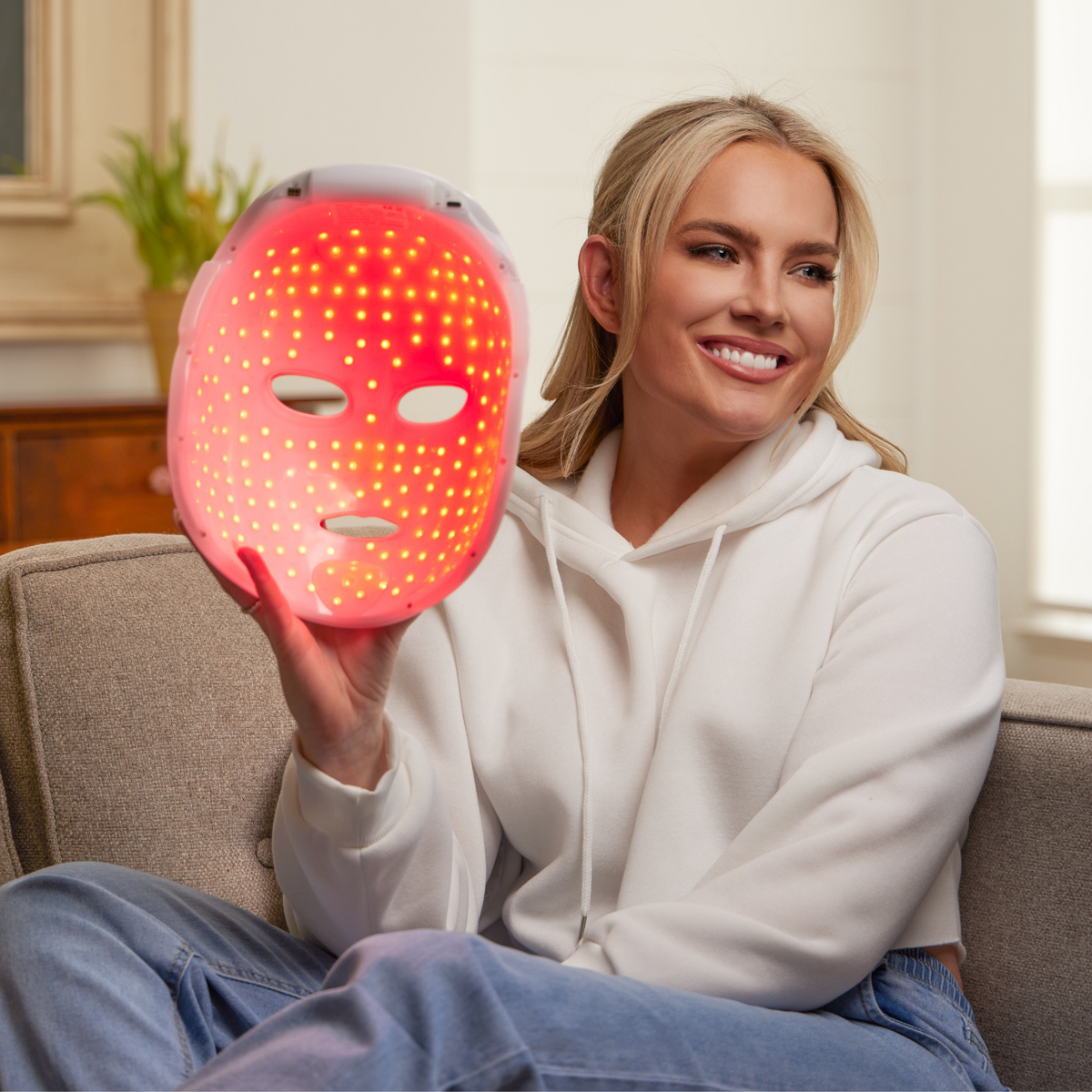
1. An LED Light Therapy Session, the At-Home Spa Night Idea That Compounds
Ending the night with skin that is measurably different, rather than merely relaxed, is what separates light therapy from everything else on this list. A session runs ten to fifteen minutes with nothing applied to the skin first, works on tone, texture, firmness or blemishes depending on the wavelength selected, and asks nothing of you beyond sitting still, which makes it the one spa-night element that doubles as maintenance between evenings.
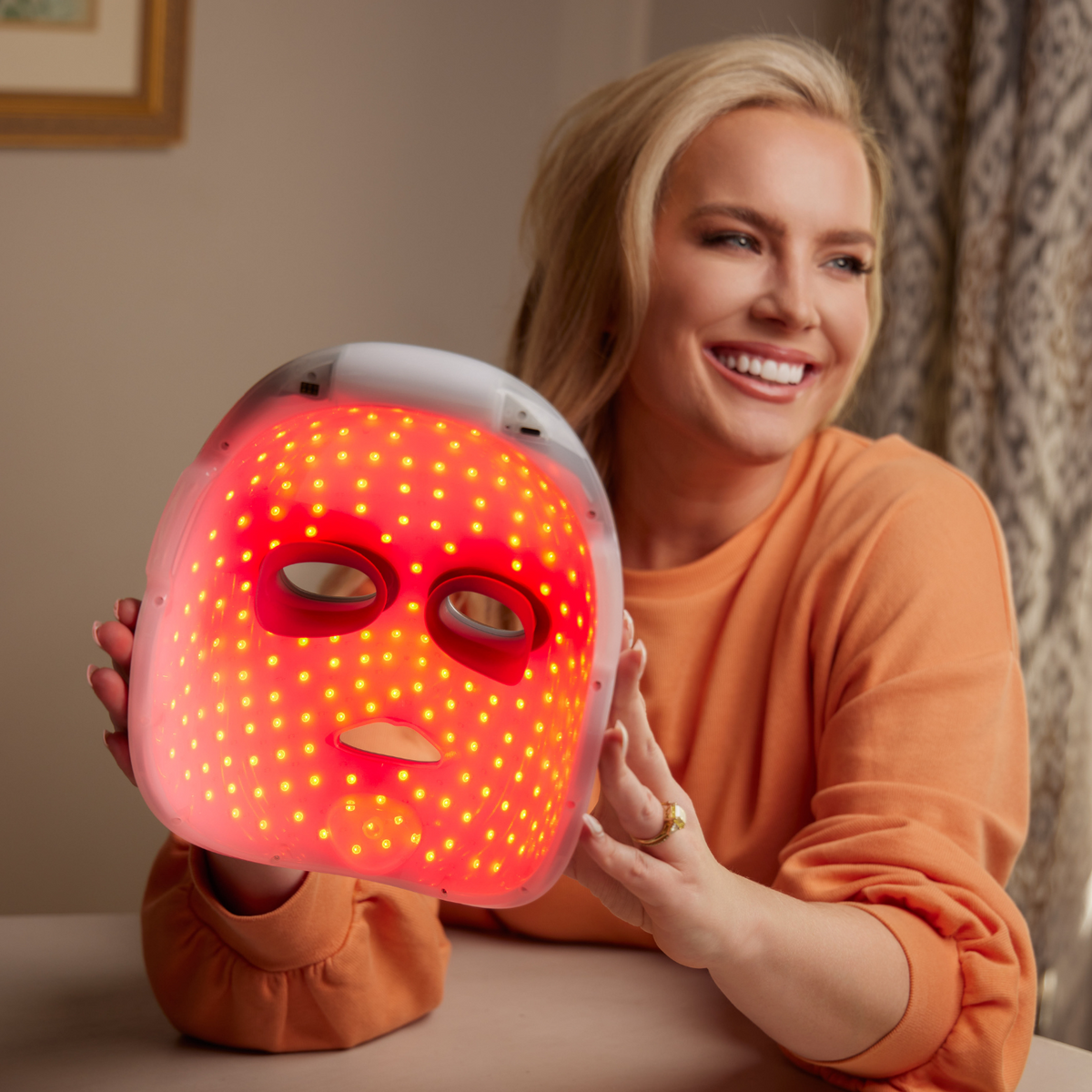
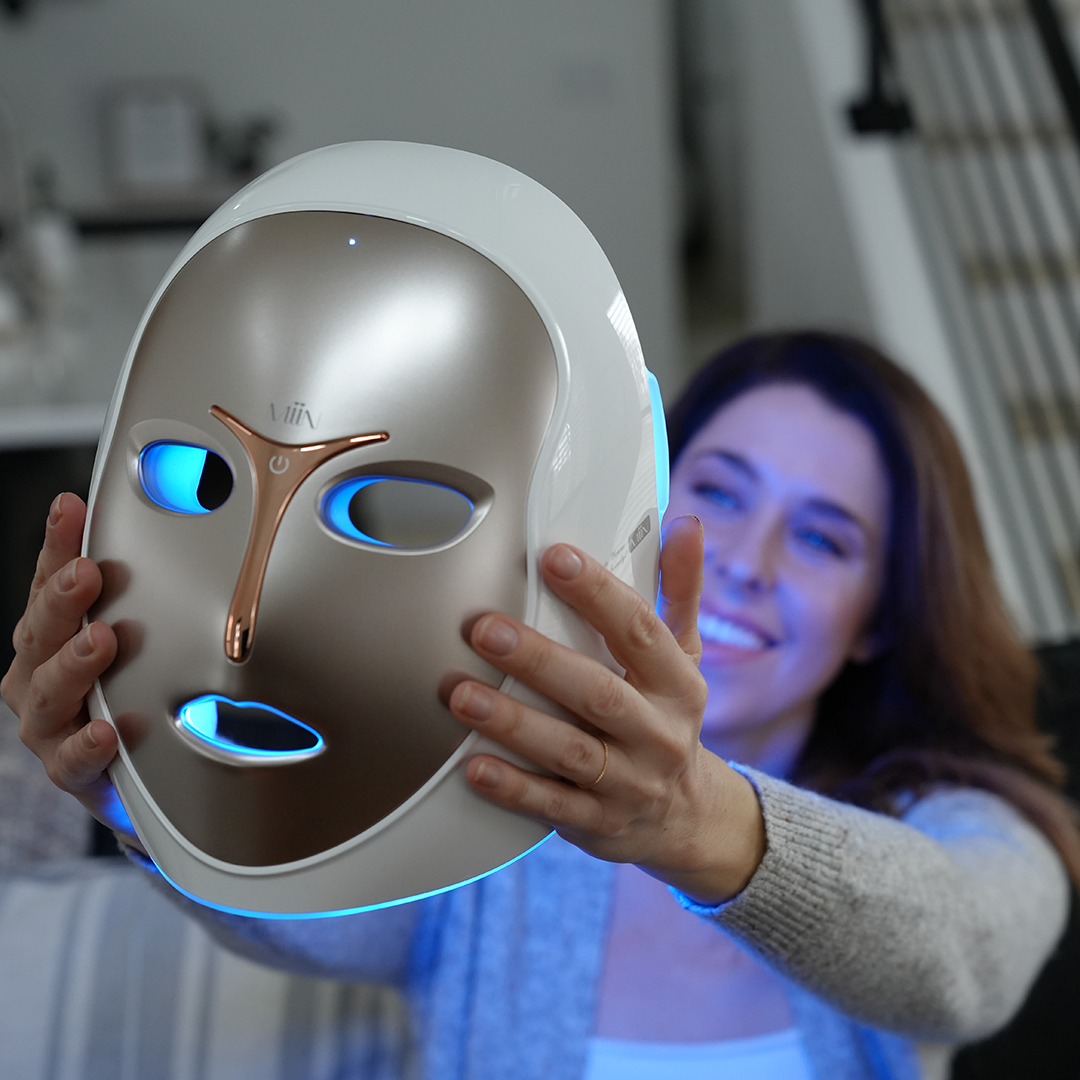
Evidence is why it leads rather than the glow. Photobiomodulation carries a deep published record, with red light around 630 to 660nm linked to collagen support and near-infrared at 850nm reaching deeper tissue, and the numbers a brand is willing to print are what separate a serious device from a novelty. The Artemis light therapy device sits at the professional end of that range, running 720 LEDs across seven wavelengths at a published 45mW/cm², with 16 individually programmable zones so a session can run anti-aging light over the eye area while blue handles the chin. Omnilux publishes a comparable figure at 30mW/cm², while several of the best-known masks publish no irradiance at all, which makes their output impossible to judge from outside. At $2,500 the Artemis is priced as equipment rather than a gadget, which is the honest framing for anyone weighing it against a standing appointment.
Best for: the one element here that still counts for something eight weeks later.
2. A Long Soak, the Most Reliable At-Home Spa Night Idea
Warm water does the heaviest lifting of anything on this list. Twenty minutes raises core temperature and the drop afterward is one of the more dependable sleep cues the body responds to, which is why a bath lands as a sleep intervention as much as a relaxation one. Magnesium salts are the usual addition, and while the evidence for magnesium absorbing meaningfully through skin stays thin, the heat and the enforced stillness are doing real work regardless.
Tubs are the obvious problem in a city built on small bathrooms. A hot foot soak reproduces a surprising share of the temperature effect for anyone without one, and the entire setup costs a bucket.
Best for: sleep, considerably more than skin.
3. Steam, the At-Home Spa Night Step Most People Skip
Steam makes everything that follows it work better, which is exactly why professional facials start there. Warm vapor softens the outer layer, loosens congestion and leaves skin readier to absorb whatever goes on next, and ten minutes is enough. A dedicated facial steamer handles it most efficiently, though a bowl of hot water and a towel has worked for a century and occupies no shelf space at all.
Restraint matters more than equipment here. Overdoing steam dehydrates skin rather than hydrating it, which puts the ceiling at once or twice a week, and anything applied afterward should go on while skin is still damp.
Best for: congestion, and making the rest of the evening count for more.
4. Body Exfoliation, the At-Home Spa Night Idea for Winter Skin
Radiator season is when body skin turns genuinely rough, and exfoliation is the fastest correction available. A sugar or salt scrub in the shower, or dry brushing before it, lifts the dull surface layer off legs and arms and gives moisturizer somewhere useful to go. The difference shows the same night, which almost nothing else here manages.
Frequency is where most people overshoot. Once or twice a week is plenty, and anything beyond that strips the barrier and produces exactly the dryness it was meant to fix, particularly for anyone already contending with building heat.
Best for: dull, rough body skin between October and March.
5. A Scalp Treatment, the At-Home Spa Night Idea for Hair
Scalp care is the part of the spa menu that routinely gets left out at home, and it carries one of the longer payoffs, since hair grows out of skin that most routines treat as an afterthought. An oil or exfoliating treatment left on for twenty minutes while the rest of the evening happens costs nothing in time, and the massage involved stands up perfectly well on its own.
Rinsing is the catch, since oil treatments need a thorough wash afterward, which turns a spa night into a hair-washing night whether that was the plan or not, so this one belongs on an evening when the wash was already happening.
Best for: anyone whose routine currently stops at the hairline.
6. Slow Facial Massage, the At-Home Spa Night Idea for Puffiness
Five minutes of lymphatic massage produces a visible change along the jaw and under the eyes, and it is the only idea here that runs on technique rather than purchase. A gua sha stone from a brand like Mount Lai helps and costs fifteen dollars, though hands do most of the work, and the slowness is part of the point, since the pace is what makes it register as a treatment rather than another task.
Expectations should stay modest, because the effect is fluid moving rather than structure changing, so it fades within hours and the sculpting language attached to it runs well ahead of what is actually happening on the face.
Best for: looking rested tomorrow, for roughly no money.
7. Atmosphere, the At-Home Spa Night Idea That Costs Nothing
Lighting and silence do more than any product on this list and they are free. Overhead lights off, lamps or candles on, phone in another room, something slow playing: the shift in how an evening feels is immediate, and it is the whole difference between doing skincare and having a spa night. Spas spend enormous sums engineering precisely this, and none of it requires their budget.
Phones are the hard part, since the evening collapses the moment one comes back into the room. Leaving it charging somewhere else is a cheap trick that outperforms willpower, and it is also what makes the longer rituals above bearable without something to scroll through.
Best for: everyone, including anyone who does nothing else on this list.
How to Order an At-Home Spa Night
Sequence decides how much of this actually lands. Heat and exfoliation belong before anything you want absorbed, light therapy needs clean dry skin, and the treatments that require rinsing should not strand you in the shower at the end of an evening meant to wind down. A running order that works in a one-bathroom apartment looks like this.
- Scalp oil goes on first, so it sits while everything else happens
- Shower or bathe, exfoliating the body while skin is warm
- Steam the face for five to ten minutes, then pat dry
- Run the LED session on clean dry skin, before any serums
- Serums, moisturizer and everything else go on afterward
- Facial massage last, or the next morning if puffiness is the target
- Lights down and phone away from the start rather than the end
Stress is the variable deciding whether any of it helps, and the evening works better when the week behind it has been managed rather than ignored, along the lines of the approaches in this site's piece on natural remedies for stress relief.
How Often Should You Run an At-Home Spa Night?
Every other week is the realistic answer for the full version. The individual pieces run on their own schedules, with light therapy wanting three or more sessions a week to do anything measurable, exfoliation capped at once or twice, and steam at roughly the same, so the complete evening is a periodic assembly of things that otherwise happen separately.
Recovery evenings also pair well with harder training weeks, and anyone building a new fitness habit tends to find the two reinforce each other, something this site's look at choosing a first group fitness class approaches from the other direction. Treating the spa night as the counterweight rather than the indulgence is usually what makes it stick.
Questions People Ask About At-Home Spa Nights
Is an at-home spa night actually cheaper than booking one?
Over a year, substantially, though the comparison depends on what gets bought. Consumables such as salts and scrubs cost less than a single facial, while a serious device is priced against a year of standing appointments rather than one visit. Running the inexpensive version a few times first is the sensible way to learn which parts you will keep doing.
What should be skipped the night before an event?
Anything new, and anything extractive. Steam, strong exfoliation and first-time products each carry a small risk of a visible reaction, and the night before is the worst available moment to discover it. Hydration, massage and an LED session are the safe three, and the gift and self-care picks in this site's October favorites round-up skew toward that same low-risk end.
Which At-Home Spa Night Idea Should You Start With?
Atmosphere costs nothing and changes the most about how an evening feels, which makes it the obvious first move and the one most people skip straight past on the way to buying something. For the pieces that do need a purchase, a fifteen-dollar gua sha stone and a bag of salts cover the next two steps cheaply enough to find out whether this becomes a habit at all. Light therapy is the one worth treating as equipment rather than an experiment, and worth buying last, once the evening it belongs to already exists.