How We Learn to Take Care of Ourselves
Many people do not grow up with beauty rituals.
Some mothers approach self-care pragmatically at best. Soap and water. Drugstore moisturizers if remembered. The idea of investing time or money in appearance seems vaguely frivolous. Something other people do. Not them.
This dismissiveness gets inherited without question for years. Twenties pass in a blur of minimal effort. Whatever products are cheapest. Whatever routine is fastest. The face in the mirror seems fine and the assumption is that it will stay that way indefinitely.
Then thirty-five arrives. Then forty.
The changes are gradual enough to ignore individually. But collectively they accumulate into something that can no longer be dismissed. The face looking back is still familiar but it tells a different story than it used to.
This is when things get interesting. Not because of panic about aging. But because decisions must actually be made about what to think about all of it. What to do. What feels authentic versus what feels like capitulation to pressures that do not ring true.
The process of figuring this out teaches more about the self than expected.
Renegotiating the Terms
Culture sends contradictory messages about appearance and aging.
On one hand people are told to age gracefully. To embrace natural beauty. To reject the impossible standards that profit from insecurities. This message resonates intellectually. It aligns with values about authenticity and self-acceptance.
On the other hand evidence bombards from every direction that appearance matters. That how people present themselves affects how they are treated. That the version of graceful aging encouraged still involves looking remarkably good for one's age. The goalposts move but they never disappear.
Many spend several years caught between these positions. Feeling guilty when considering doing anything about the changes noticed. Feeling frustrated when trying to simply accept them. Neither stance feels like a genuine choice. Both feel like reactions to external pressures rather than authentic decisions.
The breakthrough comes when thinking about it as either/or stops.
Taking care of appearance does not have to mean fighting aging desperately. It can simply mean maintenance. Attention. The same kind of care given to anything valued and worth preserving.
When people eventually explore options like skin tightening treatment procedures the approach differs from what it might have been years earlier. Not from desperation or denial. From a calm assessment of what is wanted and what is available. The decision feels like agency rather than capitulation.
This reframing changes everything. The goal is not looking twenty-five again. It is simply taking care of the face that exists now. Supporting it rather than abandoning it to pure entropy.

The Permission We Give Ourselves
Many women share a similar journey.
People grow up absorbing messages about vanity being shallow. About caring too much about appearance being somehow lesser. Then adulthood arrives and the discovery comes that the world does not actually reward ignoring how one presents oneself. The contradiction creates cognitive dissonance that takes years to resolve.
What helps is redefining self-care entirely.
Taking care of appearance is not separate from taking care of health or mental state or home. It is part of the same impulse. The impulse to tend to things that matter. To not let important aspects of life slide into neglect simply because maintenance requires effort.
Homes get maintained not because of obsession with material possessions but because living in chaos creates feeling chaotic. Health gets maintained not from vanity but because the body is the vehicle for everything else worth doing. Maintaining appearance follows the same logic.
This perspective strips away the guilt that previously accompanied any investment in how one looks. The effort is not about impressing others or meeting external standards. It is about feeling like oneself. Comfortable in one's own skin. Presenting a version that matches how one feels inside.
The Daily Practice
Grand gestures matter less than daily habits.
This principle applies to fitness and finances and relationships. It applies equally to how people care for their appearance. The expensive treatment once a year means little if the daily practice is neglected.
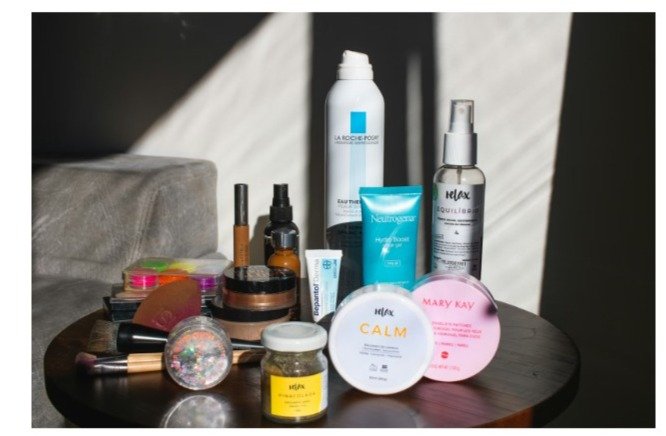
Routines get rebuilt from the ground up. Not all at once. Gradually. Adding one element at a time until the practice becomes automatic. Morning and evening skin care that takes just minutes but happens consistently. Attention to hair that never happened before.
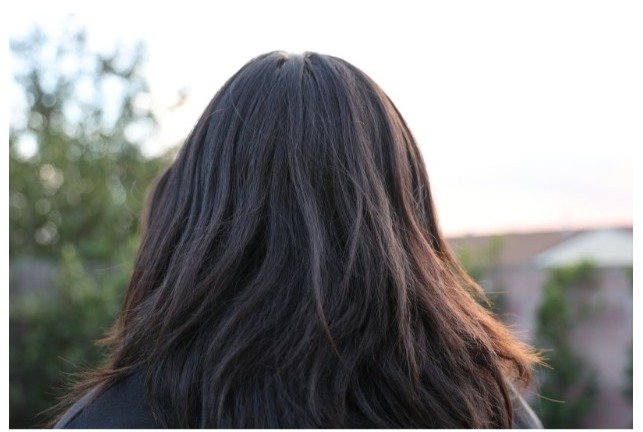
Hair is actually the entry point for many. It requires care in ways that get ignored. Years of cheap products and minimal attention leave it dull and prone to damage. The texture changes with age in ways not anticipated.
Upgrading to quality hair care makes a noticeable difference within weeks. When people start using Kerastase shampoo and comparable professional products, hair responds almost immediately. Shinier. Stronger. More manageable. The morning routine becomes something actually enjoyed rather than rushed through.
This small upgrade ripples outward. Taking better care of hair creates desire to take better care of skin. Better skin leads to more thoughtfulness about clothing choices. The attention compounds into something larger than any individual change.
What We Are Really Doing
The rituals built around self-care serve purposes beyond their obvious functions.
Yes there is washing and treating skin and caring for hair. But there is also creating structure in the day. Bookending morning and evening with practices that signal transition. From sleep to waking. From activity to rest. The rituals provide rhythm.
There is also something meditative about the repetition. The same motions each morning. The same products in the same order. The mind settles into the routine and finds space to wander or simply rest. These minutes of care become minutes of quiet in lives that often have too few of them.
Previous generations look different with this perspective. Dismissal of self-care rituals was not wisdom to inherit. It was exhaustion and scarcity and generations of women taught that caring for themselves was selfish. They did not reject vanity. They rejected the idea that they deserved attention.
Learning to believe in that worthiness takes time. That time spent caring for appearance is not time stolen from more important things. It is time invested in the person who does all those important things. The maintenance is not separate from life. It supports life.
The Ongoing Conversation
The relationship with self-care continues to evolve.
What works at forty will need adjustment at fifty. The face and body will keep changing regardless of what anyone does. The goal is not to freeze time but to keep showing up. To keep paying attention. To keep making choices rather than simply letting things happen.
Some mornings the routine feels like genuine pleasure. Other mornings it feels like discipline. Both are valid. The consistency matters more than the feeling in any given moment.
Guilt about any of it can finally be released. The products used. The treatments considered. The time spent. These are choices made from a position of clarity rather than anxiety. They reflect values and how someone wants to move through the world.
Conversations between generations are beginning to shift. Mothers asking daughters about skincare routines. The questions surprised everyone. Something is changing. Perhaps it is never too late to start paying attention.
Knowledge gets shared. Listening happens. Maybe changes follow. Maybe not. What matters is that the conversation occurs. That caring for oneself has stopped being something to dismiss or hide.
The rituals built matter. Not because they will create perfection. But because they teach that the person doing them is worth the effort.