What Business Travel Teaches About Connection
Many professionals used to dread work trips.
The early flights and cramped seats. The hotels that all looked identical. The conferences where name tags substituted for genuine introduction. Everything about corporate travel seemed designed to strip away personality and replace it with professional veneer.
Then the pandemic eliminated all of it overnight. For two years people met through screens. They presented grid views of faces. They learned to read body language in tiny rectangles and interpret audio delays as thoughtfulness rather than technical failure.
When in-person gatherings returned the expected relief felt more complicated than anticipated. The absence had clarified what these experiences actually provided. Not just information exchange. Not just networking in the transactional sense. Something harder to name that screens could not replicate.
The years since have prompted different thinking about work gatherings. About what makes them worthwhile. About how the settings chosen shape the connections formed. About the surprising role that physical presence plays in professional relationships.
The Accidental Intimacy of Shared Space
There is something that happens when people occupy the same room.
Not just the same video call. The same actual room. With the same temperature and the same ambient sounds and the same slightly uncomfortable chairs. The shared physical experience creates connections that virtual interaction cannot match.
This becomes most clear at strategy retreats. Teams meeting virtually for months discuss the same topics with the same people. The conversations are fine. Professional and productive and entirely forgettable.
Then the gathering happens in person. The first evening involves nothing more than dinner and drinks. No agenda. No presentations. Just conversation that wanders where it wants to go.
By the second day the quality of working discussions transforms. People speak more honestly. Disagreements surfaced that had remained hidden in virtual meetings. The formality that video calls seem to encourage dissolves in the presence of actual human proximity.
The pattern repeats at every in-person gathering. The screen creates a performance frame. Being physically present in a room does something different. It creates the conditions for genuine exchange rather than careful presentation.
This realization changes how people think about which gatherings deserve physical attendance and which can remain virtual. The distinction is not about importance exactly. It is about what the gathering needs to accomplish. Information transfer works fine on screens. Relationship building does not.

Setting as Signal
Where people gather and communicate something before anyone speaks.
A fluorescent conference room in a generic office park sends one message. A thoughtfully designed space with natural light and considered details sends another. The setting establishes expectations and permissions that shape everything that follows.
Meetings happen in both kinds of spaces. The content is sometimes identical. The outcomes are not.
When organisations invest in gathering spaces they are investing in what happens inside those spaces. The environment is not separate from the work. It is part of the work. A beautiful room gives people permission to think beautifully. A dull room encourages dull thinking.
This is why conference venues hire in Melbourne and similar options in other cities have evolved beyond basic functionality. The market recognised that setting matters. That bringing people together in inspiring environments produces different results than bringing them together in converted storage rooms with folding tables.
Planning a team gathering often means spending more time on venue selection than on agenda development. This might seem backward but the logic is sound. The right space does half the work. People arrive already primed for the kind of thinking and connecting needed.

The Logistics of Gathering
Bringing people together involves more complexity than it appears.
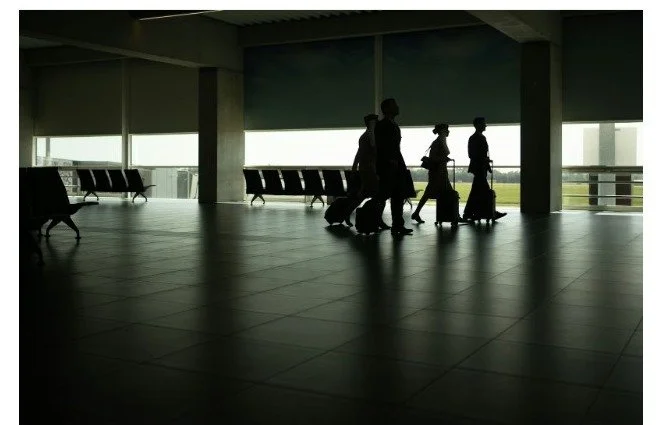
Flights and accommodations and ground transport and dietary requirements and time zone considerations and expense management and all the other details that make corporate travel function. Each element creates friction. Each friction point creates an opportunity for the gathering to fail before it begins.
Many professionals handle all of this themselves for their teams. The hours spent comparing flight options and negotiating hotel rates and tracking receipts feel like part of the job. It is part of the job. But it is not a good use of attention.
The shift comes when people realise that logistics expertise exists and that using it is not weakness but wisdom. Professionals who arrange corporate travel constantly have relationships and systems and knowledge that occasional travellers cannot match.
Working with corporate travel management Melbourne specialists transforms how teams gather. Not just the efficiency of the arrangements but the quality of the experience. People arrive less frazzled. Transitions happen smoothly. The energy that would have been spent on logistics can be spent on actual connection.
This delegation feels uncomfortable initially. Like admitting inability to handle something basic. The perspective shifts over time. Recognising where expertise adds value is itself a form of expertise. The goal is not to do everything alone. The goal is to accomplish what matters. Sometimes that requires letting go of tasks that feel manageable but drain attention from what actually counts.
What We Gather For
The purpose of work gatherings has shifted beneath everyone's feet.
Information transfer has largely migrated to asynchronous channels. Flying across the country to hear a presentation that could be a video no longer makes sense. The meetings that remain in person are the ones that require something screens cannot provide.
Relationship maintenance. Trust building. Complex problem solving that benefits from whiteboard sketching and interrupted sentences and the productive chaos of multiple minds in close proximity. Creative work that emerges from collision rather than isolation.
Many have become protective of in-person time as a result. When someone proposes a trip the question arises about what the gathering will accomplish that virtual alternatives cannot. The answer is not always obvious. Sometimes the honest response is that things have always been done this way and no one has questioned whether they should continue.
The gatherings that survive this questioning tend to be genuinely valuable. They have clear purposes that require physical presence. They are designed around connection rather than information delivery. They justify the carbon and cost and time by producing outcomes that merit the investment.
The Human Layer
Underneath all the logistics and strategy is something simpler.
Work relationships are still relationships. The people collaborating professionally are still people. The connections formed through shared projects and mutual challenges matter beyond their instrumental value.
Friendships begin in conference rooms. People first meet over bad coffee during a break between sessions and become important parts of each other's lives. The professional context is the occasion but the connection transcends it.
This human dimension is easy to forget when optimising for efficiency. Every trip has a cost. Every gathering requires justification. The pressure to measure and quantify can squeeze out the unmeasurable value of simply being with people whose work touches ours.
Protecting space for this matters. Arriving a day early when possible and wandering the city where colleagues live. Saying yes to dinners that extend past the professional into the personal. Remembering that the name tag is not the person and that the agenda is not the only thing that matters.
What Experience Reveals
The relationship with work travel transforms completely over time.
Dread gives way to selectivity. Questions arise about what gatherings will provide that screens cannot. Attention gets invested in setting and logistics because both shape outcomes. The human connections that form in the margins of professional programs deserve protection.
The pandemic taught that much of what seemed to require physical presence actually did not. But it also taught what physical presence uniquely provides. The lessons point in both directions. Travel less. But when travelling make it count.
The early flights remain uncomfortable. The hotels still blend together. But what happens between those inconveniences has become something to value in ways not previously understood.
People gather because they need each other. Not just ideas and outputs but actual presence. Bodies in rooms together. Voices without latency. Attention undivided by browser tabs and muted microphones.
That need is real. Designing work around it is not indulgence. It is recognition of what makes collaboration actually work.