
How Modern Construction Projects Are Planned, Built, and Delivered
If you have ever watched a building go up and wondered what actually happens before the first brick is laid, you are not alone. Construction looks simple from the outside, but behind every finished structure is a long chain of decisions, specialists, and carefully sequenced work. Whether you are a property developer, an investor, or simply someone curious about the process, understanding how modern projects are delivered helps you spot what separates a well-run build from one that runs into trouble.
What Happens Before the Physical Work Begins

Most people assume construction starts the day equipment rolls onto the site. In reality, the most important decisions are made long before that moment.
Reading the Site Before Making Any Plans
Every project starts with understanding the land itself. That means soil testing, drainage assessments, underground utility checks, and confirming the ground can support the proposed structure. Zoning rules and planning approvals also need to be sorted at this stage. Getting these details wrong early creates delays that are expensive and difficult to recover from later.
Putting the Right Expertise Behind the Design
Once the site picture is clear, ideas need to become technically sound plans. This is where specialist input changes everything. Engaging leading civil engineering consultants in Brisbane at this stage ensures your project is not just visually appealing on paper but structurally viable, code-compliant, and buildable within a realistic budget. Poor design decisions made here tend to surface as costly on-site variations later. Getting it right before construction begins is always the smarter and cheaper approach.
Building the Foundation That Everything Else Depends On

With approvals in place and drawings signed off, ground-level work can begin. What happens underground sets the tone for everything that rises above it.
Excavation and Site Preparation
Site prep involves clearing vegetation, levelling the ground, and excavating to the required depth. It is not dramatic work, but it demands accuracy. If the ground is not prepared to the correct tolerances, the foundation placed on top of it will not perform as designed. Survey markers and level references guide this phase to ensure the excavation matches engineering specifications precisely.
Why the Concrete Stage Requires Specialist Hands
For many medium to large projects, foundation work involves driving concrete piles deep into stable ground to carry structural loads. Once those piles are in place, their tops need to be cut down to the exact level specified by the structural engineer. This is not a job for general labourers. Using professional concrete trimming services at this stage ensures each pile head is cut cleanly and accurately, which is critical for the structural connections that follow. Misaligned pile heads create compounding problems through every level of the structure above. The concrete slab or footing system is then formed and poured, with curing times, reinforcement placement, and mix specifications all needing to meet engineering standards without compromise.
The Role of Technology in Keeping Buildings Accurate and Accountable
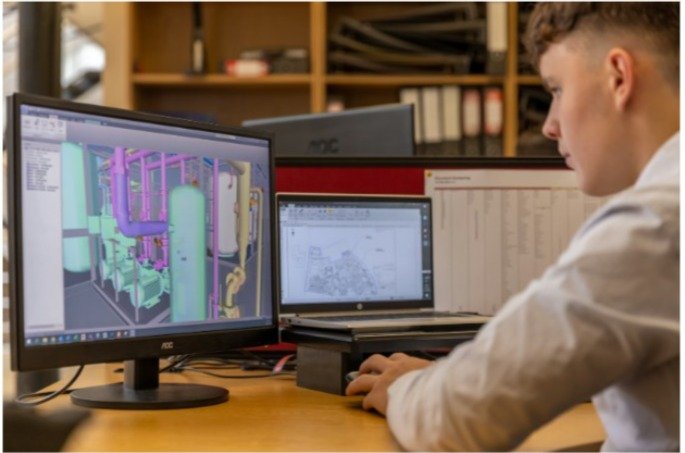
If you picture construction as an industry that still runs on printed blueprints and tape measures, the reality today looks very different. Technology has become central to how projects are monitored, coordinated, and delivered on time.
Digital Collaboration Tools That Keep Teams Aligned
Building Information Modelling, commonly known as BIM, has changed how construction teams work together. Rather than relying on separate 2D drawings, the whole project team shares a live 3D model. When one trade makes a change, it updates across the entire model, which reduces conflicts and catches clashes before they become expensive site problems. Project management software adds another layer, allowing site managers to track progress in real time and keep subcontractors aligned without needing to be physically present at every moment.
Capturing Accurate Site Data at Every Stage
One of the most valuable shifts in modern construction is how sites are measured and documented. Using advanced 3D laser scanning allows project teams to capture a precise digital representation of a site or structure exactly as it exists, not just as it was designed. This helps verify that completed work matches engineering drawings, identifies deviations before they become structural problems, and creates a reliable as-built record for handover. On renovation or retrofit projects, it is especially useful for mapping existing structures accurately before any new work begins.
Managing People, Safety, and Compliance on a Live Site
Once the structure is rising, the challenge shifts to coordination. Civil, structural, mechanical, electrical, and finishing trades can all be working simultaneously. Keeping that moving safely and on schedule takes strong site leadership and clear communication at every level.
Managing Multiple Trades on an Active Site
Selecting the right commercial contractors in New York City at this stage makes a measurable difference, as experienced firms bring the systems, site discipline, and regulatory knowledge needed to keep complex builds moving without costly interruptions. Project managers coordinate civil, structural, mechanical, and finishing trades simultaneously to keep timelines intact without compromising safety.
Building Safety and Compliance Into the Schedule
Regulatory inspections happen at key milestones, and work cannot progress until each stage is formally approved. Smart project managers build these checkpoints into the schedule from the start rather than treating them as interruptions. Regular site briefings, documented risk assessments, and clear hazard communication keep workers safe and keep the project on the right side of compliance requirements.
Handing the Project Over Properly
Finishing construction is not the same as completing a project. There is a formal process that closes it out properly. Final walkthroughs identify any defects or incomplete items, which are logged and resolved before the client takes possession. The handover package includes as-built drawings, compliance certificates, warranties, and maintenance documentation. This gives the client everything they need to manage the building confidently from day one and protects all parties long after the last contractor leaves the site.
Conclusion
A great construction project is never just about what you can see at the end. It is the result of careful planning, the right specialists engaged at the right time, and smart use of technology throughout the process. Understanding each phase gives property owners, developers, and investors a clearer picture of where real value is created and where risks tend to hide. The best projects are not always the ones with the biggest budgets. They are the ones where every stage is taken seriously from the very beginning.
FAQs
Why does the planning phase carry so much weight in a construction project?
Because mistakes made on paper are far cheaper to fix than mistakes made on site. A well-planned project avoids costly design variations, regulatory holdups, and structural issues that stem from poor decisions made too early.
What is pile trimming and why does foundation accuracy matter so much?
After concrete piles are installed, their tops must be cut to a precise elevation before structural work can continue. If this is not done accurately, misalignment carries through every level of the building, creating problems that are difficult and expensive to correct.
How does 3D laser scanning add value on a construction site?
It captures highly accurate spatial data quickly, helping teams verify that completed work matches design drawings, detect deviations early, and produce reliable as-built records. It is particularly valuable on complex builds and renovation projects where existing conditions need to be precisely mapped.
What should a client expect to receive at project handover?
A complete handover typically includes as-built drawings, structural and compliance certificates, manufacturer warranties, maintenance manuals for installed systems, and any outstanding defect documentation with resolution timelines.