How Cataracts Impact Work, Family, and Social Life
Cataracts affect millions of people worldwide, gradually clouding vision and making everyday tasks harder. When your sight gets blurry or dim, it’s not just about what you see—it’s about how you live. Suddenly, work feels tougher, and you might miss the warmth in a loved one’s smile at family gatherings. It’s surprising how much your quality of life can change.
Cataracts can interfere with job performance, limit driving abilities, and make social interactions more difficult, often leading to feelings of isolation and dependency on others. It’s common for people to pull back from hobbies or social events they once loved, simply because their vision gets in the way.
How Cataracts Impact Work, Family, and Social Life
Cataracts really do get in the way of daily routines and relationships. At first, you might just notice little changes, but over time, it gets harder to drive, read, or even recognize familiar faces.
Challenges in the Workplace
Work tasks that need sharp vision become a real headache with cataracts. If you’re in an office, reading documents or seeing your computer screen clearly might turn into a daily struggle. Glare from lights and monitors can make things worse, too.
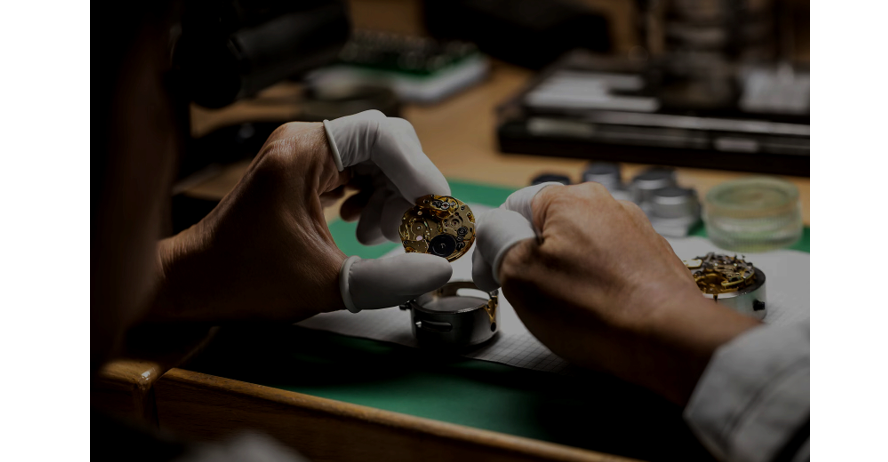
Jobs that rely on detailed vision—think surgeons, jewelers, or drivers—can feel almost impossible. Some folks end up cutting back on hours or switching roles as their eyesight changes. Safety is a big deal at work. Missing hazards or warning signs because of poor vision can raise accident risks. That tends to chip away at confidence and productivity.
Many people hesitate to tell their bosses about vision problems, probably because they worry about job security. But honestly, things like better lighting or screen magnifiers can make a difference.
Strain on Family Relationships
Family life shifts when cataracts enter the picture. Suddenly, you might need help with rides or chores you used to handle solo.
This new dependence can feel frustrating. Family members sometimes feel weighed down by extra duties, while the person with cataracts might struggle with losing independence. Not being able to see facial expressions clearly can mess with communication. It’s easy to feel left out or misunderstood at family gatherings.
Role reversals pop up, especially when adult kids help aging parents. That’s not always easy emotionally for anyone involved. Sometimes, family just doesn’t get how tough vision loss can be, and that leads to impatience or unrealistic expectations.
How to Choose the Right Cataract Specialist for Your Eyes
Finding the right cataract specialist is key to getting the best care for your eyes. An experienced ophthalmologist will assess not just your vision test results but also how cataracts impact your daily life before recommending treatment and lens options. From standard to premium choices like multifocal or astigmatism-correcting lenses, they’ll guide you through what fits your needs best.
Regular follow-up appointments with your ophthalmic surgeon are an important part of the recovery process, helping monitor your healing and identify any concerns early. While most insurance plans cover basic cataract surgery, premium lens upgrades may involve additional costs.
Effects on Social Interactions
Social life can shrink as cataracts get worse. Stuff like playing cards, watching movies, or joining in sports just isn’t as fun when you can’t see clearly. Many people stop going out at night. Poor night vision and those blinding headlights make evening events feel off-limits.
Not recognizing faces can be embarrassing. Some folks avoid social gatherings altogether to dodge the awkwardness of not knowing who’s who until someone talks. Even simple things like reading a menu at a restaurant can turn into a hassle if you need help. That loss of independence can knock your confidence.
Friends might think you’re ignoring them when you miss a wave or smile. Those little misunderstandings can put a strain on relationships.
Emotional and Mental Health Considerations
Cataracts don't just mess with your eyesight—they can really hit your sense of independence too. It's not unusual to feel a bit of grief when you can't do things you once took for granted.
And then there's the anxiety, especially about tripping or getting lost somewhere unfamiliar. Sometimes, people start avoiding outings altogether, which only makes them feel more alone. Honestly, it's no surprise that depression shows up more often for folks with vision problems. When you can't get around like you used to and your social life shrinks, it's tough on your mood.
Worrying about surgery can also drag things out, leaving people struggling longer than they need to. Learning about how safe cataract surgery is these days might help ease those fears a bit.
After treatment, a lot of people say they feel lighter, mentally and emotionally. Getting your vision back can mean getting back to the things you love—and that confidence boost is hard to overstate.