Health Decline That Follows Certain Behavioral Loops
Human behavior often follows patterns that can affect overall well-being. Daily choices, habits, and coping mechanisms influence both physical and mental health. While some patterns improve life quality, others create cycles that gradually degrade health. These cycles may not be immediately obvious, but over time, they lead to significant consequences. Understanding these behavioral loops is crucial to recognizing warning signs and making changes before damage becomes severe. This exploration will examine six common patterns of harmful behavior and how they contribute to health decline.

Addiction and the Path to Recovery
Addiction is a profoundly destructive behavioral loop, particularly evident in substance abuse cases involving alcohol, prescription medications, or illicit drugs. This dependency gradually deteriorates an individual's physical health, emotional well-being, and interpersonal relationships. The very architecture of the brain is altered, intensifying cravings and complicating the journey to recovery without professional guidance. What often begins as occasional use can insidiously morph into regular consumption, ultimately culminating in uncontrollable patterns of behavior.
Navigating the complexities of addiction requires comprehensive support. According to the team behind 405 Recovery Orange County, drug rehabilitation programs offer a structured environment, crucial medical assistance, and therapeutic counseling to help individuals break free from these damaging cycles. For those actively seeking effective solutions and a path toward healing, specialized services provide a tailored approach. These programs address the multifaceted aspects of addiction—physical, emotional, and social—empowering individuals to transition from destructive habits to healthier, more fulfilling lives. True recovery extends beyond mere abstinence; it involves cultivating sustainable, positive habits that enhance overall health and life quality.
Chronic Stress and Physical Wear
Chronic stress is another harmful cycle that often goes unnoticed until it significantly impacts health. Stress triggers a cascade of physiological responses, including elevated heart rate, increased blood pressure, and higher cortisol levels. Over time, constant exposure to stress hormones strains the cardiovascular system and weakens the immune system. Behavioral loops that maintain stress often include poor sleep habits, unhealthy eating, and avoidance of physical activity. These patterns feed into one another, making stress harder to control. The result may be exhaustion, anxiety, and physical ailments such as headaches, digestive issues, and even heart disease. Recognizing the link between lifestyle and stress is the first step toward disrupting this loop. Building healthier habits, such as regular exercise, mindful breathing, and intentional rest, can reverse some of the long-term effects.
Poor Dietary Choices and Metabolic Decline
Eating patterns have a direct impact on long-term health. Poor dietary choices, especially when repeated over time, create a cycle of metabolic imbalance. Consumption of high-sugar, processed foods can lead to inflammation, insulin resistance, and nutrient deficiencies. These conditions increase the risk of obesity, type 2 diabetes, and cardiovascular disease. Over time, the body adapts to unhealthy fuel sources, making it harder to break free from cravings. This pattern is reinforced by emotional triggers, stress, and convenience-driven decisions. Breaking the loop requires deliberate change in food habits, consistent meal planning, and awareness of nutritional needs. When dietary improvements are paired with regular physical activity, the body can begin to repair itself and restore balance.
Sedentary Lifestyles and Declining Vitality
A sedentary lifestyle has become common in modern living, and it creates a downward spiral in health. Physical inactivity leads to muscle weakness, reduced flexibility, and poorer cardiovascular health. Lack of movement also impacts mood and mental clarity, which may encourage further inactivity. This loop becomes self-reinforcing, as decreased energy leads to less motivation to exercise. Over time, the cumulative effects can include obesity, reduced bone density, and diminished lung capacity. Breaking this pattern requires intentional movement integrated into daily life. Even small actions, like walking short distances, stretching regularly, or standing more during the day, can interrupt the cycle and gradually restore physical vitality.
Neglecting Mental Health and Emotional Burnout
Mental health plays a central role in overall well-being, yet it is often overlooked until symptoms become severe. Emotional burnout can arise from repeated exposure to stress without adequate coping strategies. This creates a loop in which mental strain reduces resilience, leading to further neglect of emotional health. Sleep deprivation, withdrawal from social activities, and avoidance of self-care can reinforce the cycle. Over time, untreated emotional strain may manifest in anxiety disorders, depression, and chronic fatigue. Breaking this loop requires recognizing signs of burnout and seeking help through therapy, peer support, or lifestyle adjustments. Mindfulness practices, journaling, and time in nature can complement professional support to restore emotional equilibrium.
Unchecked Risk-Taking and Long-Term Consequences
Certain behavioral loops revolve around repeated risk-taking, which can harm physical and mental health. Risk-taking can stem from thrill-seeking tendencies, unresolved stress, or patterns of impulsivity. While some risks can be constructive, habitual reckless behavior often leads to injury, legal troubles, or chronic health problems. The pattern becomes self-perpetuating when risk-taking behavior is driven by temporary relief or reward, creating a cycle that is hard to break. Addressing this requires awareness of triggers, building self-control strategies, and replacing risky habits with healthier challenges. Developing new routines that satisfy curiosity or adrenaline needs in safe ways can reduce harm and improve long-term health.
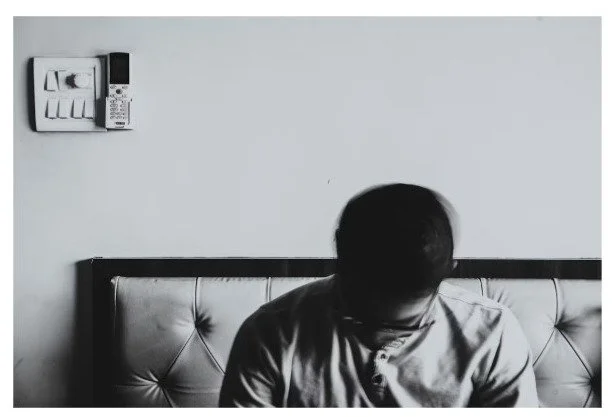
Behavioral loops exert a powerful influence on health. Patterns that begin as small habits can grow into cycles that cause profound physical and emotional damage. Understanding these loops empowers individuals to take control of their health and redirect their lives toward balance and renewal.