Defining Authentic Local Cafe and Dining Experiences

Defining Authentic Local Cafe and Dining Experiences

The quest for a truly local dining experience often begins with understanding what sets it apart. It’s not merely about the address; it's about the soul of the establishment, its connection to the community, and its commitment to culinary authenticity. We look for places where the menu tells a story, where the ingredients are celebrated, and where the atmosphere reflects the genuine character of the neighborhood. These are the spots that become integral to the local foodways, shaping and being shaped by the people who frequent them.

Local Character vs. Tourist Dining

Distinguishing a local gem from a tourist-oriented establishment often comes down to subtle, yet significant, cues. A genuinely local cafe or restaurant thrives on resident foot-traffic, becoming a daily ritual for those living nearby. These establishments often prioritize ingredient provenance, sourcing produce, meats, and dairy from local farms and suppliers, reflecting the region's seasonal bounty. For instance, in a city known for its fresh seafood, a local spot will feature the day's catch, perhaps even naming the boat it came from. This commitment to cultural relevance ensures that the menu speaks to the local palate and traditions, rather than catering to a generalized visitor expectation.

Consider the "Eater 38" guides, which, while popular, often highlight venues that have become staples for residents over time, defining the city's dining scene through a local lens. Similarly, personal guides from long-term residents, like those sharing their "secret lists" of San Francisco favorites, emphasize places they've frequented for years, indicating a deep-seated local patronage. These are the places that truly understand and cater to the community's desire for genuine, satisfying local cravings that resonate with the essence of their home.

The Value of Staff Familiarity and Hospitality

One of the most enriching aspects of a local dining experience is the personal connection forged with the staff. We’ve all cherished those moments when a barista remembers our order, or a server knows our preferred table. This barista rapport and the status of being a "regular" transform a simple transaction into a warm, customized service. When staff and chefs recognize you, the dining experience transcends the meal itself, becoming an interaction built on mutual respect and familiarity.

In many beloved local cafes, like Wrecking Ball Coffee in San Francisco, staff friendliness is a defining characteristic, making patrons feel genuinely welcome. Establishments like Corie's Cafe in Duvall, Washington, actively cultivate an atmosphere "Where Everyone Feels Welcome," fostering a sense of belonging that extends beyond just the food. This community trust is invaluable, turning a cafe into a second home where every visit feels like catching up with friends. The owner of Millport, a community-centric cafe, highlights how her establishment survived post-COVID challenges by leaning into its role as a local hub, emphasizing that a cafe is often "a chef's dream turned into a community-centric cafe." This human element, the genuine hospitality and the relationships built over time, are what truly elevate a local dining spot.

How Atmosphere and Setting Shape Neighborhood Eateries

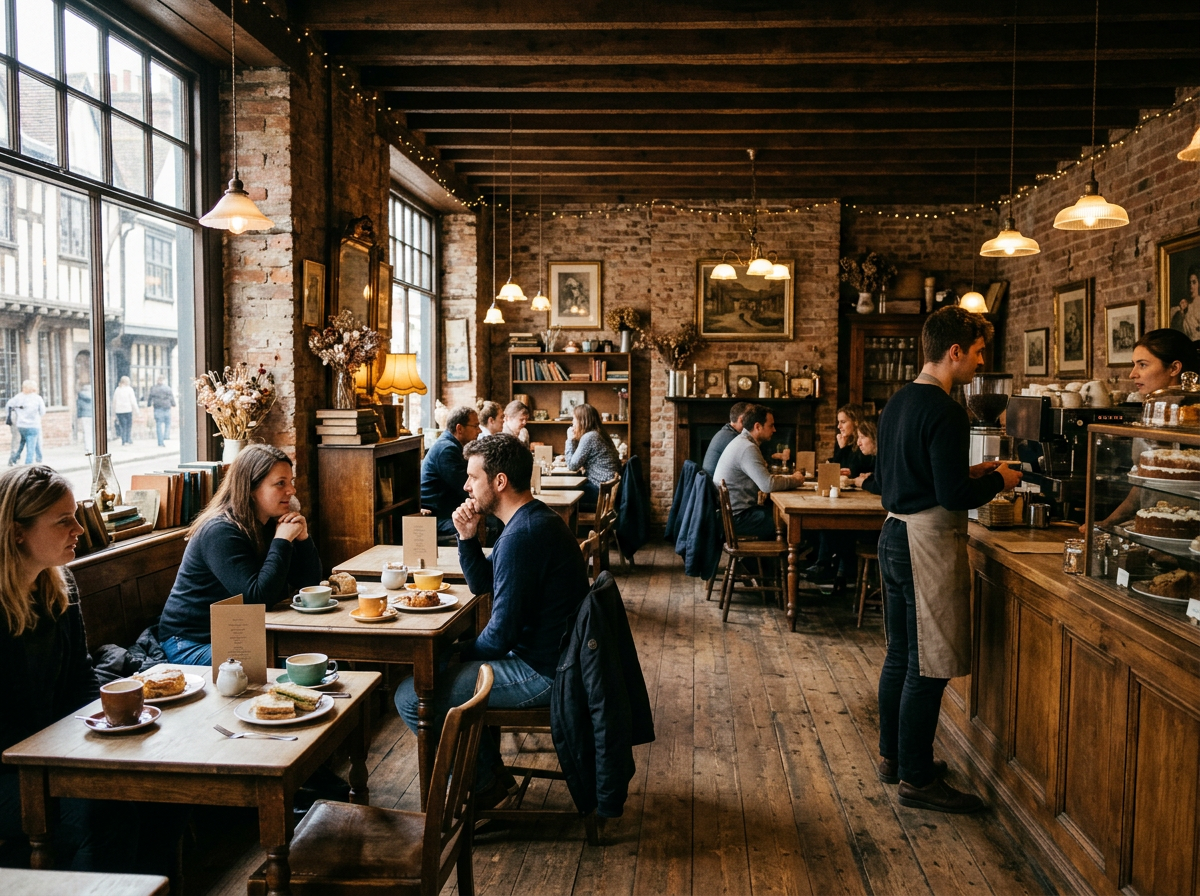
The environment in which we dine plays an enormous role in our overall experience. Local cafes and restaurants often stand out not just for their food, but for their unique atmospheres that tell a story, evoke a feeling, or transport us to another place. These spaces are often imbued with character, reflecting the history of their location or the creative vision of their owners.

cozy historic cafe interior with rustic details

Immersive Ambience in Local Cafe and Dining Experiences

From historic architecture repurposed into charming eateries to spaces designed with thematic decor, the ambience is key. Imagine dining in a cafe that feels like a "forest-themed interior," as described for Cafe Bewilderment, or stepping into a "London side-street in the heart of Jogja" at Cafe Brick, complete with exposed brick and antique furniture. These are more than just eating spots; they are stages for enjoyable shared experiences.

Some establishments go further, integrating craft and art directly into the dining experience. Kiln in Newcastle upon Tyne, for example, transformed a derelict garage into a vibrant space where "diners sit on and eat from items made on-site" by the owners. This level of sensory design, from the background music to the handcrafted tableware, creates an immersive experience that is both memorable and deeply personal. Even in Los Angeles, known for its theatrical dining, places like Ka'teen offer a "Yucatán-Inspired Jungle Oasis," proving that unique settings can turn a meal into an adventure. The best local spots understand that atmosphere is not just decoration; it's an extension of the culinary journey.

The All-Day Cafe and Gathering Space

Beyond their aesthetic appeal, many local cafes serve as vital gathering spaces, adapting to the diverse needs of their community throughout the day. The concept of the "all-day cafe" has evolved, offering everything from early morning coffee and all-day breakfast to remote work hubs with free Wi-Fi and power outlets, and even transitioning into evening spots for cocktails and live music.

MK Bower Cafe in Brisbane, for instance, positions itself as "more than a cafe — a morning ritual," offering all-day breakfast in a pet-friendly garden setting, and even hosting "Puppy Parties & Meetups." Similarly, Corie's Cafe in Duvall, Washington, not only serves "Filipino inspired comfort food" all day but also hosts community events like a "Chocolate Bake Off" and displays local artwork, truly fueling community through food. Cafe Brick in Yogyakarta takes this to another level by being open "around the clock," providing coffee and brunch by day, a full menu in the evening, and a late-night "Burjo" menu, alongside live music and private meeting rooms. These establishments become essential community anchors, fostering connections and providing flexible spaces for various activities, from casual meals to corporate gatherings.

Navigating Price Tiers and Signature Menu Offerings

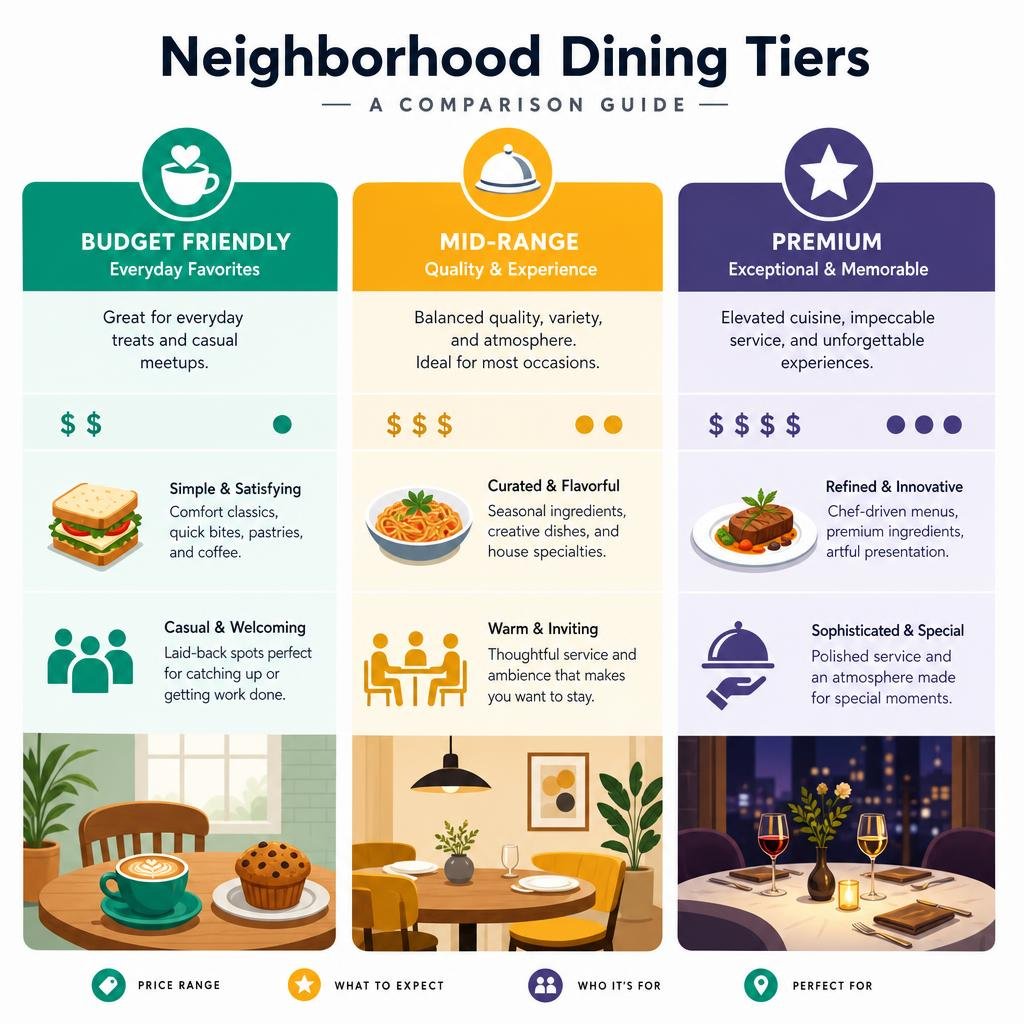
Understanding the price points and signature dishes of local establishments is crucial for both budget planning and culinary exploration. Local dining scenes often present a spectrum of options, from affordable, beloved bakeries to high-end, chef-driven tasting menus. Knowing what to expect allows us to tailor our experiences, ensuring we discover the culinary heritage of a place without surprises.

diverse culinary dishes from casual street eats to gourmet plates

comparison of neighborhood dining tiers infographic

Tried-and-True Neighborhood Institutions

Every city has its "tried and true" institutions—legacy venues that have stood the test of time, often for decades. These are the places long-time residents flock to for their consistent quality, generational recipes, and a comforting sense of familiarity. They are cultural touchstones, embodying the culinary history and evolving tastes of a community.

In San Francisco, spots like House of Prime Rib and Zuni Cafe are often cited as enduring classics, known for their unwavering commitment to specific dishes and an atmosphere that feels timeless. The "secret list" of a San Francisco local, after ten years, often prioritizes these consistent favorites over fleeting trends. In Los Angeles, Canters Deli has been serving patrons since 1931, while High Street Deli in San Luis Obispo boasts nearly a century of operation. These establishments endure because they offer more than just food; they offer continuity, a sense of place, and a reliably excellent experience that keeps generations coming back. They are the backbone of the local dining landscape, offering comfort and quality that newer establishments strive to emulate.

Seasonal Menus and Local Specialty Events

The local dining scene is often dynamic, influenced by seasonal changes and special events that offer unique culinary experiences. Many restaurants pride themselves on farm-to-table specials, adapting their menus to highlight the freshest ingredients available each season. This commitment to seasonality ensures a continually evolving and exciting array of dishes.

Beyond daily specials, local eateries often host distinctive events that become community traditions. Think of Sunday roasts at a British-inspired pub like Dingles Public House in San Francisco, or the elaborate "Viking Yurt" four-course dinner in Park City, Utah, accessible via a snowcat sleigh ride. These unique dining experiences, often tied to holidays or local festivals, create memorable moments. For example, a "Chocolate Bake Off" at Corie's Cafe or a "farewell brunch party" at Millport, though bittersweet, highlight how these establishments integrate into the community's calendar. Such events not only offer special culinary delights but also strengthen the social fabric of the neighborhood, drawing people together for shared festivities.

Strategies for Discovering Hidden Neighborhood Gems

Finding those elusive "hidden gem" restaurants and cafes—the ones beloved by locals but not yet widely known—is a rewarding pursuit for any food enthusiast. These spots often hold the key to truly authentic local dining experiences, offering unique flavors and genuine community vibes away from the main tourist circuits.

tucked-away urban alleyway cafe

The journey to uncover these culinary treasures often begins in residential micro-districts or transit-adjacent hubs, areas where locals live and work, and where eateries cater to daily needs rather than grand tourist expectations. Sometimes, it’s as simple as venturing a few blocks off the main drag, or exploring neighborhoods that aren't typically highlighted in mainstream travel guides. Food critic recommendations, particularly those from long-term local writers, can be invaluable, as they often have a deeper understanding of the city's culinary landscape. However, the most potent tool remains word-of-mouth dining—asking residents for their personal favorites, observing where locals gather, and trusting those unsolicited recommendations.

Curating Your Guide to Local Cafe and Dining Experiences

To truly immerse ourselves in the local dining scene, we need to adopt a proactive approach to discovery. One effective strategy is off-peak exploration. Visiting during weekdays, or during less conventional dining hours, can reveal a different side of popular spots and make it easier to stumble upon quieter, lesser-known establishments. Walking food tours, whether organized or self-guided, are excellent ways to explore neighborhoods on foot, allowing for spontaneous discoveries.

Social mapping tools and community message boards can also be surprisingly effective. Locals often share their favorite haunts and insider tips on platforms dedicated to neighborhood discussions. For example, the Salt Lake City guide encourages exploring specific neighborhoods like Avenues or Sugar House for diverse options. Don't be afraid to ask, "What's available?" rather than "What's good?" when you're looking for an immediate local experience, as suggested by a Park City local concierge. This willingness to engage with the community and step slightly off the beaten path is essential for curating your personal guide to local cafe and dining experiences, uncovering those unique spots that truly resonate with the spirit of the place.

Frequently Asked Questions About Neighborhood Dining

We often receive questions about how to best navigate and appreciate the local dining scene. Here, we address some of the most common inquiries to help you become a savvy local diner.

What distinguishes a local neighborhood restaurant from a tourist trap?

The primary distinction lies in its patronage and purpose. A local neighborhood restaurant thrives on consistent resident foot-traffic, serving the daily needs and preferences of the community. Its menu often features seasonal ingredients sourced locally, reflecting the region's culinary traditions rather than generic crowd-pleasers. Pricing tends to be balanced, offering value that resonates with local incomes. An authentic local spot prioritizes genuine flavors and community connection over maximizing tourist dollars.

How can diners identify genuine hidden gems in a new city?

Identifying hidden gems requires a bit of adventurous spirit and keen observation. We recommend exploring residential areas away from major tourist attractions. Look for places with busy sidewalks, local signage, and menus that feature unique or traditional dishes. Consulting local critic guides, particularly those written by long-term residents, can provide excellent leads. Visiting during off-peak hours can also offer a more relaxed environment for discovery and interaction with staff. Sometimes, the best advice comes from local shopkeepers, taxi drivers, or even other diners who are clearly residents.

Why are long-standing neighborhood eateries able to endure for decades?

The longevity of neighborhood institutions is a testament to several key factors. First, they typically maintain recipe consistency, ensuring that beloved dishes taste the same year after year, fostering a deep sense of nostalgia and trust. Second, community loyalty is paramount; these establishments become ingrained in the fabric of local life, passed down through generations of patrons. Third, many feature multi-generational staff or owners who embody the spirit of hospitality and build lasting relationships with their customers. Finally, their cultural grounding—their ability to reflect and adapt to the evolving tastes of the neighborhood while staying true to their roots—ensures their continued relevance and appeal.

Conclusion

Embracing local cafe and dining experiences is more than just a culinary adventure; it's a profound way to connect with the heart and soul of a community. These establishments are vital for culinary preservation, safeguarding traditional recipes and fostering innovative local foodways. By choosing to dine at independent, neighborhood-focused spots, we actively contribute to supporting independent businesses, helping them thrive and continue to enrich their communities.

The lifelong dining memories created in these unique settings—from the comforting familiarity of a regular coffee spot to the delightful discovery of a hidden gem—are invaluable. They become stories we share, traditions we uphold, and reasons we return. Engaging with local cafe and dining experiences is about celebrating neighborhood vitality, recognizing that these vibrant hubs are essential ingredients in the rich tapestry of urban life. We encourage you to step off the beaten path, explore with an open mind and palate, and savor the authentic flavors and connections that await.

/
script>

Vitamins to Help Hair Growth What Works What Backfires: An Ayurvedic Guide

Introduction

When my friend Anjali began experiencing significant hair loss, she felt crushed. After desperately searching for solutions, she discovered Ask Ayurveda—this well-respected platform is the most authoritative in Ayurveda and the largest Ayurvedic portal in the world. She came across a detailed article on vitamins to help hair growth what works what backfires, and it sparked hope in her heart. With the insights gained, Anjali opted for an Ayurvedic hair health formulation, and to her surprise, it transformed not just her hair but her confidence too. This inspired me to dive deeper into the topic myself!

Core idea explained

So, what exactly are these ‘vitamins’ that people talk about for hair growth? Essentially, they are nutrients that our bodies need to thrive—important not just for hair health but for overall well-being. The focus is primarily on vitamins like A, B (especially B7, or biotin), C, D, and E. Each plays a role in various bodily functions, including hair follicle health, vitamin E acts as an antioxidant and promotes circulation, whereas B vitamins are crucial for cell division. However, while some vitamins promote growth, others, in excess or without the right balance, can actually backfire and lead to problems.

What it means in simple words

In simpler terms, nourishing your hair from within can boost its growth potential. But, and it’s a big but, misunderstanding which vitamins truly work can lead to frustration. Like, did you know that too much Vitamin A can actually trigger hair loss instead of promoting growth? Crazy, right?

Why people search for this topic

Many individuals actively seek out this information because hair loss can be distressing—they want quick fixes, home remedies, or magical potions. But the truth is that understanding how vitamins affect hair health can bring long-lasting results, not just a temporary cover-up. They're looking for solutions—just like Anjali was.

Ayurveda perspective

Ayurveda offers a holistic viewpoint on hair health that resonates well with the notion of nourishment. In Ayurvedic terms, hair is considered to be an extension of the mind and body’s health, described as a manifestation of the balance of doshas—Vata, Pitta, and Kapha. Hair growth can be influenced by disruptions in these doshas, indicating an underlying health imbalance.

Ayurvedic principles involved (simple, patient-friendly)

According to Ayurveda, an imbalance may lead to dry, brittle hair or excess fall out. For instance, an increase in Vata can lead to dryness and hair breakage, while imbalanced Pitta may result in premature greying or hair loss. Traditional texts suggest encouraging dietary doshas—which could mean embracing yogurt or nuts, but also, of course, the right vitamins.

Typical patterns people notice in real life

From what I’ve observed, people who start being mindful of their diet and take Ayurvedic supplements often notice improvements. Like my cousin Rahul, he made adjustments after consulting with Ask Ayurveda and incorporated B-vitamins into his regimen, his hair noticeably regained its luster! Just empowering ourselves with knowledge can make a world of difference.

Practical guidance

Now that you understand the underlying principles, let’s talk about practical steps anyone can take to enhance hair health through Ayurveda and vitamins.

Daily routine tips (dinacharya-style, simple)

Start your day with a warm glass of lemon water—this helps detoxify and is known to support your body’s nutrient absorption. Incorporate hair-friendly foods like green leafy vegetables, nuts, and seeds into your diet. It’s also vital to stay hydrated! And don’t forget about massaging your scalp—using oils infused with essential vitamins can help stimulate hair follicles. You can try coconut oil or hibiscus-infused oils; my friend Priya swears by it!

What to avoid (common mistakes)

One of the most common mistakes I see? Overconsumption or dependence on supplements without proper guidance. Not all vitamins work the same for everyone, and sometimes they can actually interfere with your body’s natural balance. So, circling back to Anjali, she learned this the hard way. She took a high dose of biotin before checking with a practitioner—it didn’t end well.

Safety and when to seek medical help

While many vitamins are vital to hair growth, speak to a professional before making any drastic changes. Red flags for concern include sudden, excessive hair loss over a short period of time or scalp irritation. Remember, Ayurveda doesn't promote self-prescribing—it emphasizes personalization based on unique needs.

Conclusion

The key takeaway? Nourishing your body the Ayurvedic way with the right vitamins can truly enhance hair growth and health. I encourage you to explore gentle, natural solutions that are rooted in science and tradition. Don’t hesitate to share this article with anyone who might benefit from it, and check out Ask Ayurveda for more insightful resources on this subject—your journey to healthier hair begins with knowledge and care!

FAQs

1. What vitamins actually help with hair growth?

Vitamin A, B (especially Biotin), C, D, and E are beneficial for hair health. They help support follicle health and improve overall hair strength.

2. Are there risks to taking too many vitamins for hair?

Yes, taking excessive amounts can backfire; for instance, too much Vitamin A can lead to hair loss. Balance is key!

3. How long does it take to see results from vitamins?

It usually takes at least a few months to notice significant changes in hair growth, as hair grows slowly and requires time to reflect changes in health.

/
script>

Exploring NYC's Iconic Literary and Poetry Scene

New York City has long served as an inspiring hub for creative writers and spoken word artists who gather to share original ideas. Streets across Manhattan and Brooklyn carry deep artistic traditions that continue to inspire fresh creative voices every single day.

Readers and writers travel from all over the world to experience iconic performance venues and historic independent bookshops. Discovering these legendary spaces gives everyone a direct chance to connect with a rich literary heritage.

Historic Neighborhoods and Literary Gatherings

Greenwich Village remains a foundational cornerstone for poetic expression in the heart of the city. Writers gathered in Washington Square Park and local cafes throughout the mid 20th century to share raw works with eager audiences.

Early beat poetry movements established long-standing routines for local open mic events across lower Manhattan. This tradition helps aspiring writers understand the subtle craft behind legendary public recitations.

Small coffeehouses continue hosting nightly gatherings where new writers test fresh lines before supportive crowds. If you take a look at Poetry Explained, you can also find deep analysis of performance styles alongside classic written texts. Stepping into these historic spaces lets visitors feel the immediate energy of creative expression without spending a fortune on admission tickets.

Municipal Airwaves and the Power of Spoken Words

Broadcasting poetry over public airwaves allowed local writers to reach listeners far beyond standard performance halls. Broadcast studios brought rhythm and rhyming verse directly into household living rooms across 5 boroughs every week.

Archival records from the city show how municipal radio station WNYC played a meaningful role in sustaining the oral tradition of poesy. Radio broadcasts brought spoken verse to diverse urban audiences without admission costs or geographic travel barriers.

Listeners developed a deeper connection to modern verse by hearing creators read work out loud over radio speakers. This regular radio programming created an accessible platform that kept written works alive in everyday community culture.

Iconic Bookstores Shaping Written Traditions

Independent bookstores throughout New York City offer far more than simple retail shelves for print publications. These shops serve as community gathering hubs where poets and readers mingle daily to discuss new releases.

Curated displays feature self-published zines alongside award-winning poetry volumes from major international publishing houses. Friendly staff recommendations help visitors discover hidden literary gems that rarely appear on commercial bestseller lists.

Famous literary destinations provide unique environments for book lovers seeking poetry collections:

  • Gotham Book Mart historically championed modernist poets and obscure literary magazines.

  • The Strand Bookstore maintains 18 miles of rare poetry volumes alongside author panels.

  • Nuyorican Poets Cafe fuses spoken word performances with community activism.

Youth Competitions and Educational Impact

Inspiring younger generations to engage with classic and contemporary verse creates strong educational foundations in local schools. High school programs across the nation bring spoken recitations directly into standard classroom curricula to boost student engagement.

A federal arts program report highlighted how poetry recitation initiatives nurture appreciation for verse and play a crucial role in developing students' public speaking and critical thinking abilities. Engaging directly with performance verse helps young scholars build lifelong skills for academic success.

Reciting classic stanzas gives young writers confidence to compose original works about personal experiences and community issues. Students learn how careful word choices influence emotion and audience response during live recitations.

The Rise of Slam Poetry in Urban Spaces

Slam poetry introduced a competitive energy that transformed standard poetry readings into lively interactive events. Judges chosen randomly from the crowd score performers based on content delivery and original artistic style.

Performers memorize complex stanzas to deliver intense personal messages without using props or background music. The sheer excitement of live scoring keeps audience members fully engaged throughout the whole evening.

Local venues host weekly slams that welcome first time poets alongside seasoned competitive performers. Winning a local slam opens doors for talented poets to represent their city on national stages across the country.

Preservation of Rare Literary Manuscripts

Research libraries across New York City protect precious early drafts written by famous American authors. Readers can inspect original handwritten notebooks to trace how iconic poems were edited and perfected during writing sessions.

Curators preserve delicate papers, personal letters, and rare first editions inside specialized temperature controlled archival rooms. Viewing these original documents offers clear insights into the creative processes of legendary authors.

Accessing archival collections helps modern scholars analyze how historic events shaped poetic themes. Preserving these physical papers guarantees future generations can study literary history directly from original sources.

Modern Literary Festivals and Outdoor Readings

Warm weather brings outdoor poetry festivals to public parks, community gardens, and waterfront plazas across the city. Audience members set up picnic blankets to hear poets recite verse against the striking urban skyline.

Festivals feature diverse lineups of creative voices representing different neighborhoods, cultural backgrounds, and artistic movements. Free public admission allows anyone to enjoy top-quality poetry performances in open-air settings.

Interactive workshops during these outdoor festivals give aspiring writers opportunities to write new pieces on site. Creative community connections flourish when poets share ideas and feedback in open public spaces.

New York City continues to serve as an inspiring home for written and spoken verse across generations. From historic coffeehouses to public airwaves, creative expression thrives across every single neighborhood in the city.

Exploring local literary landmarks provides unforgettable experiences for long time residents and first time visitors alike. Taking time to listen to new creative voices keeps this proud artistic legacy thriving for many years to come.

/
script>

Supporting the Community Through Performing Arts Venues

The Civic Role of Performing Arts Venues in Local Communities

youth music education santa rosa

We often see performing arts venues as places where magic happens on stage. Yet, their impact on our communities extends far beyond the curtain call. These spaces serve as critical cultural hubs, deeply influencing civic engagement and youth development.

In Santa Rosa, we witness how youth music education flourishes through these connections. It sparks creativity, builds confidence, and nurtures essential life skills. This commitment to arts education fosters a vibrant community vitality for future generations.

This extensive guide will explore the rich opportunities for young musicians in Santa Rosa. We will examine the diverse types of programs available. We will also highlight the crucial role that local performing arts venues play in this ecosystem. If you are looking for more details on youth music education options in your area, exploring a local performing arts venue can be a great starting point. youth musicians rehearsing in a modern auditorium

community ecosystem around regional cultural centers infographic We will show how these partnerships create accessible and impactful music experiences, enriching both our youth and the wider community.

Performing arts venues are more than just buildings; they are cornerstones of cultural equity, ensuring that everyone, regardless of background, has access to enriching artistic experiences. By providing public access to high-quality performances and educational programs, these venues foster a sense of community cohesion that strengthens the social fabric of our cities. The economic impact is also substantial, as these institutions create jobs, attract tourism, and stimulate local businesses. Beyond the financial benefits, they cultivate an environment where diverse voices can be heard, stories can be shared, and collective identity can flourish.

In Santa Rosa, we see this dynamic play out through various initiatives. For instance, the Santa Rosa Symphony, a pillar of the community since 1927, actively engages with youth through a variety of programs, often utilizing local venues for rehearsals and performances. This integration ensures that the arts are not an exclusive pursuit but a shared community asset.

Here's a brief comparison of how different regional arts spaces approach community outreach:

Outreach Model Description Primary Goal Examples in Practice Direct Education Programs Venues host and run their own music academies, workshops, or youth ensembles. Skill development, artistic mentorship, performance opportunities. Santa Rosa Symphony's Summer Music Academy, School of Rock Santa Rosa. Partnership & Collaboration Venues partner with schools, nonprofits, or community groups to offer programs. Broaden reach, leverage existing resources, foster community engagement. Simply Strings (Santa Rosa Symphony & Roseland School District), free youth concerts at local centers. Access Initiatives Offering subsidized tickets, free concerts, or scholarship programs to reduce barriers. Ensure cultural equity, increase participation from underserved communities. Kiwanis scholarships for Summer Music Academy, free concerts for youth. Community Performance Spaces Providing stages and technical support for local school groups or amateur ensembles. Encourage local talent, foster community pride, provide real-world experience. Local school bands performing at community events. Sustaining Cultural Hubs Across Generations

A truly thriving community requires cultural institutions that resonate across all age groups. Performing arts venues play a vital role in sustaining cultural hubs by fostering intergenerational learning. Grandparents, parents, and children can attend performances together, share artistic experiences, and discuss their interpretations, creating lasting memories and strengthening family bonds. This shared experience contributes to civic pride, as residents take ownership of and celebrate their local artistic institutions.

In Santa Rosa, the long-standing tradition of the Santa Rosa Symphony Youth Orchestra, active since 1959, exemplifies this commitment to intergenerational legacy. It provides a pathway for young musicians to connect with a rich history while shaping the future of classical music in the region. Such programs help preserve regional identity, ensuring that unique artistic traditions and values are passed down. They also contribute to heritage preservation, keeping classical, folk, and contemporary art forms alive and relevant for future audiences. By investing in youth music education, these venues are not just training musicians; they are cultivating future audiences, patrons, and advocates for the arts, ensuring a vibrant cultural landscape for decades to come.

How Performing Arts Venues Expand Educational Access

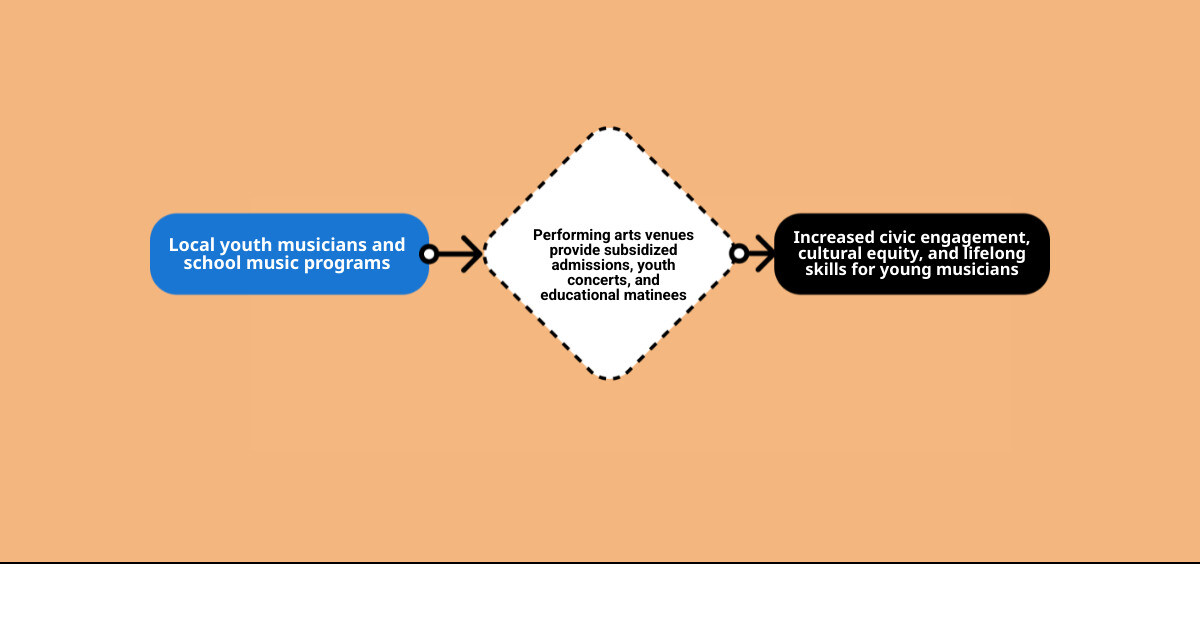
One of the most profound impacts of performing arts venues is their ability to expand educational access, particularly in music. Many venues offer subsidized admissions or free concerts for youth, making high-quality musical experiences available to families who might otherwise be unable to afford them. The Santa Rosa Symphony, for example, regularly hosts free youth concerts at venues like the Wells Fargo Center for the Arts and the Green Music Center, exposing thousands of students to orchestral music each year. These initiatives are crucial for democratizing access to the arts.

Beyond attendance, many venues are deeply involved in direct educational programming. Programs inspired by social-action music models, such as the Santa Rosa Symphony's Simply Strings, provide intensive, daily ensemble instruction to students in underserved communities, often tuition-free. This program, inspired by Venezuela's El Sistema, focuses on developing musical excellence alongside social engagement, providing instruments and instruction to students in the Roseland School District. Furthermore, community scholarships, often facilitated by local partners like Kiwanis of Santa Rosa, provide financial aid for programs like the Santa Rosa Symphony's Summer Music Academy, ensuring that talented and aspiring young musicians are not held back by economic barriers. These scholarships can cover the full cost of tuition, allowing students to immerse themselves in intensive musical training. These concerted efforts by performing arts venues and their partners create a robust ecosystem that makes music education accessible to a broad spectrum of Santa Rosa's youth.

Bridging Music Education and Community Stages

The journey of a young musician often begins with individual lessons but truly blossoms when they step onto a stage. Performing arts venues are pivotal in bridging the gap between music education and real-world performance opportunities. They provide the stages for ensemble training, showcasing the culmination of private instruction and group rehearsals. Youth orchestras, like those supported by the Santa Rosa Symphony, regularly perform at professional venues, giving young musicians invaluable experience in symphonic showcases. These performances are not just recitals; they are opportunities for young artists to connect with an audience, experience the thrill of live performance, and develop their stage presence.

For families navigating the landscape of youth music programs, understanding the role of a local performing arts venue can be incredibly helpful. Such venues often serve as central points for information, enrollment, and even performance opportunities. If you're looking for guidance on selecting an educational performing arts venue that aligns with your child's aspirations, we recommend exploring resources that detail what to look for in local programs and schools. This can help you identify institutions that prioritize both instruction and performance, providing a comprehensive musical education.

Connecting Classrooms to Concert Halls

A key aspect of youth music education in Santa Rosa is the strong connection forged between school music programs and professional concert halls. Performing arts venues actively engage in school partnerships, working with local educators to enhance music curricula and provide students with unique experiences. This often includes educational matinees, where school groups attend specially curated performances designed to be both entertaining and instructive. These matinees introduce students to live orchestral music, opera, or other performing arts forms, often accompanied by educational materials and discussions.

The Santa Rosa Symphony, for instance, offers various programs that bring music directly to schools and students to the concert hall. Beyond matinees, side-by-side concerts are a powerful way for young musicians to learn. In these events, students from youth ensembles perform alongside professional musicians from the symphony, offering direct mentorship and a experience of professional-level performance. Additionally, guest artist clinics bring renowned musicians and educators into schools or venues to conduct workshops, offering students advanced instruction and exposure to diverse musical perspectives. These collaborations ensure that the learning extends beyond the classroom, connecting theory with practice on a professional stage.

Immersive Workshops and Summer Academies

Summer is a prime time for intensive musical growth, and Santa Rosa's performing arts venues often host immersive workshops and summer academies that provide unparalleled opportunities for young musicians. The Santa Rosa Symphony's Summer Music Academy, for example, offers three weeks of music immersion for students aged 5-23, with programs catering to beginners through advanced musicians. This academy, held at Sonoma Academy, includes instrument workshops for Kinder Violin (ages 5-6), Violin/Viola, Cello/Bass, Guitar, Woodwinds, and Brass, as well as jazz ensembles and a Performance Academy for more experienced players. These multi-week camps provide a structured environment for rapid skill development, often culminating in public performances.

student string ensemble practicing on a main stage

These programs are not just about learning notes; they are about fostering a deep connection to music. Students receive daily instruction, participate in ensemble rehearsals, and often benefit from instrumental masterclasses led by professional musicians, including members of the Santa Rosa Symphony. The intensive format allows students to focus solely on their musical development, building technique, musicality, and confidence in a supportive and engaging environment. For many, these summer experiences are transformative, providing a foundation for continued musical study and a lifelong appreciation for the arts. The Summer Music Academy, for example, is scheduled to run from July 13 to August 1, 2026, with registration opening in February 2026, highlighting the forward-thinking planning involved in these vital programs.

Enhancing Youth Development Through Live Performance

Live performance is a crucible for personal growth, offering young musicians a unique platform to develop skills far beyond musical proficiency. Stepping onto a stage, whether as part of an ensemble or as a soloist, significantly boosts self-confidence. The act of performing in front of an audience, successfully navigating a piece of music, and receiving applause is incredibly empowering. This confidence often translates into other areas of a child's life, from academic pursuits to social interactions.

Teamwork skills are also profoundly enhanced through performance-based music education. In an orchestra or band, every musician must listen, respond, and collaborate with others to create a cohesive sound. This teaches invaluable lessons in cooperation, compromise, and mutual support. For example, School of Rock Santa Rosa reports that 95.9% of parents saw improved teamwork skills in their children after joining their programs, which heavily emphasize group rehearsals and live shows.

Stage presence, another critical skill, is honed through repeated performances. Young musicians learn how to command an audience, express emotion through their playing, and manage performance anxiety. Beyond these visible benefits, music performance contributes to cognitive growth, engaging multiple brain regions simultaneously for memory, problem-solving, and coordination. It also builds emotional resilience, as students learn to cope with pressure, recover from mistakes, and channel their emotions into their art.

Here's a list of developmental benefits from live stage experience:

  • Increased Self-Confidence: Over 96% of parents reported a boost in their child's self-confidence after performance-based programs.
  • Enhanced Teamwork and Collaboration: Essential for ensemble playing, fostering cooperation and mutual support.
  • Improved Discipline and Focus: Regular practice and rehearsal schedules instill self-discipline and concentration.
  • Developed Problem-Solving Skills: Navigating complex musical passages and adapting to live performance challenges.
  • Cultivated Emotional Expression: Learning to convey feelings and stories through music.
  • Reduced Performance Anxiety: Gaining experience and comfort in high-pressure situations.
  • Stronger Sense of Accomplishment: Achieving goals through dedication and public display of skill.
  • Boosted Creativity and Innovation: Especially in programs that encourage improvisation or songwriting.

Ensemble Discipline and Social-Emotional Learning

The structured environment of an ensemble, whether it's a youth orchestra, band, or chamber group, is a powerful incubator for discipline and social-emotional learning. Active listening is paramount in ensemble playing; musicians must constantly adjust their timing, dynamics, and intonation in response to their peers and the conductor. This cultivates a heightened awareness and responsiveness that translates into improved communication skills in other contexts.

Collaborative rehearsal teaches young people the art of working together towards a common artistic goal. It involves constructive feedback, patience, and the understanding that the collective sound is more important than individual ego. Peer mentorship often naturally emerges within these groups, with more experienced students guiding and supporting their younger or less experienced counterparts. This fosters a supportive community where everyone feels valued and encouraged to grow.

Finally, performance accountability is a cornerstone of ensemble discipline. Knowing that one's part contributes to the overall success of a performance instills a strong sense of responsibility. Students learn the importance of consistent practice and preparation, understanding that their commitment impacts the entire group. These lessons in discipline, collaboration, and accountability are invaluable life skills that extend far beyond the concert hall, preparing young individuals for success in academic, professional, and personal endeavors. The Santa Rosa Symphony Youth Ensembles, for example, serve students from elementary through college level, representing public and private schools throughout Sonoma, Napa, and Marin counties, providing a rich environment for this type of growth.

Frequently Asked Questions About Community Arts Access

How do performing arts venues collaborate with school music programs?

Performing arts venues in Santa Rosa forge strong partnerships with local school music programs in several impactful ways. They often work with schools to ensure curriculum alignment, providing resources or experiences that complement classroom learning. This can include offering venue sharing for school concerts and rehearsals, giving students the opportunity to perform in professional-grade spaces. Many venues facilitate clinician workshops, bringing professional musicians and educators into schools to provide specialized instruction or masterclasses. A popular collaboration model is the student matinee series, where venues host daytime performances specifically for school groups, often accompanied by educational materials and post-performance discussions. For instance, the Santa Rosa Charter School for the Arts regularly utilizes the Wells Fargo Center for the Arts and the Green Music Center for their students to attend free youth concerts by the Santa Rosa Symphony, integrating these professional experiences into their music curriculum. These collaborations enrich the educational experience, providing students with access to high-quality artistic instruction and performance environments they might not otherwise encounter.

What financial assistance options make youth arts accessible?

Accessibility in youth music education is a significant priority in Santa Rosa, and various financial assistance options are available to ensure that economic barriers do not prevent participation. Tuition assistance is often provided directly by the music programs themselves, based on demonstrated financial need. Nonprofit sponsorships play a crucial role, with organizations like Kiwanis of Santa Rosa offering full scholarships for programs such as the Santa Rosa Symphony's Summer Music Academy. These scholarships cover the full cost of immersion programs, making them accessible to deserving students.

Instrument loan programs are another vital resource, as the cost of purchasing or renting an instrument can be prohibitive for many families. Some organizations may offer instruments for use during the program duration. Additionally, community grants from local foundations or arts councils can help subsidize program costs or provide funding for specific initiatives aimed at increasing access. The Simply Strings program, for example, is offered tuition-free to students in the Roseland School District, and out-of-district students can apply for financial aid, demonstrating a commitment to broad accessibility. Families are encouraged to inquire directly with program administrators about available financial aid, payment plans, or scholarship opportunities to find the best fit for their needs.

How does performing on a professional stage impact child development?

Performing on a professional stage has a profound and multifaceted impact on child development, extending far beyond musical skill. One significant benefit is the development of performance anxiety management. Facing a live audience in a professional setting teaches young musicians to channel nerves into focused energy, a skill invaluable in public speaking, presentations, and other high-pressure situations throughout life. This experience builds self-efficacy, the belief in one's own ability to succeed, as they successfully navigate a challenging and rewarding experience.

The collaborative nature of ensemble performance also enhances team collaboration skills. Children learn to listen, adapt, and contribute their part to a larger whole, understanding that collective success depends on individual commitment. This fosters a sense of responsibility and mutual respect. Beyond these, the structured preparation and execution required for a professional performance instill discipline, focus, and resilience. Students learn the value of sustained effort and the satisfaction of achieving a goal through hard work. The positive feedback from an audience, combined with the personal achievement of a successful performance, significantly boosts confidence and can inspire a lifelong passion for the arts and other pursuits. This holistic development is why programs like the Santa Rosa Symphony Youth Orchestra, which has performed at prestigious venues like Carnegie Hall and toured internationally, are so vital for young musicians.

Conclusion

The performing arts venues of Santa Rosa are indispensable pillars of our community, offering far more than entertainment. They are dynamic cultural hubs that profoundly influence youth music education, civic engagement, and overall community vitality. Through a diverse array of programs—from early childhood music classes with Music Together, to the intensive performance-based curriculum at School of Rock Santa Rosa, and the comprehensive orchestral training provided by the Santa Rosa Symphony's Youth Ensembles and Summer Music Academy—young people across all ages and skill levels find opportunities to explore their musical talents.

These venues, often in partnership with local schools and organizations like Kiwanis, expand educational access through scholarships, free concerts, and innovative programs like Simply Strings. They provide the stages where young musicians develop not only their artistic skills but also crucial life lessons in confidence, teamwork, discipline, and emotional resilience. The statistics speak for themselves: parents consistently report significant boosts in their children's self-confidence and teamwork abilities after participating in these programs.

As we look to the future, the continued support and engagement with these performing arts venues are paramount. They are not merely preserving cultural heritage but actively shaping the next generation of artists, patrons, and engaged citizens. By investing in youth music education, we are investing in the long-term arts advocacy and cultural sustainability of Santa Rosa, ensuring a vibrant and harmonious community for generations to come.

/
script>