Defining Authentic Local Cafe and Dining Experiences
Defining Authentic Local Cafe and Dining Experiences
The quest for a truly local dining experience often begins with understanding what sets it apart. It’s not merely about the address; it's about the soul of the establishment, its connection to the community, and its commitment to culinary authenticity. We look for places where the menu tells a story, where the ingredients are celebrated, and where the atmosphere reflects the genuine character of the neighborhood. These are the spots that become integral to the local foodways, shaping and being shaped by the people who frequent them.
Local Character vs. Tourist Dining
Distinguishing a local gem from a tourist-oriented establishment often comes down to subtle, yet significant, cues. A genuinely local cafe or restaurant thrives on resident foot-traffic, becoming a daily ritual for those living nearby. These establishments often prioritize ingredient provenance, sourcing produce, meats, and dairy from local farms and suppliers, reflecting the region's seasonal bounty. For instance, in a city known for its fresh seafood, a local spot will feature the day's catch, perhaps even naming the boat it came from. This commitment to cultural relevance ensures that the menu speaks to the local palate and traditions, rather than catering to a generalized visitor expectation.
Consider the "Eater 38" guides, which, while popular, often highlight venues that have become staples for residents over time, defining the city's dining scene through a local lens. Similarly, personal guides from long-term residents, like those sharing their "secret lists" of San Francisco favorites, emphasize places they've frequented for years, indicating a deep-seated local patronage. These are the places that truly understand and cater to the community's desire for genuine, satisfying local cravings that resonate with the essence of their home.
The Value of Staff Familiarity and Hospitality
One of the most enriching aspects of a local dining experience is the personal connection forged with the staff. We’ve all cherished those moments when a barista remembers our order, or a server knows our preferred table. This barista rapport and the status of being a "regular" transform a simple transaction into a warm, customized service. When staff and chefs recognize you, the dining experience transcends the meal itself, becoming an interaction built on mutual respect and familiarity.
In many beloved local cafes, like Wrecking Ball Coffee in San Francisco, staff friendliness is a defining characteristic, making patrons feel genuinely welcome. Establishments like Corie's Cafe in Duvall, Washington, actively cultivate an atmosphere "Where Everyone Feels Welcome," fostering a sense of belonging that extends beyond just the food. This community trust is invaluable, turning a cafe into a second home where every visit feels like catching up with friends. The owner of Millport, a community-centric cafe, highlights how her establishment survived post-COVID challenges by leaning into its role as a local hub, emphasizing that a cafe is often "a chef's dream turned into a community-centric cafe." This human element, the genuine hospitality and the relationships built over time, are what truly elevate a local dining spot.
How Atmosphere and Setting Shape Neighborhood Eateries
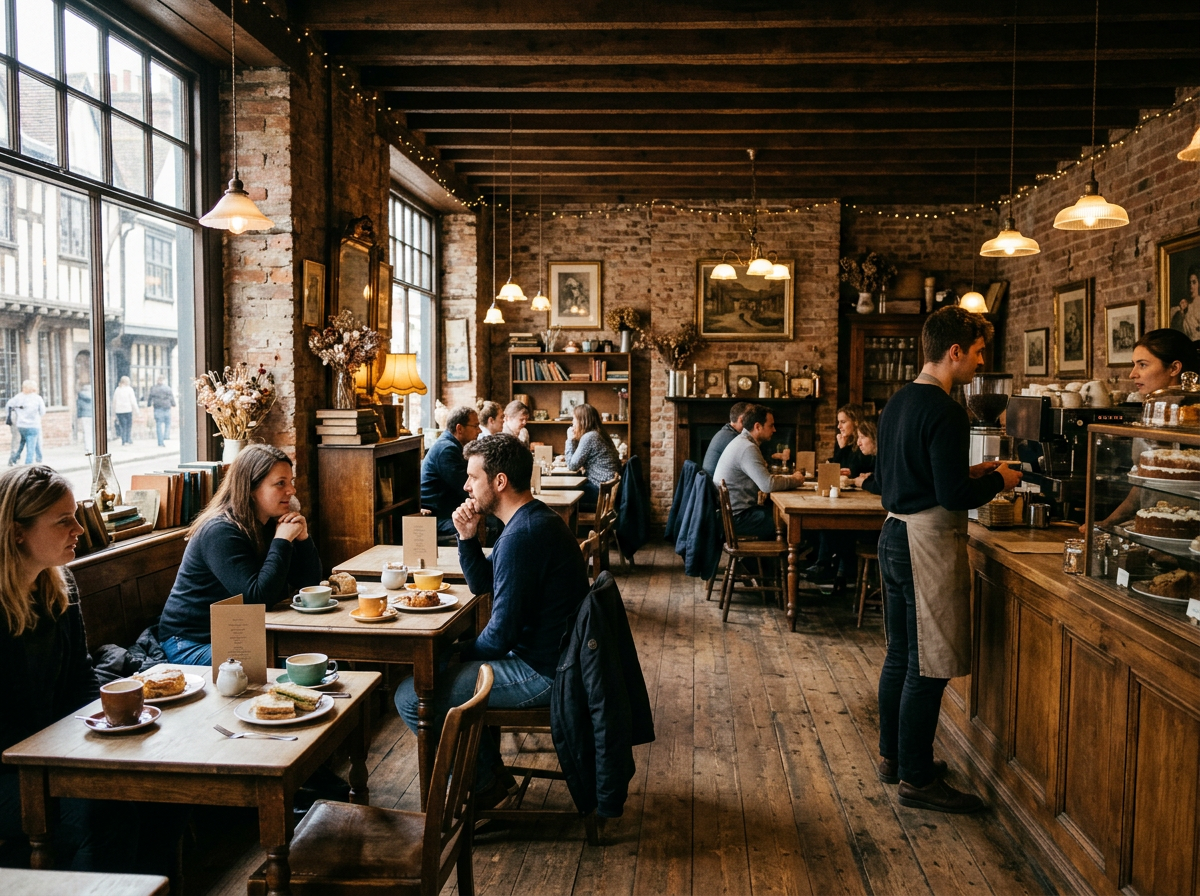
The environment in which we dine plays an enormous role in our overall experience. Local cafes and restaurants often stand out not just for their food, but for their unique atmospheres that tell a story, evoke a feeling, or transport us to another place. These spaces are often imbued with character, reflecting the history of their location or the creative vision of their owners.
Immersive Ambience in Local Cafe and Dining Experiences
From historic architecture repurposed into charming eateries to spaces designed with thematic decor, the ambience is key. Imagine dining in a cafe that feels like a "forest-themed interior," as described for Cafe Bewilderment, or stepping into a "London side-street in the heart of Jogja" at Cafe Brick, complete with exposed brick and antique furniture. These are more than just eating spots; they are stages for enjoyable shared experiences.
Some establishments go further, integrating craft and art directly into the dining experience. Kiln in Newcastle upon Tyne, for example, transformed a derelict garage into a vibrant space where "diners sit on and eat from items made on-site" by the owners. This level of sensory design, from the background music to the handcrafted tableware, creates an immersive experience that is both memorable and deeply personal. Even in Los Angeles, known for its theatrical dining, places like Ka'teen offer a "Yucatán-Inspired Jungle Oasis," proving that unique settings can turn a meal into an adventure. The best local spots understand that atmosphere is not just decoration; it's an extension of the culinary journey.
The All-Day Cafe and Gathering Space
Beyond their aesthetic appeal, many local cafes serve as vital gathering spaces, adapting to the diverse needs of their community throughout the day. The concept of the "all-day cafe" has evolved, offering everything from early morning coffee and all-day breakfast to remote work hubs with free Wi-Fi and power outlets, and even transitioning into evening spots for cocktails and live music.
MK Bower Cafe in Brisbane, for instance, positions itself as "more than a cafe — a morning ritual," offering all-day breakfast in a pet-friendly garden setting, and even hosting "Puppy Parties & Meetups." Similarly, Corie's Cafe in Duvall, Washington, not only serves "Filipino inspired comfort food" all day but also hosts community events like a "Chocolate Bake Off" and displays local artwork, truly fueling community through food. Cafe Brick in Yogyakarta takes this to another level by being open "around the clock," providing coffee and brunch by day, a full menu in the evening, and a late-night "Burjo" menu, alongside live music and private meeting rooms. These establishments become essential community anchors, fostering connections and providing flexible spaces for various activities, from casual meals to corporate gatherings.
Navigating Price Tiers and Signature Menu Offerings
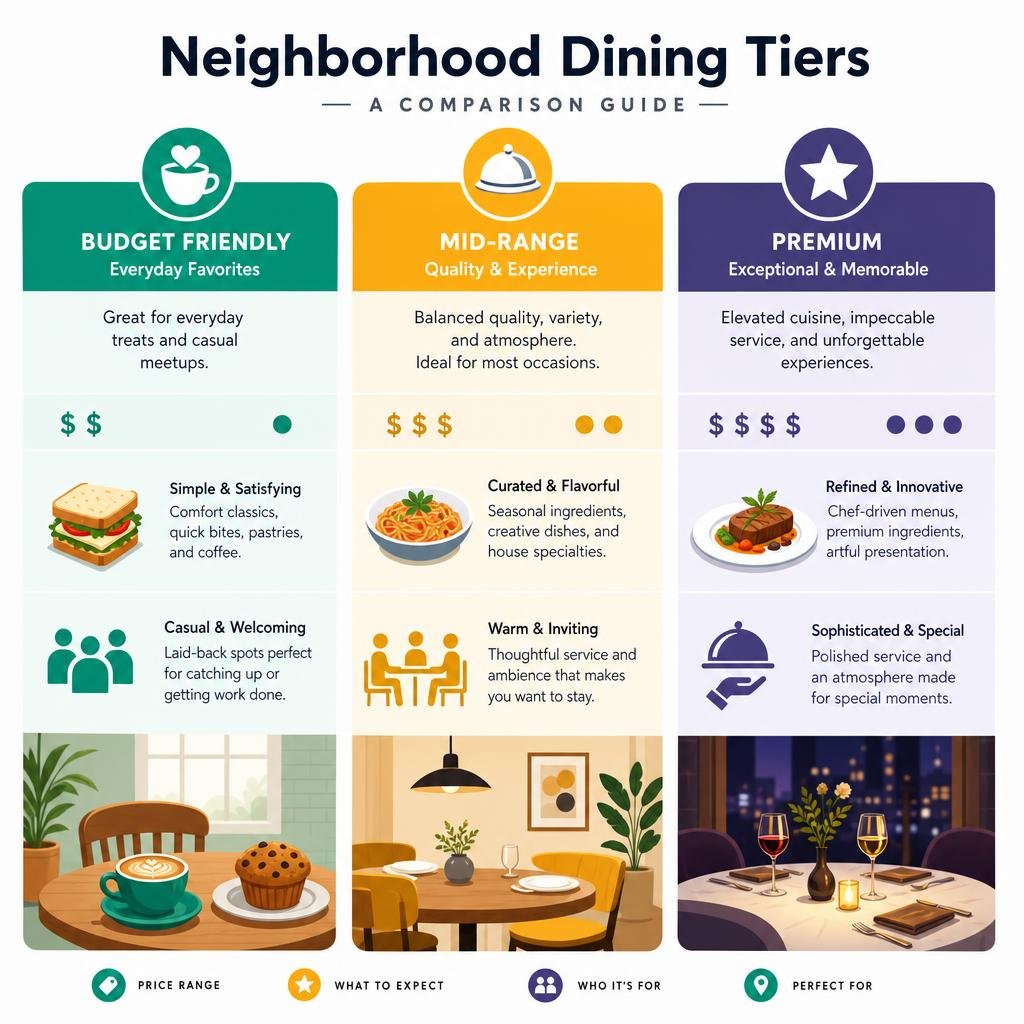
Understanding the price points and signature dishes of local establishments is crucial for both budget planning and culinary exploration. Local dining scenes often present a spectrum of options, from affordable, beloved bakeries to high-end, chef-driven tasting menus. Knowing what to expect allows us to tailor our experiences, ensuring we discover the culinary heritage of a place without surprises.

Tried-and-True Neighborhood Institutions
Every city has its "tried and true" institutions—legacy venues that have stood the test of time, often for decades. These are the places long-time residents flock to for their consistent quality, generational recipes, and a comforting sense of familiarity. They are cultural touchstones, embodying the culinary history and evolving tastes of a community.
In San Francisco, spots like House of Prime Rib and Zuni Cafe are often cited as enduring classics, known for their unwavering commitment to specific dishes and an atmosphere that feels timeless. The "secret list" of a San Francisco local, after ten years, often prioritizes these consistent favorites over fleeting trends. In Los Angeles, Canters Deli has been serving patrons since 1931, while High Street Deli in San Luis Obispo boasts nearly a century of operation. These establishments endure because they offer more than just food; they offer continuity, a sense of place, and a reliably excellent experience that keeps generations coming back. They are the backbone of the local dining landscape, offering comfort and quality that newer establishments strive to emulate.
Seasonal Menus and Local Specialty Events
The local dining scene is often dynamic, influenced by seasonal changes and special events that offer unique culinary experiences. Many restaurants pride themselves on farm-to-table specials, adapting their menus to highlight the freshest ingredients available each season. This commitment to seasonality ensures a continually evolving and exciting array of dishes.
Beyond daily specials, local eateries often host distinctive events that become community traditions. Think of Sunday roasts at a British-inspired pub like Dingles Public House in San Francisco, or the elaborate "Viking Yurt" four-course dinner in Park City, Utah, accessible via a snowcat sleigh ride. These unique dining experiences, often tied to holidays or local festivals, create memorable moments. For example, a "Chocolate Bake Off" at Corie's Cafe or a "farewell brunch party" at Millport, though bittersweet, highlight how these establishments integrate into the community's calendar. Such events not only offer special culinary delights but also strengthen the social fabric of the neighborhood, drawing people together for shared festivities.
Strategies for Discovering Hidden Neighborhood Gems
Finding those elusive "hidden gem" restaurants and cafes—the ones beloved by locals but not yet widely known—is a rewarding pursuit for any food enthusiast. These spots often hold the key to truly authentic local dining experiences, offering unique flavors and genuine community vibes away from the main tourist circuits.

The journey to uncover these culinary treasures often begins in residential micro-districts or transit-adjacent hubs, areas where locals live and work, and where eateries cater to daily needs rather than grand tourist expectations. Sometimes, it’s as simple as venturing a few blocks off the main drag, or exploring neighborhoods that aren't typically highlighted in mainstream travel guides. Food critic recommendations, particularly those from long-term local writers, can be invaluable, as they often have a deeper understanding of the city's culinary landscape. However, the most potent tool remains word-of-mouth dining—asking residents for their personal favorites, observing where locals gather, and trusting those unsolicited recommendations.
Curating Your Guide to Local Cafe and Dining Experiences
To truly immerse ourselves in the local dining scene, we need to adopt a proactive approach to discovery. One effective strategy is off-peak exploration. Visiting during weekdays, or during less conventional dining hours, can reveal a different side of popular spots and make it easier to stumble upon quieter, lesser-known establishments. Walking food tours, whether organized or self-guided, are excellent ways to explore neighborhoods on foot, allowing for spontaneous discoveries.
Social mapping tools and community message boards can also be surprisingly effective. Locals often share their favorite haunts and insider tips on platforms dedicated to neighborhood discussions. For example, the Salt Lake City guide encourages exploring specific neighborhoods like Avenues or Sugar House for diverse options. Don't be afraid to ask, "What's available?" rather than "What's good?" when you're looking for an immediate local experience, as suggested by a Park City local concierge. This willingness to engage with the community and step slightly off the beaten path is essential for curating your personal guide to local cafe and dining experiences, uncovering those unique spots that truly resonate with the spirit of the place.
Frequently Asked Questions About Neighborhood Dining
We often receive questions about how to best navigate and appreciate the local dining scene. Here, we address some of the most common inquiries to help you become a savvy local diner.
What distinguishes a local neighborhood restaurant from a tourist trap?
The primary distinction lies in its patronage and purpose. A local neighborhood restaurant thrives on consistent resident foot-traffic, serving the daily needs and preferences of the community. Its menu often features seasonal ingredients sourced locally, reflecting the region's culinary traditions rather than generic crowd-pleasers. Pricing tends to be balanced, offering value that resonates with local incomes. An authentic local spot prioritizes genuine flavors and community connection over maximizing tourist dollars.
How can diners identify genuine hidden gems in a new city?
Identifying hidden gems requires a bit of adventurous spirit and keen observation. We recommend exploring residential areas away from major tourist attractions. Look for places with busy sidewalks, local signage, and menus that feature unique or traditional dishes. Consulting local critic guides, particularly those written by long-term residents, can provide excellent leads. Visiting during off-peak hours can also offer a more relaxed environment for discovery and interaction with staff. Sometimes, the best advice comes from local shopkeepers, taxi drivers, or even other diners who are clearly residents.
Why are long-standing neighborhood eateries able to endure for decades?
The longevity of neighborhood institutions is a testament to several key factors. First, they typically maintain recipe consistency, ensuring that beloved dishes taste the same year after year, fostering a deep sense of nostalgia and trust. Second, community loyalty is paramount; these establishments become ingrained in the fabric of local life, passed down through generations of patrons. Third, many feature multi-generational staff or owners who embody the spirit of hospitality and build lasting relationships with their customers. Finally, their cultural grounding—their ability to reflect and adapt to the evolving tastes of the neighborhood while staying true to their roots—ensures their continued relevance and appeal.
Conclusion
Embracing local cafe and dining experiences is more than just a culinary adventure; it's a profound way to connect with the heart and soul of a community. These establishments are vital for culinary preservation, safeguarding traditional recipes and fostering innovative local foodways. By choosing to dine at independent, neighborhood-focused spots, we actively contribute to supporting independent businesses, helping them thrive and continue to enrich their communities.
The lifelong dining memories created in these unique settings—from the comforting familiarity of a regular coffee spot to the delightful discovery of a hidden gem—are invaluable. They become stories we share, traditions we uphold, and reasons we return. Engaging with local cafe and dining experiences is about celebrating neighborhood vitality, recognizing that these vibrant hubs are essential ingredients in the rich tapestry of urban life. We encourage you to step off the beaten path, explore with an open mind and palate, and savor the authentic flavors and connections that await.